REVIEW · NEW DELHI
Delhi: Old and New Delhi Guided Full or Half-Day Tour
Book on GetYourGuide →Operated by Tripology · Bookable on GetYourGuide
Delhi hits fast, then you get the why. This tour is built for short time in the capital, pairing Old Delhi street-level landmarks with big New Delhi photo stops, all in an organized route that keeps you moving. Two things I really like: the skip-the-line approach at key sights, and the way your guide stitches religious, political, and everyday Delhi into one clear story.
I also love the contrast—when you move from the crowd-and-spice energy of Old Delhi to the clean geometry of places like Humayun’s Tomb, Delhi suddenly feels way more understandable. One possible drawback to note: monument entry tickets and meals aren’t included, so you’ll want a little extra cash/time for anything you decide to enter beyond the guided viewpoints.
In This Review
- Key things I’d focus on before you book
- How this guided Delhi day actually works (pickup, timing, and the pace)
- Old Delhi: Jama Masjid, Chandni Chowk, and the Red Fort outside view
- A calm pause at Raj Ghat before the big monuments
- New Delhi’s signature lineup: India Gate, Humayun’s Tomb, and the stepwell feel
- Rashtrapati Bhavan, Lotus Temple, and Qutb Minar: religion meets monument scale
- Outside passes vs inside visits: what you can and can’t expect
- Value and price: why this feels like a good deal at $10
- Comfort and smart prep: the small things that make your day easier
- Which option fits your style: Old Delhi half-day, New Delhi half-day, or the 8-hour combo?
- A quick note on guides: why names keep coming up for a reason
- Should you book this Delhi Old-and-New tour?
- FAQ
- How long is the Delhi Old and New tour?
- Where do they pick you up from?
- What’s included in the price?
- Are monument entrance tickets included?
- Which Old Delhi sights are covered?
- Which New Delhi sights are covered?
Key things I’d focus on before you book
- Fast route for first-timers: pick up anywhere (hotel/airport) and get major stops without hours of planning
- Strong, multilingual guides: guides like Asif and Ravi are singled out for making history easy to follow
- Comfort matters in Delhi traffic: air-conditioned car + bottled water keeps the day doable
- Old Delhi vs New Delhi in one day: you can choose half-day (either area) or an 8-hour combo
- Plenty of photo stops: India Gate and Rashtrapati Bhavan are built into the timing even if you’re not going in
- Extras may appear if timing allows: some routes include shopping for handicrafts and a stepwell-style stop like Agresan Ki baoli
How this guided Delhi day actually works (pickup, timing, and the pace)
You get picked up from your hotel anywhere in Delhi, Gurgaon, or Noida—or from Delhi Airport. You can choose a pickup time between 7:30 AM and 4:00 PM, which is handy if you’re arriving late or trying to dodge the worst rush.
The tour includes an air-conditioned car and driver, plus a live guide who can speak English and several other languages (Spanish, French, German, Japanese, Italian). You also get bottled water, which sounds small until you’re walking in heat and crowds. The guide meets you in the Connaught Place area so you’re not left guessing where to find them after pickup.
Pace is the whole point here. This is a “best-of” format, not a slow, hangout tour. You’ll spend about 20 to 60 minutes at many stops depending on the option, with guided time plus short walks and photo breaks. That’s great if you want maximum Delhi in limited hours—less great if you prefer lingering at one place for half a day.
You can also read our reviews of more guided tours in New Delhi



Old Delhi: Jama Masjid, Chandni Chowk, and the Red Fort outside view
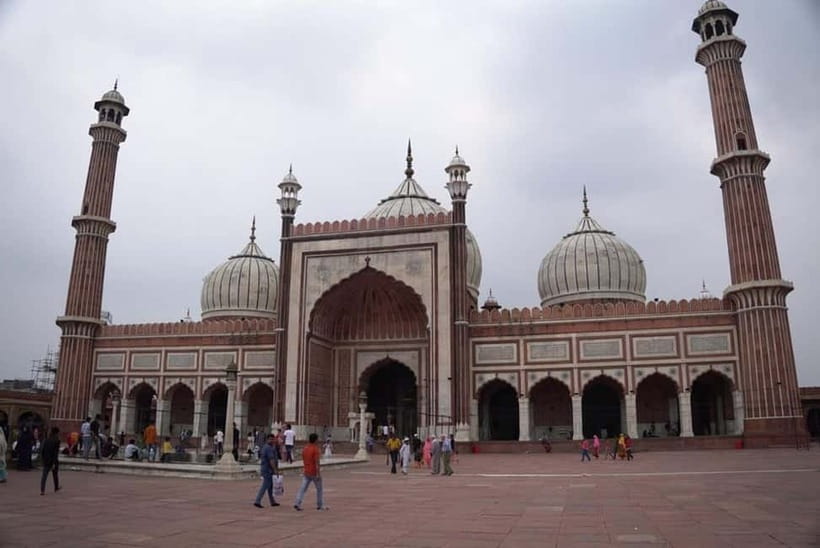
If you choose an Old Delhi option, your day starts with Jama Masjid. Expect a guided visit plus a walk, roughly 30 minutes. Jama Masjid is one of those places that makes you sit up and pay attention immediately—not because it’s quiet, but because the scale and layout pull you into the place. Your guide’s job is to keep it from becoming just a photo stop by explaining what you’re looking at and how this part of Delhi developed.
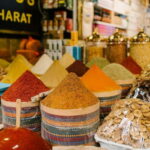
Next comes Chandni Chowk, with a walk that’s usually around 45 minutes. This is where you feel Old Delhi’s rhythm: narrow lanes, strong smells from the spice market area, and people doing everyday shopping. The tour structure helps you move through it without losing time—plus you’re not wandering with zero plan, which matters here.
Then you get the Red Fort (outside) pass-by. Since the stop is outside, don’t expect to go inside on this particular tour. But it’s still useful: you get a sense of scale from the right angle, and your guide can tie it to the city’s power and historical timeline.
My practical take: Old Delhi is intense. That’s why having a guide and driver is a real value. You’ll move faster, waste less energy, and you’ll know what you’re seeing instead of just surviving the crowd.
A calm pause at Raj Ghat before the big monuments
Old Delhi tour options typically include Raj Ghat for about 25 minutes, with guided sightseeing. This stop works well after the market area because it shifts the mood from loud and crowded to reflective and open.
Even if you’re not a deep-history person, Raj Ghat gives you a human anchor. You see a different side of Delhi—how the city remembers leaders and how public spaces can carry meaning without needing a ticket booth or a long wait.
If you’re sensitive to crowds, this is one of the better “breathing space” moments in the route. You’ll still be on a schedule, but you won’t feel rushed the way you might in markets.
New Delhi’s signature lineup: India Gate, Humayun’s Tomb, and the stepwell feel
When you choose New Delhi sights, the tour generally builds around major monuments and landscaped areas that are easier to navigate by car and walk.
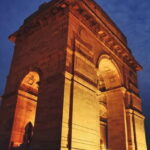
A classic early stop is India Gate. You’ll get a photo stop plus a guided visit around 20 minutes. India Gate is one of the best “first orientation” monuments in Delhi because it’s instantly recognizable and it frames the city’s grand, planned outlook.
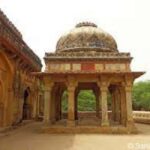
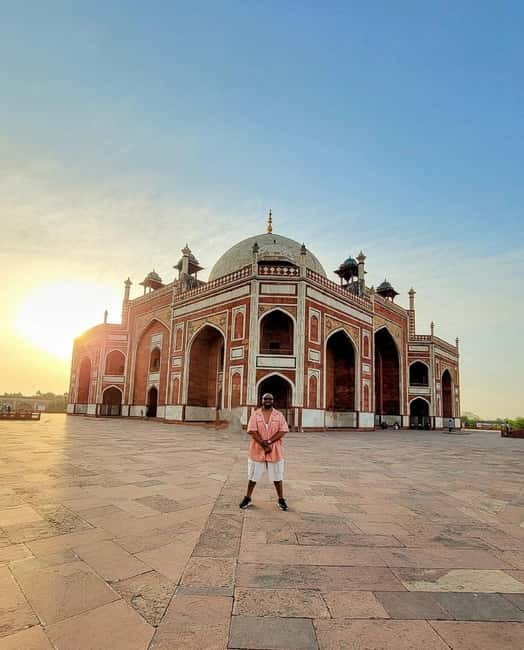
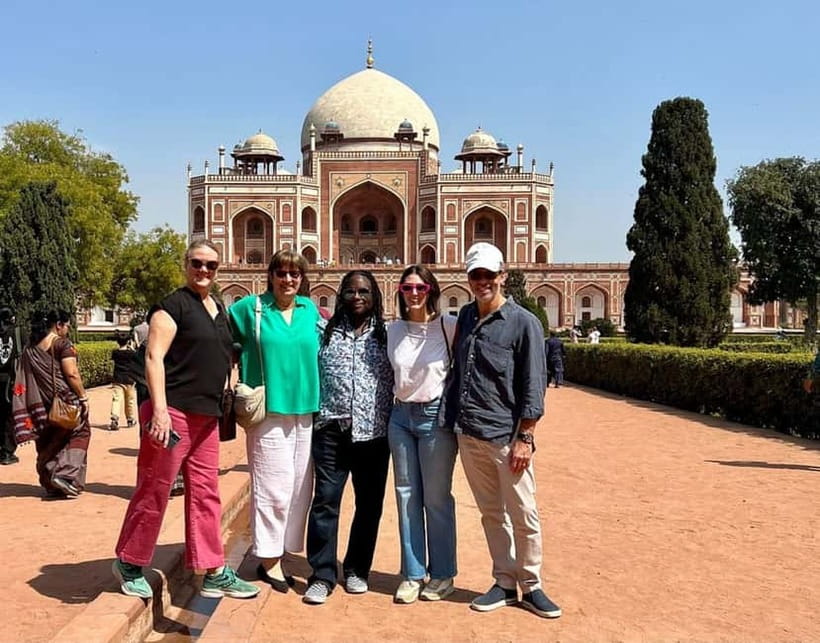
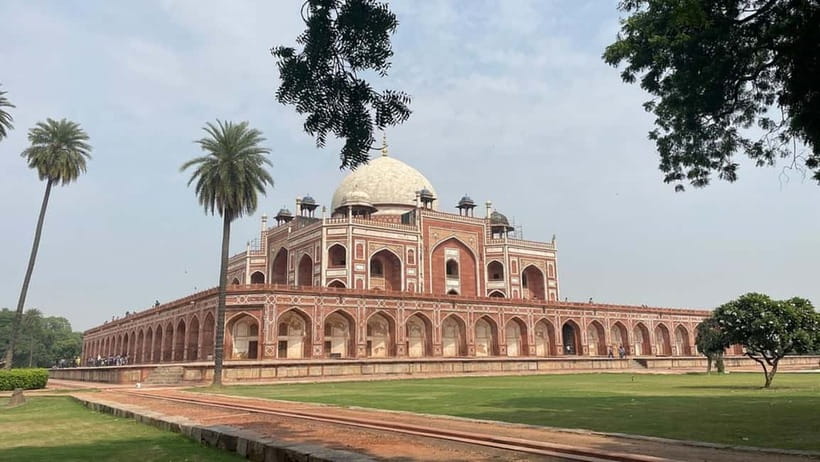
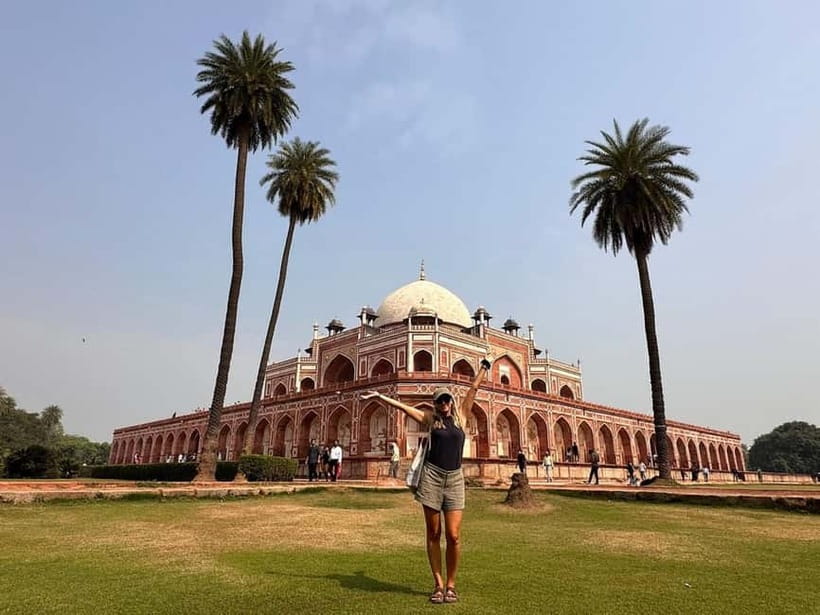
Then you move toward Humayun’s Tomb, usually a highlight. You’re looking at about 1 hour, with guided time and sightseeing plus photo moments. This is the point where Delhi’s story starts to look like architecture instead of just politics and religion. The layout and symmetry help you understand why Mughal design became such a big deal.
New Delhi also includes Lodi Garden, and it often pairs well with the tombs and formal buildings because it gives a little greenery and breathing room (even if you’re still following a schedule).
You may also encounter Agresan Ki baoli (a stepwell-style stop). Some guides and routes lean into this kind of “texture” in Delhi—less famous than the big tombs, but memorable because it shows how locals shaped water, shade, and daily life into stone.
My practical take: Humayun’s Tomb and the stepwell-style stop are a strong combo if you like places that reward looking carefully. They’re not just landmarks—you’ll leave with a better sense of how Delhi manages space and water across centuries.
Rashtrapati Bhavan, Lotus Temple, and Qutb Minar: religion meets monument scale
New Delhi’s later stops lean both spiritual and monumental.
You’ll typically see Rashtrapati Bhavan as a photo stop or pass-by. That’s a good use of time: you get the main sight without losing the day to entry logistics. It also helps set the contrast with older religious and imperial Delhi.
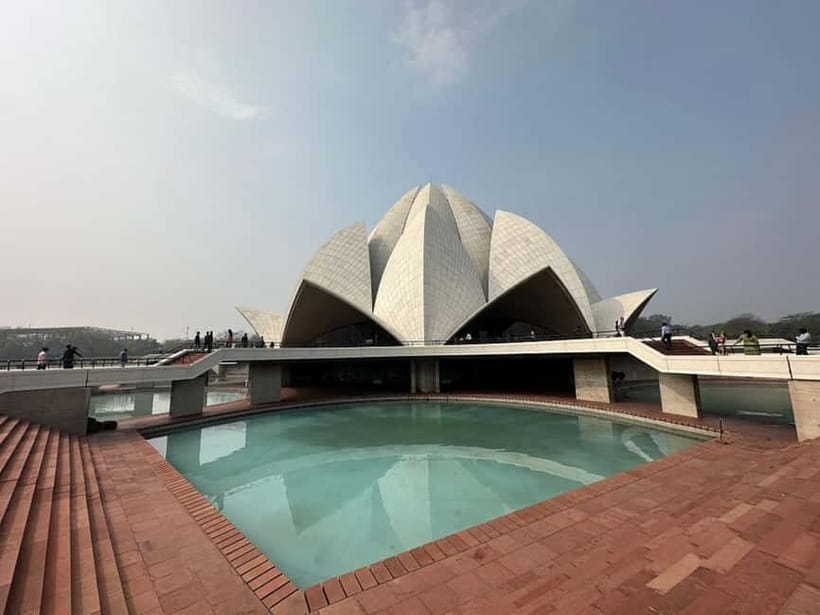
Next can come Lotus Temple with guided visit and around 30 minutes on the clock. Lotus Temple has an immediate visual identity, and your guide’s explanations help you understand why it draws people even if you’re only there for a short window.
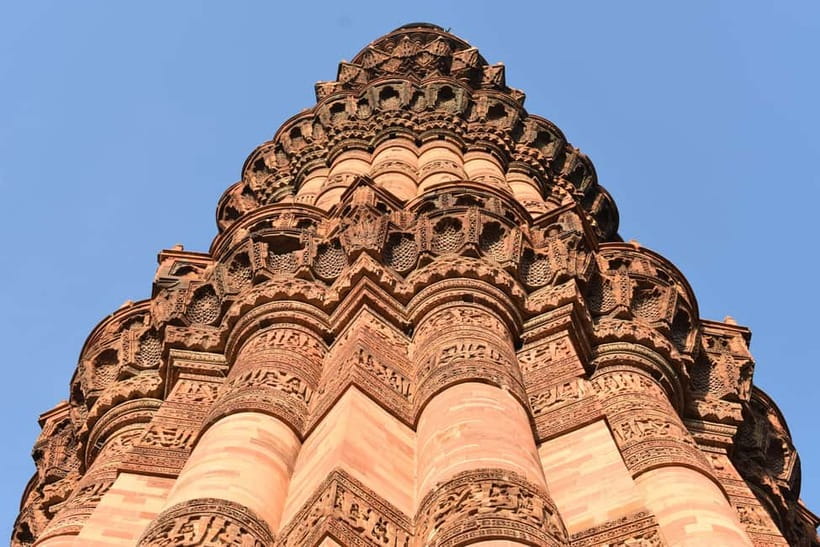
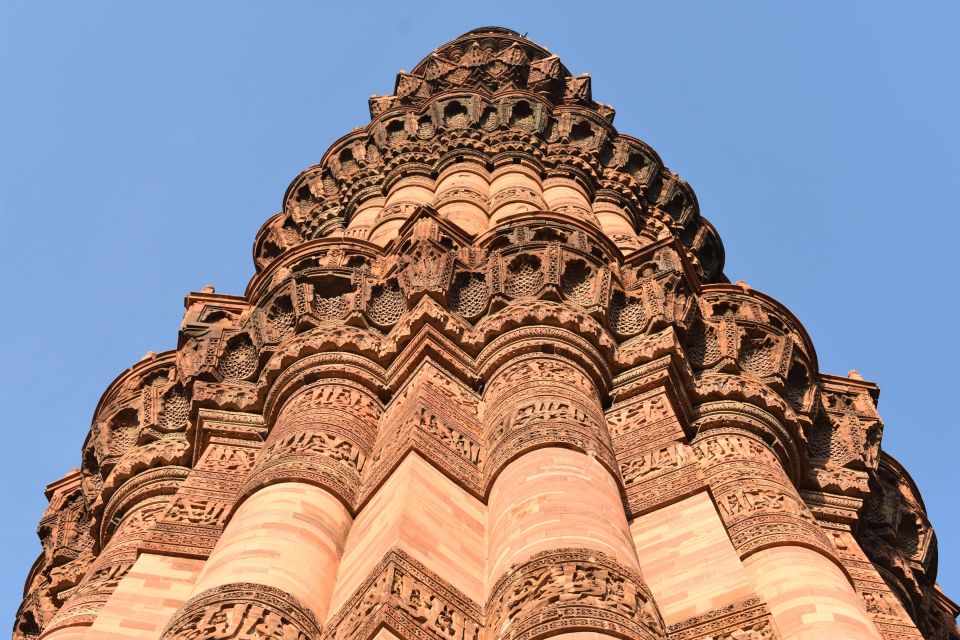
Then comes Qutb Minar. This one tends to get about 1 hour, with guided tour plus free time, shopping opportunities, and some walking. Qutb Minar is the kind of place where scale matters. Even from a short guided visit, you’ll feel the vertical grandeur and the way different eras overlap in one complex.
Quick reality check: You’ll likely be doing a lot of “see it now, move on next.” That’s the trade-off for covering Old and New Delhi efficiently.
You can also read our reviews of more tours and experiences in New Delhi



Outside passes vs inside visits: what you can and can’t expect

This tour structure matters more than you might think. Some stops are inside visits (like Jama Masjid and Humayun’s Tomb, and guided time at Qutb Minar), while others are outside or photo stop only (like Red Fort outside and Rashtrapati Bhavan pass-by).
Also, the tour includes guidance and skip-the-line style entry for what’s included, but monument entrance tickets aren’t included. Translation for you: if you want to go inside every possible site or add optional areas, you should budget extra for tickets.
On top of that, meals and drinks aren’t included. The good news is bottled water is provided, but you’ll need to plan lunch or snack breaks on your own.
Value and price: why this feels like a good deal at $10
At around $10 per person, this is priced for people who want structure more than luxury. The big value signals are:
- AC car + driver for the day (that alone costs a lot in most cities)
- a live guide with multiple language options
- a route that hits both Old Delhi’s signature chaos and New Delhi’s major monuments without you figuring out traffic yourself
- bottled water and guided time that helps you spend your hours well
The main “value adjustment” is what’s not included: entrance tickets and meals. If you add those, your total will rise. But you’re still likely saving compared to hiring separate guides or trying to self-plan multiple areas with uncertain timing.
My take: This is a smart buy if you’re time-limited and you want your first Delhi impressions to come with meaning, not just random sightseeing.
Comfort and smart prep: the small things that make your day easier
Delhi can go from comfortable to uncomfortable fast, especially when you’re combining walking with car time and market streets.
Bring:
- a passport or ID card
- comfortable shoes (you’ll walk through crowded areas and monument grounds)
- sunglasses (sun + dust + bright stone is a real combo)
One more note: the tour says it’s not suitable for pregnant women, so don’t force it if your needs change during the day.
If you’re choosing between half-day and full-day, think about your energy level. Old Delhi can feel intense even when it’s amazing. If you’re recovering from jet lag, a half-day might be the better starting point. If you want a full orientation, pick the 8-hour option that covers both Old and New Delhi.
Which option fits your style: Old Delhi half-day, New Delhi half-day, or the 8-hour combo?
Here’s how I’d decide:
- Choose Old Delhi if you want markets, Mughal-era religious landmarks, and a more human-scale view of Delhi. It’s the most sensory part of the route—especially with Jama Masjid and Chandni Chowk.
- Choose New Delhi if you want big architecture, memorials, and cleaner distances between stops. Humayun’s Tomb, India Gate, Lotus Temple, and Qutb Minar create a strong “city portrait” in a short time.
- Choose the 8-hour combo if you want Old-to-New contrast in one day and you don’t mind moving quickly. This is ideal for first-time visitors trying to make the most of one itinerary day.
Also watch your pickup/drop-off. You can be dropped back at options that include Noida, Gurugram, Delhi, or Aerocity, which is convenient if you’re staying outside central Delhi.
A quick note on guides: why names keep coming up for a reason
Different guides keep showing up in positive feedback, and that matters because your day depends on explanations and timing.
Some guides you may hear about include Asif, praised for connecting history with how Delhi functions politically and culturally. Ravi is another name that comes up for clear, helpful guiding in Old Delhi and for keeping things organized even in tight schedules. You might also get Joseph (mentioned for being kind and supportive) or Anil (praised for strong language skills). The driver names you might hear about include Daveen/Deevan, noted for safe driving and smooth navigation in traffic.
Even if you don’t know which guide you’ll get, the pattern is consistent: the best experience comes from a guide who explains clearly and adjusts pace to your questions.
Should you book this Delhi Old-and-New tour?
I’d book it if you:
- have limited time and want a guided route that covers the big Delhi hits
- like walking with context (not just random stop-and-photos)
- value an organized plan with AC transport and a real guide
- want Old Delhi and New Delhi in one go, with a choice of half-day or 8-hour format
I’d skip it or choose a different style of tour if you:
- want slow travel or deep time at one monument
- dislike market crowds and heavy foot traffic (Old Delhi can be a lot)
- don’t want to pay extra for entrance tickets later
If you’re trying to get your bearings in Delhi fast, this is one of the more practical ways to do it—especially because it balances religious sites, historic landmarks, and modern political architecture without turning your day into an endless taxi shuffle.
FAQ
How long is the Delhi Old and New tour?
The duration ranges from 3 to 8 hours, depending on whether you choose an Old Delhi option, a New Delhi option, or a combined route.
Where do they pick you up from?
Pickup is available from your hotel anywhere in Delhi, Gurgaon, or Noida, or from Delhi Airport. You can choose a pickup time between 7:30 AM and 4:00 PM.
What’s included in the price?
It includes hotel/airport pickup and drop-off, an air-conditioned car with driver, a live guide, and bottled water.
Are monument entrance tickets included?
No. Monument entrance tickets are not included, though the tour includes guide-led access approaches where applicable.
Which Old Delhi sights are covered?
Old Delhi coverage includes Jama Masjid, Chandni Chowk (with spice market walking), Red Fort (outside), and Raj Ghat.
Which New Delhi sights are covered?
New Delhi coverage can include Humayun’s Tomb, Lodi Garden, India Gate, Rashtrapati Bhavan (photo stop/pass-by), Agresan Ki baoli, Lotus Temple, and Qutb Minar.