REVIEW · AGRA
Agra: Monkey Safari Guided Walking Tour
Book on GetYourGuide →Operated by Fortunate Agra Tour · Bookable on GetYourGuide
Monkeys in Agra make you pay attention. This Agra Monkey Safari is a guided walking tour built for close, respectful wildlife viewing, plus real cultural context from a local expert. You’ll get a safety briefing first, then move through neighborhoods and temple areas where monkeys actually live alongside people.
I love the up-close observation time with a guide who can explain what you’re seeing, not just point at animals. I also like the small comfort details that keep the pace friendly, especially the included masala tea and water.
One drawback to plan around: the walk can feel harder during midday heat, and the tour is not a fit if you have mobility limits.
In This Review
- Key Things You’ll Notice on This Monkey Safari
- Why This Agra Monkey Safari Feels Different From Usual Sightseeing
- Pickup, Private Transport, and the Start-of-Tour Briefing
- Walking Through Temple Areas and Historic Lanes Monkeys Actually Use
- Monkey Observation Time: Langurs and Rhesus Macaques Up Close
- Behavior, Boundaries, and Keeping It Safe (Especially With Kids)
- Photo Stops, Street Views, and When the Best Moments Happen
- Tea, Lemon Water, and a Break With Local Flavor
- Cultural Stories: Hanuman, Legends, and Daily Coexistence
- Value for $54: What You’re Really Paying For
- Practical Tips That Make Your Walk Better
- Who This Monkey Safari Tour Is For
- Should You Book the Agra Monkey Safari Walking Tour?
- FAQ
- How long is the Agra Monkey Safari walking tour?
- What does the tour cost?
- Where does the tour start and end?
- Is the guide English speaking?
- Are you allowed to feed the monkeys?
- What wildlife can you expect to see?
- What’s included in the price?
- Is it suitable for mobility impairments or wheelchair users?
Key Things You’ll Notice on This Monkey Safari
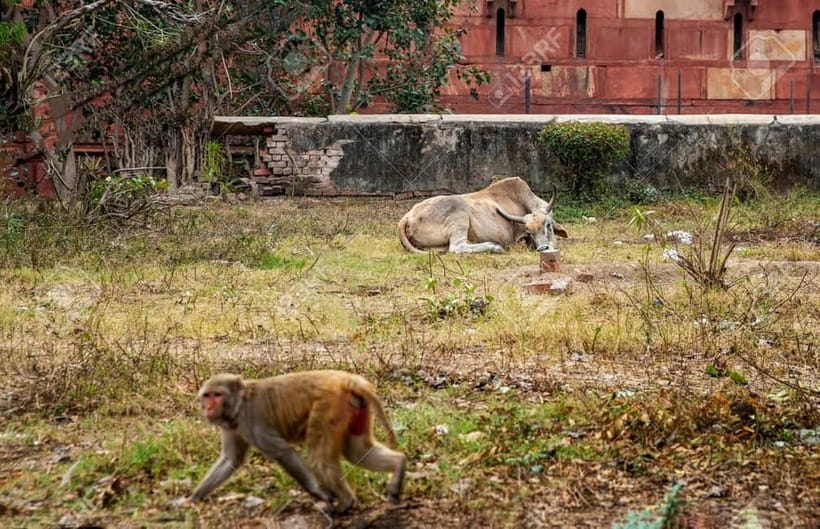
- A walking safari, not a zoo loop: you’re watching monkeys in an urban setting where they’re used to humans.
- Specific species with real behavior notes: langurs, rhesus macaques, and what they do throughout the walk.
- Safety comes first: you’ll get clear do’s and don’ts before anyone moves into monkey areas.
- Cultural stories tied to the monkeys: legends connected to Lord Hanuman and daily human–monkey coexistence.
- Photo-friendly timing and guidance: the guide helps you spot good moments and safe angles.
- A simple chai break: included tea or lemon water with a light snack, plus a relaxing pause.
Why This Agra Monkey Safari Feels Different From Usual Sightseeing
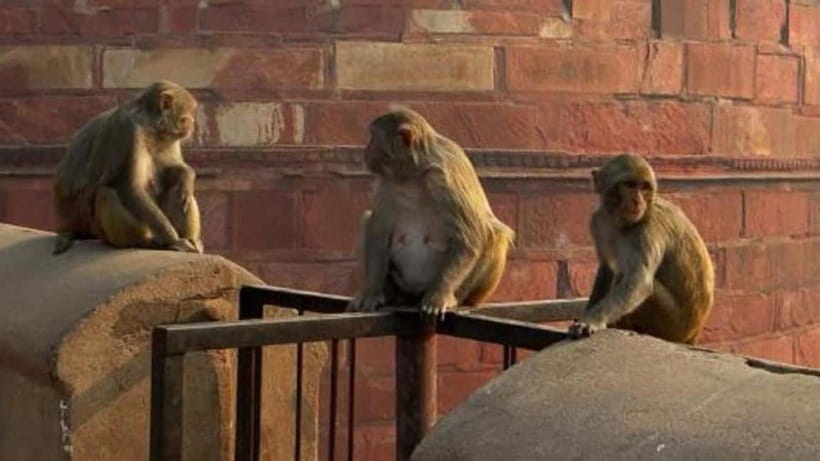
Agra is famous for grand monuments, but this tour takes you into the everyday world around them. Instead of treating wildlife like a spectacle, you’re learning how monkeys behave when they’re part of local life. That shift makes the experience more memorable because you’re not just watching—you’re reading the scene.
The best part is that the focus stays practical. You’ll learn how to look for signs of activity, what monkey behavior usually means, and why these animals end up in specific spots like temple areas and tight lanes.
If you enjoy street scenes, small backstreets, and watching nature adapt to cities, this is a fun change of pace. It’s also a great pick when you’ve already done the biggest-ticket sights and want something more personal.
You can also read our reviews of more walking tours in Agra


Pickup, Private Transport, and the Start-of-Tour Briefing
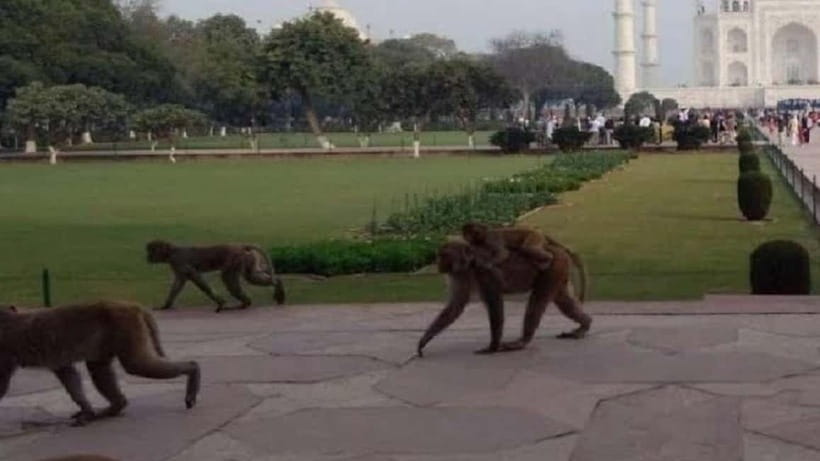
Your tour begins in Agra with pickup and drop-off, plus a private AC car for the full activity. That matters because you’re not trying to navigate the city on your own while you’re also gearing up for a walking wildlife route.
Before you head out, the guide gives an intro and safety tips tailored to monkey viewing in urban India. You’ll also get a quick picture of the route and which cultural highlights you’ll pass along the way. That structure helps a lot. You’ll spend less time wondering what’s coming next, and more time looking where it counts.
You’ll receive a mineral water bottle, and the tour runs about 3 hours total, so it’s short enough to fit into a packed Agra day. It’s also long enough to include real observation time plus a break.
Walking Through Temple Areas and Historic Lanes Monkeys Actually Use
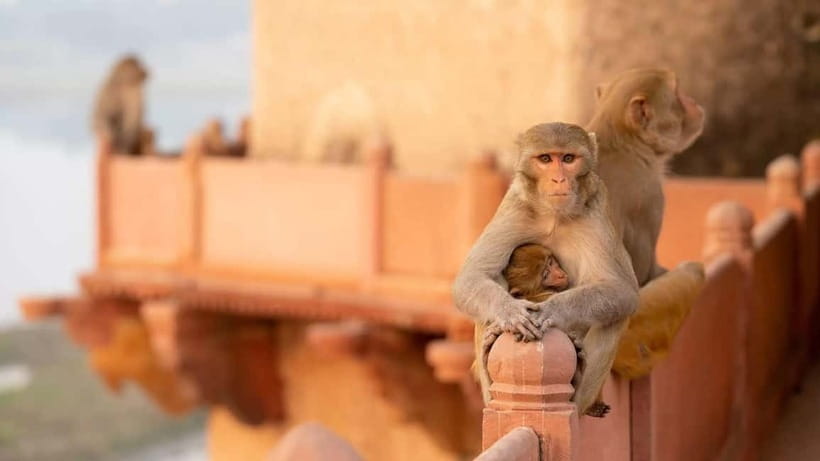
The walk goes through parts of Agra where monkeys are commonly spotted—think lesser-known lanes, rooftop-level viewpoints, and temple complexes. You’ll move through traditional-feeling streets where people live close to wildlife, and that’s where the tour gets interesting fast.
This isn’t about racing between landmarks. You’ll spend time on foot, catching sight of monkeys from safer distances and better angles, and learning why they choose certain spots. The guide also points out cultural details you might miss if you were just passing through.
A small downside: you’ll be walking. Even if you’re comfortable on foot, you’ll want good footwear because you’re on uneven surfaces at times and you may be pausing frequently for sightings and photos.
Monkey Observation Time: Langurs and Rhesus Macaques Up Close
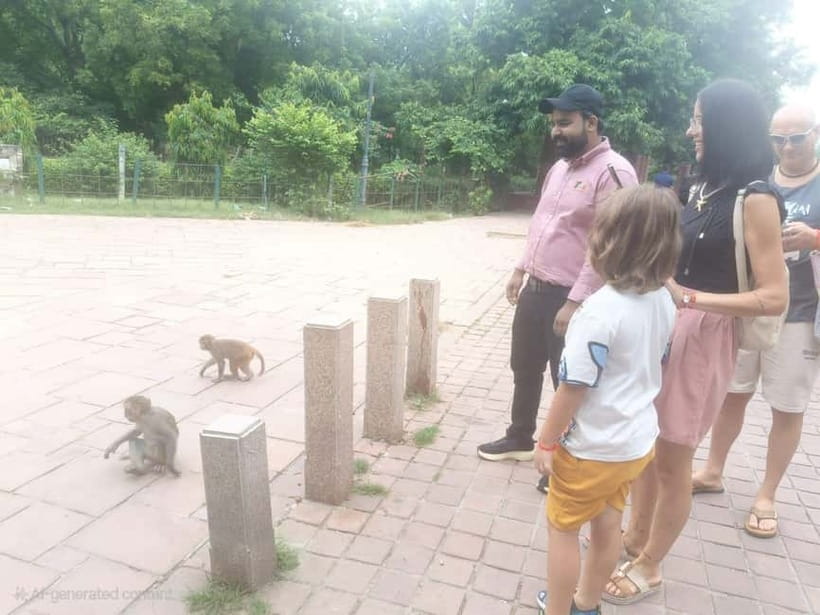
This is the core of the experience: guided time to watch monkeys behave naturally in their local environment. The tour emphasizes rhesus macaques and langurs, and you’ll learn how to tell the difference in behavior and how groups act when they’re moving around.
You’ll hear explanations about monkey social behavior, including how monkeys interact within their groups and how different individuals respond to people nearby. You’ll also learn about feeding habits and what it means for monkeys when food is accessible in a city.
One important note: the guide will not allow you to feed them. That’s a key part of keeping things safe for you and humane for the animals. Instead, focus on observation: body language, movement patterns, and where the monkeys are looking.
If you want that sense of nature in the middle of the city, this observation block is where it clicks.
Behavior, Boundaries, and Keeping It Safe (Especially With Kids)
The tour is built around safety, and you’ll feel that from the start. Your guide gives monkey behavior and safety tips before the walking route begins, which sets expectations for how close (or not close) to get.
Since you’re in areas where monkeys live around humans, the “rules” aren’t random. They’re there because monkey behavior can change quickly depending on activity levels, proximity, and the group’s mood. The guide helps you understand what to do so you can stay calm, stay aware, and avoid unnecessary conflict.
This is also the point where it helps to bring the right mindset. You’re not there to treat monkeys like a petting zoo. You’re there to learn their rhythms. With the guide managing the situation, people in the group can still watch from practical spots and get good photos without risky behavior.
You can also read our reviews of more guided tours in Agra




Photo Stops, Street Views, and When the Best Moments Happen
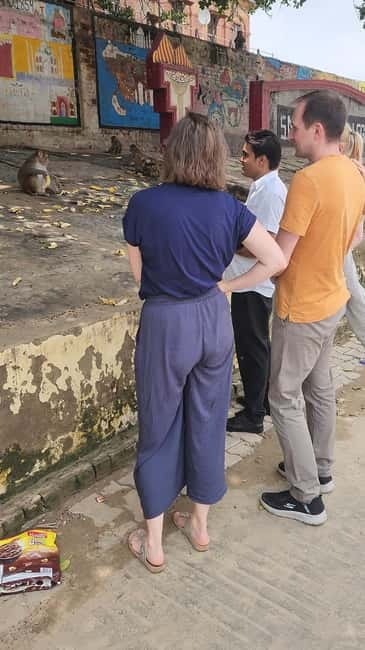
You’ll get ample time for wildlife and street photography, and you won’t just be left to figure it out alone. The guide helps spot moments and shows you safer angles for taking photos, including where to stand while monkeys are active nearby.
The tour also includes scenic walking time and photo stops along the way, which helps break up the route so the safari doesn’t feel like one long chase for a single sighting.
Timing can make a difference. The tour experience feels best when monkeys are more active, which is often easier earlier or later in the day than right at the hottest point. If your schedule allows, plan for that kind of energy.
And if you’re traveling with a camera, think in terms of patience. In monkey watching, the “peak action” can happen in small bursts—your job is to be ready, not to sprint.
Tea, Lemon Water, and a Break With Local Flavor
About midway, you’ll pause for a refreshment break. You’ll get chai or lemon water with a light snack, often in a local spot where you can look around and reset.
This stop isn’t just about food. It’s what keeps the 3-hour format comfortable. When you’re walking through active monkey areas, your senses are on high alert, and a short break lets you breathe and regroup.
The tea is a standout detail—spiced, warm, and simple in the way you want on a walk day. It also gives you a moment to talk with your guide, ask questions, and connect what you just learned about behavior with what you’ll look for next.
Cultural Stories: Hanuman, Legends, and Daily Coexistence
What makes this tour more than wildlife spotting is the cultural layer. The guide shares local legends involving monkeys, including stories connected to Lord Hanuman, the monkey god.
You’ll also learn how locals live alongside monkeys and what that coexistence looks like day to day. The focus stays practical: how people protect food and homes, and how monkey behavior shapes daily routines in areas where monkeys are a regular presence.
This part matters because it explains the “why” behind the animal sightings. Monkeys aren’t random in temple lanes. They show up where conditions support them—food sources, shelter, and familiar human rhythms.
If you like travel that connects people, beliefs, and the street scene, this is one of the most rewarding parts of the tour.
Value for $54: What You’re Really Paying For
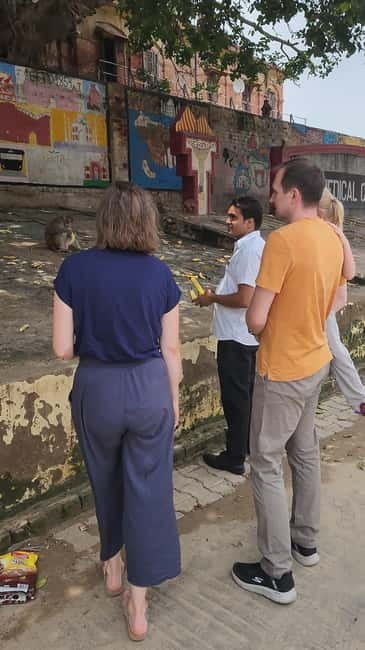
At $54 per person for about 3 hours, this tour may look like a niche activity. The value is in what you get bundled together and the kind of guidance you receive.
Here’s what’s included:
- pickup and drop-off in Agra
- private AC car
- a professional English live guide
- mineral water bottle
- masala tea
- all toll taxes and parking
So you’re paying for more than a walk. You’re paying for transport comfort, a trained guide who can interpret behavior and culture, and a guided route that helps you safely enjoy monkey sightings in the right places.
It also saves you hassle. Instead of trying to coordinate with separate transport and a guide, it’s handled as one clean package.
If you hate wasting time, you’ll likely feel this is a smart use of a limited Agra day. And if you want something more personal than the big monument rush, it’s a good value.
Practical Tips That Make Your Walk Better
If you want to get the most out of the safari, plan around heat and patience. Midday can be intense, so if you’re flexible, aim for earlier or later hours when activity may feel higher and the walk is more comfortable.
Wear closed-toe shoes with solid grip. You’ll be on foot, pausing for photos, and moving through lanes where the ground can be uneven.
Bring a small personal comfort item, like sunscreen or a hat, since your time outside can be substantial even though the tour is only 3 hours. Keep your phone ready for quick bursts of action, because monkeys often move in short flurries.
Most of all, follow the guide’s safety instructions. If you do that, you’ll get better sightings without turning the experience into chaos.
Who This Monkey Safari Tour Is For
This is a great fit if you:
- want an active walking experience in Agra that’s different from monument hopping
- enjoy wildlife viewing paired with local context
- like photography and want guidance for safe angles
- want a guide who explains behavior and not just locations
It may not be the best choice if you have mobility impairments. The tour materials list wheelchair accessibility, but they also state it is not suitable for people with mobility impairments. Since this is a guided walking route in lively areas, you should treat it as a “good walking day” tour and confirm suitability directly.
Should You Book the Agra Monkey Safari Walking Tour?
I think you should book if you want a short, guided experience that blends real animal behavior, culture, and practical sightseeing. It’s especially worth it on days when the big sights already feel like a full schedule and you want something more human-scale.
Before you commit, check two things: your comfort with walking in warm weather, and your comfort level with being around wild animals that are used to human presence but still unpredictable.
If you’re excited by the idea of learning how monkeys live in Agra—why they show up where they do, how they behave, and how locals manage coexistence—this is a smart add-on.
FAQ
How long is the Agra Monkey Safari walking tour?
The tour lasts 3 hours.
What does the tour cost?
The price is $54 per person.
Where does the tour start and end?
Pickup and drop-off are in Agra.
Is the guide English speaking?
Yes, the live tour guide is provided in English.
Are you allowed to feed the monkeys?
No. Guests will not be allowed to feed the monkeys, though the guide may discuss feeding habits as part of the tour.
What wildlife can you expect to see?
The tour focuses on observing langurs, rhesus macaques, and other native species in areas where monkeys are commonly found.
What’s included in the price?
Included are pickup and drop-off, a private AC car for the full tour, a professional tour guide, mineral water bottle, masala tea, and all toll taxes and parking.
Is it suitable for mobility impairments or wheelchair users?
The tour is marked wheelchair accessible, but it also says it is not suitable for people with mobility impairments. Because it’s a walking safari, you should verify fit with the provider.