REVIEW · NEW DELHI
Delhi: Old and New Delhi One Day Tour
Book on GetYourGuide →Operated by Chaman Duggal Private Tours · Bookable on GetYourGuide
One day can cover two Delhis. I love the Old Delhi cycle rickshaw and the UNESCO stops that connect prayer, power, and empire in a single flow, guided by pros like Santid and Sonu. The trade-off: it’s a long day in real traffic, and some big sights can be closed depending on the weekday.
I also like that this tour is built around sensible logistics: hotel pickup (optional), an air-conditioned private car, and a live guide who keeps the pacing workable. If you want a first-day feeling of Delhi fast, this hits that goal without you needing to plan every turn.
One more consideration: food isn’t included, and market time means you’ll want comfortable shoes and the patience for crowds. Also note the dress rule—shorts are not allowed, and that can matter if you’re sweating through the day.
In This Review
- Key Highlights at a Glance
- Why This 8-Hour Delhi Circuit Works (Even With Traffic)
- First Stop: Red Fort Outside Views and the Jama Masjid Connection
- Chandni Chowk by Cycle Rickshaw: Fast Views, Real Senses
- Kinnari Bazaar, Textile Lanes, Nai Sarak Books, and Khari Baoli Spices
- Raj Ghat: A Calm Moment in a Busy Day
- Humayun’s Tomb and Qutub Minar: Two UNESCO Anchors
- New Delhi Landmarks: India Gate, Parliament Area, and Temple Time
- Price and Value: What $8 Per Person Actually Means
- Private Car Comfort: Safety, Pace, and the Guide Who Manages the Day
- Timing Tips: How to Plan Your Day Around Closures
- Who This Tour Fits Best (And Who Might Skip It)
- Should You Book This Delhi Old and New One-Day Tour?
- FAQ
- How long is the Delhi Old and New Delhi one-day tour?
- Is hotel pickup and drop-off included?
- Where do I meet the guide if I don’t choose pickup?
- What languages is the live guide available in?
- Is the cycle rickshaw ride included?
- Are entrance tickets included?
- Is food included in the price?
- What should I bring?
- Are there any dress restrictions?
- What places close on Mondays, and what closes on Sundays?
- Is there a cancellation policy and a way to pay later?
Key Highlights at a Glance
- Cycle rickshaw through Chandni Chowk if you choose the option, right where people actually shop day to day
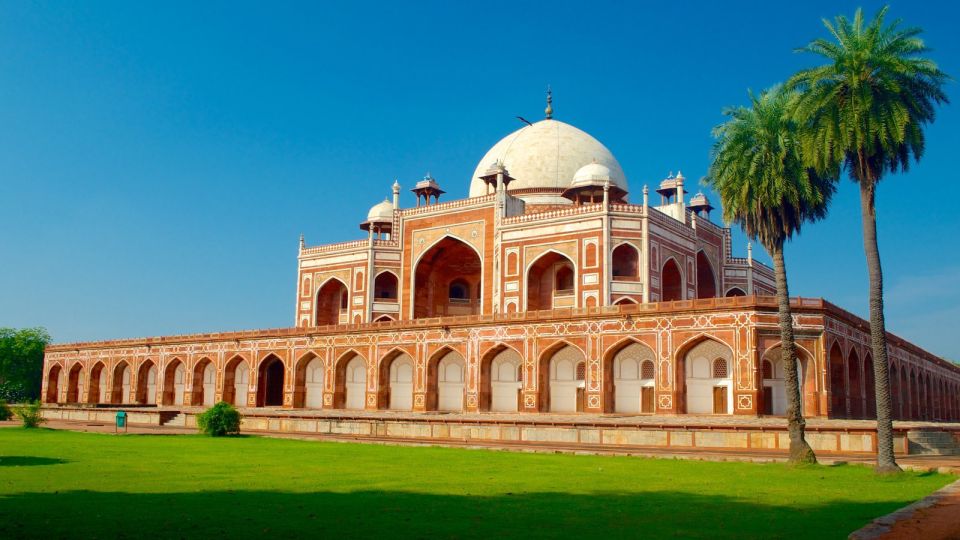
- UNESCO World Heritage Sites spread across Old and New Delhi, including Qutub Minar and Humayun’s Tomb
- Old Delhi markets with clear variety: wedding market, textiles, books, and spices in one stretch
- A strong guide-driver pairing with English-speaking guides like Ramesh, Rumy, and Davindra, and careful drivers such as Ajay Singh and Bobby
- Smart stops for context like Raj Ghat, so the day isn’t only sightseeing
- Weekday closures can shift the plan, especially Red Fort, Lotus Temple, and Akshardham on Mondays
Why This 8-Hour Delhi Circuit Works (Even With Traffic)
Delhi travel is mostly about timing. This tour’s value is that it groups Old Delhi and New Delhi highlights into one guided loop, with a private car taking the pressure off between neighborhoods. You don’t have to figure out routes, ticketing, or which sights are worth prioritizing on your only free day.
The experience is also designed for real pacing. You’ll see major landmarks, then balance them with market wandering where you can browse at your own comfort level. Many people also like that the guides can adjust the day based on stamina, interests, and practical needs—especially helpful if it’s hot, you’re jet-lagged, or you want more photo time.
That said, set expectations: 8 hours is the official duration, but Delhi traffic can stretch it. People have reported days running closer to 10–12 hours when the roads are rough. If you’ve got a dinner reservation far away, plan a buffer.
You can also read our reviews of more tours and experiences in New Delhi

First Stop: Red Fort Outside Views and the Jama Masjid Connection
The day typically starts with a trip to Red Fort for an outside view. Even without focusing on entering the complex, it’s an instant history lesson: this is where Delhi’s power looks both official and imposing. Your guide should point out the architectural cues so you don’t just take a photo—you understand what you’re looking at.
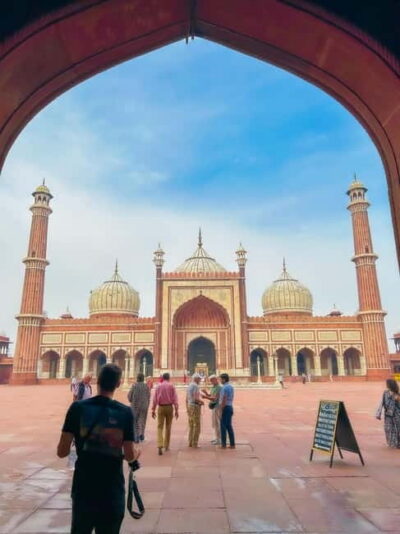
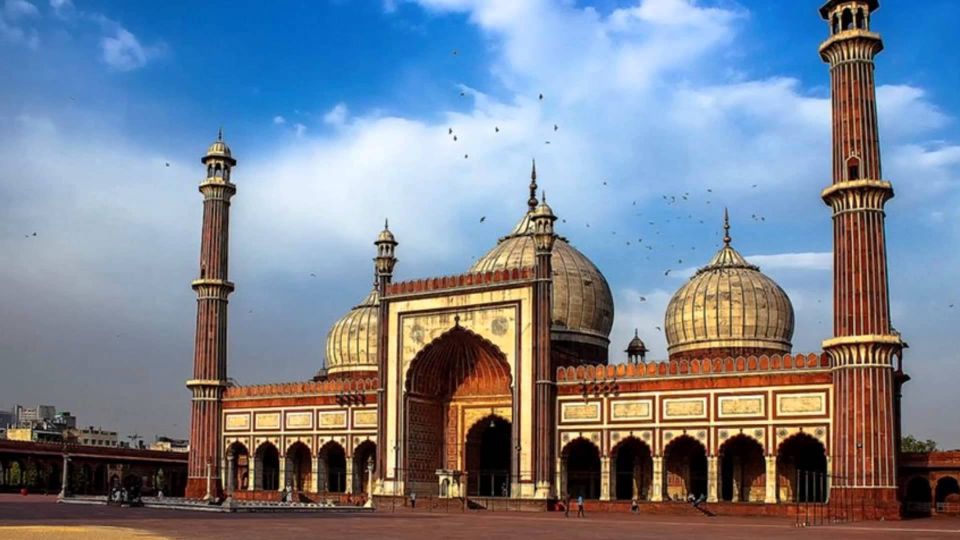
From there, you head to Jama Masjid, Old Delhi’s main mosque. This stop matters because it shifts the story from royalty and empire into faith and community life. The scale is obvious, but the guide helps you see what that scale means in practice: where people gather, how spaces are used, and why the mosque is such a central landmark.
Practical note: if you’re visiting on a day when Red Fort closes (Mondays), the tour will have to work around it. You’ll still get Old Delhi context, but don’t build your whole day around one interior visit.
Chandni Chowk by Cycle Rickshaw: Fast Views, Real Senses
One of the most fun parts of this tour is the cycle rickshaw ride through Chandni Chowk, if you choose that option. This is the moment the day becomes more than monuments. You’re moving through narrow streets where shop life, bargaining, and daily routines collide—without you needing to navigate it alone.
Here’s the smart part: you get the contrast. You’ll have seen Delhi’s grand buildings, then you drop into a street-level world where commerce is the main language. It’s also where your guide can help you interpret what you’re seeing—wedding fabrics versus spice stalls, or why certain lanes feel more bookish and others more wholesale.
Consider the basics. The streets can be crowded and busy, so keep your phone secure and expect dust and smells. If you’re sensitive to heat, ask your guide about timing and shade breaks.
Kinnari Bazaar, Textile Lanes, Nai Sarak Books, and Khari Baoli Spices
After the mosque-and-market setup, the day turns into shopping culture without turning into a forced shopping tour. You’ll spend time around places like Kinnari Bazaar (a well-known wedding market), plus nearby areas for textiles and other specialties.
Then come two stops that make Delhi feel uniquely itself:
- Nai Sarak, known for books and used-catalog browsing. It’s a good place to slow down and scan titles rather than only shopping for souvenirs.
- Khari Baoli, the spice market area. This is where the day’s sensory side ramps up, and your guide can help you understand how the spice economy works and what you’re actually looking at.
A note on expectations: this is not a curated museum walk. Market time is crowded and narrow by nature. Your best move is to treat it like browsing with a purpose. Ask your guide what’s worth seeing quickly, then linger where you care.
Also, for anyone who’s prone to getting swept along, look for how guides handle pacing. Several guide reports highlight that they’ll offer choices rather than marching you through every stall.
Raj Ghat: A Calm Moment in a Busy Day
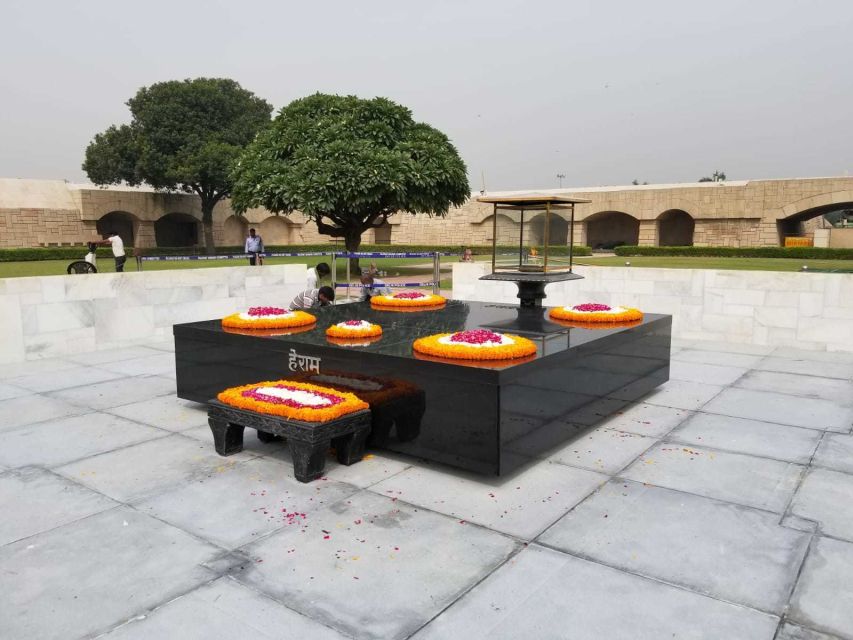
After the sensory overload of Old Delhi markets, Raj Ghat is a different kind of stop: a memorial space tied to Mahatma Gandhi. This is a “reset” point, the kind of place that makes the rest of the day feel more grounded.
Even if you’re not an expert on India’s modern history, the guide can frame why Raj Ghat matters in the national story. You’ll likely notice how the tone changes in the space—less commercial energy, more reflection.
If you’re traveling with limited time, this kind of stop is worth it. It adds meaning beyond architecture and photography, and it keeps the tour from feeling like only sightseeing checkboxes.






Humayun’s Tomb and Qutub Minar: Two UNESCO Anchors
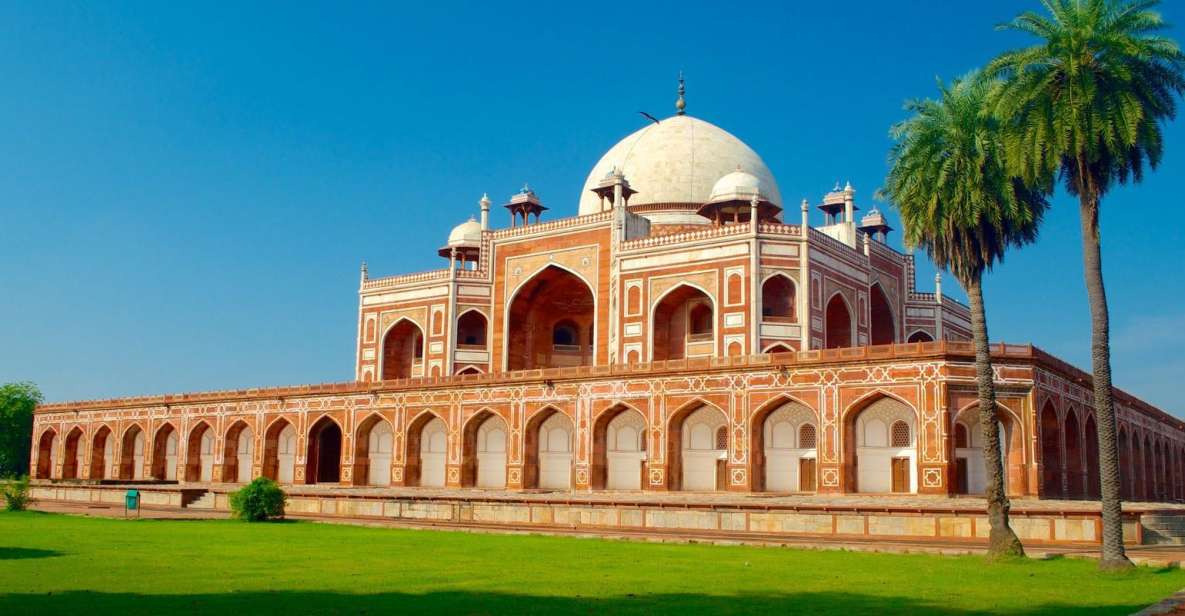
New Delhi’s UNESCO highlights bring the day back to monumental scale. Humayun’s Tomb is the first major “wow” stop for architecture lovers. It’s a chance to see how royal tomb design shaped later styles, and your guide should connect visual details to historical reasons.
Then you go to Qutub Minar, another UNESCO World Heritage site. This is the kind of landmark where you feel the scale in your chest—vertical reach, strong forms, and a setting that makes the structure impossible to ignore. Your guide should explain what makes it significant beyond the photo angle.
If you’re traveling on a Monday, remember closures can affect scheduling. And if you’re coming on a Sunday, Old Delhi’s Chandni Chowk market closes, which can shift the market portion or the feel of the rickshaw segment.
New Delhi Landmarks: India Gate, Parliament Area, and Temple Time
Later, the tour typically includes major New Delhi landmarks like India Gate and the Houses of Parliament area. This part gives context for modern governance and national identity. You’re not just spotting statues—you’re getting a guided sense of where national stories live in the cityscape.
Then there’s the temple moment. You may see Lotus Temple, and depending on the day, possibly Akshardham as well. The key practical detail is closures: Lotus Temple and Red Fort close on Mondays, and Akshardham is also listed as closed on Mondays. So if your travel dates land on a Monday, your day plan will need adjustment.
The best way to handle temple visits is to treat them as cultural etiquette moments, not only architecture stops. Wear respectful clothing (again, shorts are not allowed), and let your guide set expectations for what to do and where to stand.
Price and Value: What $8 Per Person Actually Means
At around $8 per person for an 8-hour private-style day, the value is strong—if you understand what’s included and what’s optional. The big inclusions are the live tour guide, hotel pickup and drop-off, an air-conditioned private car with driver, plus mineral water.
Two cost areas can vary depending on the option you choose:
- Rickshaw ride: included only if you select it
- Entrance tickets: included only if you select them
Food is the one clear “no.” You’ll likely stop for lunch or get restaurant suggestions, but you’ll pay for your own meal. One example from guide-driven restaurant stops includes places like Lazeez Affaire, which suggests the lunch price can range widely.
So how do you judge value? For me, it comes down to this: you’re paying for reduced hassle and a full-day structure that strings together Old and New Delhi highlights efficiently. If you’re a solo traveler or you only have one day, that’s where the value really shows.
Private Car Comfort: Safety, Pace, and the Guide Who Manages the Day
Delhi’s roads can be intense, and a good driver makes a real difference. A lot of guide-driver pairings people mention are heavy on safety and smooth handling through traffic. Names like Ajay Singh, Jitendra, and Bobby come up often, along with the general point that the car is kept clean and comfortable.
This tour also benefits from the guide’s role beyond narration. In practical moments—heat, crowding, closures, or stamina—the guide can reshape the plan. People have mentioned itinerary edits for mobility needs, plus sensible decisions about whether to buy tickets to avoid wasting time or money.
I also like the “avoid regret” style. If an entrance ticket is optional and the guide can explain what it will add (or not add), you can choose. That’s especially useful in a city where time is your scarcest resource.
Timing Tips: How to Plan Your Day Around Closures
Delhi can throw curveballs. Before you lock in travel plans, check weekday effects:
- Mondays: Akshardham, Lotus Temple, and Red Fort close
- Sundays: Chandni Chowk market closes
If your day hits one of those, your guide should pivot. But you should still plan for the possibility of fewer “inside” moments or different market emphasis.
Also budget for walking and getting in and out of vehicles. The schedule mixes quick exterior views and guided stops, plus market wandering. If you’re sensitive to long days, choose the option that gives you more guided time and less aimless searching.
Who This Tour Fits Best (And Who Might Skip It)
This tour is ideal if you want:
- First-day orientation across both Old and New Delhi
- Market time with guidance, especially for book, spice, and wedding-related shopping areas
- A setup where someone else handles the route, ticket lines (when included), and the pacing
It may be less ideal if:
- You hate long days in traffic and prefer a slower neighborhood-by-neighborhood approach
- You only want monument interiors and not market life or exterior views
- Your schedule is tight for evening plans, because the day can run long
One more thing: it’s a private group, and that helps a lot with comfort and flexibility. If you’re traveling as a couple or with friends, it’s easier to make the day match your style.
Should You Book This Delhi Old and New One-Day Tour?
If you’ve got one day in Delhi and you want the city’s two faces—historic Old Delhi streets and New Delhi’s UNESCO-heavy landmarks—this is a strong, practical choice. The mix of market wandering, rickshaw option, and major monuments means you won’t leave with only photos and no context.
I’d book it if you value organization and a guide who can steer you through crowds and decisions, especially if you’re visiting on a weekday that keeps the key sights open. I’d think twice if your trip includes a Monday and you only care about specific monument interiors, or if traffic-late evenings will ruin your schedule.
Bottom line: for the price level and the amount you cover, it’s a good deal—just go in ready for a full day, smart footwear, and flexible priorities.
FAQ
How long is the Delhi Old and New Delhi one-day tour?
The duration is 8 hours.
Is hotel pickup and drop-off included?
Yes. Hotel pickup and drop-off are included, and pickup can be optional from anywhere in Delhi.
Where do I meet the guide if I don’t choose pickup?
Your guide will wait at Karol Bagh Metro Station at Gate 1 with a sign with your name on it.
What languages is the live guide available in?
The live tour guide is available in English and Hindi.
Is the cycle rickshaw ride included?
It is included only if you select the option for a rickshaw ride.
Are entrance tickets included?
Entrance tickets are included only if you choose the option that includes them. The tour also notes you can skip the ticket line.
Is food included in the price?
No. Food is not included.
What should I bring?
Bring your passport or an ID card.
Are there any dress restrictions?
Yes. Shorts are not allowed.
What places close on Mondays, and what closes on Sundays?
On Mondays, Akshardham, Lotus Temple, and Red Fort close. On Sundays, the Chandni Chowk market closes.
Is there a cancellation policy and a way to pay later?
The tour offers free cancellation up to 24 hours in advance for a full refund, and there is a reserve now & pay later option.