REVIEW · AGRA
Agra: Street Food Walking Tour, Spice Market, & Tuk-tuk Ride
Book on GetYourGuide →Operated by Classic Tours India · Bookable on GetYourGuide
Old Agra tastes better with a guide. I love the street-food sampling across classic Agra bites, and I love the tuk-tuk ride that gets you into the old-city lanes fast. One catch: plan on a real walk (around 90 minutes total), plus some crowded-market time.
With guides like Farmaan or Amir leading in English or Spanish, this feels less like sightseeing and more like moving through everyday Agra—temples, mosques, markets, tea stops, and all. You’ll just want to match the dress code since you visit religious sites, and keep your expectations clear about snack size and any shop stops.
In This Review
- Key things you’ll remember
- Old Agra, not the Taj-area script
- Price and value: $14 is about transport plus a guide
- Meeting up in a tuk-tuk: timing, traffic, and comfort
- Kinari Bazaar: jewelry, textiles, and learning how to wander
- Jama Masjid and Mankameshwar Temple: two faiths, one walk
- Rawatpara spice market: how it smells before it tastes
- Seth Gali and the snack stops: where Agra flavor actually lives
- How the street food works: sampling strategy that saves your stomach
- Shopping and craft stops: useful, but don’t let it steer the day
- Safety, dress, and who should skip this
- Who this tour fits best
- Final call: should you book it?
- FAQ
- How long is the Agra Street Food Walking Tour, Spice Market, and Tuk-tuk ride?
- How much does the tour cost?
- What is included in the price?
- Are monument entrance tickets included?
- Are drinks included?
- When does the tour usually start?
- What should I wear or bring?
Key things you’ll remember
- Old Agra lanes, not the Taj bubble: You get away from the main tourist zone and into local streets.
- Mosque + Shiva temple on foot: Jama Masjid and Mankameshwar Temple are grouped in a walk.
- Spice market aromas and color: Rawatpara delivers the smell of Indian spices before you even start eating.
- Tea in a clay pot: A classic pause during the food and market wandering.
- Snacks that can cover dinner: You sample multiple items, so pace yourself.
Old Agra, not the Taj-area script
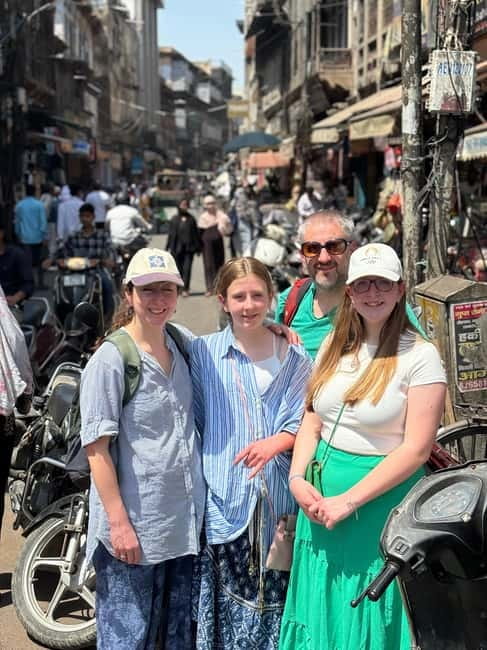
Agra has a famous spotlight. This tour is for the moments that happen when that spotlight fades: narrow lanes, shopfront conversations, the smell of spice powder in the air, and the simple comfort of local snacks you’d never pick confidently on your own.
What makes it feel different is the mix of faith and food. You’re not only shopping or only eating. You walk past big religious landmarks—then you move into everyday commercial life, where people are buying jewelry, textiles, and packaged spices, and street vendors are running their lines like clockwork.
And yes, you’ll get the energy level. Some parts of Old Agra are chaotic-looking to outsiders. The good news is you’re not handling it solo. A local guide helps you read what’s going on and keeps your route sensible.
You can also read our reviews of more walking tours in Agra

Price and value: $14 is about transport plus a guide
At about $14 per person for a 2–3 hour experience, the value is less about “a full meal” and more about getting three things covered:
- Hotel pickup and drop-off (you don’t waste time figuring out where to meet)
- A private local guide who can explain what you’re seeing
- Tuk-tuk transfers so you don’t spend the whole time stuck in crawling traffic or lost on foot
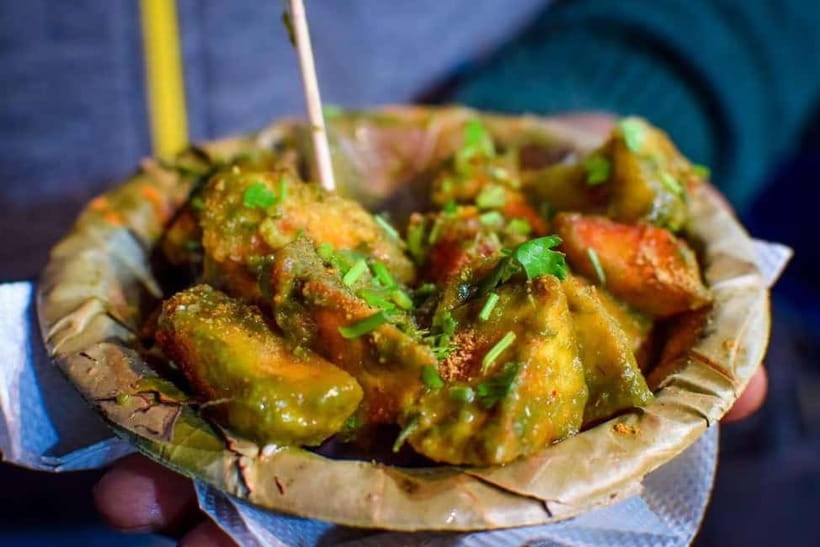
Street food snacks are included only if you select that option, and the tour generally focuses on samples rather than heavy courses. Drinks are not included, and monument entrance tickets aren’t included either. That matters because it shapes how you should budget: bring a little extra for tea, bottled water, or any entrance fees you decide you want.
Still, for a first evening in Agra—or for filling the hours between major sights—this is good value. You’re buying navigation, context, and access to food you’d otherwise have to guess about.
Meeting up in a tuk-tuk: timing, traffic, and comfort
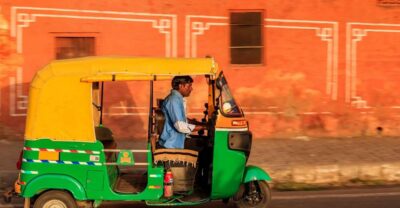
This tour is built around movement. You’ll get picked up in Agra by tuk-tuk and then hop between sights. The ride is part of the fun—and also the reality of Agra traffic. In reviews, people describe the ride as both exhilarating and a little intense. That’s normal here, so don’t treat it like a chill city tour bus.
The schedule also matters. The suggested start time shifts by season:
- Winter: roughly 2 p.m. to 4 p.m.
- Summer: roughly 4 p.m. to 6 p.m.
Plan for evening light on the temples and for market energy that ramps up as the day cools. If you’re visiting during a hot stretch, wear breathable clothes under the modest dress rules.
Kinari Bazaar: jewelry, textiles, and learning how to wander
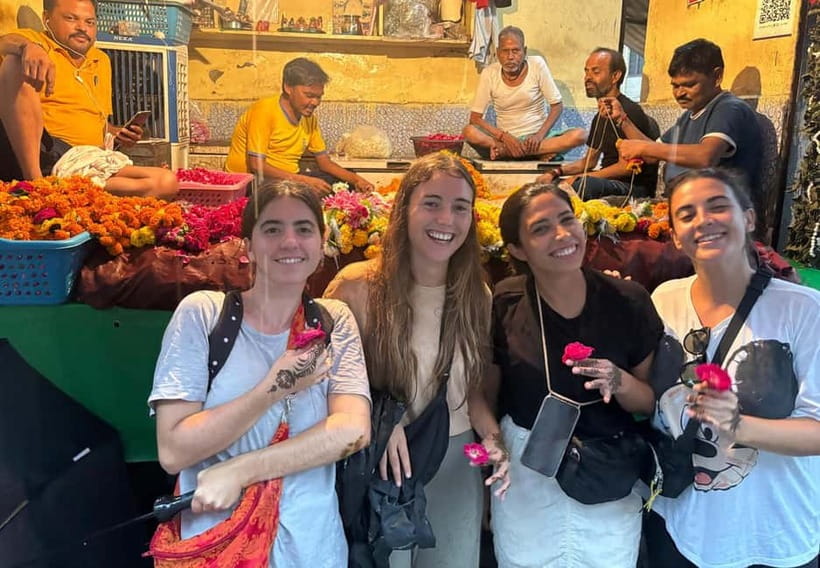
You start in a market zone that feels like a sensory warm-up. Kinari Bazaar is known for traditional jewelry, textiles, and handicrafts. Even before you buy anything, you learn how the market works:
- narrow shop fronts
- quick exchanges with vendors
- lots of visual texture—threadwork, embroidery, fabrics folded to show patterns
This is also a good place to get your bearings. With a guide at your side, you can slow down without getting stuck. You’re better off letting the guide steer the order and then using your own time to browse.
A practical tip: markets are where you’ll want your most comfortable shoes. You’ll be walking, and you might linger longer than you planned—especially once you start comparing embroidery styles or tea packaging.
Jama Masjid and Mankameshwar Temple: two faiths, one walk
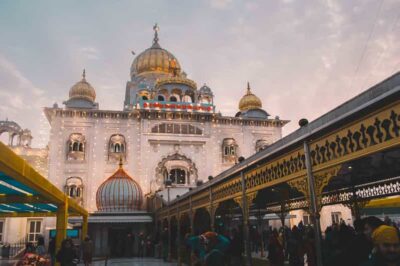
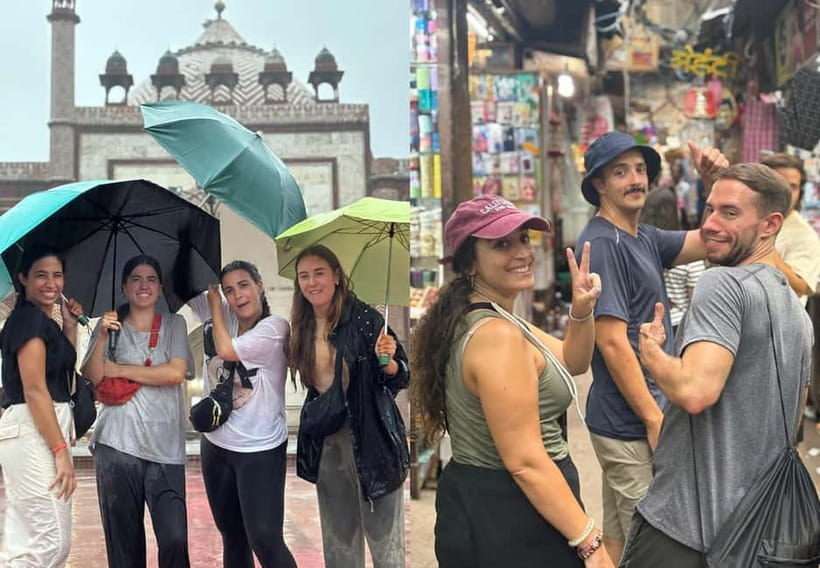
One of the most praised parts of this tour is how religious landmarks are woven into the route. You’ll visit Jama Masjid first, with time for photos and a guided look at the architecture and significance.
Then you walk to Shri Mankameshwar Mandir, dedicated to Lord Shiva. This pairing is powerful because it shows how different traditions coexist in the same urban fabric. It’s not just sightseeing. You’re observing local faith as part of the daily scene—people arriving, conversations happening nearby, and the calm rhythm around the temple.
Dress code is not optional here. You’ll need clothes that cover knees and shoulders since you visit a mosque and a temple. If you forget, you’ll at best feel uncomfortable and at worst slow down the experience.
Also, the tour includes photo stops. Don’t rush your pictures. Give yourself a minute to look first, then shoot.
You can also read our reviews of more food & drink experiences in Agra

Rawatpara spice market: how it smells before it tastes
Next comes the part that hits your senses hard: the spice market area around Rawatpara Road. This is where the whole tour theme clicks. The colors of spice powders and the smell from stalls make the city feel like a living pantry.
You’re also likely to see tea and snack stops appear in the same rhythm. The guide helps you understand what you’re looking at—how spices are stored and sold, and why certain flavors are common in Agra street food.
If you’ve only tasted Indian spices in restaurants, this is where you get the real version: more intensity, less polish, and a deeper sense of how local cooking tastes before it becomes a dish.
Seth Gali and the snack stops: where Agra flavor actually lives
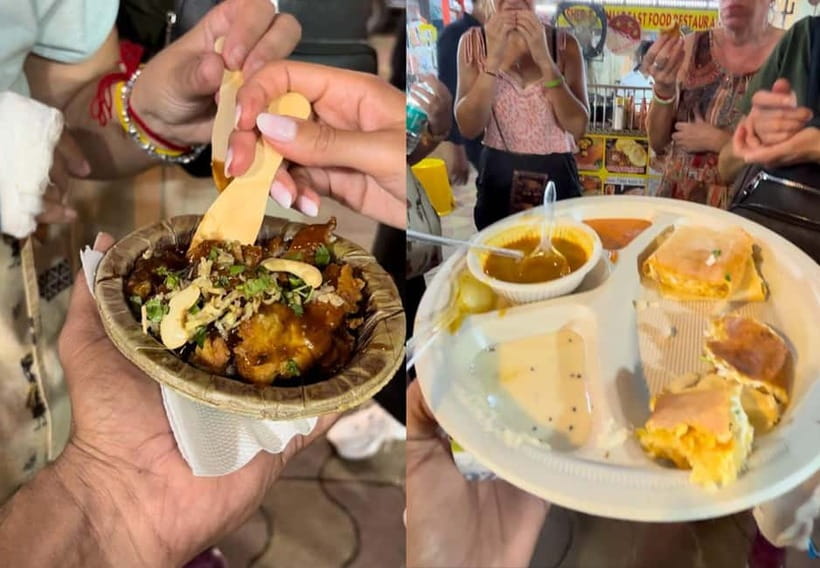
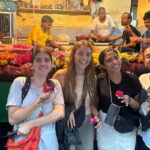
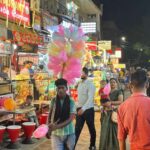
Seth Gali is one of the key food areas. This is where you pause for tea and start sampling street food. The tour is designed so you don’t just buy one thing and call it done. You sample multiple items across the afternoon/evening, and that’s why people often say it can feel like enough for dinner.
Food you can expect to encounter includes:
- samosa
- dosa or chole bhature (depending on what’s available at the time)
- aloo tikki
- pani tikki
- sweets
Some meals are also seasonal. In winter, a standout mentioned is gajar ka halwa (carrot dessert), which people noted as especially good during that season. Another memorable moment described is eating in a hidden alley where you might even share the lane with monkeys—add it to your list of reasons to bring a sense of humor.
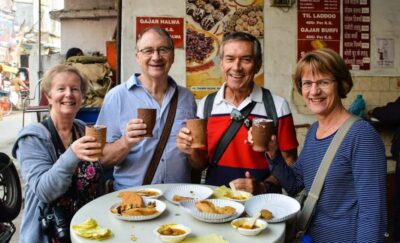
You’ll likely get masala tea served in a clay pot. This is one of those small details that makes the tea feel like part of the local ritual, not just a drink break.
How the street food works: sampling strategy that saves your stomach
If you’re used to ordering one entrée, this tour asks you to adjust. You’re tasting across several stalls, so your best move is to eat lightly at each stop and keep water and breathing space in mind.
A few practical pacing ideas:
- Take your first bite, then pause. Let the guide explain what you’re tasting.
- If you’re full, don’t keep pushing just to say you tried everything. You can always save your favorites for a second round later.
- If drinks aren’t included, you’ll want to manage thirst intentionally since you’ll be walking.
People also like that the tour isn’t just a repeat of the same two tourist streets. The food feels more connected to local routine, and that makes the whole thing feel less staged.
Shopping and craft stops: useful, but don’t let it steer the day
Markets and craft shops go together in tours here. You might be taken into places that demonstrate how items are made—textiles, jewelry, or stone/marble craftsmanship have shown up on this style of route.
Here’s the balanced truth: some people love these stops; others dislike what feels like pressure to buy. If you’re the type who hates sales pitches, you’ll want a plan before you go:
- Decide your souvenir budget in advance.
- If you don’t want to buy, be polite but firm.
- Ask your guide to keep you moving back to the street food and sights if shop time starts to drag.
Even with that potential downside, guides often do a good job of helping you compare items fairly and avoiding the worst chaos of dealing with vendors without context.
Safety, dress, and who should skip this
Safety is a major reason to do this with a guide rather than wandering randomly. People commonly mention feeling taken care of in traffic and protected from unwanted attention in busy areas. A private guide also helps you stay calm around crowds and moving vehicles.
That said, the tour isn’t for everyone:
- Not suitable for pregnant women
- Not suitable for people with pre-existing medical conditions
- You’ll be walking and navigating busy lanes
- You’ll need modest clothing for mosque and temple visits
- Alcohol and drugs are not allowed
Comfort moves matter. Bring comfortable shoes and comfortable clothes that still meet the dress requirements. If you’re sensitive to heat or crowded walking, pick a seasonally comfortable time window and don’t schedule anything strenuous right after.
Who this tour fits best
This is a great fit if you want:
- Old Agra street life without getting lost
- a guided route through major religious landmarks
- multiple street food bites in one afternoon/evening
- hotel pickup and a tuk-tuk ride to reduce logistics stress
It’s also a strong option if you’re doing Taj Mahal the same day or just after. This tour gives you the texture of the city that you don’t get from a single monument visit.
If you want a quiet, slow museum-style outing, this isn’t it. Expect motion, noise, crowds, and food stops. You’re in the working city.
Final call: should you book it?
I’d book this if you’re in Agra for a short time and you want your hours to feel local. The combination of Jama Masjid, Mankameshwar Temple, spice-market walking, and a real street-food sampling set is hard to replicate on your own—especially with hotel pickup and tuk-tuk transport included.
Skip or reconsider if:
- you don’t want shop/craft stops
- you’re not comfortable with uneven crowds and walking
- you have mobility or medical limits that make the walk tough
- you’re expecting a full sit-down dinner with drinks included (this is snack-focused)
If you go in with comfortable shoes, modest clothes, and an appetite for trying a few bites at a time, this tour tends to land exactly where it should: on the streets where Agra actually lives.
FAQ
How long is the Agra Street Food Walking Tour, Spice Market, and Tuk-tuk ride?
The duration is listed as 2 to 3 hours.
How much does the tour cost?
The price is $14 per person.
What is included in the price?
Hotel pickup and drop-off are included, along with a private local tour guide and transfers by tuk-tuk. Street food snacks and sweets are included only if you select the option.
Are monument entrance tickets included?
No. Monument entrance tickets are not included.
Are drinks included?
No. Drinks are not included.
When does the tour usually start?
The suggested start time is between 2 p.m. and 4 p.m. in winter, and between 4 p.m. and 6 p.m. in summer.
What should I wear or bring?
Wear comfortable shoes and comfortable clothes. Also, you’ll visit a mosque and temple, so your clothes should cover your knees and shoulders.