REVIEW · NEW DELHI
Delhi: Old and New Delhi Private Full or Half-Day Tour
Book on GetYourGuide →Operated by Zaara Travels · Bookable on GetYourGuide
Delhi changes moods every few blocks. This private tour strings together Old Delhi color and spiritual weight with New Delhi government landmarks, all paced by a guide and driven in an air-conditioned vehicle. You also get smart route planning for closures, plus optional add-ons like a rickshaw ride in the lanes.
I especially like the Old Delhi rhythm: the guided walk through Chandni Chowk shops and the chance to step inside the 17th-century Jama Masjid, India’s largest mosque. Another big win is how the New Delhi side is structured around major sights you can’t easily stitch together yourself—India Gate, Humayun’s Tomb, Lotus Temple, and the Qutb Minar area—without turning your day into logistics work.
One thing to consider: timing matters. Some monuments close in the evening (often after 6 PM), so if your pickup is later or traffic runs long, the last stops may be shortened or skipped.
In This Review
- Key highlights worth planning around
- Morning Pickup and the AC-Comfort Ride Through Old and New Delhi
- Chandni Chowk Market Walk and Jama Masjid: Old Delhi’s Two-Beat Combination
- Jama Masjid: what you’ll notice
- Chandni Chowk: shopping time that doesn’t waste your day
- Optional rickshaw ride for the lane experience
- Red Fort, Raj Ghat, and the Meaning Behind Delhi Memorial Spots
- The New Delhi Government Core: India Gate, Parliament, and Rashtrapati Bhavan
- India Gate: more than a pretty landmark
- Parliament House and the seats of power
- Rashtrapati Bhavan: the Viceroy’s house and today’s presidency
- Humayun’s Tomb, Qutb Minar Area, and Lodhi Gardens: Delhi’s Calmer Green Stops
- Humayun’s Tomb: a landmark made to be viewed as a garden tomb
- Qutb Minar area: quick scenic views and structure
- Lodhi Gardens: a break between big monuments
- Agrasen ki Baoli Stepwell and Lotus Temple: Two Contrasts in One Afternoon
- Agrasen ki Baoli: stepwell geometry you can’t fully unsee
- Lotus Temple: simple access to spiritual architecture
- Timing Rules That Actually Affect Your Day
- Private Guide Quality: How the Tour Really Becomes Worth It
- Price and Value: A Private Car + Guide for a Surprisingly Low Number
- Should You Book This Delhi Private Tour?
- FAQ
- How long is the Delhi Old and New Private Tour?
- Where can I be picked up from?
- Is transport provided?
- Do I get a guide?
- What languages are available?
- Is entry included?
- Are meals included?
- Are there options for Old Delhi by rickshaw?
- Are there any restrictions?
- What do I need to bring?
Key highlights worth planning around
- Jama Masjid + Chandni Chowk in the same morning gives you both scale and street-level detail
- Old Delhi rickshaw option adds a real change of pace inside the busiest lanes
- Major New Delhi power sights like Parliament House and Rashtrapati Bhavan, seen in a simple, timed flow
- Garden tomb and stepwell stops (Humayun’s Tomb and Agrasen ki Baoli) that feel calmer than the markets
- Monument timing flexibility so you still see a meaningful set even with early-evening closures
- Guides and drivers frequently praised for handling Delhi traffic smoothly, including road closures
Morning Pickup and the AC-Comfort Ride Through Old and New Delhi
This tour starts with morning pickup from your hotel or a selected meeting point, and it can also include airport pickup. Either way, you’re in a car with a professional driver, which is the difference between seeing Delhi and surviving it. Delhi traffic is unpredictable; an organized plan keeps the day from dissolving into standstill time.
The duration is designed to fit a practical window—about 4 to 8 hours depending on which option you book. That flexibility is useful if you’re only in Delhi briefly or you want to pair this with another activity later the same day.
If you’re coming from the airport, this is a smart way to get your bearings fast. The route doesn’t just jump randomly between monuments; it moves from Old Delhi’s street energy toward New Delhi’s wide ceremonial spaces. You’ll notice the shift immediately—smaller lanes and market noise first, then open roads and grand architecture.
You can also read our reviews of more private tours in New Delhi



Chandni Chowk Market Walk and Jama Masjid: Old Delhi’s Two-Beat Combination

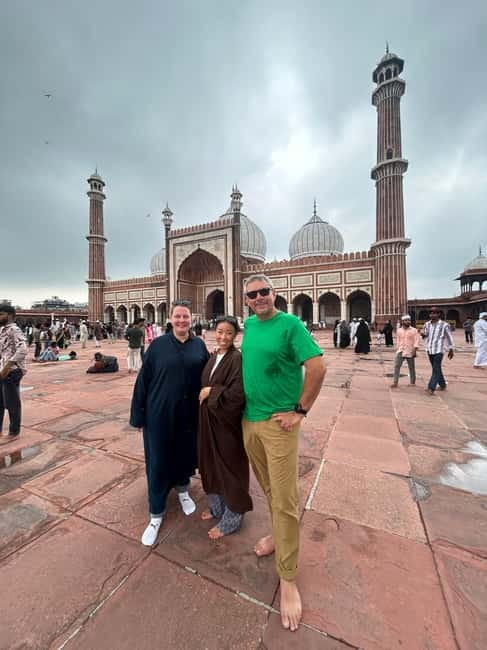
Old Delhi is where this day earns its name. You start with a guided visit to Jama Masjid first (about 45 minutes on the schedule), then move into Chandni Chowk (around an hour for the guided walk and shopping time).
Here’s why that pairing works so well: Jama Masjid is about scale and spirituality. Chandni Chowk is about everyday life—shops, goods, colors, and the sensory overload that makes Old Delhi feel like a living city. Seeing them back-to-back gives you context. It’s not just stop-and-photo; it’s atmosphere plus meaning.
Jama Masjid: what you’ll notice
Jama Masjid is a 17th-century monument and India’s largest mosque. Even if you’ve seen mosque architecture in other cities, the sheer size changes how you look at the space. Your guide’s role matters here: you’ll get help understanding what you’re seeing and where to look so you’re not wandering without direction.
Chandni Chowk: shopping time that doesn’t waste your day
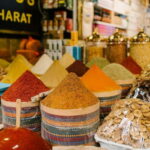
Chandni Chowk can swallow hours if you don’t have a plan. With a guide, you get a structured walk and time for photos and shopping without feeling rushed. Many people like this part because it’s interactive. You’re not just looking at buildings; you’re watching how trade works and what people buy.
Optional rickshaw ride for the lane experience
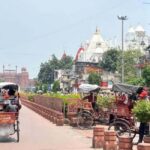
If you choose the option that includes it, there’s an Old Delhi rickshaw ride. It’s a simple add-on that changes your perspective. You get a slower, more direct view of the street flow than a car window ever gives you.
You can also read our reviews of more tours and experiences in New Delhi



Red Fort, Raj Ghat, and the Meaning Behind Delhi Memorial Spots

After the Old Delhi highlights, the day shifts toward key historical and memorial sites. Some landmarks are quick pass-bys, while others get real attention.
You’ll see Red Fort from the outside for photos and passing views (about 15 minutes). You don’t need long here; the point is recognition and orientation—this is the kind of landmark that anchors your mental map of the area.
Then you move to Raj Ghat, a guided stop with about 30 minutes of time, plus free time. Raj Ghat works best when you go slowly. The guide helps you frame the significance so the stop doesn’t feel like another photo halt.
If you like your tours to feel “with context” rather than “around facts,” this is the part that usually clicks. It also gives you a brief pause from the market intensity before the New Delhi highlights.
The New Delhi Government Core: India Gate, Parliament, and Rashtrapati Bhavan
Once you head into New Delhi, the experience changes tone. Roads open up. The architecture turns ceremonial. You’re seeing the capital as a stage for power and national identity.
India Gate: more than a pretty landmark
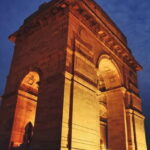
You’ll spend time around India Gate with guided explanation and sightseeing, mostly on the schedule as a pass-by (about 15 minutes). Still, don’t treat it like a quick photo. India Gate is a 140-foot-high gateway, built as a war memorial honoring 70,000 soldiers of the British Indian Army who lost their lives during the First World War.
That number and purpose matter. With a guide, you’ll understand why India Gate sits at the center of so many commemorations and walks.
Parliament House and the seats of power
You also stop near Parliament House, guided for around 15 minutes. It’s designed by British architects Edwin Lutyens and Herbert Baker, and it’s the seat of government for the Lok Sabha, Rajya Sabha, and a library hall. Even if you don’t go inside, this quick guided stop helps you connect the visual to what happens politically in the background.
Rashtrapati Bhavan: the Viceroy’s house and today’s presidency
The day includes a brief look at Rashtrapati Bhavan for guided sightseeing (around 15 minutes). This is the former Viceroy’s house before independence, and the architecture is built to impress—big, layered, and very deliberate. The guide helps you spot design elements so you’re not just staring at a fence line.
If you’re short on time in Delhi but want the “capital core” experience, this tour gives you the highlights without stretching your day too far.
Humayun’s Tomb, Qutb Minar Area, and Lodhi Gardens: Delhi’s Calmer Green Stops
Now you get the softer side of Delhi—monuments that encourage slower walking and more attention to layout.
Humayun’s Tomb: a landmark made to be viewed as a garden tomb
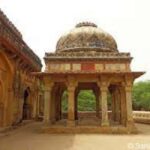
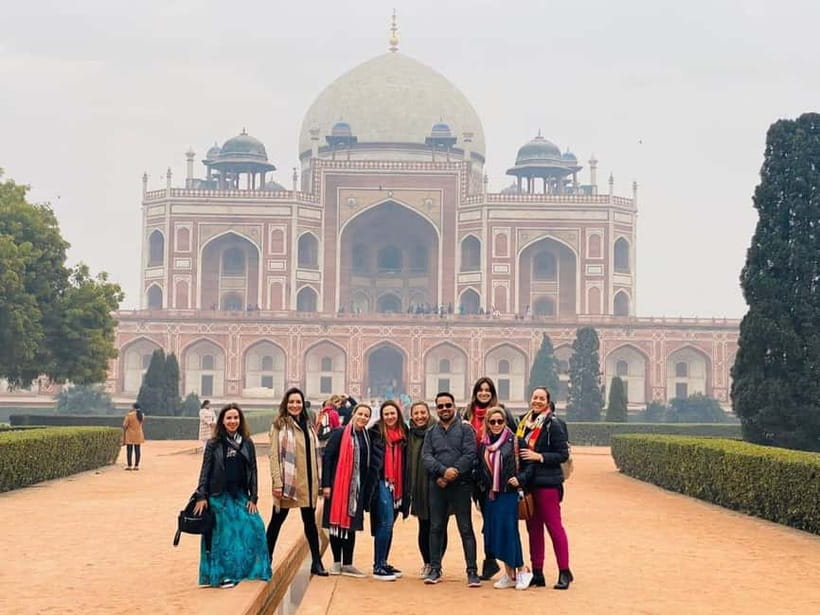
You’ll visit Humayun’s Tomb with guided explanation and a walk of about an hour. It was commissioned by Humayun’s wife Hamida Banu Begum in 1562 CE, and it’s noted as the first garden tomb on the Indian subcontinent. That matters because it explains why the site feels planned rather than accidental.
This is where your guide’s storytelling helps most. Delhi’s historical sites can look similar at first glance, but the design logic differs. The guide helps you see the tomb as part of a wider intended setting.
Qutb Minar area: quick scenic views and structure
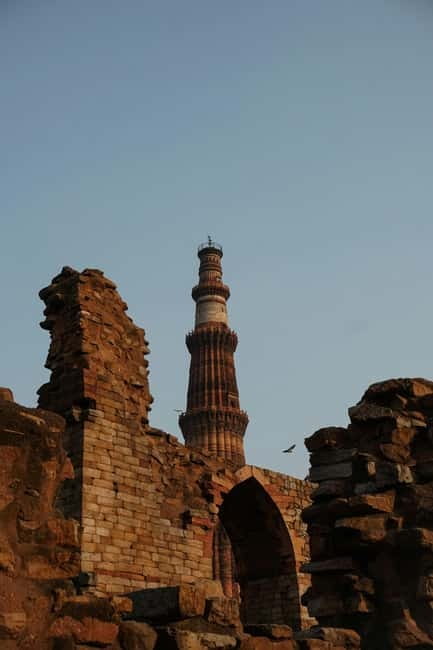
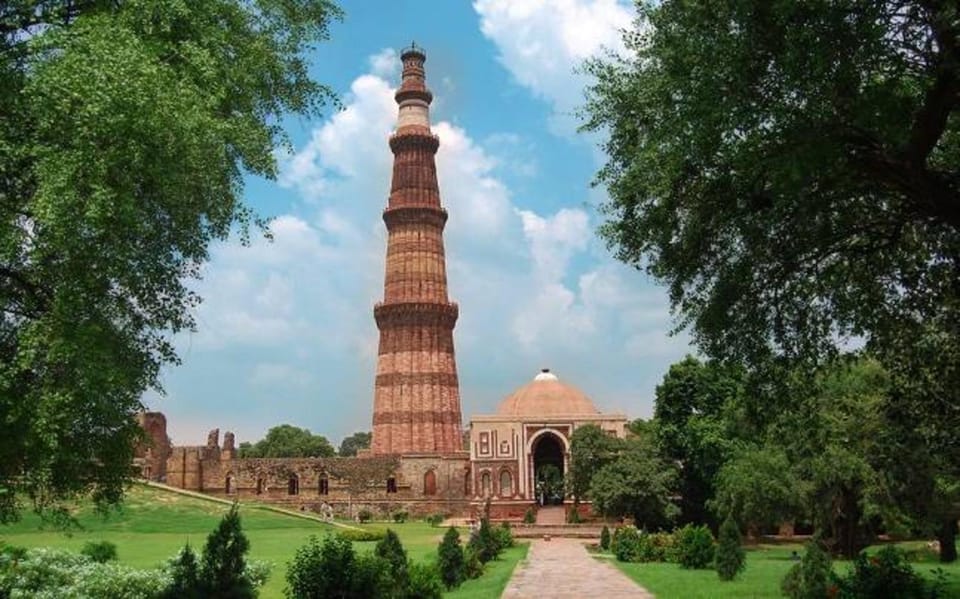
The tour then includes Qutb Minar with guided sightseeing and scenic views on the way (about 30 minutes). The schedule keeps it efficient, which is useful if you also have Chandni Chowk and Humayun’s Tomb today.
Lodhi Gardens: a break between big monuments
You’ll also stop at Lodhi Gardens, guided with time for sightseeing (around 30 minutes). The appeal here is pace. After dense street life, these gardens let your eyes reset and give your camera a different kind of light.
Agrasen ki Baoli Stepwell and Lotus Temple: Two Contrasts in One Afternoon
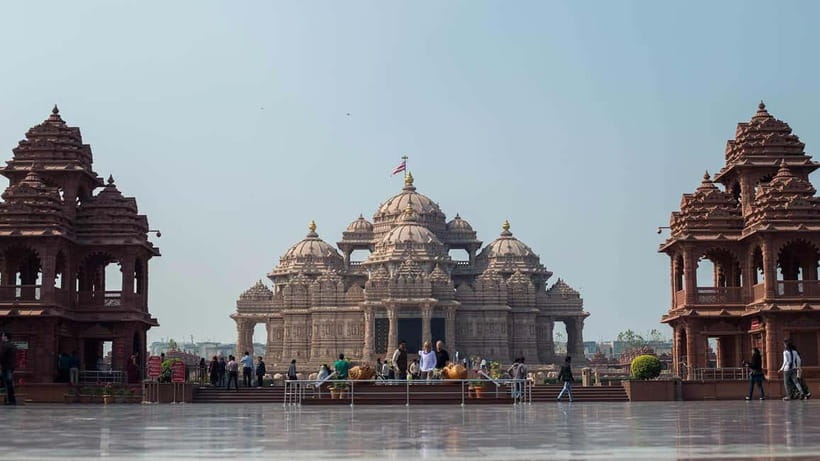
The afternoon portion includes two stops that feel totally different—one is ancient stone layers, the other is modern spiritual architecture.
Agrasen ki Baoli: stepwell geometry you can’t fully unsee
Agrasen ki Baoli is an ancient stepwell measuring about 60 meters long, 15 meters wide, with 108 steps. You’ll spend about 20 minutes here with guided sightseeing.
What makes this stop worth it is how it changes your sense of scale. A stepwell is functional, but this one is also decorative in stonework—arched walls and alcoves. Even if you don’t know the whole background, the structure gives you enough to understand why people find it fascinating.
Lotus Temple: simple access to spiritual architecture
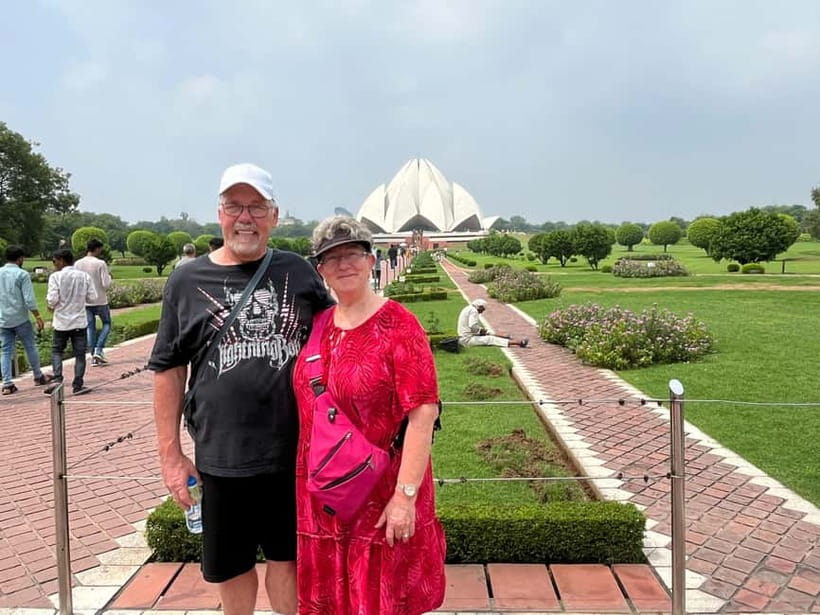
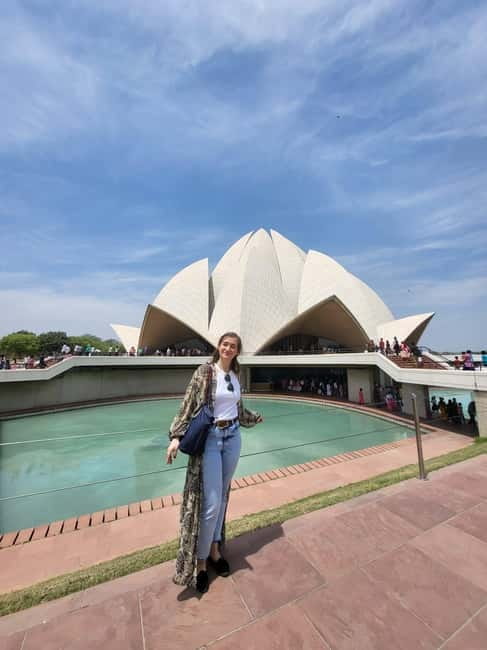
You’ll also visit Lotus Temple for guided sightseeing and around an hour on site. It’s a classic stop for good reason: it’s visually memorable, and you can usually appreciate the form without needing a technical background. The guide helps you understand what you’re looking at and how to photograph it.
Timing Rules That Actually Affect Your Day
This tour is designed to be flexible, but you should plan around two real-world constraints given in the tour info.
First, some monuments close at sunset, and the itinerary depends on timing and your pickup location. If you’re later than planned, you may end up skipping one of the evening closing stops. Second, Gandhi Smriti is closed on Mondays, so that stop would be skipped on Mondays.
I’d rather you go in expecting this and stay comfortable than plan a perfect checklist. A good guide will adjust the day’s pace so you still collect the big Delhi hits.
Private Guide Quality: How the Tour Really Becomes Worth It
The most praised part across the guide experiences is not just where you go—it’s how you get there and how you understand it.
You’ll see repeat praise for guides such as Aman (with driver Saddam) for handling disruptions smoothly. For example, there are mentions of the Delhi marathon day and how the guide and driver navigated road closures with ease. That kind of practical problem-solving matters more than people admit.
Other guides noted for great on-the-ground help include Mayank (often praised for clear explanations and showing the right spots in Old and New Delhi), Hemant (praised for knowledge and accommodating changes when a partner couldn’t join), and Danish (praised for English and friendly, easy-going energy). On the driving side, Zeeshan comes up repeatedly in positive feedback for safe, on-time navigation through traffic.
What that tells you: this tour works best when you treat the guide like your translator—of history, architecture, and local logic. If you ask a few questions early, the day tends to click faster.
Also, many guides are thoughtful about small touches. Some feedback mentions masala tea stops and enjoyable lunch time, plus small snacks in some cases. Meals themselves aren’t included in the official inclusions, but the day often has room for pleasant breaks.
Price and Value: A Private Car + Guide for a Surprisingly Low Number
The listed price is $2.75 per person, with duration options from half-day to a longer window. Even if the exact value depends on which option you choose, the core idea is strong: you’re paying for hotel/airport transfers, a private guide, an air-conditioned car with driver (if selected), bottled water, and potentially entry fees (if you select that option).
For Delhi, the value comes from removing friction:
- Less time negotiating rides across different neighborhoods
- Better use of limited time with a pre-built sequence of monuments
- Skip-line access through a separate entrance (when available)
The main way to protect your value is to pick the right option for your comfort—AC car, plus rickshaw ride if you want that Old Delhi contrast. If you go for the half-day, you’re paying for the highlights rather than trying to do everything at once on your own.
Should You Book This Delhi Private Tour?
If you want a first-time Delhi plan that doesn’t leave you guessing, I’d say yes. This tour is especially good for:
- Short stays where you need Old Delhi and New Delhi in one organized day
- People who appreciate guided context at major sites like Jama Masjid, Humayun’s Tomb, and India Gate
- Anyone who values comfort in traffic with an AC car and driver, plus optional rickshaw energy in Old Delhi
Skip it if your schedule is fragile or you dislike itinerary flexibility, because evening closures can shorten the last stops. Also, it’s listed as not suitable for pregnant women.
If you book, bring an ID or passport, start with a morning pickup if you can, and don’t try to cram extra plans right after. This day earns its reputation because it’s paced like a real city outing, not a checklist sprint.
FAQ
How long is the Delhi Old and New Private Tour?
The duration is listed as about 4 to 8 hours, depending on the option you book and the timing of your stops.
Where can I be picked up from?
Pickup is available from several locations including Aerocity, Noida, Old Delhi, Greater Noida, New Delhi, Gurugram, Faridabad, Delhi, Ghaziabad, and also from Jama Masjid options.
Is transport provided?
Yes. You travel in an air-conditioned vehicle with a driver if you select that transport option.
Do I get a guide?
Yes. The tour includes a private guide, and the tour is offered in multiple languages.
What languages are available?
English, Spanish, Russian, German, Japanese, French, Italian, Portuguese, Hindi, and Chinese.
Is entry included?
Entry fees are included if you select the option that includes them.
Are meals included?
No. Meals and drinks are not included, though the day may include a scheduled lunch stop.
Are there options for Old Delhi by rickshaw?
If you choose the option that includes it, there’s a rickshaw ride in Old Delhi.
Are there any restrictions?
Alcohol and drugs are not allowed, and the tour is listed as not suitable for pregnant women.
What do I need to bring?
Bring a passport or an ID card.