REVIEW · MUMBAI
Mumbai Shore Excursion
Book on GetYourGuide →Operated by Muziris Heritage - Day Tours · Bookable on GetYourGuide
Mumbai hits like a drumbeat. This shore excursion is for staying upright in the chaos, with a private guide to translate what you’re seeing and a stop at Dhobhi Ghat where laundry work becomes an unforgettable, everyday spectacle. The itinerary is packed, so the main trade-off is time in the car between sights.
I like that the route mixes “big-name” landmarks with real working Mumbai: the market, the railway hub, the open-air laundry, and a visit tied to dabawallas. One thing to keep in mind: a couple past bookings with similar day tours in the region have complained about long driving stretches and uneven guide timing, so you’ll want to be flexible.
If you want a guided crash course in how the city functions at ground level—without wrangling local transport yourself—this is a solid option. Just be ready for a fast-paced day where you’ll get photos and context, but not hours to wander.
In This Review
- Key highlights that matter
- First wheels in Mumbai: timing, transport, and what your day feels like
- Crawford Market: produce, flowers, and the smell test you can’t fake
- CST at Victoria Terminus: rail as the real city map
- Dhobhi Ghat at Colaba: the open-air laundry stop that hits hardest
- Dabawalla visit: where routine becomes an urban machine
- Taj Mahal Hotel area and Gateway of India: classic views, quick context
- Churchgate to Charni Road: riding the local train lifeline
- Girgaum ISKCON Temple: a calmer finish with a very different vibe
- Price and logistics: is $110 worth it for 7 hours?
- Who should book this Mumbai shore excursion (and who should skip it)
- Should you book this Mumbai shore excursion?
- FAQ
- How long is the Mumbai shore excursion?
- What’s included in the price?
- Do I need to buy tickets for the attractions?
- Will there be a local train ride?
- Where will the tour pick me up?
- What languages are available for the guide?
- Which major sights are included?
- What’s the cancellation policy?
Key highlights that matter
- Crawford Market start: see the fruit, flowers, and vegetable stalls up close, with the added bonus of that sharp spice-and-produce smell in the air.
- Victoria Terminus (CST) photo time: you’ll stop at the UNESCO rail station and get a feel for Mumbai’s rail-first rhythm.
- Dhobhi Ghat at Colaba: a dedicated visit and photo-stop at the open-air laundries—this is the most visual, most emotional stop.
- Dabawalla visit: a look at the day’s delivery system that keeps offices fed, and shows how schedules work in Mumbai.
- Gateway of India walk: straight from the Taj Mahal Hotel area to the waterfront landmark, with a quick but classic view.
- Local train ride (Churchgate to Charni Road): you actually ride the lifeline, not just watch it.
First wheels in Mumbai: timing, transport, and what your day feels like
This is a full-day shore style tour with chauffeur-driven transport and a live guide (English and Italian are offered). The day runs from about 8:30 AM out of your pickup point, then returns around 3:30 PM. That makes sense on paper: Mumbai is spread out, and you’ll be crossing areas that can take time.
The practical value here is simple: you don’t have to figure out roads, parking, or where to stand for photos at each stop. You’ll also skip the headache of tickets and entrances, since entrance fees are included.
The trade-off is also simple: with this many stops, you’ll spend meaningful chunks riding from one neighborhood to the next. Some past day-tour experiences with this style of schedule have felt too “car-heavy,” so if you’re the type who wants long walks, consider using this as your guided orientation day—and leave “slow wandering” for later.
One more thing: the package lists a backwater tour as included, even though the day’s visible itinerary is city-focused. That doesn’t mean it’s wrong, but it does mean you should double-check what you’ll actually do on your departure date. Ask your operator what’s included for your specific route so there are no surprises.
You can also read our reviews of more tours and experiences in Mumbai.


Crawford Market: produce, flowers, and the smell test you can’t fake
Your day starts at Crawford Market, where you’ll visit the stalls selling fruit, flowers, and vegetables. Even if you’ve seen market photos before, Mumbai markets behave differently in real life. The pace is quick, people move around each other like they’ve practiced, and smells hit you fast—spices and fresh produce mixing in a way that’s hard to describe.
Why I like this stop: it’s not staged. It’s not a museum of food. You’re seeing how daily supply chains look when they’re still in motion. For photographers, it’s also a gift: colorful produce, bright flower displays, and steady streams of shoppers all create natural “action frames.”
A practical tip: wear shoes you can trust. Markets mean uneven surfaces, lots of feet, and quick turns. And since this is a guided day, follow your guide’s lead on where it’s comfortable to stand and where it’s better to keep moving.
CST at Victoria Terminus: rail as the real city map
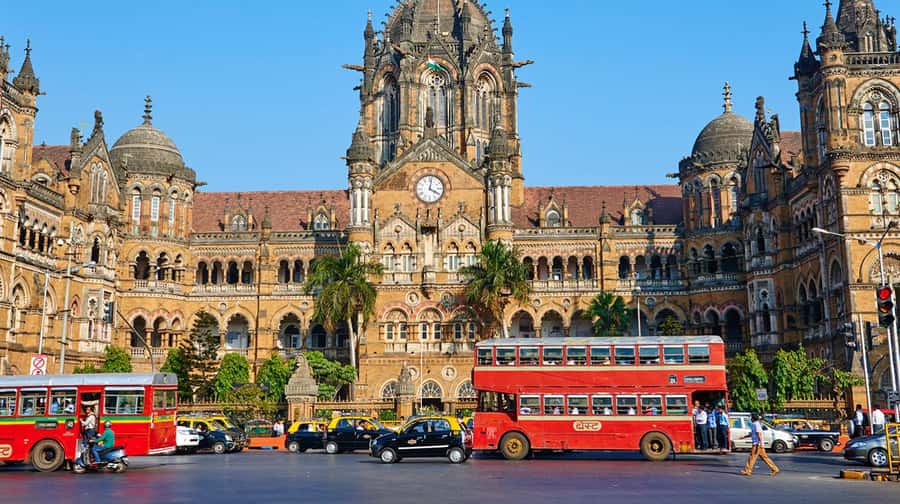
Next up is CST—Victoria Terminus, one of Mumbai’s biggest landmark rail stations and a World Heritage Site. You’ll arrive and look around before heading onward. This matters because Mumbai isn’t built around one “center.” It’s built around connections—and trains are a main connector.
The best way to think about this stop: treat it like a city orientation checkpoint. The architecture gives you context, but the real takeaway is the feeling that rail schedules move the city.
If you care about how the city runs, you’ll enjoy this even more later, because you’ll also get a short local train ride near the end of the day (more on that below). When the final ride comes, CST won’t feel random. It’ll feel like part of the same system.
Dhobhi Ghat at Colaba: the open-air laundry stop that hits hardest
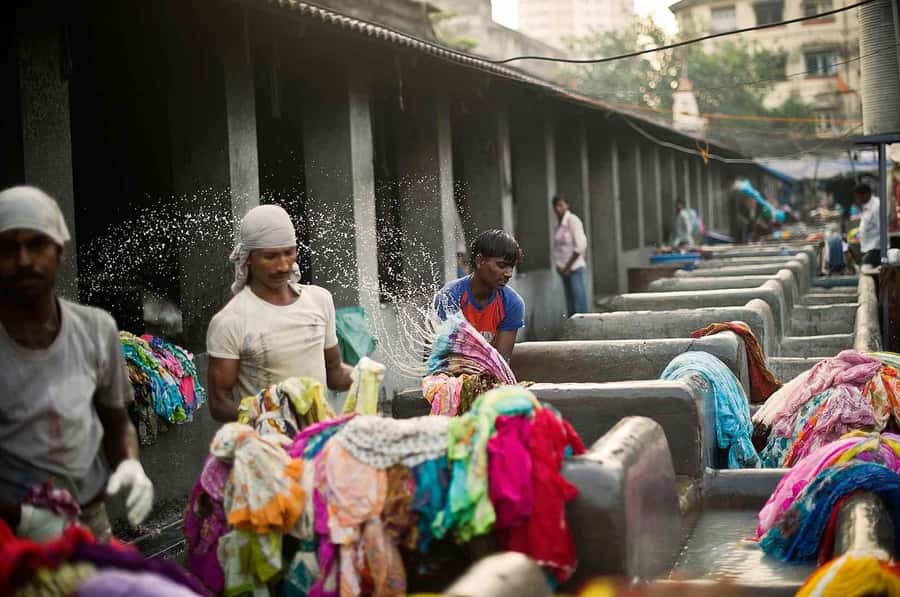
Then the tour shifts to one of the most striking places you’ll see on any Mumbai day trip: Dhobhi Ghat in Colaba, an open-air laundry area. You’ll visit and get a photo-stop at the washing place.
Why this is a top highlight: you’re watching work that’s real, visible, and ongoing. It’s not “performative culture.” People are doing their jobs. The whole setup—water, lines, scrubbing motion, and the constant flow of laundry—turns into a kind of live choreography.
One consideration: photography etiquette matters. If you shoot people up close, keep it respectful. Don’t block paths. And if your guide advises a certain angle or distance, trust that local guidance.
If you want maximum value from this stop, slow down for a few minutes. Don’t just grab a single photo and move on. Look at how the process works, then take pictures after you understand the flow. You’ll come away with images that actually tell a story.
Dabawalla visit: where routine becomes an urban machine
After Dhobhi Ghat, you’ll head to see the dabawalla operation. This stop is a big part of the “Mumbai as local” promise: it’s about systems, timing, and how food delivery keeps working life running.
What you’ll likely take away is the idea that Mumbai doesn’t run on spontaneity. It runs on schedules and coordination—so when you watch delivery systems, you start to understand why the city feels so determined and fast.
Even if you don’t get into deep explanations at every moment, the stop is still useful. It reframes the day: instead of only seeing landmarks, you’re also seeing how ordinary logistics keep the city feeding itself.
A small warning based on what I’ve seen from similar tours: if your guide’s English is weak on the day, you might miss some context here. The good news is that even without perfect narration, the concept is visually clear and interesting enough to stand on its own.



Taj Mahal Hotel area and Gateway of India: classic views, quick context
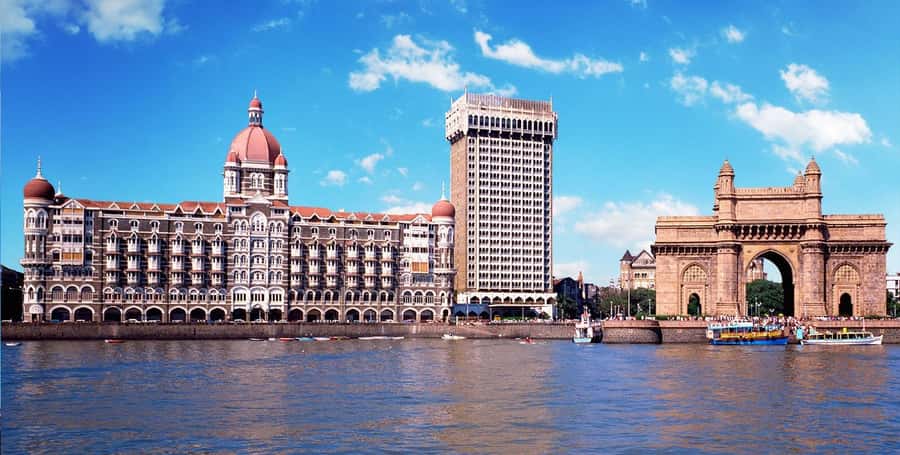
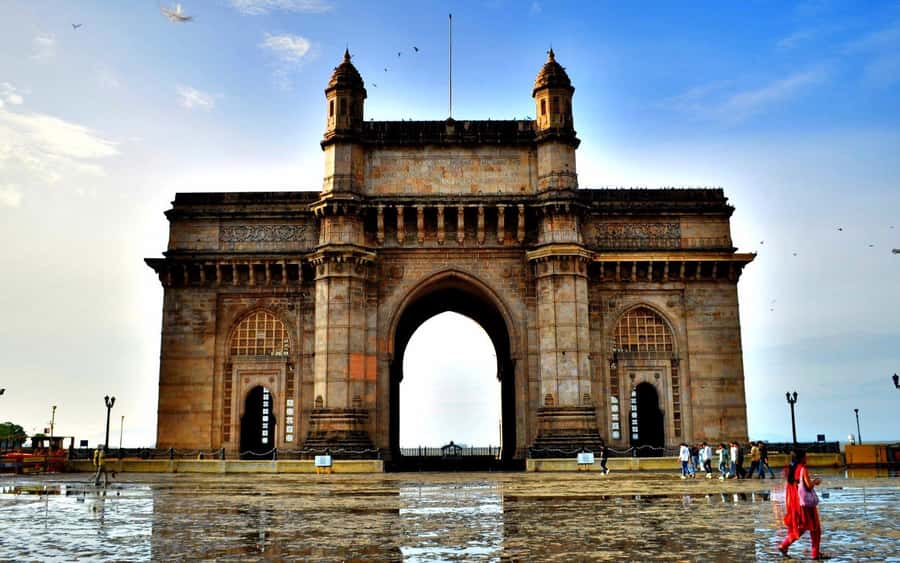
Next you’ll go to the Taj Mahal Hotel area and then walk to Gateway of India, which sits just opposite. You’ll visit the Gateway of India, and this is one of those stops that can feel simple—but it’s simple in the best way.
Here’s why it still works on a tight schedule: the Gateway of India anchors the waterfront story of Mumbai. It’s a recognizable point you can file away mentally, so later, when you see the same skyline elements in photos or from other neighborhoods, you’ll understand how they connect.
The practical value is also that you get a break from moving through dense streets. A short walk, a waterfront view, and then back into the day’s rhythm.
If you’re sensitive to crowds at major landmarks, be patient. This is a top sightseeing area, so plan to take a few photos, then spend a few minutes just looking out over the harbor. That quiet moment is where the stop becomes memorable.
Churchgate to Charni Road: riding the local train lifeline
After Gateway of India, the tour reaches Churchgate railway station and you’ll take a short local train ride to Charni Road. This is the “you experience Mumbai, not just see Mumbai” piece.
Why this ride matters: Mumbai local trains are the city’s moving backbone. You’ll feel it in the motion, in how people board and unload, and in the steady flow of commuters. It’s also a better reality check than photos alone because you get a sense of scale.
A practical tip: keep your belongings secure and easy to manage. You’ll be pressed in a bit at stations, and the ride is short, so you want to avoid fishing for items during stops.
This segment is also where a guide with decent English or Italian helps a lot. Even a few lines on what you’re seeing can turn the ride into a mini lesson rather than just a photo moment.
Girgaum ISKCON Temple: a calmer finish with a very different vibe
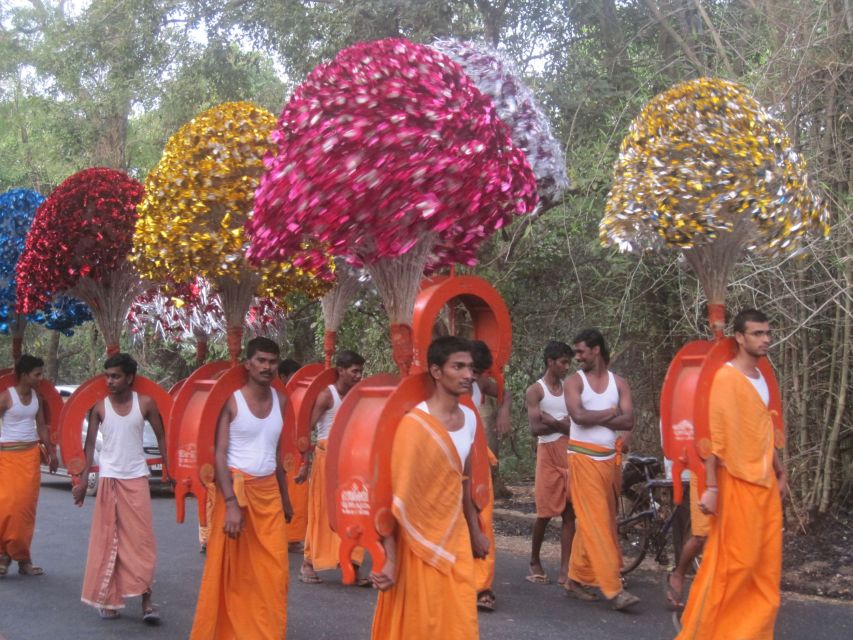
Later, you’ll head to Girgaum ISKCON Temple and visit it as the day winds down. This stop changes the tone. You’re no longer focused on historic stations and busy waterfront landmarks. You’re in a religious space that’s designed for reflection and worship.
Even if you’re not deeply religious, temple architecture and interior atmosphere can be a useful counterweight on a day that’s otherwise mostly streets, traffic, and motion.
Give yourself the chance to slow down here. Don’t rush through. Even short visits can feel meaningful if you let the space work on you for a few minutes.
Price and logistics: is $110 worth it for 7 hours?

At $110 per person for around 7 hours, you’re paying for a bundle: chauffeur-driven transport, a private guide, entrance fees, camera fee, lunch, and the local train experience. That adds up.
But here’s the honest value equation you should run in your head: how much active time do you get versus car time? This tour packs a lot into a single day—markets, rail station, laundry, dabawallas, a waterfront landmark, a temple, and a train ride. That can create a “whirl and photograph” feel if the day’s pacing is tight or if there are delays.
Some past experiences with day tours in this region have flagged issues like guide availability arriving late, language barriers, and stretches where the car eats the schedule. The driver may be great, but that won’t fix a shortfall if the guide time feels limited.
So I’d treat this as a high-value orientation day if you’re okay with the pace. It’s not ideal if you want long stays at every location or if you need deep explanation at each stop.
Also, make sure you understand the “backwater tour” inclusion. If it’s not used on your exact Mumbai day, you don’t want to feel like something is missing.
Who should book this Mumbai shore excursion (and who should skip it)
You’ll likely love this if:
- you’re on a tight schedule and want city highlights without sorting logistics
- you enjoy working-city stops like Dhobhi Ghat and the dabawalla angle
- you like your guide to connect the dots between a market, rail stations, and real daily life
You might want to skip or swap to a different day if:
- you hate traffic and prefer fewer stops with more time to roam
- you need a guide with strong English/Italian support throughout every segment
- you’re very detail-focused and want long guided discussions at each location
If you’re traveling with kids, this can be a “see a lot” day, but the train ride and temple visit may work best only if you’re prepared for crowds and quick transitions. Comfortable shoes and water help either way.
Should you book this Mumbai shore excursion?
My take: book it if you want guided structure and a strong “Mumbai at work and at landmarks” mix in one go. The Dhobhi Ghat visit and the local train ride are the two elements that can’t be easily replicated without local know-how, and the market start gives you sensory grounding fast.
Just do two smart things before you commit:
- Confirm what the backwater tour inclusion means for your specific day in Mumbai.
- Ask the operator to confirm the language support you’ll get, since guide communication can make or break a day tour.
If those points are clear and you’re fine with a packed schedule, this is a decent value way to see a lot of Mumbai without stress.
FAQ
How long is the Mumbai shore excursion?
The tour runs for 7 hours, with the scheduled time shown as 8:30 AM to 3 PM.
What’s included in the price?
The price includes chauffeur-driven transportation, a guide, all entrance fees, a camera fee, lunch, and a backwater tour.
Do I need to buy tickets for the attractions?
No. The tour includes skip-the-ticket-line access, and entrance fees are included.
Will there be a local train ride?
Yes. You’ll ride a local train from Churchgate railway station to Charni Road railway station.
Where will the tour pick me up?
Pickup is included from hotels in Mumbai or the cruise ship terminal.
What languages are available for the guide?
The live guide is available in English and Italian.
Which major sights are included?
Stops include Crawford Market, CST (Victoria Terminus), Dhobhi Ghat (Colaba), Gateway of India, Girgaum ISKCON Temple, plus the dabawalla visit.
What’s the cancellation policy?
The tour offers free cancellation up to 24 hours in advance for a full refund.