REVIEW · MUMBAI
Mumbai Kanheri Caves & Golden Pagoda – A Buddhist Settlement
Book on GetYourGuide →Operated by Navigate Mumbai Tours · Bookable on GetYourGuide
A quiet mountain temple day beats the usual city rush. Kanheri Caves drop you into a Buddhist world of rock-cut art, plus a wildlife bus ride through Sanjay Gandhi National Park. I also like that the guides share real context, not just dates and directions, so the caves make sense as a living place.
My other favorite part is the practical flow: guided cave time, then back out the same way, with bottled water to keep you going. The one possible drawback is that you’re relying on the park route and cave access that day—conditions can change, and you might not get every planned moment.
In This Review
- 5 Key Highlights You’ll Actually Care About
- Why Kanheri Caves Feel Like a Time Machine in Mumbai
- Sanjay Gandhi National Park: The Bus Ride With Wildlife Odds
- Entering the Kanheri Caves: Buddhist Rock Art From BCE to CE
- The Guide Factor: English, Facts, and Real Care
- When Kanheri Caves Are Closed: The Golden Pagoda Shift
- Panoramic City Views: Why the Mountain Top Matters
- Price and Logistics: What $23 Buys (and What It Doesn’t)
- The Full Flow of Your Day (Without the Guesswork)
- Tips for Shoes, Heat, and Photo-Friendly Timing
- Who This Tour Suits (and Who Should Skip It)
- Should You Book This Kanjeri Caves and Golden Pagoda Tour?
5 Key Highlights You’ll Actually Care About
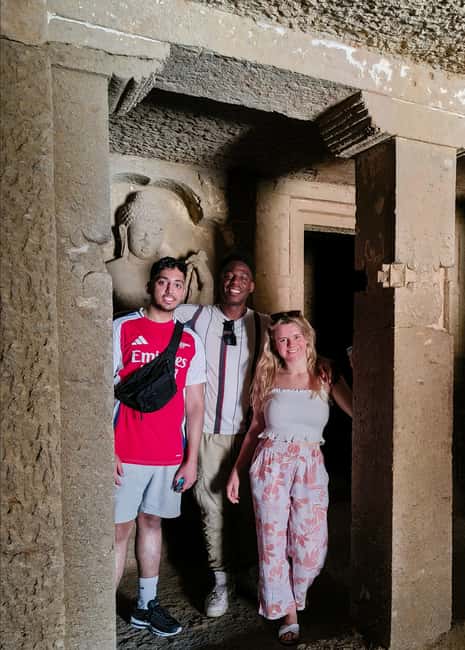
- Rock-cut Buddhist art spanning 100 BCE to 1000 CE, from sculptures to inscriptions and paintings
- A park ride inside Sanjay Gandhi National Park, with chances to spot deer and monkeys
- Guides who pace the walk well and explain what you’re seeing, with English and Hindi options
- A panoramic city view from the mountain top, tied to the cave hike
- A flexible swap to Golden Pagoda if Kanheri Caves are closed, with at least one option adding local vegetarian street food
- Value built in: entry tickets, transport fees, an English-speaking guide, and bottled water are included
Why Kanheri Caves Feel Like a Time Machine in Mumbai
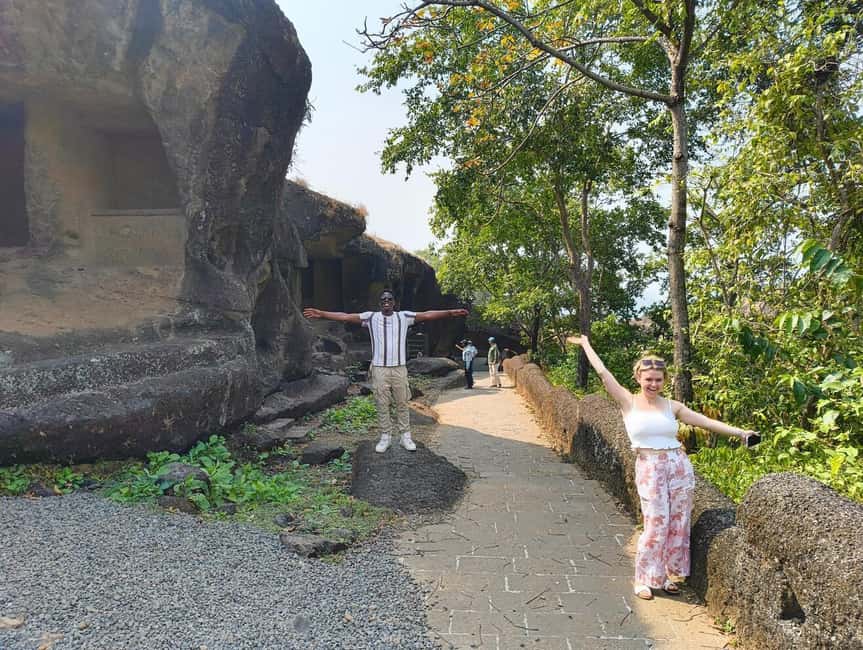
Mumbai can feel nonstop. Then you drive into Sanjay Gandhi National Park and it turns into a different mood—cooler air, trees, and a sense of stepping out of the city. Kanheri is one of those places where the setting matters. The caves weren’t made for postcard views. They were made for daily practice: meditation, shelter, meeting, and learning.
What makes this day special is the range of artwork and time. You’re looking at Buddhist rock-cut carvings, sculptures, inscriptions, and paintings that date from roughly 100 BCE to 1000 CE. That means you’re not just seeing one “moment.” You’re walking through layers of belief that kept evolving.
I also like how the experience frames the caves as part of a Buddhist settlement. It’s easier to appreciate when you understand what people were using the site for and why the spaces were designed that way.
You can also read our reviews of more tours and experiences in Mumbai.
Sanjay Gandhi National Park: The Bus Ride With Wildlife Odds
You don’t start with a big hike. First you head from the park entrance toward the caves about 8 km away. Expect about a 20-minute bus or coach ride that gets you into the heart of the park without wearing yourself out too early.
This part matters because Sanjay Gandhi is more than a backdrop. The park is known for a wide range of flora and fauna, and the tour description even lists animals like leopards, deer, flying foxes, and lions. You’re not guaranteed to see any specific animal, but deer and monkeys are mentioned as sightings during the drive.
Here’s the practical takeaway: treat the ride as a bonus wildlife window, not a safari promise. Bring patience. In a park, timing is everything, and animals don’t follow schedules just because you paid $23.
Entering the Kanheri Caves: Buddhist Rock Art From BCE to CE
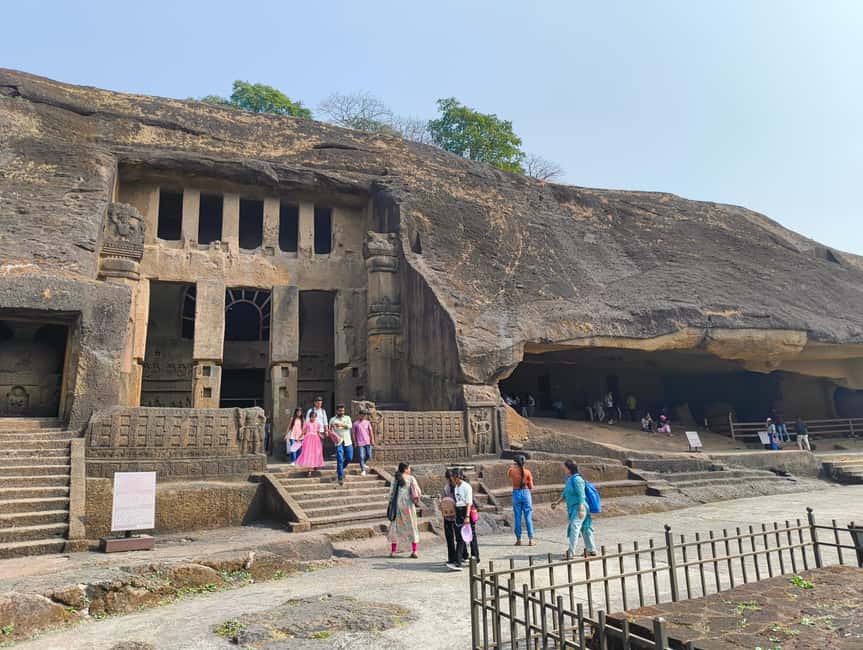
The cave visit is the main event, and it’s guided. You get roughly a 2-hour guided tour and sightseeing time at Kanheri, which is long enough to understand the big features without feeling rushed.
Inside, you’ll move through ancient rock-cut spaces decorated with Buddhist sculptures, inscriptions, and paintings. The site’s time range—100 BCE to 1000 CE—helps you connect the dots between art style, meaning, and how long this community supported itself in the area.
The tour approach focuses on function, not only beauty. You’ll learn how parts of the caves were used for meditation, shelter, meetings, and learning. That’s a key difference from a quick “wow, carvings” stop. When you understand what the space was for, you start noticing details in a new way—like how the layout supports quiet practice and how art works as teaching.
If you’re a photo person, this is also a solid place to capture memories. The caves are visually strong, and having a guide means you’re more likely to frame shots around meaningful sections rather than just random corners.
The Guide Factor: English, Facts, and Real Care
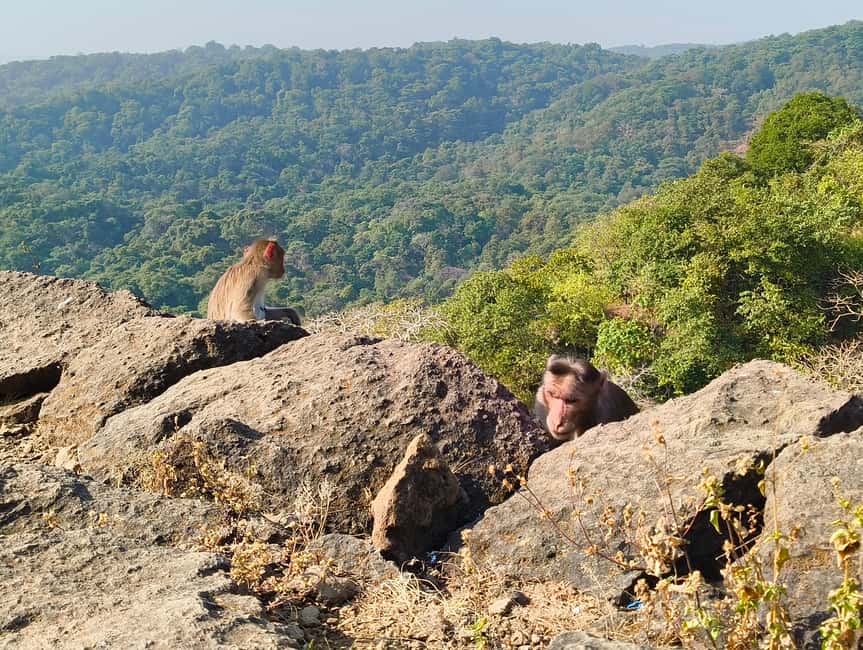
A good guide turns a cave visit from scenery into story. This experience runs with an English-speaking guide (and English or Hindi support), and the best part is the way explanations connect to what you’re staring at.
Ravi is repeatedly mentioned as a standout. People note that he’s professional, punctual, and gives lots of facts with strong English. The pace also comes up often—he keeps things moving without rushing the important parts, and he answers questions with patience.
There’s another practical detail I appreciate from the feedback: warmth and hydration. One reviewer specifically mentions that Ravi made sure there were plenty of drinks during a hot day. That’s the kind of small care that makes the difference when you’re in a forested setting where you still work up a sweat.
Also, this isn’t a stiff museum lecture. The tone comes across as friendly and adaptive, which matters when you’re with kids or when someone has questions that go off-script.
When Kanheri Caves Are Closed: The Golden Pagoda Shift
Life happens. Sometimes the caves can be closed due to major causes. The good news is that your guide can adjust.
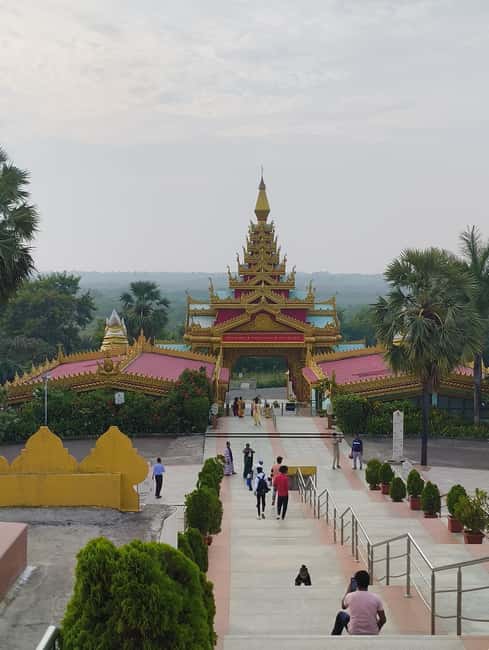
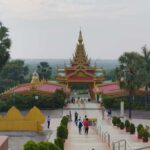
In one reported experience, Ravi was flexible when Kanheri Caves were closed and the group chose another option, going to the Golden Pagoda instead. That same account also mentions a stop at a local vegetarian street food stand at the end for a more local finish.
So here’s the smart mindset: plan your day around themes—Buddhist sites, spiritual context, and local Mumbai flavor—rather than expecting every hour to match a fixed script. If Kanheri access changes, you’ll still have a meaningful alternative instead of just waiting around.




Panoramic City Views: Why the Mountain Top Matters
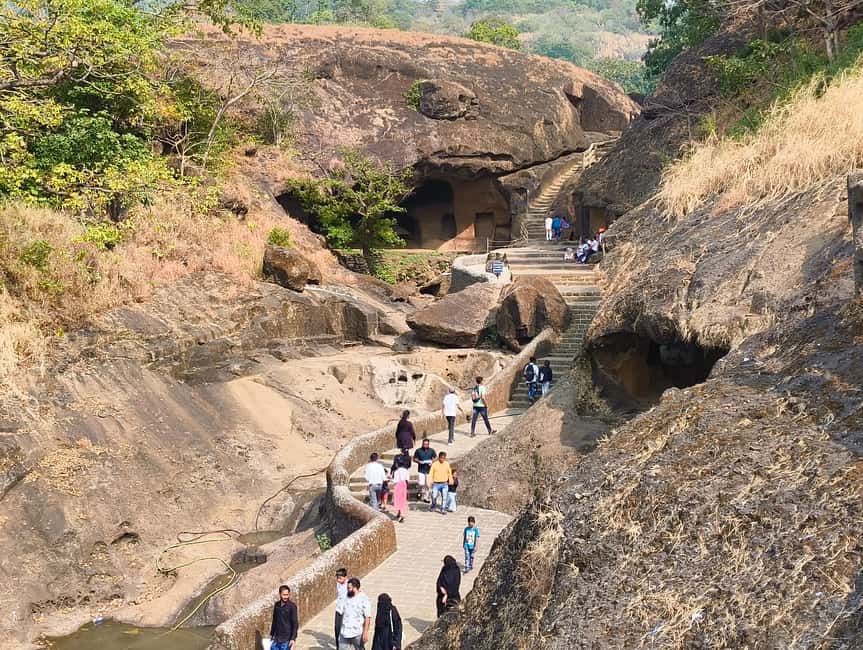
The highlights call out a panoramic view of the city from the top of the mountain. Even if you’ve visited Mumbai before, that view adds a big emotional layer: you’re seeing how the city rises around green space and historic sites.
This is one of those moments that makes the cave day feel complete. The caves are about practice and quiet. The view is about perspective—proof that you climbed for something more than rocks on a cliff.
Wear shoes you trust. The “top” moment often comes with uneven ground and steps, and comfortable footwear is the difference between enjoying the climb and wishing you had planned differently.
Price and Logistics: What $23 Buys (and What It Doesn’t)
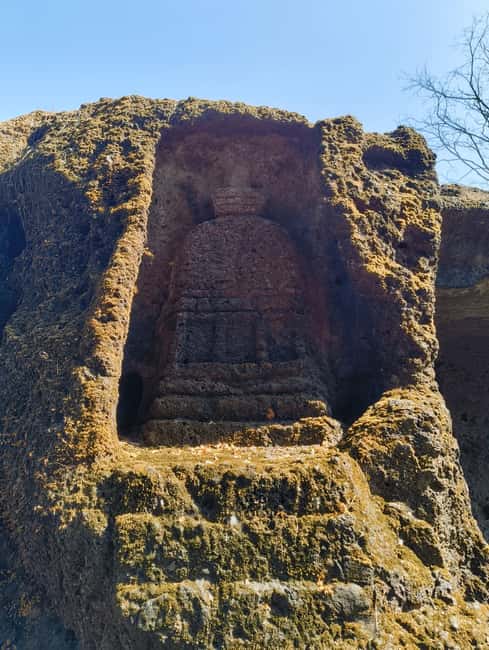
At about $23 per person, this is positioned as a value-focused guided day. You’re paying for more than a ticket. Your included costs cover an English-speaking guide, entry tickets, transport fees, and bottled water. If you choose a pickup and drop-off option, those transfers are included too.
That’s the main value logic: you don’t have to coordinate separate tickets and transport to reach the caves. You also skip the ticket line, which saves time when you’d rather spend it inside.
Where it can fall short is also straightforward. Meals are not included. And the transport piece can be a bit of a surprise: even when the tour is private, the ride can still use public transport. One reviewer describes it as fair but notes the public transport element. If you hate crowded vehicles, keep that in mind.
So the best budgeting move is simple: plan snacks or a full meal on your own before or after the tour. If your guide adds a local vegetarian street food stop in your day’s timing, great. Don’t build your entire meal plan on it.
The Full Flow of Your Day (Without the Guesswork)
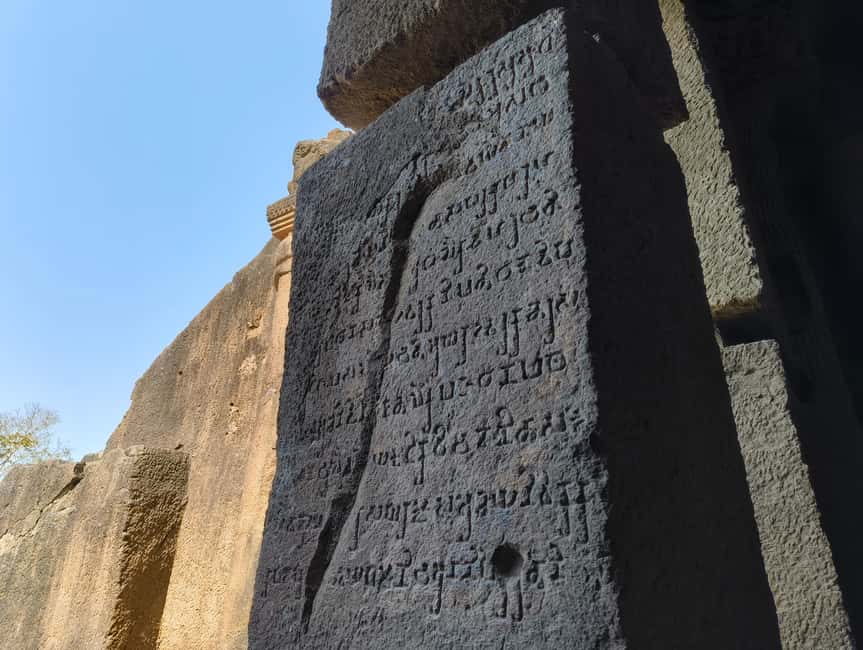
You start at the main gate of Sanjay Gandhi National Park. If you select pickup options, you’ll be collected from a given location, but the meeting point is still the park’s main entrance.
From there, you take the bus or coach toward the caves (about 20 minutes). This gives you a smooth warm-up into the park environment. The guided Kanheri portion then takes about 2 hours, focused on the cave complex: sculptures, inscriptions, paintings, and the Buddhist settlement story that ties it together.
When the cave time ends, you return to the main gate using the same route. After that, you’re dropped back at Mumbai locations depending on your selected option. One listed drop-off area includes Western Urban Road near the National Park access on Kanheri Caves Road, so you know you’re not being left in the middle of nowhere.
Duration is listed as 2.5 to 7 hours depending on the option and timing. If you want a shorter day, choose accordingly. If you want time for photos and a calmer pace, go for the longer end of the schedule.
Tips for Shoes, Heat, and Photo-Friendly Timing
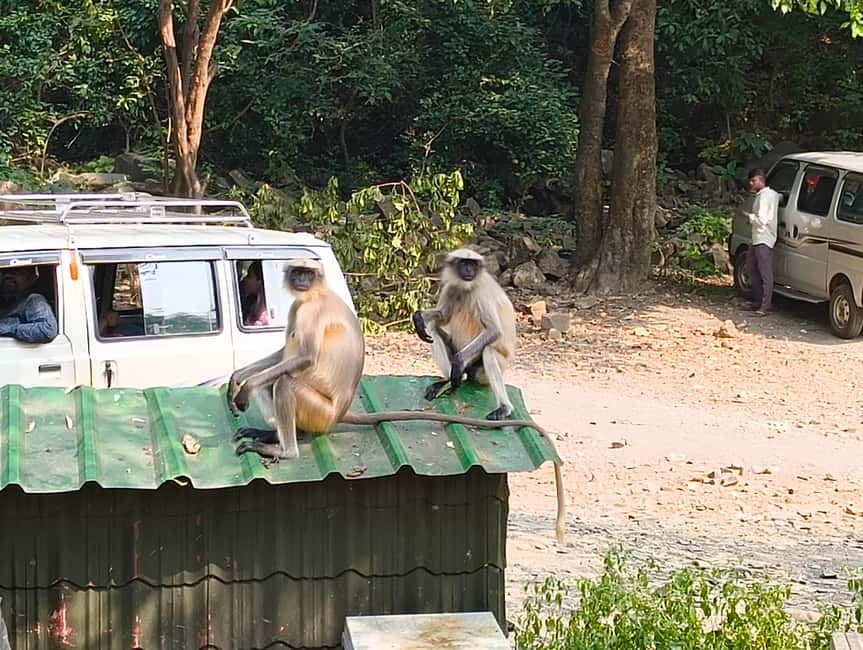
This trip is short on paper but real on your legs. Expect walking on uneven paths around caves and along viewpoints. Comfortable shoes aren’t optional here.
For warm days, hydration matters. Bottled water is included, and it’s a smart idea to bring any extra you like if you know you sweat a lot. Also, wear something breathable. You’ll be in a forested park, but you’ll still feel Mumbai heat.
For photos, go with a simple plan: capture the cave art first, then switch to scenic shots once you’re higher up for that panoramic view. If you try to do everything in random order, you end up with half the photos that don’t show what you learned.
Who This Tour Suits (and Who Should Skip It)
This works best for you if you:
- Want a guided cultural day that includes context, not just a walk-by
- Enjoy Buddhist sites, rock-cut art, and historical settings
- Like the idea of combining spirituality with a nature day in the same outing
It’s also a good pick for families, since people mention doing the tour with a young child and feeling it was well handled.
It’s not suitable for pregnant women, and pets aren’t allowed. If either of those applies, you’ll need a different plan.
Should You Book This Kanjeri Caves and Golden Pagoda Tour?
Yes—if you want a guided, value-priced day that mixes Buddhist history with nature and still leaves you time to enjoy the views. The strong point is the guide-led storytelling, especially with Ravi highlighted for professional, flexible, English-forward hosting. You also get practical extras baked in: entry tickets, transport fees, bottled water, and ticket-line skipping.
I’d hesitate only if you strongly dislike public-transport style rides or you’re strict about meal planning, since meals aren’t included. If that’s you, bring snacks and keep expectations flexible.
If Kanheri access goes sideways, it’s not automatically a wasted day. There’s evidence your guide can pivot to the Golden Pagoda option and keep the experience meaningful—plus potentially add a local vegetarian street food stop when timing works out.
Overall: this is a smart way to see a major historical site without turning your day into logistics.