REVIEW · MUMBAI
Bombay by Dawn
Book on GetYourGuide →Operated by Mystical Mumbai · Bookable on GetYourGuide
Dawn in Mumbai hits fast. This 4-hour Bombay by Dawn experience is built around the city’s earliest trade—newspapers, fresh produce, and the Sassoon docks fish market—so you see Mumbai as a working system, not just a postcard. I especially love the way morning food freshness drives everything, from bargains in wholesale lanes to the first deliveries that power the day. You’ll also get an up-close look at the smell-and-work reality of the Sassoon docks wet dock, open to the public and hard to forget. One drawback to plan for: the whole thing depends on being awake at 4:30AM, and starting later can mean you miss parts of the dawn rush.
I also like how the tour blends street-level markets with one small train ride, which helps you feel the city’s real pace beyond a car window. Guides can bring it to life with local context—one guide, Raj, explained Banganga’s water tank and how it’s tied to Mumbai’s funeral traditions, and another guide named Anthony led a route that left people feeling they understood the city better. If you’re expecting a slow, comfortable morning, this probably won’t be your style; it’s an early, active route, and it’s listed as not suitable for pregnant women.
In This Review
- Key things I’d put on your radar
- Waking Up Mumbai: the 4:30AM start that changes everything
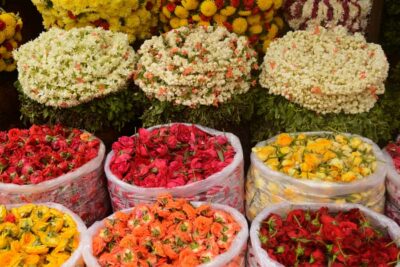
- Newpapers, fruit, flowers, and vegetable wholesalers: seeing the supply chain at human speed
- The Sassoon docks fish market: why that smell is part of the real story
- A short distance train ride: local movement, less tourist bubble
- Banganga and Marine Drive sunrise stops: context you’ll either love or skip
- Morning prayer in a famous temple: meaningful, but don’t count on extra time
- Price and value: what $64 buys you in real-world experience
- Logistics and comfort: how to pack for an early, active morning
- Who this tour suits best (and who should choose another plan)
- Should you book Bombay by Dawn?
Key things I’d put on your radar
- The 4:30AM pickup: You’re out before most of Mumbai even starts to think about breakfast.
- Newspaper vendor first: You’ll see how information and logistics arrive right alongside food.
- Fruit, flower, and vegetable wholesalers: Bargaining is part of the show, not a side note.
- Sassoon docks fish market: The smell is real, and the working docks are a standout.
- A short distance train ride: It adds local rhythm and removes some car-only sightseeing.
- Morning temple prayer: A meaningful end point, but it’s time-sensitive.
Waking Up Mumbai: the 4:30AM start that changes everything
This tour starts with a hotel pickup at 4:30AM. That’s early enough that your brain will still be negotiating with sleep, but that timing is the whole point. Mumbai’s morning trade runs on freshness, and freshness is measured in hours, not days. When you show up at dawn, you’re seeing the system before it gets cleaned up for visitors.
You drive to marketplaces first, then walk through wholesale areas. That combination matters: you get transportation comfort at the transfer points, and you get the human scale up close when you’re on foot. The experience runs for 4 hours, so it stays focused. You’re not wandering for half a day hoping something interesting appears.
One practical consideration: you won’t get food or drinks as part of the tour. You’re tasting the city through sights and smells, not through included breakfast. Bring your own water plan for after, and be ready for the fact that the best moments arrive before you feel fully human.
You can also read our reviews of more tours and experiences in Mumbai.
Newpapers, fruit, flowers, and vegetable wholesalers: seeing the supply chain at human speed
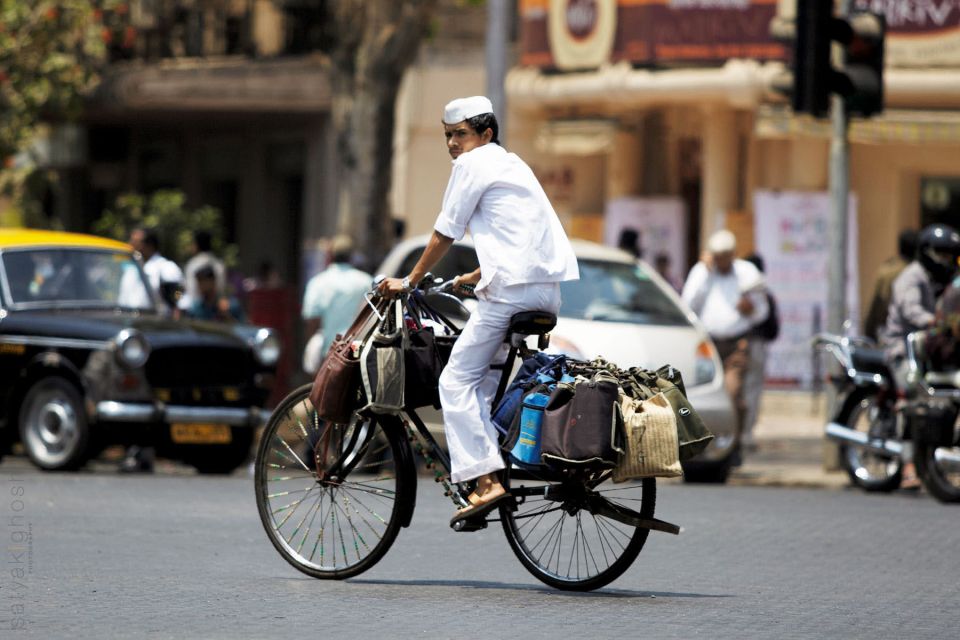
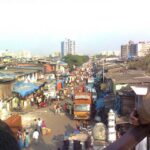
The first interaction is with a newspaper vendor. It may sound ordinary, but it’s actually a great way to start: you’re watching how Mumbai moves information through streets and routines. Then you’ll cross the street to wholesale trading areas for fruit, flowers, and vegetables.
What makes this stop valuable is the bargaining and the quick choreography. People aren’t shopping like you do at a supermarket. They’re sourcing supplies for restaurants, stalls, and shops, with decisions happening fast because the day’s demand starts immediately. You’ll see men and women bargaining for fresh supplies for the day ahead, which tells you something important about local trade culture: speed and relationships matter.
If you’re the type who likes to understand how cities function, this is where the tour pays off. It’s not just about what’s sold; it’s about why mornings carry so much economic pressure. Fresh produce and early deliveries mean mornings aren’t a polite time of day. They’re the engine.
The main drawback here is timing. One traveler’s experience included missing certain parts—like the newspaper distribution and some market segments—because the tour appeared to start later than advertised. If you want the full dawn story, treat punctual pickup as part of the bargain with yourself. Set an alarm you can’t ignore.
The Sassoon docks fish market: why that smell is part of the real story
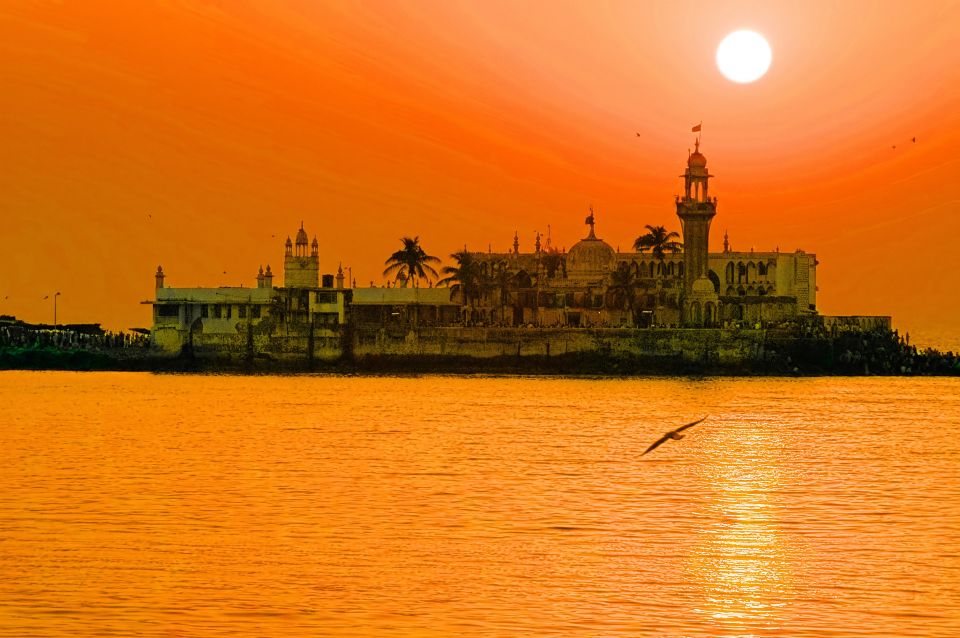
Next comes the stop that wakes you up fast: the Sassoon docks fish market. The tour highlights Sassoon docks as the city’s first wet dock and the only one open to the public. That access changes the perspective. Instead of seeing fish as a packaged product, you’re seeing the docks as a working shoreline economy.
If you’re wondering what the emphasis on fish is really about, it’s simple: fish doesn’t wait. The market is tied to early distribution, and you’ll see preparation and distribution for morning sales. The tour description leans into the sensory side—the smell of fish—but that sensation also signals urgency and hard work. It’s not unpleasant for the sake of shock. It’s what happens when food is fresh enough to smell like food.
There’s also a built-in reminder of place. Docks aren’t just scenery. They’re infrastructure—water, workspaces, routes, and schedules. When you stand near that action at dawn, you start to understand why local trade has its own geography.
Tip for your comfort: wear clothes you don’t mind getting the early-morning air on you. You might not be able to fully control odors, and that’s okay. Think of it as field study, not a spa visit.
A short distance train ride: local movement, less tourist bubble
The tour includes a small distance train ride. That one piece is small in time but big in effect. Cars can flatten the feeling of a city; trains add texture. You’ll get a glimpse of commuting energy and how movement works at street level.
Even if you’re not a train person, it helps you notice details: where people gather, how daily routines look when they’re not performing for you, and how the city’s layout shapes travel. It also breaks up the walking and drives, which matters when you’re starting early.
I like this part because it keeps the tour from becoming only market-focused. Markets tell you what people sell. The train tells you how people move to and from those markets—and how Mumbai’s day connects.
Banganga and Marine Drive sunrise stops: context you’ll either love or skip
Depending on the day’s route, you may pass through or stop near places that add context beyond pure market trade. One guide experience included a stop at Banganga, where Raj explained the water tank tied to the immersion of ashes of the dead in Mumbai. That’s heavy context, so the emotional tone is not the same as flower trading. It’s also part of what makes the tour feel grounded: Mumbai isn’t only about business. It’s about life cycles too.
Some routes may include a look toward Marine Drive near sunrise, with people jogging and meditating. If you enjoy seeing how locals use public space early in the day, this provides contrast: not vendors and docks, but the city’s calmer morning side.
Do note: these kinds of extra stops can depend on timing. If the tour starts later, you might lose segments. That’s not a complaint about the route itself; it’s just how short a 4-hour window really is.




Morning prayer in a famous temple: meaningful, but don’t count on extra time
The tour ends with morning prayer in one of the famous temples before dropping you back at your accommodation. This is one of the reasons the tour feels more human than a checklist. Markets show economics. Prayer shows how people structure the day before work fully takes over.
If you’re respectful, you’ll get a lot from this segment. You’ll also see how early schedules shape behavior. Temples typically require you to arrive on time and follow basic guidance from the moment you step in.
The caution is timing. In at least one experience, the prayer did not happen because the tour started too late. That doesn’t mean the prayer is optional—it means you should treat the advertised start time as important. If you sleep in, you don’t just miss a view. You can miss the tour’s final meaning-making moment.
Price and value: what $64 buys you in real-world experience
At $64 per person for about 4 hours, the price can look high until you count what’s included and what’s not. Included are the driver/guide, a professional guide, plus hotel pickup and drop-off. You also get the short train ride and visits to multiple trade points: newspaper vendor interaction, wholesale markets for produce and flowers, Sassoon docks fish market, and the temple prayer component.
What’s not included is food and drinks. That’s a big practical point. If you arrive hungry, you’ll want to plan for an early snack afterward. The tour is focused on sights, sounds, and real trade rather than breakfast service.
So is it good value? For the right traveler, yes. You’re paying for access to early logistics and the kind of local guidance that turns a market visit into an explanation of how Mumbai works. If you already know what you’re looking at, you could self-guide some parts, but dawn market navigation without local context is harder—and you might miss the most important interactions.
The overall rating reported for this tour is 4.5, based on 9 reviews, which suggests people generally felt the experience delivered. Just remember the recurring theme: the dawn timing matters.
Logistics and comfort: how to pack for an early, active morning
This tour is active and early, and it’s not suitable for pregnant women. That likely comes down to early walking, market conditions, and schedule intensity. If you have mobility concerns, it’s worth confirming with the provider before booking.
For most people, comfort planning will make or break the experience. Wear shoes you can stand in for a while. Choose layers because mornings can feel cooler even when the city warms up later. Also, expect market smells—especially around the docks. You can’t fully escape them, so the win is being prepared.
The tour guide language is German and Spanish, and your tour is led by a live guide. If you don’t speak those languages, you can still follow much of the visit through observation, but you’ll get more out of it if you’re comfortable with basic phrases or translation support.
One more practical note: one guide-led experience included an unexpected pause due to the guide dealing with something related to his work, and the group was offered tea and cookies during the wait. That’s not something to fear, but it does highlight that early mornings can bring real-life interruptions in a working city.
Who this tour suits best (and who should choose another plan)
You’ll love this tour if you want Mumbai through work—food sourcing, wholesale bargaining, docks logistics, and the daily rhythm of information and transport. It’s ideal for curious travelers who enjoy markets and want their city sightseeing to explain itself.
It also suits travelers who like a mix of sensory experiences and structured stops: newspaper vendor → wholesale lanes → fish market → short train ride → temple prayer. It’s fast, but it stays coherent.
You might not love it if:
- you hate very early mornings
- you need included breakfast or long rests
- you’re looking for a relaxed photo walk only
- you have limited tolerance for strong smells near food markets
Should you book Bombay by Dawn?
If you book, book it for the dawn trade story, not for comfort. For the price, you’re getting hotel pickup, a knowledgeable guide team, early access to multiple market worlds, a short train ride, and a temple prayer ending. That combination is hard to recreate on your own at 4:30AM.
My advice: commit fully to the early start. Set up your morning so you’re not fighting the alarm. If you can do that, this tour is one of the more authentic ways to understand Mumbai’s day—because it begins where the work begins.