REVIEW · JODHPUR
Bishnoi Village Safari Private Half Day Tour
Book on GetYourGuide →Operated by Balaji Forex Tours And Travels · Bookable on GetYourGuide
Watch desert animals wander near real homes. This private Bishnoi Village Safari is built for a tight 3-hour window: you start in Jodhpur, ride out by private Jeep, and meet people in villages such as Guda Bishnoiyan, Kakani, and Salawas.
What I like most is the way the tour points you toward daily village life, not just photo stops, and the focus on spotting wildlife along the way and around the village areas. One possible drawback: if you expect long walks and lots of time out of the vehicle, the schedule can feel more stop-and-meet than full roaming, and some visitors found the pace a bit rushed.
In This Review
- Key things to know before you go
- From Jodhpur to the Bishnoi villages: how this private Jeep safari feels
- Guda Bishnoiyan: wildlife sightings plus real conversation
- Kakani block printers and the hands-on craft rhythm
- Potter’s village: watching pottery form, then trying it
- Salawas and interlock carpet weaving: craftsmanship you can actually see
- Timing and value: what $20 buys in 3 hours
- Wildlife expectations: what you can realistically spot
- Comfort and practical tips (this tour is sun-heavy)
- Who this tour suits best (and who should skip it)
- Should you book the Bishnoi Village Safari Private Half Day Tour?
- FAQ
- How long is the Bishnoi Village Safari Private Half Day Tour?
- Where does the tour start, and is pickup included?
- What villages and stops are included?
- What’s included in the price?
- What is not included?
- Is the guide English-speaking?
- What should I bring, and are there restrictions?
Key things to know before you go
- Guda Bishnoiyan wildlife watching: you’ll spend time in/near the village area looking for desert animals and getting context from local families
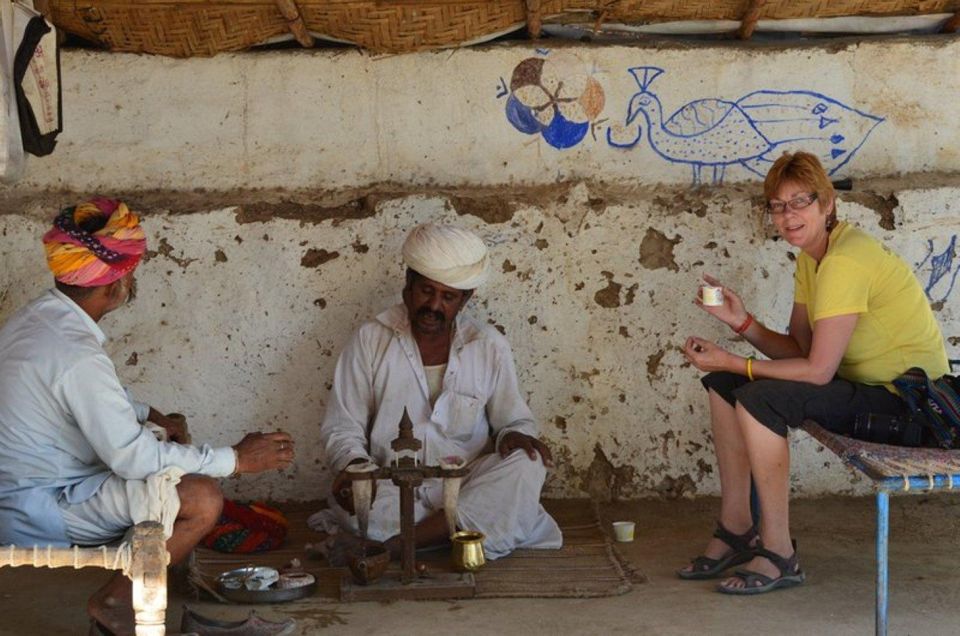
- Kakani block printers village: expect to see handprint-style fabric work and chat about how it’s done
- Potter stop: watch pottery being made and try your hand if the moment allows
- Salawas interlock carpet weaving: you’ll see carpet weaving skills demonstrated in the village setting
- 3 hours, not all-day: tight timing means you should plan for short, focused stops rather than long excursions
From Jodhpur to the Bishnoi villages: how this private Jeep safari feels
This is a half-day format at about 3 hours, with pickup and drop-off in Jodhpur. You ride in a private vehicle (a Jeep), so you’re not squeezed into a big bus day, and you can generally move at the timing your guide has set.
Because it’s private, you also get a better chance to ask questions as you go. That matters on a tour like this, where so much of the value is in the human explanations—how families live, work, and relate to the local wildlife.
The biggest thing to understand is pacing. You’ll be in the vehicle between stops, and the tour is designed to hit several different village-style experiences rather than slow travel through one place.
You can also read our reviews of more tours and experiences in Jodhpur.
Guda Bishnoiyan: wildlife sightings plus real conversation
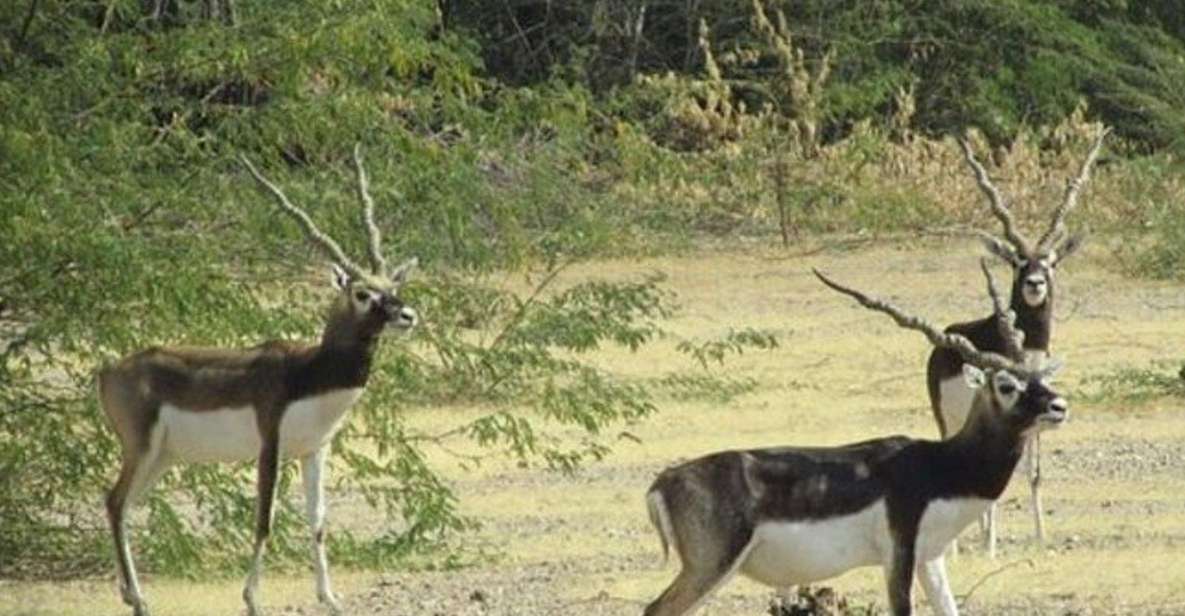
The day starts with pickup from Jodhpur and the drive to Guda Bishnoiyan (sometimes spelled Gudha/Guda Bishnoiyan depending on the operator materials). Here’s where the tour’s “safari” side becomes most noticeable: you’re there to witness the local wildlife scenario and interact with Bishnoi families in the area.
This is also the moment where you’ll likely get the best sense of what makes this tour different from a standard craft day. The idea isn’t just to see animals from a distance—it’s to understand the shared space between village life and the desert ecosystem around it.
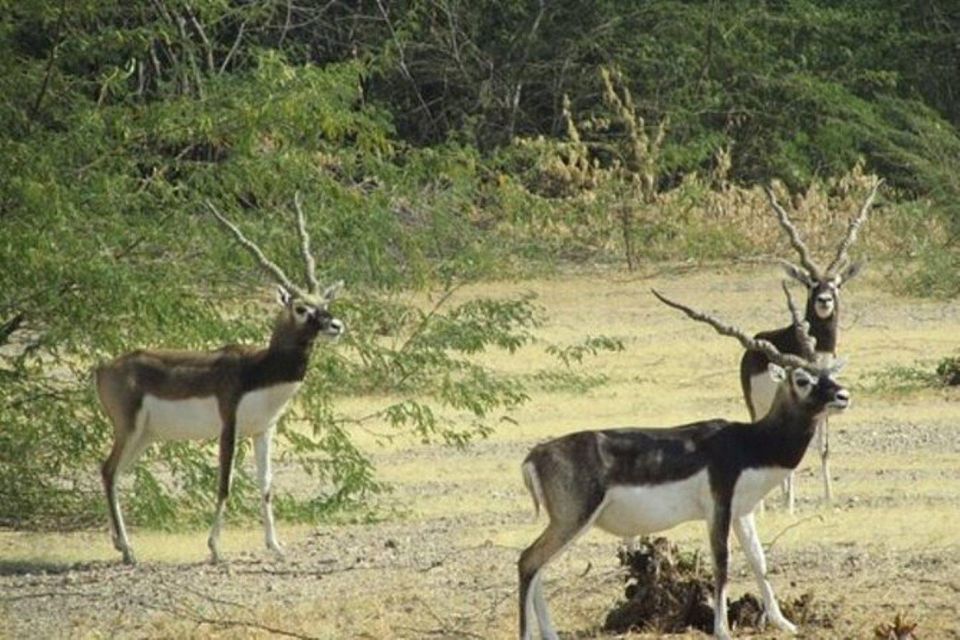
One practical hint: wear comfortable shoes and keep your sun gear handy. Wildlife spotting often means pausing, standing, and watching from the roadside or village edges. In one reported highlight, the group saw blackbucks, which is exactly the kind of sight that makes this style of stop feel worth the ride.
A small consideration: some people felt the visit around this stop didn’t include a long village walk. If your main goal is extended wandering on foot, you might feel more satisfied if you mentally frame this as short, guided viewing plus conversation.
Kakani block printers and the hands-on craft rhythm
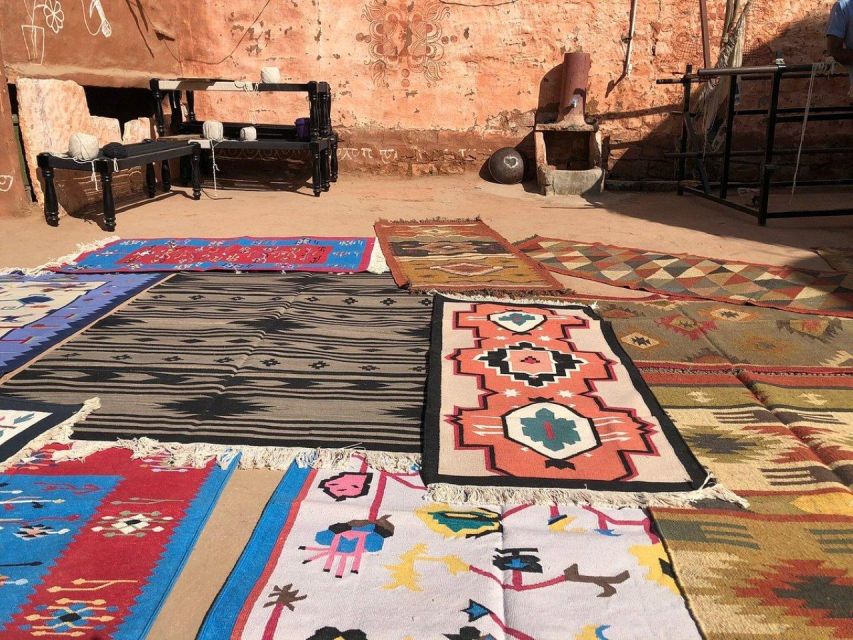
After Guda Bishnoiyan, the tour moves toward Kakani, described as a block printers village. This part is where the tour shifts from wildlife viewing to the practical skill of stamping and printing designs onto fabric.
Even if you don’t buy anything, the value is in watching how the process works: where designs come from, how patterns are laid out, and how the work fits into the village economy. A craft demo can be fast on some tours, but this one is designed as a “meet the maker” style stop.
This is also a good place to ask your English-speaking guide to explain what you’re seeing in plain terms. A common theme in strong feedback for this tour is that the guide’s explanations can make even short stops feel meaningful.
If you’re hoping for a lot of time with the fabric process hands-on, temper expectations. The tour is only half a day, so you’ll likely get observation and conversation rather than an all-in workshop.
Potter’s village: watching pottery form, then trying it
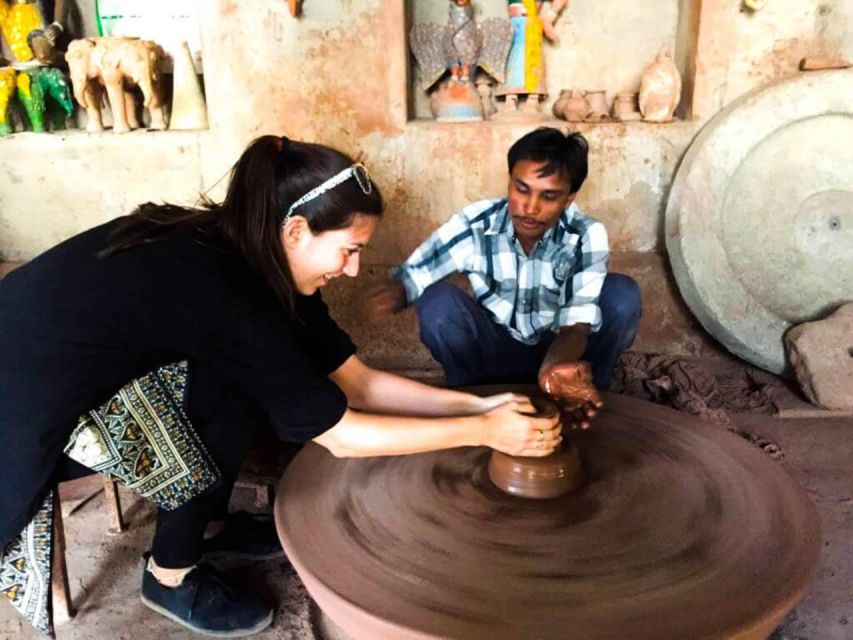
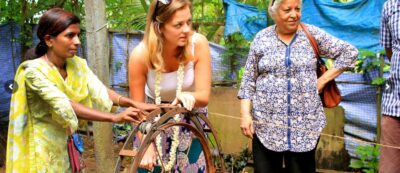
Next comes the Potter’s village segment, centered on pottery work. You can watch people making pottery and, depending on the flow, try hands with the craft so you understand the basics of shaping and forming.
Pottery is one of those activities that benefits from being close enough to see the hands and the tools. In a short stop, you won’t learn full pottery technique, but you can still walk away with a stronger appreciation of the steps and patience involved.
One practical note: bring shoes you don’t mind getting a little dusty. Village craft stops can mean uneven ground and close contact with workshop areas.
If you’re sensitive to surprise “extra moments” (for example, a private-style ceremony from someone’s home or a demonstration that feels personal), know that these village experiences can sometimes go beyond a standard scripted stop. That’s part of the charm for many people and a mismatch for others.
Salawas and interlock carpet weaving: craftsmanship you can actually see
The final village stop is in Salawas, described around interlock carpet weaving. This section is about textile work and skill passed through generations. Even if you’ve seen carpets in markets before, watching weaving being done in the village setting helps you understand the effort behind what you usually just browse as finished goods.
Weaving tours also tend to give you great photo opportunities, but the best way to do this stop is to slow down. Focus on the rhythm of the work, the tools, and how the weavers explain what they’re doing.
This is the point in the schedule where it helps to be honest with yourself: if you’re tired from sun and driving, you might still enjoy the craft demos, but you’ll want to keep your attention on the most interesting parts. With only 3 hours total, energy management is part of getting value.
Timing and value: what $20 buys in 3 hours
At about $20 per person, this tour can be a good value if you’re after three things at once: a private Jeep ride, an English-speaking guide, and multiple village experiences packed into a short window.
Here’s what’s included in the price: hotel or station pickup and drop-off in Jodhpur, all taxes/fees/handling charges, fuel surcharge, and transport by private Jeep. Entrance fees aren’t included, and food and drinks aren’t included unless specified.
So you’re paying mostly for the vehicle time, the guide, and the access/flow between spots. That’s why the guide matters so much on this type of tour. When the guide is strong, you get context quickly and you can adjust on the fly—asking questions, spending a bit longer where something interests you, and moving efficiently between stops.
A caution from real-world variability: the tour is listed as 3 hours, but some experiences can end up closer to 2.5 hours, with a larger share of time spent in the Jeep. You can’t control traffic or pacing, but you can control your expectations. Treat it as a fast, curated route rather than a slow, nature-heavy safari day.
Wildlife expectations: what you can realistically spot
This tour is marketed around wildlife sightings, and it’s set up for you to look for animals in the areas you pass and visit. The content leans toward desert wildlife and local animals near village routes, not long-distance jungle tracking.
One strong wildlife note: a reported highlight includes seeing blackbucks. That’s the kind of moment this tour aims for—brief but memorable wildlife glimpses that make you feel you’re seeing the broader environment, not just a workshop circuit.
If you’re the type who needs guaranteed sightings, this isn’t that. But if you enjoy patient looking and you’re happy mixing animal watching with village storytelling, this tour can hit the right note.
Comfort and practical tips (this tour is sun-heavy)
This is an outdoor, roadside, village-and-craft mix, so bring the basics:
- Comfortable shoes for walking on uneven ground
- Sunglasses and a sun hat for long pauses and watching
- Sunscreen because the route is mostly outdoors
Also keep in mind what’s not allowed: pets aren’t allowed.
Not every body type works for this style of safari either. This tour isn’t suitable for pregnant women, people with mobility impairments, and wheelchair users. Even though it’s private, you’ll still be moving between vehicle and village areas, and the ground can be uneven.
If you want a smoother experience, plan to travel light and wear clothes that you can comfortably re-wear the next day.
Who this tour suits best (and who should skip it)
I’d recommend this tour if you want a compact day that blends three angles:
1) desert-area wildlife spotting
2) short, guided village conversations
3) craft demonstrations like block printing, pottery, and weaving
It’s a good fit for first-timers in Jodhpur who don’t want a full-day commitment but still want something more authentic than a shop circuit. It also works well for couples and small groups who like private guiding and direct Q&A.
Skip it if you need a long walking itinerary, barrier-free access, or a food-focused experience. And if you strongly dislike being brought into family spaces for ceremonies or personal moments, keep your expectations flexible. Village interactions can include spontaneous personal demonstrations, depending on what your hosts are doing that day.
Should you book the Bishnoi Village Safari Private Half Day Tour?
Book it if you like the idea of a private Jeep route with quick stops that mix wildlife viewing and village crafts, all in about 3 hours. At around $20 per person, it’s the kind of tour that can feel like good value when the guide explains what you’re seeing and when you enjoy short, human-scale interactions.
I’d pass if you’re the type who wants a slow-paced safari, long village walks, or a very predictable, strictly scripted itinerary. Also think twice if accessibility is a concern, since it isn’t suitable for wheelchair users and may involve uneven ground.
If you do book, do one smart thing: bring sun protection, wear solid shoes, and treat the time in the Jeep as part of the experience. This tour works best when you’re curious, patient, and ready to connect the dots between wildlife and daily village life.
FAQ
How long is the Bishnoi Village Safari Private Half Day Tour?
The tour duration is listed as 3 hours.
Where does the tour start, and is pickup included?
Pickup and drop-off are included in Jodhpur (hotel or airport/station pickup).
What villages and stops are included?
You’ll visit Bishnoi villages such as Guda Bishnoiyan, Kakani, and Salawas, with craft-focused stops described as block printing, pottery work, and interlock carpet weaving.
What’s included in the price?
Included are pickup and drop-off in Jodhpur, taxes/fees/handling charges, fuel surcharge, and transport by private Jeep.
What is not included?
Entrance fees are not included. Food and drinks are also not included unless specified.
Is the guide English-speaking?
Yes, the tour includes a live English-speaking guide.
What should I bring, and are there restrictions?
Bring comfortable shoes, sunglasses, a sun hat, and sunscreen. Pets are not allowed, and the tour is not suitable for pregnant women or people with mobility impairments or wheelchair users.