REVIEW · AMRITSAR
Amritsar: Full-Day Private Sightseeing Tour w/ Wagah Border
Book on GetYourGuide →Operated by Indian Thematic Tours · Bookable on GetYourGuide
Golden light and border drums in one day. I like this itinerary because it starts at the Golden Temple, with real time to see the Sarovar and the free langar kitchen, then caps the day with the Wagah border ceremony for that disciplined, high-energy ending.
Plan on paying extra for entry tickets and lunch, since those aren’t included. Also note it’s not suitable for people with mobility impairments, and the day involves moving around at multiple stops.
In This Review
- Key highlights you’ll actually feel
- Golden Temple and langar: the morning that sets the tone
- Jallianwala Bagh: paying respect where history leaves marks
- Partition Museum plus personal stories after a heavy first half
- Lunch break: what you get and what you must plan
- Maharaja Ranjit Singh Museum in his summer palace
- Gobindgarh Fort and the sound-and-light show
- Wagah Border ceremony: the disciplined ending to your day
- Private guide, private vehicle, and why pacing matters
- Price and logistics: is $87 a good value?
- Who gets the best value at this price?
- Who might not
- What to bring and what to avoid
- Who should book this Amritsar full-day private tour?
- Should you book this tour?
- FAQ
- What’s included in the tour?
- Are entry tickets to monuments included?
- Is lunch included?
- What about the Wagah Border ceremony—can I just watch it for free?
- What’s the cancellation policy?
- Is this tour suitable for mobility impairments, and can I bring large bags?
Key highlights you’ll actually feel
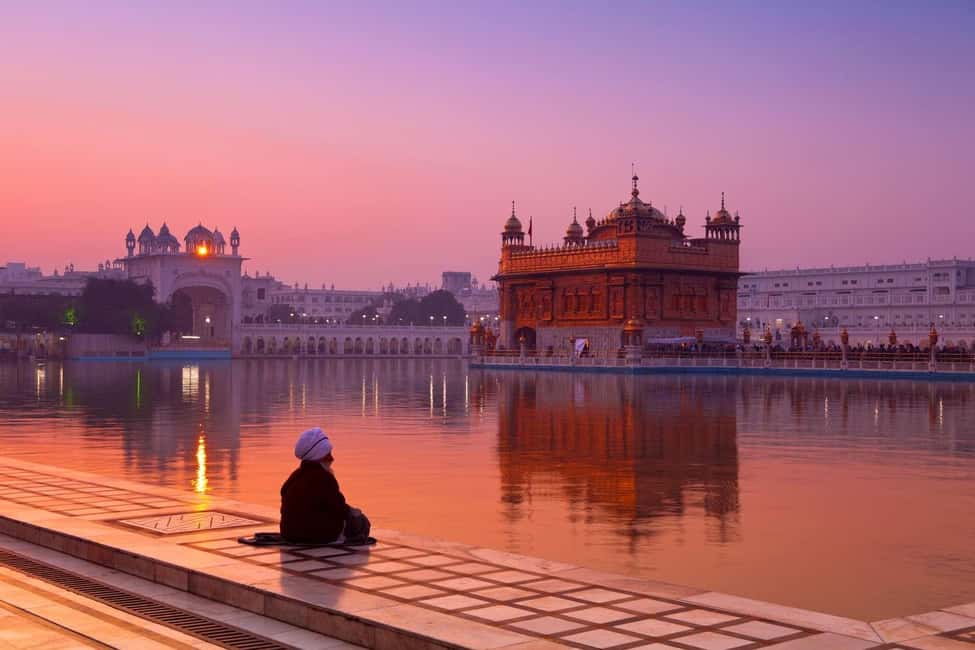
- Golden Temple with Sarovar walks and langar: you’re not just looking from the outside
- Jallianwala Bagh memorial details: bullet marks and a small museum to explain what happened
- Partition Museum emotional context: documentaries and oral histories centered on 1947
- Maharaja Ranjit Singh Museum at his summer palace: artifacts and weapons from the Sikh Empire era
- Wagah Border ceremony logistics: it’s free to watch, but you must be there for the best experience
Golden Temple and langar: the morning that sets the tone
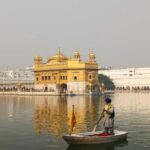
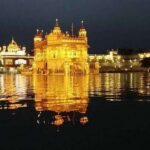
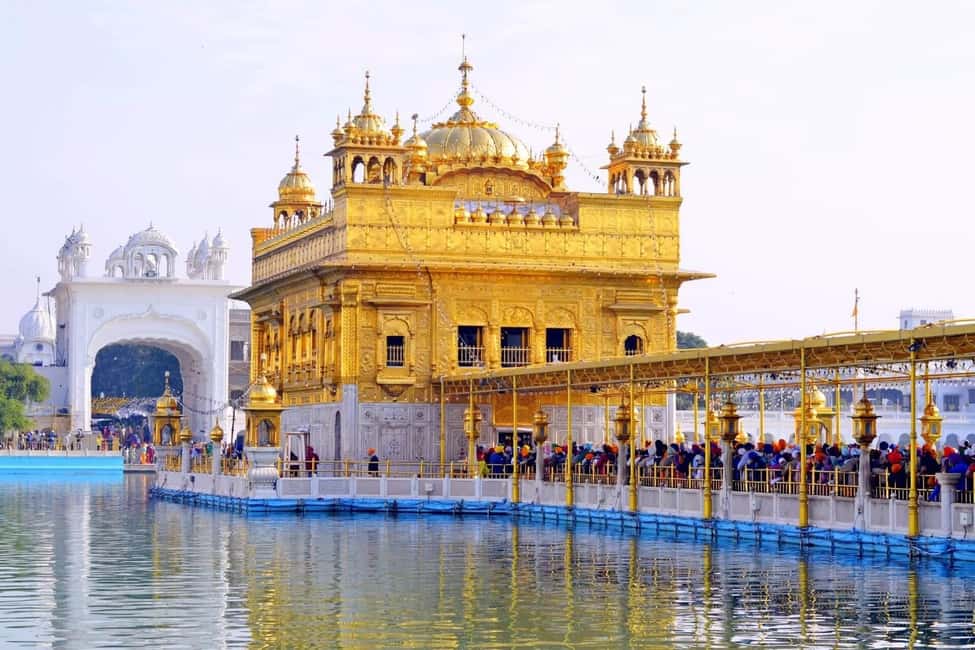
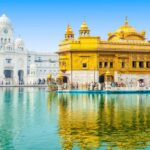
If you only have one day in Amritsar, the Golden Temple is the right place to start. This tour gives you the time to walk through the temple complex at a calm pace, not a quick photo run.
You’ll spend time around the Sarovar (the holy water tank), then move into the central temple area. What makes this stop more than “just architecture” is the langar, the community kitchen that serves free meals to thousands daily. I love that the itinerary treats langar as a highlight rather than an afterthought. It helps you understand the Sikh idea of service as something lived, not just displayed.
Practical tip: wear comfortable shoes. This day is built on walking between sites, and the Golden Temple area is where your feet will notice it first.
One more thing I appreciate: a good guide here can help you see what’s worth your attention, including where to focus your time so you feel the place instead of racing through it.
You can also read our reviews of more tours and experiences in Amritsar.
Jallianwala Bagh: paying respect where history leaves marks
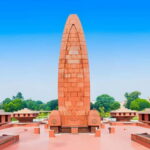
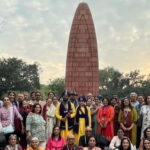
A short walk from the Golden Temple brings you to Jallianwala Bagh, one of the most sobering sites in India. This is where the 1919 massacre is remembered, and the memorial layout is designed so you can slow down and take it in.
Expect a memorial garden, plus the bullet marks on the walls—details that make the story harder to forget. There’s also a small museum that gives context for what happened on that day. This isn’t just a historical stop; it’s the kind of place that makes you stand still, read what you can, and reflect on the victims.
If you’re the type who prefers your history explained clearly, this tour’s live guide helps connect the visuals to the larger meaning. It also matters that the morning doesn’t turn this into a classroom lecture. The pace is built so you’re not just looking at one memorial and then instantly moving on.
Consideration: if you’re sensitive to tragic subjects, this stop is emotional by design. Plan your energy for it.
Partition Museum plus personal stories after a heavy first half
After Jallianwala Bagh, the tour shifts to a different kind of weight: the Partition of India in 1947 and what happened to people when borders and identities were violently redrawn.
You’ll visit the Partition Museum and spend time with exhibits built around mass migrations and personal stories. You can watch documentaries, and the museum includes oral histories—so you’re not only reading dates. You’re hearing accounts, which tends to make the period feel more immediate.
This is also a smart point in the day for context before lunch. You’ve already seen one tragic event (1919), and now you’re understanding another turning point that shaped the region for decades. It helps your brain connect the themes of survival, displacement, and memory.
Lunch break: what you get and what you must plan
Lunch is not included. That’s common on cultural tours, but it’s important because you’ll want something that doesn’t slow the day down.
Your guide can send you to a local Punjabi restaurant for a traditional meal (you’ll be tasting dishes like Amritsari kulcha, butter chicken, and lassi, depending on what’s available). I’d treat lunch as part of the experience, not a gap you rush through.
If you want a specific type of food (or a dietary need), tell your guide ahead of time. From the way this tour is run, flexibility is possible, and it can make the day smoother.
Maharaja Ranjit Singh Museum in his summer palace
Next up is a museum visit tied to the first maharaja of the Sikh Empire: Maharaja Ranjit Singh. The location is a summer palace now used as a museum, so you’re not only looking at objects—you’re standing in a setting connected to the era.
Inside, you’ll see exhibits featuring artifacts, paintings, and weapons associated with Maharaja Ranjit Singh’s time. This stop works well for two reasons. First, it breaks up the heavier memorial content with a different kind of learning. Second, it gives you a sense of how power, art, and military life intersected in that period.
This isn’t a “greatest hits of India” stop. It’s focused. That focus is a value: you come away with a clearer picture of one ruler and what defined his legacy.
What to watch for: ask your guide what each category of exhibits is trying to communicate. When someone explains the why behind the objects, the museum feels more like a story than display cases.
You can also read our reviews of more tours and experiences in Amritsar
Gobindgarh Fort and the sound-and-light show
After the museum stop, the day turns toward Amritsar’s military story at Gobindgarh Fort. This is a historic fort with museums inside, so you’ll get more than one angle on the past.
You’ll walk through the fort, visit the museums, and then experience the sound and light show that narrates its history. The show matters because it helps tie separate museum rooms into a single timeline. Even if you don’t catch every word (language can vary across such shows), the structure is designed to guide you.
Fort stops can sometimes feel repetitive on tours, but here the sound and light component gives it a break from reading and looking. It also helps families and groups—though this is still a private tour—because it gives a shared moment in the afternoon flow.
Practical timing note: the fort and show are a great place to reset before the big evening event at the border.
Wagah Border ceremony: the disciplined ending to your day
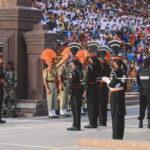
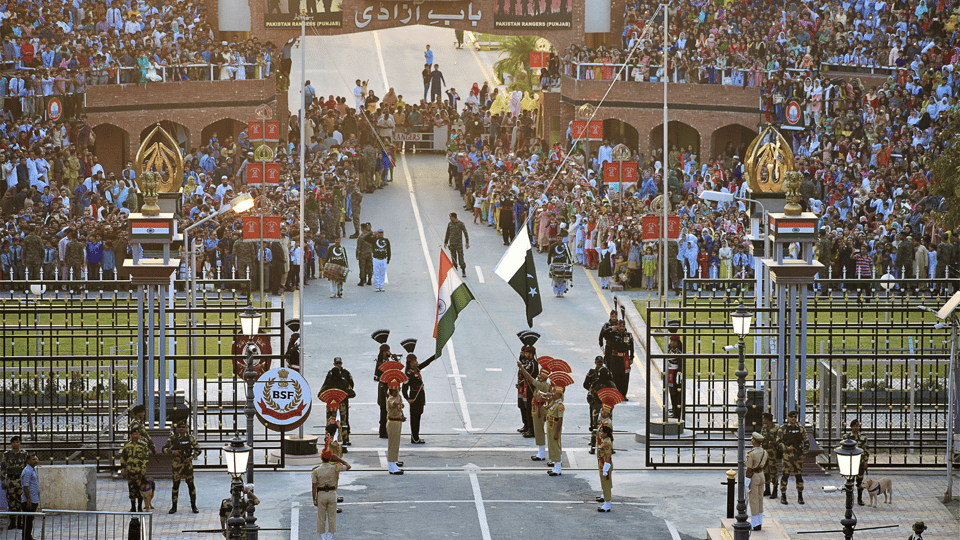
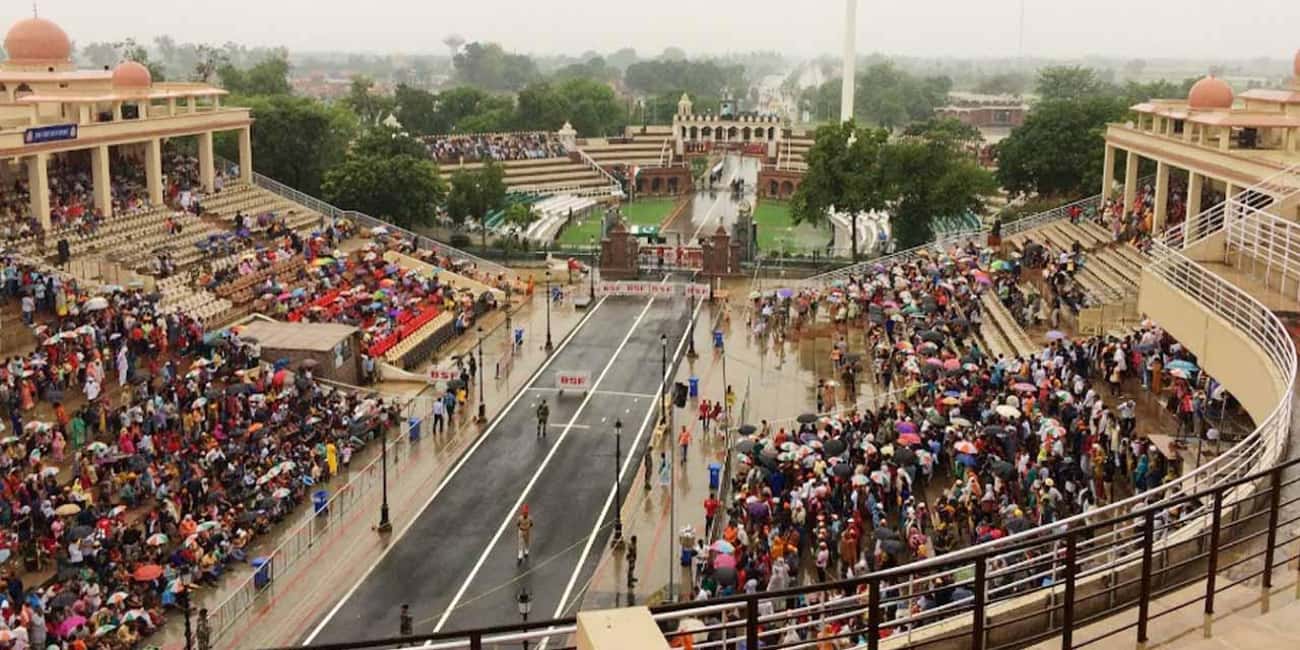
The final act is the drive to the India-Pakistan border for the Wagah Border ceremony. This is a daily military practice carried out jointly since 1959 by India’s Border Security Force and Pakistan’s Rangers.
The ceremony is free to watch, but you need to get there in time. That sounds obvious, but it’s the difference between settling in comfortably and feeling like you’re watching from wherever you can stand. That’s why having a guide who understands how to handle queues can be a big deal.
Once you’re at the ceremony area, you’ll see the parade, the lowering of the flags, and the synchronized, high-energy performances by soldiers from both sides. On paper, it’s a military ritual. In real life, it’s a full performance—tight timing, clear signals, and a charged atmosphere.
I also think the border ceremony is one of those events where context changes your experience. If you know it’s been happening daily since 1959, and that it’s shared practice between the two forces, the routine feels less like a spectacle and more like a long-running ritual.
A smart move: go with a small mindset. You’re there to watch, not to wander. The best experience comes from staying put and paying attention to how the timing works.
Private guide, private vehicle, and why pacing matters
This is a full-day private sightseeing tour with hotel pickup and drop-off. You travel in a private air-conditioned vehicle, so you’re not spending the day negotiating transport. You’ll also have a live tour guide, available in English, Hindi, and Punjabi.
That matters because the itinerary includes several types of places: spiritual space, memorial sites, museums, forts, and an active ceremony. Each has its own pace and expectations. A good guide helps you shift gears without feeling lost.
I’ve seen examples of guides running this day with a strong mix of emotion and control. In particular, names like Ingriet, Prince, and Lovepreet show up as guides who kept things moving while also respecting the weight of the memorial stops. People also liked that certain guides didn’t try to steer the day into unwanted stops. That’s a real value on private tours: you bought a custom-feeling day, so you want the itinerary to match your interests.
One practical suggestion from that style of guiding: if you know what you want for lunch, tell the guide early. It reduces stress and keeps you from ending up with a meal you didn’t want.
Price and logistics: is $87 a good value?
At $87 per person for a one-day private tour, the biggest value is what’s included: hotel pickup/drop-off, private air-conditioned transport, a live guide, and bottle water. Plus, the tour offers skip the ticket line, which can save time at high-demand places.
What’s not included is equally important. Entry tickets to monuments and lunch are extra. On a day like this, those costs can add up, but they’re manageable if you plan for them.
Who gets the best value at this price?
- If you’re staying in a hotel and want an easy, door-to-door day, private transport is usually worth the money.
- If you hate wasting time figuring out routes between far-flung stops, the schedule is a practical win.
- If you want interpretation (especially for Jallianwala Bagh and Partition Museum), a guide helps you understand what you’re seeing.
Who might not
If you’re a hardcore DIY traveler with strong local navigation skills and you’re comfortable booking each site yourself, you might be able to reduce costs. But you’d trade convenience and time savings for flexibility.
For most first-timers in Amritsar, this is a solid middle ground: organized enough to prevent chaos, flexible enough to feel human.
What to bring and what to avoid
Bring comfortable shoes. That’s the one “must.” Beyond that, pack light. Luggage or large bags are not allowed, so plan for only what you truly need for the day.
Also, keep in mind that the tour isn’t suitable for people with mobility impairments. The stops involve walking and moving between areas at multiple sites.
If you’re thinking about the border ceremony, remember it’s a day-ender and you’ll want energy for standing and watching. Light, practical clothing is the kind of choice that makes the day easier, though specific dress rules aren’t provided here—so stick to whatever your comfort needs are for long hours outdoors.
Who should book this Amritsar full-day private tour?
You should consider booking if you:
- want a first full-day overview that links spiritual Amritsar, memory, and modern ceremony
- prefer a private guide who can keep you on schedule
- care about interpretation at memorial and museum stops (Jallianwala Bagh and Partition Museum especially)
- want the Wagah Border ceremony as a live experience, not just a video
You may skip or choose another option if you:
- need accessibility accommodations (this one isn’t suitable for mobility impairments)
- don’t want a packed day with lots of walking
- don’t want to add extra costs for monument tickets and lunch
Should you book this tour?
Yes, if you want a full Amritsar day where every major stop has a purpose. Golden Temple and langar give you the spiritual foundation. Jallianwala Bagh and the Partition Museum provide context you can’t really get from pictures alone. The museums and fort add culture and place-specific learning, and the Wagah Border ceremony finishes the day in a vivid, high-energy way.
Before you book, do one simple thing: plan lunch in advance (or at least tell your guide what you’d like). The one non-included part of the day is also the part you’ll notice most if it goes wrong. Get your lunch decision ready, wear comfortable shoes, travel light, and this itinerary delivers a complete, memorable snapshot of Amritsar.
FAQ
What’s included in the tour?
Hotel pickup and drop-off, transportation in a private air-conditioned vehicle, a live tour guide (English, Hindi, Punjabi), and a bottle of water are included.
Are entry tickets to monuments included?
No. Entry tickets to monuments are not included.
Is lunch included?
No. Lunch is not included, though your guide can take you to a local Punjabi restaurant for a traditional meal.
What about the Wagah Border ceremony—can I just watch it for free?
The ceremony itself is free, but you need to get there in time to actually see it. The tour includes the drive to the India-Pakistan border for the ceremony.
What’s the cancellation policy?
Free cancellation is available up to 24 hours in advance for a full refund.
Is this tour suitable for mobility impairments, and can I bring large bags?
This tour is not suitable for people with mobility impairments. Luggage or large bags are not allowed.