REVIEW · CHENNAI
Chennai: George Town Origins Guided Walking Tour
Book on GetYourGuide →Operated by 5 Senses Tours · Bookable on GetYourGuide
Chennai’s past is easiest to spot on foot. This George Town Origins walking tour takes you from the East India Company era into the everyday life of markets, churches, and courts. I especially liked the way Fort St George sets the political stage, and the quiet power of the Armenian Church later on.
Two other things stand out for me: the Madras High Court stop is a real architectural moment, and the guide keeps the story clear as you move street to street. The only drawback I’d flag is that some older colonial buildings you see may look worn or deteriorated, so don’t expect everything to be pristine.
You’ll meet your guide at the entrance of Fort St George, then walk through George Town for about 3 to 3.5 hours with a small group of up to 10. The pace is relaxed enough for questions, but it is still a walking tour, and modest dress rules apply.
In This Review
- Key points I’d plan around
- Fort St George: your meeting point and the big backstory
- Madras High Court and St Mary’s Anglican roots in one route
- Dare House and Parrys Corner: the art deco commerce layer
- Netaji Subhash Chandra Bose Road and the China Bazaar stretch
- Armenian refugees, silk and spices, and the church stop that slows you down
- Price and pace: is $49 a good deal for 3 to 3.5 hours?
- What to wear and how to prepare for a smooth walk
- Who this tour fits best (and who might want to skip it)
- Should you book the George Town Origins guided walk?
- FAQ
- How long is the George Town Origins guided walking tour?
- Where do I meet the guide?
- What is included in the tour price?
- Is the museum visit always available?
- How big is the group?
- What languages are offered?
- What clothing is not allowed?
Key points I’d plan around
- Start at Fort St George: You begin at the first English fortress in 1644 and get the British rise-and-fall story in context.
- St Mary’s Church and the museum: Museum entry is included, but it is closed on Fridays, so timing matters.
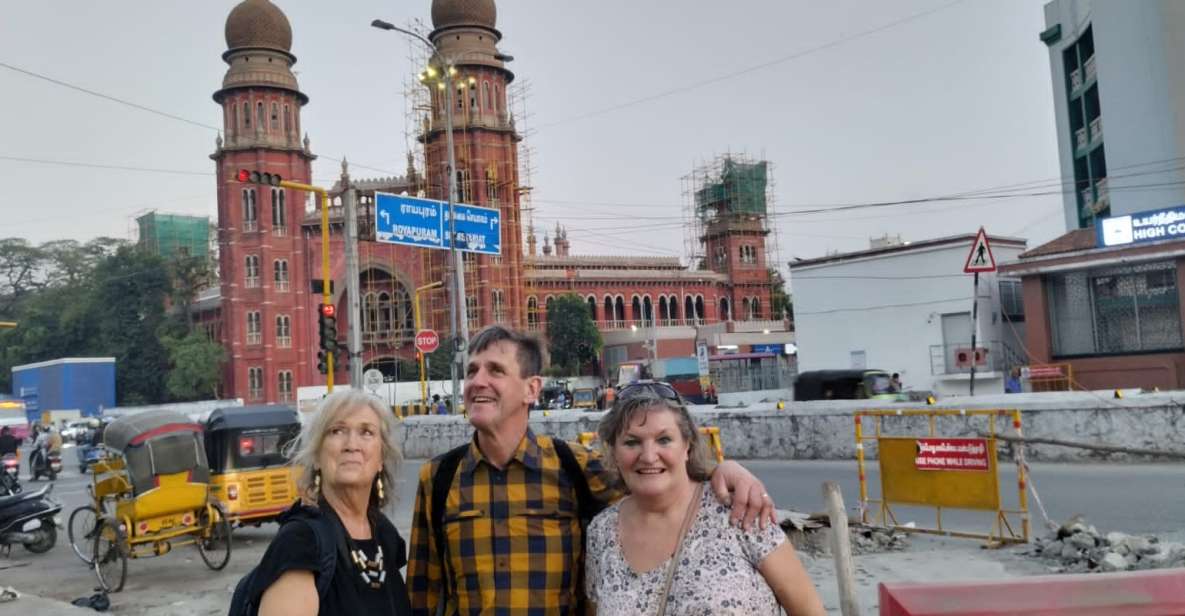
- Madras High Court (1862): A Gothic-style landmark that still serves today, making it feel alive, not like a prop.
- Dare House and Parrys connections: This art deco-era building ties commerce names to the city’s trading growth.
- China Bazaar Road markets: You pass stalls focused on practical goods like utensils, cosmetics, and clothes.
- Armenian trading legacy and church: A street and a church connected to refugees who traded in silk, spices, and gems.
Fort St George: your meeting point and the big backstory
Your tour day begins right where Chennai’s colonial chapter starts. Your guide waits at the entrance of Fort St George, the East India Company’s first English fortress built in 1644. That matters because the tour isn’t just a sightseeing loop. It’s anchored in a specific place where power, trade, and rule came together.
After meeting up, you’ll move into the museum at Fort St George. Entry is included, and the museum gives you a fast way to understand how the British came to dominate India and how independence ultimately followed. One practical note: the museum is closed on Fridays, so plan for a slightly different emphasis if your day lands there.
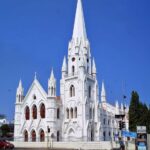
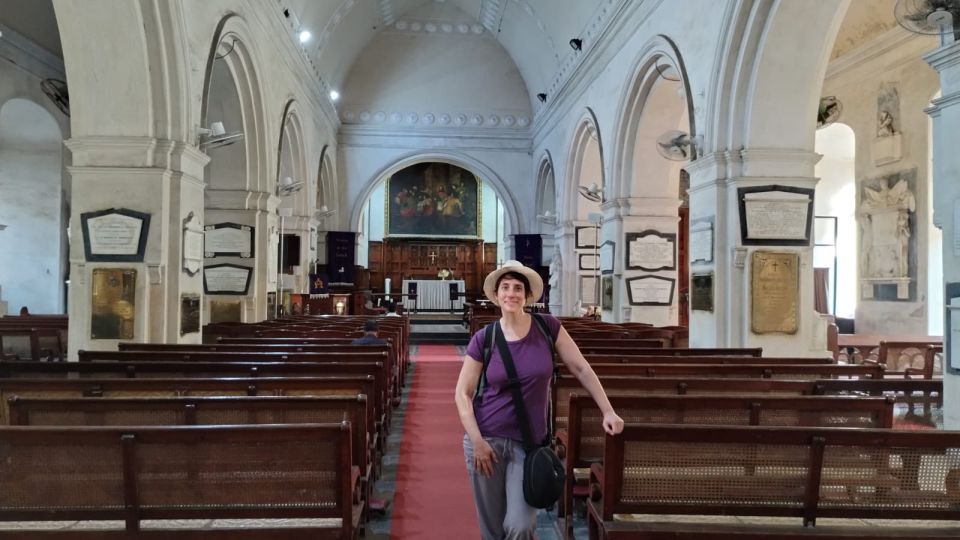
Next up is St Mary’s Church, described as the oldest Anglican Church of India. Even if you’re not a church person, this stop helps you connect the dots between trading forts and the institutions that followed them. It is also a good breather from the street noise, and it sets a calmer tone before the walk gets more lively.
You can also read our reviews of more walking tours in Chennai



Madras High Court and St Mary’s Anglican roots in one route
From Fort St George you’ll walk toward the Madras High Court, set up in 1862 by decree from Queen Victoria. This is where the tour gets visually satisfying. The High Court is a standout example of Gothic architecture, and the best part is that it is still functioning as the state’s court system today.
Why this stop is valuable: it turns “history” from a textbook word into something you can point to. You’re looking at a building designed in the 1800s, but it is still doing real work in the present. That gives the walk a sense of continuity.
You’ll also hear how British-era authority shaped legal and administrative structures, and how those structures connected to the broader story of India’s political shift over time. It is not presented like a lecture. It’s more like a guided route through cause and effect, with landmark stops doing the explaining.
If you’re the type who likes photos, this is one of the places where you can slow down. Just be aware the route includes walking time between major buildings, so have your camera ready and your water planned.
Dare House and Parrys Corner: the art deco commerce layer
After the High Court, the tour heads to Dare House, an iconic art deco building that carries its own trading story. The building connects to Parrys, a company named after Thomas Parry, a Welsh free merchant of Chennai. Dare House also gets its name from his business partner, John Dare.
This is a great mid-tour transition because it shifts from British colonial structures into a later commercial identity. You’re still in George Town, but the story is broadening: not just rule, but business networks, shipping-era growth, and the branding that stuck to buildings.
One thing I like about this stop is the name-work. You learn who these people were, and suddenly you can read the city in terms of relationships, not just monuments. Even if you don’t know Chennai’s business geography yet, the guide helps it click by linking names to the streets you’re about to walk.
Netaji Subhash Chandra Bose Road and the China Bazaar stretch
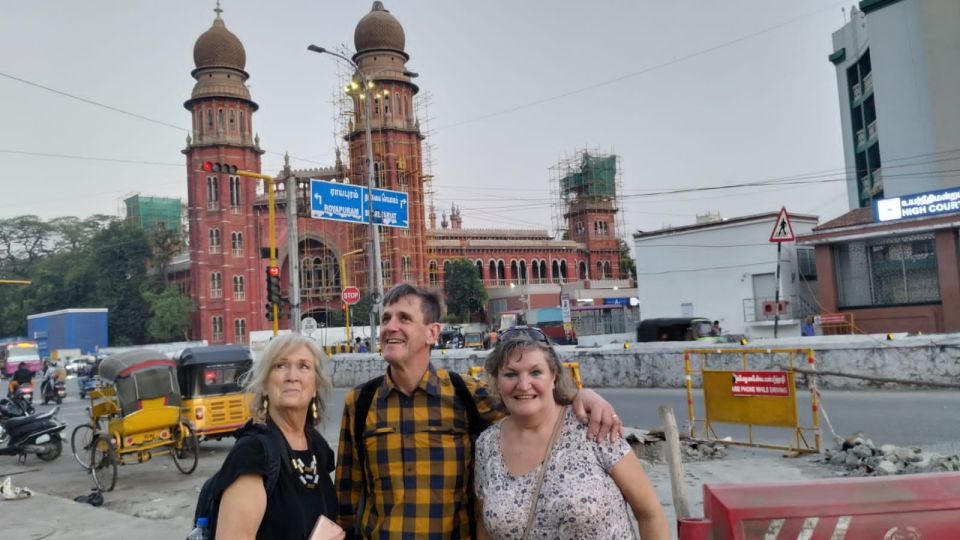
Now you leave the institutional buildings and step into the everyday side of George Town. You walk to Netaji Subhash Chandra Bose Road, also called China Bazaar Road. This is a market-focused stretch where you’ll see stalls known for utensils, cosmetics, and clothes.
This is where the tour becomes more sensory and more human. You’ll pass through a corridor of commerce where you can watch how the neighborhood sells, repackages, and refills its daily needs. The guide uses the movement through the bazaar to explain the evolution from a small trading post into a much bigger city over roughly two centuries.
The practical value for you: the tour helps you understand what you’re seeing. It’s easy to walk a market and only notice the colors. With a guide, you also pick up why certain goods cluster where they do, and how “trade” becomes “community routine.”
If you want to shop, this is the best part of the route to do it. Just keep your arms and legs covered per the rules, and pace yourself. Markets look fast, but you’ll still want time to browse without feeling rushed.
Armenian refugees, silk and spices, and the church stop that slows you down
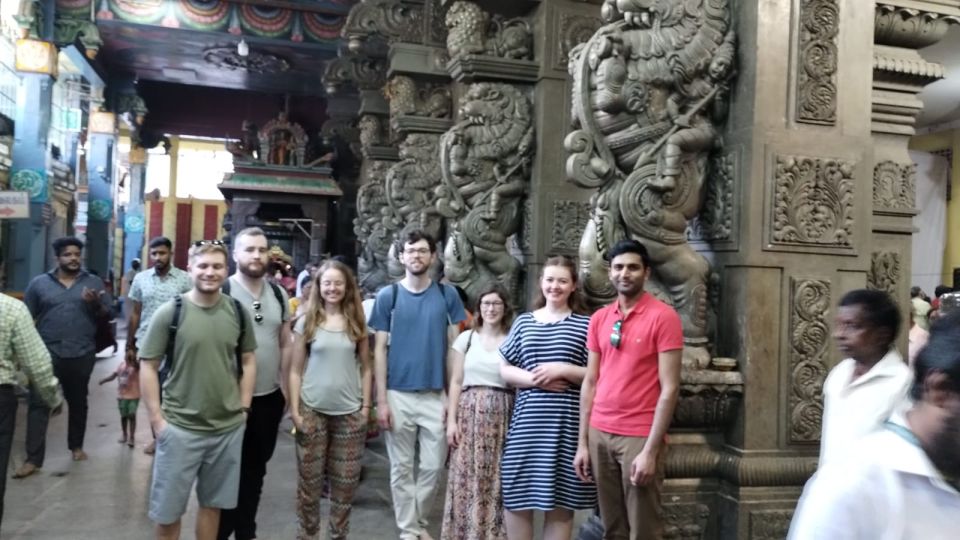
One of the most memorable parts of the tour is also one of the most specific. You’ll pass the street where Armenian refugees set up trade about 300 years ago, dealing in silk, spices, and gems. That detail alone makes the neighborhood feel layered, not one-note.
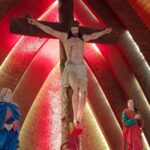
The tour then visits the Armenian Church, giving you a quieter moment after the bustle of the bazaar. This stop works because it adds a different angle to the same trade story. Instead of looking only at British influence, you’re also seeing how other communities shaped commerce and contributed to what George Town became.
In my view, this church visit is a strong contrast to the earlier political landmarks. Fort St George and the High Court explain power. The Armenian Church and its trading story explain migration, survival, and entrepreneurship. Together, they make George Town feel like a crossroads, not a one-actor timeline.
If you’re the type who enjoys details, listen closely here. The guide ties the street story to the church so it doesn’t feel like two unrelated stops. It feels like one thread, carried across time.
You can also read our reviews of more guided tours in Chennai
Price and pace: is $49 a good deal for 3 to 3.5 hours?
At $49 per person for about 3 to 3.5 hours, this tour sits in the “good value if you like context” zone. You’re paying for a live English guide plus entrance to included sites. Since food is not included, the cost also doesn’t depend on restaurant meals.
What makes it feel worth it: you’re not just ticking boxes. You’re getting a guided storyline across major landmarks and major markets in one loop. Fort St George, St Mary’s Church, the High Court, Dare House, China Bazaar Road, and the Armenian Church all appear in sequence, with the guide connecting trade and governance to what you see outside.
What could affect your value: if you prefer self-guided browsing with no structured explanation, you might feel the time tight. But if you like your photos with captions you actually understand, the guide role becomes the main part of the experience.
Small group size also matters. With up to 10 participants, you’re more likely to get your questions answered and not be stuck at the back listening to a guide shout over everyone. English is the tour language, and the tone in recent experiences has been described as professional and attentive, including guides like Satish and Hareesh.
What to wear and how to prepare for a smooth walk
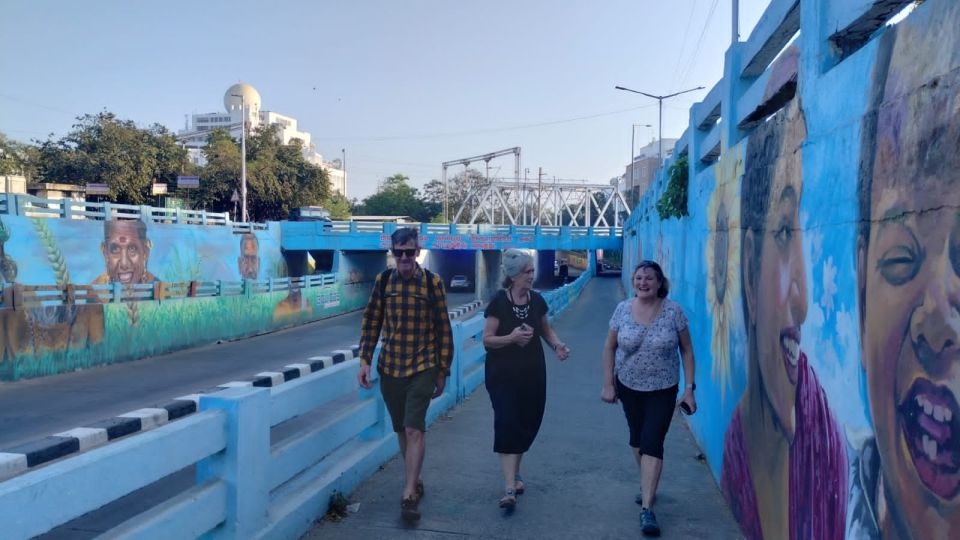
This is where you save yourself stress. The tour has clear clothing rules: no shorts, short skirts, or sleeveless shirts. Plan for long pants or long skirts and a shirt with sleeves. If you’re used to hot-weather sightseeing, treat this as your reminder to pack light, breathable layers that still cover you.
You meet at the entrance of Fort St George, so arriving a little early gives you an easy start. The tour includes time around museum and church areas, so plan for walking between stops with modest breaks built in.
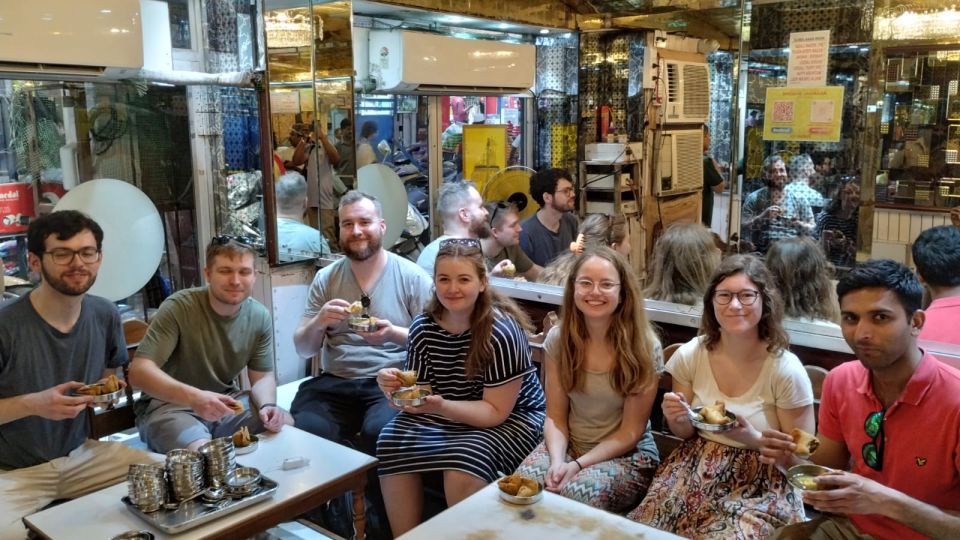
Food is not included. Still, the highlights say you’ll taste a local snack, and guides in similar groups often work in small regional beverage or street-food moments. To stay flexible, budget a little extra for snacks if you want them, and keep some small cash or a card handy for market purchases.
Who this tour fits best (and who might want to skip it)
This tour is ideal if you want the “how did this city become this city” explanation without spending your day running between multiple tickets. It’s also a smart pick if you’re curious about how trade communities shaped neighborhoods beyond just one empire.
You’ll likely enjoy it most if you like:
- architecture with a story attached, like the High Court and Dare House
- markets as living history, not just shopping streets
- specific community threads, like the Armenian refugee trade connection
You might want to skip or choose a different format if you strongly dislike walking or if you need every stop to be perfectly maintained. Some older buildings you see may look deteriorated, and that can take the shine off if you’re expecting postcard-perfect colonial façades.
Should you book the George Town Origins guided walk?
Yes, I think you should book it if you want one organized route through the turning points of George Town. With Fort St George, St Mary’s Church, the Madras High Court, Dare House, China Bazaar Road, and the Armenian Church all in one afternoon, you get a high return on effort for a first-time visit.
I’d particularly recommend it if you like learning why buildings and streets exist, not just what they look like. If your schedule includes a Friday, double-check museum timing in your plans, since the museum is closed that day.
If you show up dressed for the modest clothing rules, bring your walking shoes, and keep an open mind about markets, you’ll come away with a clearer picture of Chennai than you’d get from landmarks alone.
FAQ
How long is the George Town Origins guided walking tour?
It runs for about 3 to 3.5 hours.
Where do I meet the guide?
You meet your guide at the entrance of Fort St George.
What is included in the tour price?
The tour includes a live English guide and entrance to the included sites. Food is not included.
Is the museum visit always available?
The museum at Fort St George is included except on Fridays when it is closed.
How big is the group?
It is a small group limited to 10 participants.
What languages are offered?
The live tour guide is available in English.
What clothing is not allowed?
Shorts, short skirts, and sleeveless shirts are not allowed.