REVIEW · MUMBAI
Best Combo Tour: Dabbawalas, Dhobi Ghat and Slum with Train
Book on GetYourGuide →Operated by India Trip Explore · Bookable on GetYourGuide
Mumbai runs on lunchboxes and trains. In just 4 hours, you’ll see how Dabbawalas keep daily life moving, then ride the suburbs and walk through Dhobi Ghat and Dharavi.
I like that the tour is built around real working systems: you get to watch how the lunchbox delivery network sorts and transports meals across the city, and you also get a proper local commuter train ride instead of a staged photo stop. I’m also drawn to the human scale of the two different “work worlds” you visit: dhobis handwashing in open air, and Dharavi’s narrow lanes where workshops and street businesses operate every day. One drawback: it’s a tight schedule with several short walks and photo stops, so it isn’t the best match if you want long, slow time for each place.
In This Review
- Key things that make this tour worth your time
- Getting Oriented at Churchgate: Why the Tour Starts Here
- The Dabbawalas: Lunchbox Logistics That Actually Works
- The Local Train Ride: Seeing Mumbai Between Stops
- Dhobi Ghat: Open-Air Laundry and Hand Work in Concrete Troughs
- Dharavi in 2 Hours: Workshops, Markets, and Daily Entrepreneurship
- Price and Pace: Is $32 Good Value for This Much Mumbai?
- The Stops, Mapped Into a Coherent Story (Not Just Random Sightseeing)
- Who This Tour Fits Best (And Who Might Prefer Something Else)
- Should You Book This Dabbawalas, Dhobi Ghat and Slum with Train Tour?
- FAQ
- How long is the Dabbawalas, Dhobi Ghat and Dharavi tour?
- Where does the tour start?
- Where does the tour end?
- What are the main stops?
- What is included in the price?
- Is food included?
- Is the guide English-speaking?
- Do I need to buy local train tickets separately?
- Is there free cancellation?
- What’s the price per person?
Key things that make this tour worth your time
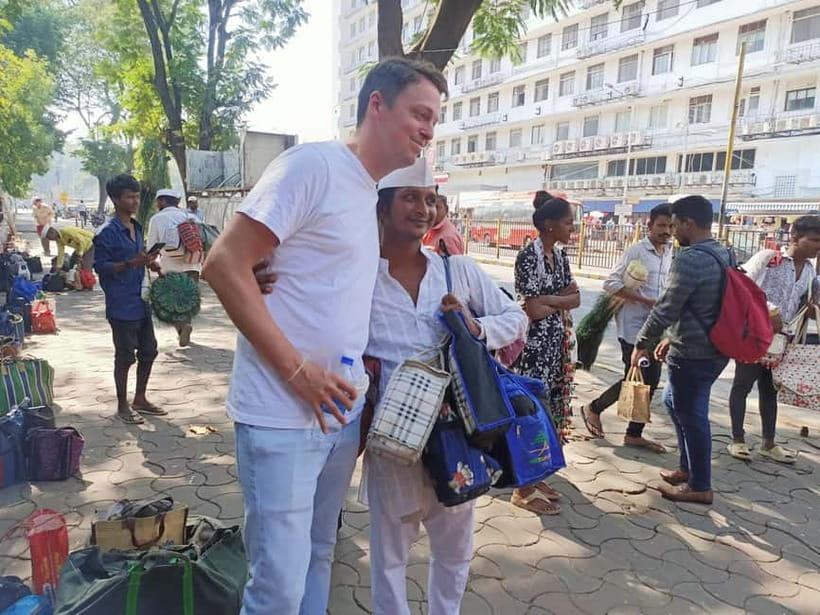
- The Dabbawalas workflow: you’ll see sorting and delivery practices that have run for more than a century
- A real suburban train ride: you’ll travel like commuters, not just from one viewpoint to another
- Dhobi Ghat, the open-air laundry: handwashing and drying in concrete troughs with hundreds of dhobis
- Dharavi walk with a local guide: narrow alleys, workshops, and street markets in a neighborhood with strong local business life
- A brisk 4-hour format: you cover three major Mumbai experiences without spending the whole day traveling
- Small but meaningful group pace: frequent guide-led explanations and short guided walks at each stop
Getting Oriented at Churchgate: Why the Tour Starts Here
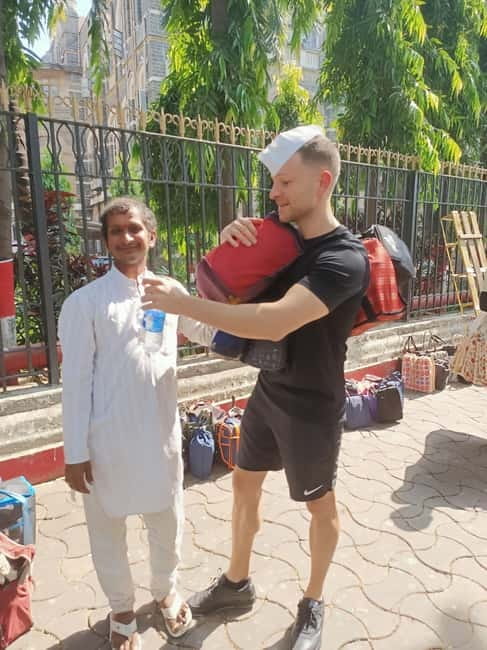
Your day starts at Churchgate Railway Station, right near the ticket window at a chemist shop named Dava Discount. This is a smart choice because it puts you at the heart of Mumbai’s rail rhythm immediately. You aren’t easing in with a distant pickup or a long transfer. You’re already in the system.
The first stretch is a 30-minute Churchgate stop that mixes a bit of walking with photos and a guided orientation. Even if you don’t know Mumbai’s layout yet, this kind of early grounding helps. You get your bearings fast for what’s coming next: a quick hop onto a local train, then straight into two very different kinds of “everyday Mumbai” spaces.
Practical note: rail stations can be busy. Keep your phone secure and your bag close, and plan to move with the flow. This tour is built for walking, so wear shoes you don’t mind getting scuffed.
You can also read our reviews of more tours and experiences in Mumbai.


The Dabbawalas: Lunchbox Logistics That Actually Works
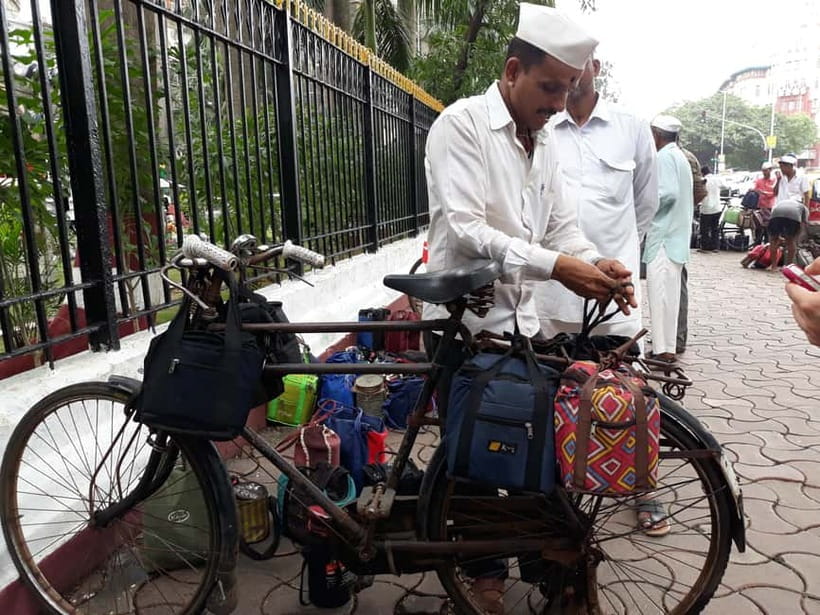
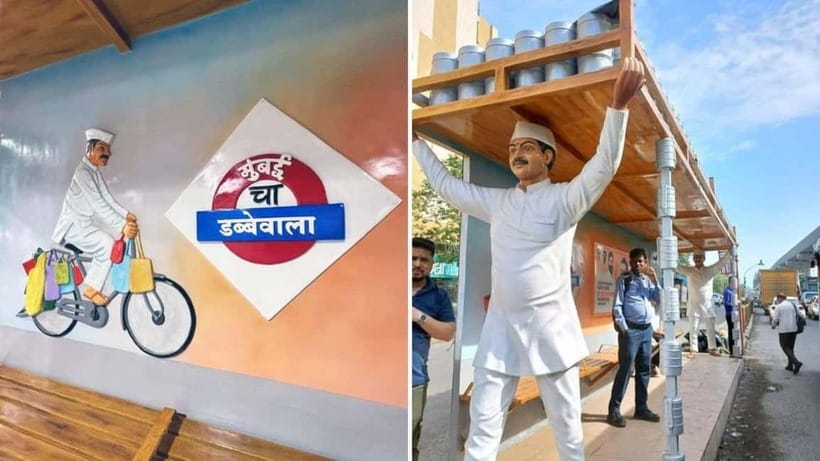
The highlight for many people is the chance to see the Dabbawalas system up close. This lunchbox delivery service has been operating in Mumbai for over a century, and the tour focuses on what makes it so reliable: the intricate logistics and efficiency behind sorting and delivering thousands of lunchboxes across the city.
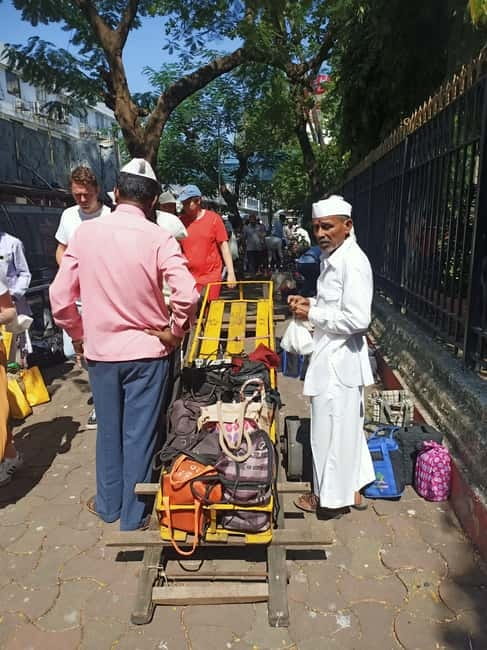
What you’re watching is not just a delivery story. It’s an operating system. You’ll get to observe how the lunchboxes are sorted, transported, and moved through the day’s flow. That’s the part I find most useful for visitors. You leave with a clearer idea of how people coordinate work at scale without turning it into chaos.
There’s also an emotional side. The Dabbawalas are part of Mumbai’s daily routine, not a one-off “attraction.” So even though you’re sightseeing, you’re also witnessing a real service that people depend on.
Tour tip: bring your curiosity, not just your camera. Ask your guide what details matter in the workflow. In past groups, English-speaking guides such as Hardik and Abi have been praised for being patient and for answering questions clearly. That’s exactly what you’ll want here—some explanations that help you connect what you’re seeing to how the system functions.
The Local Train Ride: Seeing Mumbai Between Stops
After the initial rail-station orientation, you’ll take a local train ride. This is not a long scenic train outing. It’s short and purposeful, with a quick rhythm that matches Mumbai’s daily commute.
The best part is the perspective shift. Inside the train, you’ll feel the hustle and bustle firsthand: motion, noise, and the steady stream of commuters moving through the suburbs. It’s a different lens on the city—less about famous buildings and more about how people share space and time every day.
The schedule includes train segments—one brief stretch early, and another after Dhobi Ghat—so you get the “train as transit” experience more than once. The pace keeps you from overthinking logistics. You just go with it.
Practical note: local trains can be crowded. If you’re sensitive to tight spaces, choose a time when you feel comfortable with that. Also, keep your belongings zipped and controlled. You’ll be doing some walking soon after.
Dhobi Ghat: Open-Air Laundry and Hand Work in Concrete Troughs
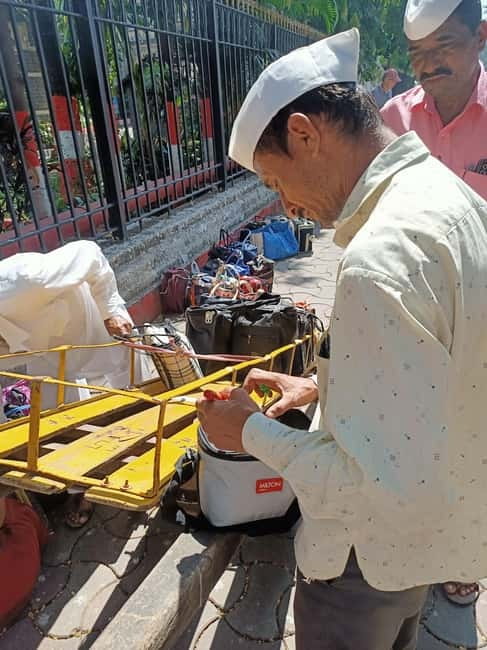
Next comes Dhobi Ghat, described as the world’s largest outdoor laundry. You’ll spend about 30 minutes here, with time for photos, a guided visit, and walking around the working area.
What makes this stop memorable is the method. You’ll see hundreds of dhobis handwashing and drying clothes in the open-air concrete troughs. That sounds simple, but seeing the repetition and the workflow makes it click. This isn’t “laundry-themed sightseeing.” It’s hand work carried out in a very public way, with the city watching and continuing around it.
You’ll also hear about the history and significance of this institution and get insight into the daily lives of the dhobis who work here. Even if you only pick up a few key facts, the visit helps you understand how labor, infrastructure, and tradition interact in Mumbai.
Drawback to consider: this stop can be visually and visually busy. If you’re sensitive to strong smells or to lots of sensory input, it might take a minute to adjust. I’d still call it a worthwhile stop because the contrast—between hand work in open air and Mumbai’s quick commuter tempo—feels very real.
Dharavi in 2 Hours: Workshops, Markets, and Daily Entrepreneurship
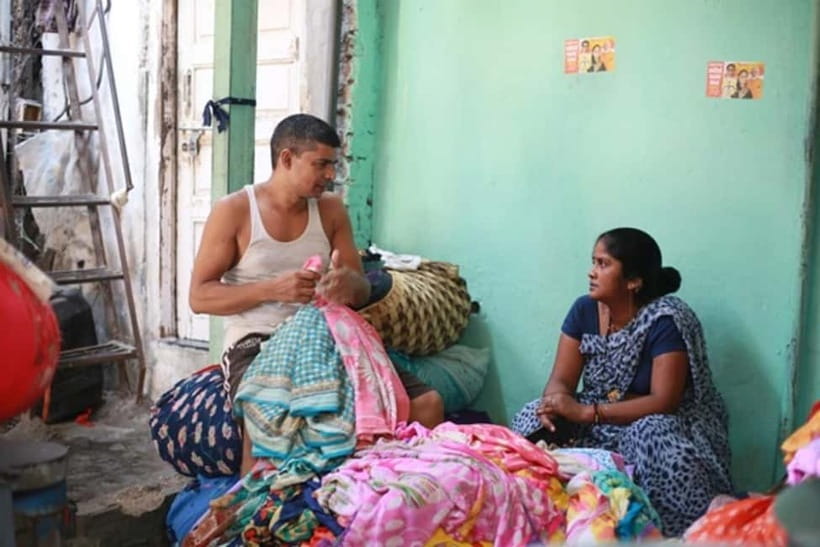
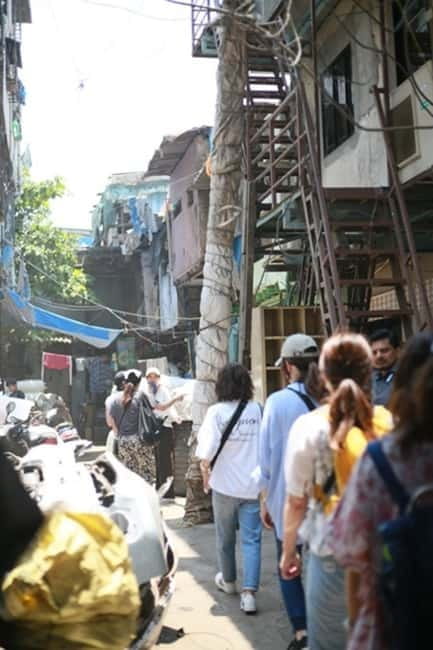
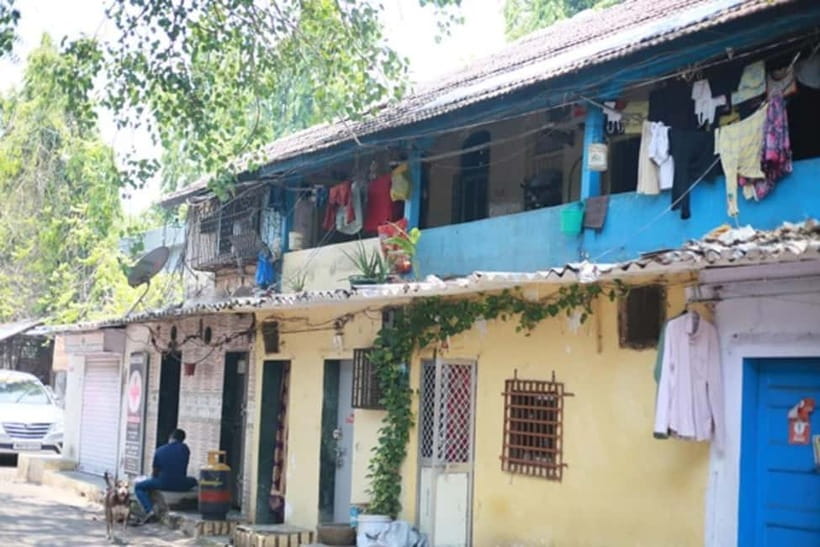
Then you get to Dharavi, one of Asia’s largest slum communities and also a place known for creativity and business activity. The tour time here is about 2 hours, with photo time, guided tour time, sightseeing, and walking through narrow alleyways.
This section is intentionally led by a local guide. That matters. Dharavi isn’t one flat story. It’s a dense patchwork of daily movement, small workshops, and street markets where people run businesses and solve problems locally. The tour focus is on resilience, creativity, and the entrepreneurial spirit visible in day-to-day life.
What you’ll likely notice quickly is how close everything feels. The lanes are tight, the activity is constant, and you move at a walking pace that keeps you near the reality instead of at a distance. This is exactly why guidance is important here: it helps you understand what you’re seeing and keeps the experience respectful and grounded.
Safety is also a common question for visitors. In guide-led experiences like this one, English-speaking guides such as Hardik have been described as taking good care of the group, including during the slum portion where visitors reported feeling protected rather than exposed. Your comfort still depends on your group’s dynamics and your own comfort level with crowded, everyday streets—but the tour is structured so you’re not wandering alone.
Tour tip: wear breathable layers and expect to walk. Also, keep your questions ready. A good guide can turn quick visuals into understanding.




Price and Pace: Is $32 Good Value for This Much Mumbai?
At $32 per person for a 4-hour combo, the value is mostly about what’s included and how much ground you cover.
Included:
- English-speaking guide
- Local train tickets
- Water bottle
Not included:
- Food and drinks
So you’re paying for a guided route that uses actual local transit and that compresses three big experiences into one morning/afternoon-style outing. You’re also not dealing with arranging transport between distant points on your own, which is often where DIY plans start to eat up time and cost.
The tradeoff is the pace. This isn’t a slow, in-depth day where you can linger for an hour in each place. Instead, it’s a curated walk-and-ride sampler: Dabbawalas workflow, a train perspective, Dhobi Ghat’s working laundry, then Dharavi’s neighborhood life. If you want the maximum variety in a short window, it fits. If you want long, detailed stays, you may feel slightly “moved along.”
On food: since food isn’t included, plan your timing so you’re not starving. If you’re doing it near lunch, eat before or after the tour. You’ll still get the lunchbox theme earlier with the Dabbawalas, but you won’t be provided meals.
The Stops, Mapped Into a Coherent Story (Not Just Random Sightseeing)
One reason I think this combo works is that each part answers a different kind of “how does the city run?” question.
- Dabbawalas show how coordination works across the whole city through a long-running delivery system.
- Local trains show how people share movement and commute together in real time.
- Dhobi Ghat explains how labor is performed publicly and sustainably through handwashing and drying.
- Dharavi shows how local industries and street businesses keep a community operating under pressure.
When those pieces connect, Mumbai feels less like a checklist of sights and more like a working city with invisible systems. That’s the kind of understanding you can actually use while you travel.
Who This Tour Fits Best (And Who Might Prefer Something Else)
This tour is a strong match if you:
- like practical, everyday experiences over only monument hopping
- want to see three different sides of daily work in one session
- feel comfortable with short walks and crowded transit environments
- enjoy guided explanations and Q&A
It might be less ideal if you:
- need lots of sitting time or long pauses at each stop
- expect a full day itinerary with minimal walking
- are sensitive to the visual and sensory intensity of a functioning neighborhood like Dhobi Ghat or Dharavi
If you’re traveling with limited time, it’s one of the more efficient ways to experience systems and community life without doing all the planning yourself.
Should You Book This Dabbawalas, Dhobi Ghat and Slum with Train Tour?
I’d book it if your goal is to understand how Mumbai works day to day. The combination is the point: Dabbawalas logistics, a local train ride, Dhobi Ghat’s open-air laundry, and Dharavi’s neighborhood business life all in about 4 hours.
I would skip it if you want a slower, more relaxed sightseeing day or if you’re expecting food included and lots of downtime. Since meals aren’t part of the package, you’ll need your own plan before and after.
If you do book, go with comfortable shoes, a small bag, and a willingness to ask questions. That’s how you turn a short tour into a real understanding of Mumbai’s working pulse.
FAQ
How long is the Dabbawalas, Dhobi Ghat and Dharavi tour?
It lasts about 4 hours.
Where does the tour start?
The meeting point is Churchgate Railway Station, near the ticket window at a chemist shop named Dava Discount.
Where does the tour end?
It finishes at Sai Multispeciality Hospital & Research Centre.
What are the main stops?
You’ll visit the Dabbawalas, Dhobi Ghat, and Dharavi, and you’ll also take a local train ride.
What is included in the price?
The tour includes an English-speaking guide, local train tickets, and a water bottle.
Is food included?
No. Food and drinks are not included.
Is the guide English-speaking?
Yes, the guide is listed as English-speaking and the tour is offered in English.
Do I need to buy local train tickets separately?
No. Local train tickets are included.
Is there free cancellation?
The tour offers free cancellation up to 24 hours in advance for a full refund.
What’s the price per person?
The price is listed as $32 per person.