REVIEW · KOLKATA
Kolkata: Magic Hour Tour with Breakfast
Book on GetYourGuide →Operated by Calcutta Capsule · Bookable on GetYourGuide
Kolkata looks different before breakfast. This Magic Hour walking tour takes you through daily life as the city wakes up—especially around the Kumartuli idol-making neighborhood—then rewards you with a traditional Bengali meal at an old eatery. You’re also not stuck in a slow, museum-style loop; you get street scenes, real local rhythm, and photo moments built into the route.
One thing to consider: this is an early-morning start and it’s a walking tour. If you’re not a fan of waking up fast (or you’re sensitive to crowds, uneven sidewalks, and public-transport chaos), plan for that up front.
In This Review
- Key things to know before you go
- Calcutta at dawn: what the Magic Hour changes
- Getting started at Metro INOX (and planning for the early check-in)
- Mullick Ghat Flower Market: color, motion, and morning commerce
- Howrah Bridge in the wake-up hours
- Kumartuli idol-making streets: craft you can see up close
- Local transport on the route: don’t skip this part
- Breakfast at a 250-year-old eatery: what makes it part of the story
- Stories and photos with Soham: why the guiding style works
- Where the tour ends: Shyambazar Law College and the older residential feel
- Price and value: is $40 worth a 4-hour morning tour?
- Who this tour fits best (and who might want another option)
- Should you book the Kolkata Magic Hour Tour with Breakfast?
- FAQ
- How long is the Kolkata Magic Hour Tour with Breakfast?
- What does the tour cost?
- What time does the tour start?
- Where do I meet the guide?
- Is breakfast included?
- What else is included besides breakfast?
- Is the tour small group?
- Is the tour wheelchair accessible?
- Is smoking allowed during the tour?
Key things to know before you go
- Magic Hour timing: You’ll experience the city waking up, not the already-busy day version.
- Kumartuli idol-making area: You’ll see how the city’s creative tradition lives in working streets.
- Mullick Ghat flower market: Morning colors, smells, and the motion of buyers and sellers.
- Howrah Bridge at sunrise hours: Iconic views with less daytime crush.
- Breakfast at a centuries-old spot: A traditional meal (plus tea, water, and snacks) is part of the value.
Calcutta at dawn: what the Magic Hour changes

There’s a reason this tour is built around the early hours. In Kolkata, the morning light doesn’t just flatter buildings—it reveals routines. You see people on their way to work, you catch the first wave of market activity, and the city feels less like a destination and more like a place that’s already alive.
What I like most is that it’s not only about seeing sights. You also get context—stories, local connections, and a sense of what those neighborhoods mean to people who live there. The tour also leans practical and human, not preachy. In other words, it’s a walk where the city keeps talking while you’re moving.
You can also read our reviews of more tours and experiences in Kolkata.

Getting started at Metro INOX (and planning for the early check-in)
The meeting point is Metro INOX. You can find it easily in Google Maps, and if you’re using a non-GPS cab, the helpful reference point is Metro Cinema Esplanade.
Timing matters here. One of the standout review details calls out a 5:30am check-in, and that makes sense for what you’re trying to capture: the moment before the giant city fully switches modes. If you sleep lightly, set an alarm with a backup. If you’re coming in from another neighborhood, give yourself a buffer for getting there in the dark.
Also, small group is part of the experience. The tour is limited to 10 participants, which helps when you’re moving through busy streets and market lanes.
Mullick Ghat Flower Market: color, motion, and morning commerce

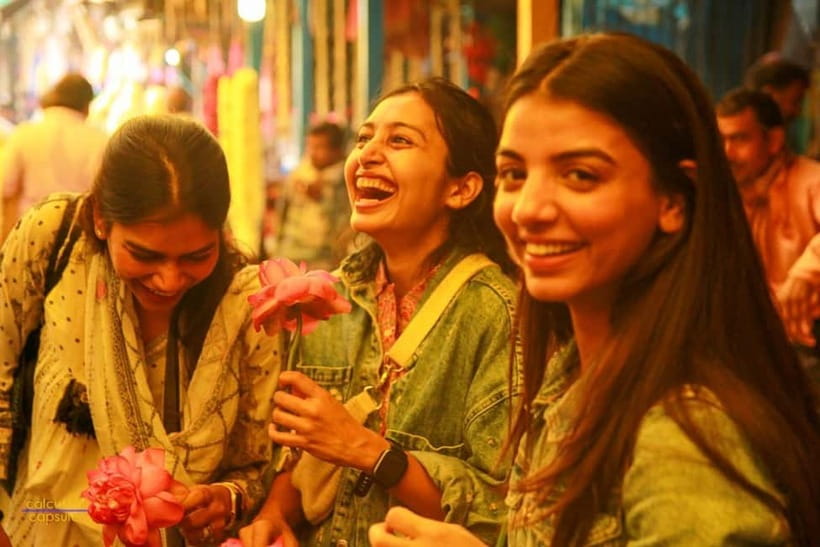
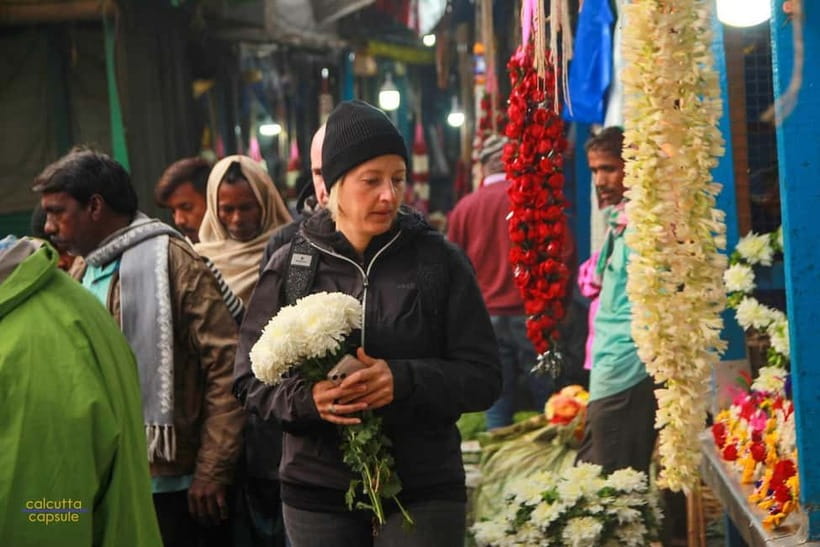
The first major stop is Mullick Ghat Flower Market. If you’ve only seen flower markets later in the day, this will feel like a different place. In the early morning, the energy is more focused: sellers are arranging, buyers are scanning, and you can often see the flow of work more clearly than in peak hours.
This is also a great stop for photos. The tour isn’t positioned as a “pose here, then move on” script. It’s more about letting you watch what’s actually happening, then capture it with your own timing—while your guide also provides soft copies of photographs later. That combination is useful if you’re a street photographer or if you simply want fewer blurry souvenir shots.
Howrah Bridge in the wake-up hours
Next comes Howrah Bridge, Kolkata’s famous crossing. Seeing it in the morning adds a calmer feel. You still get the structure’s power and scale, but the setting isn’t as chaotic as it is during the busiest parts of the day.
What makes this stop worth the effort is how the guide connects the bridge to the city’s daily movement. You’re not just admiring a landmark; you’re watching how the city functions around it. That’s the “local” part of this tour—you understand why these places matter, instead of just checking them off.
Kumartuli idol-making streets: craft you can see up close
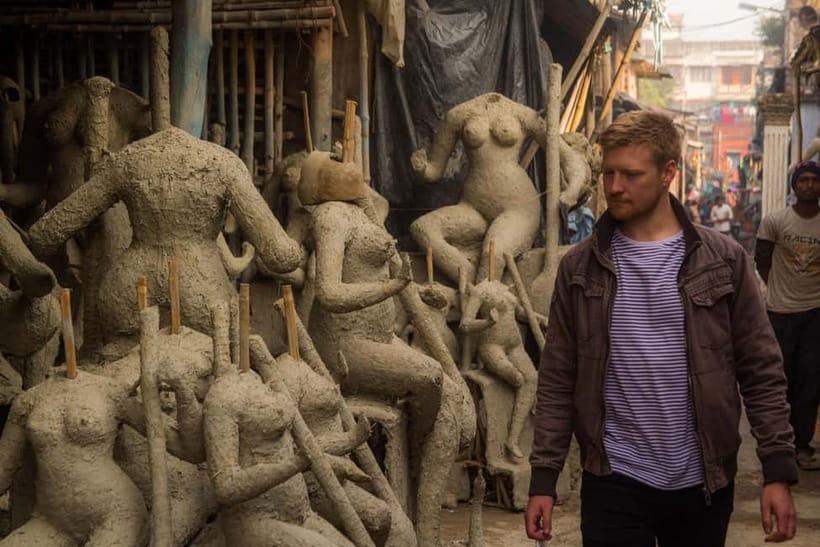
Then the tour shifts into one of Kolkata’s most distinctive creative zones: the Kumartuli idol-making neighborhood. This is where the city’s spiritual and artistic traditions become visible in working life. You’ll be in streets where making—not performing—happens.
Why I love this stop: it’s not abstract. The tour wording and the way the host guides it point toward close observation and real stories. You get mythology, local context, and the human side of craft traditions that many visitors only hear about after reading a brochure.
And it’s also a strong choice for anyone who cares about details. Idol making is full of textures, hands, tools, and half-finished forms. If you’re the type who likes slow looking, you’ll do well here.
Local transport on the route: don’t skip this part
The tour includes transportation within the tour and focuses on local modes of travel rather than long rides in a private vehicle. That matters more than it sounds. Public transport and short transfers give you a feel for how people actually move through Kolkata day to day.
One review specifically highlights a ferry on the river as a favorite. That kind of segment changes the pace in a good way—less road gridlock energy, more open-air river perspective, and often better photo conditions than you’d expect in city traffic.
If you’re worried about being stuck on buses or in taxis the whole time, you don’t have that problem here. The tour is built to keep you moving with the city, not above it.
Breakfast at a 250-year-old eatery: what makes it part of the story
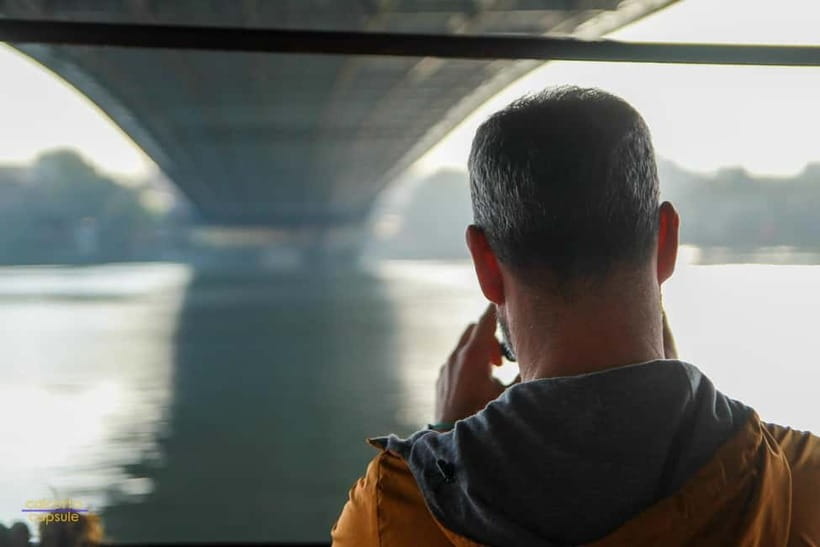
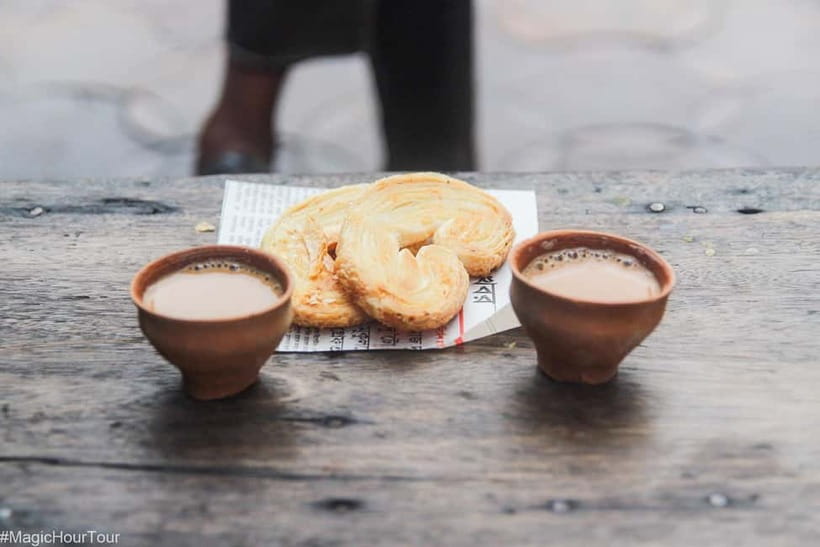
The tour includes breakfast at a traditional eatery that’s about 250 years old. This is one of the biggest value drivers for the $40 price. You’re not paying just for walking and viewpoints—you’re paying for breakfast, tea, and snacks, plus the transport cost used along the way.
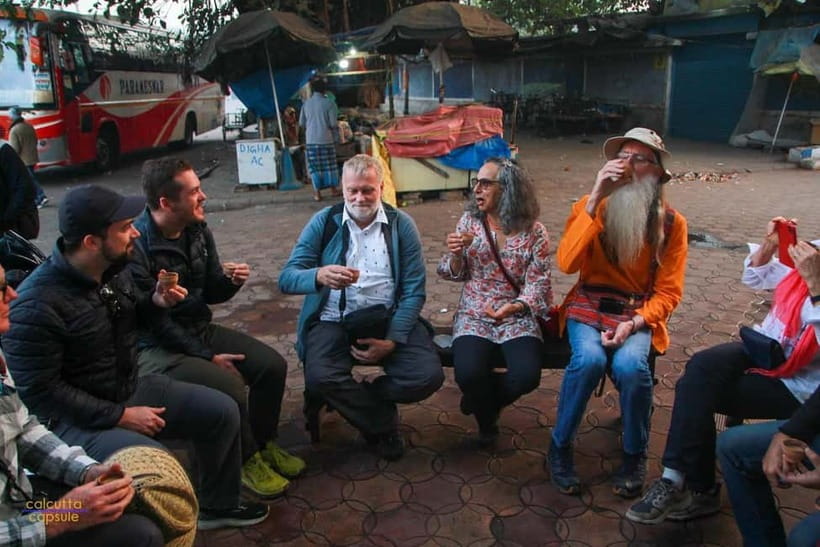
And breakfast in Kolkata isn’t only about filling up. It’s a social reset, a chance to sit with the guide and get deeper into Bengali life. The tour is set up for conversation—stories, local gossip, and impressions about the city’s older neighborhoods. You’ll also be able to taste classic flavors and sweets that people connect with Kolkata.
What should you do? Show up hungry and let your guide lead the order. You’ll also get water and tea as part of the included setup, which keeps the morning smooth.
Stories and photos with Soham: why the guiding style works
The tour is led by Soham, a 5th-generation Kolkata local who left a corporate job in 2016 to follow his passion for helping travelers fall in love with Calcutta. That backstory isn’t just nice trivia. It helps explain why the tour feels like more than a scripted walk.
The approach is described as anthropological, mixing history, local stories, mythology, photography, and personal connections. In practical terms, it means you’re not drowning in dates. You’re learning how people think, what they believe, and why these neighborhoods have the shapes they do.
Reviews also point to Soham keeping the group feeling safe and cared for, including for female solo travelers. If that matters to you, it’s a reassuring sign. And because soft copies of photographs are included, you can focus on observation while still ending up with real memories.
Where the tour ends: Shyambazar Law College and the older residential feel
The walking portion finishes at Shyambazar Law College. The tour also describes a visit to one of the city’s oldest residential neighborhood areas, so your last stretch isn’t just a convenient drop-off. It’s meant to land you in the lived-in Kolkata version—less icon, more daily life.
This ending helps the whole arc. You start with markets and big monuments, move through craft tradition and river/transport rhythm, then finish where you can sense the city’s long-term human scale. It’s a satisfying wrap.
Price and value: is $40 worth a 4-hour morning tour?
At $40 per person for a 4-hour small-group tour, the best way to judge value is what you actually receive. You get:
- breakfast at a centuries-old eatery
- tea, water, and snacks
- transportation costs within the tour
- soft copies of photographs
- a guide who brings lived-in context, plus local transport and city timing
If you’d otherwise pay separately for a breakfast stop and pay for transit or a private guide, the math starts to look reasonable. Also, the tour says anything the host offers is paid for with no extra charges, which reduces the usual budgeting stress when food or small treats appear on the street.
So who pays attention to value here? You should—because Kolkata can be very easy to over-plan (and then under-enjoy). This tour packages a lot of the morning experience into one timed walk, which is exactly what early-day exploration needs.
Who this tour fits best (and who might want another option)
This tour is a strong match if you:
- want an early start to see Kolkata with less daytime pressure
- care about street-level culture, not only major monuments
- enjoy photography and want help capturing candid moments
- like guided storytelling that feels personal and local
It may be less ideal if you:
- need wheelchair access (this tour is not suitable for wheelchair users)
- hate early mornings or rougher walking surfaces
- want a traditional museum lecture style
Also, note the simple rule: no smoking during the experience.
Should you book the Kolkata Magic Hour Tour with Breakfast?
If you’re spending limited time in Kolkata and you want the city’s morning energy in one package, I’d book this. The combination of Magic Hour timing, Kumartuli idol-making, the flower market, Howrah Bridge, local transport (including a ferry segment), and a 250-year-old breakfast makes it feel complete without being overstuffed.
Book it especially if you want to feel safer and more looked after in a busy city. And if you’re the type who likes photos, the included soft copies and the fact the guide captures candid moments can save you time sorting pictures later.
If early mornings are a dealbreaker for you, then wait for another option. But if you can trade sleep for the living, breathing Kolkata morning, this is one of the smarter ways to do it.
FAQ
How long is the Kolkata Magic Hour Tour with Breakfast?
It runs for 4 hours.
What does the tour cost?
The price is listed as $40 per person.
What time does the tour start?
The meeting/check-in is described as around 5:30am in the tour details and notes.
Where do I meet the guide?
You meet at Metro INOX. You can also use Metro Cinema Esplanade as a reference for non-GPS cabs.
Is breakfast included?
Yes. Breakfast is included, along with tea and snacks.
What else is included besides breakfast?
You also get water, transportation cost within the tour, and soft copies of photographs. The host also covers anything they offer during the tour with no extra charges.
Is the tour small group?
Yes, it’s limited to 10 participants.
Is the tour wheelchair accessible?
No. It’s not suitable for wheelchair users.
Is smoking allowed during the tour?
No. Smoking is not allowed.