REVIEW · CHENNAI
Chennai: St. Thomas Trail & Madras War Cemetery
Book on GetYourGuide →Operated by 5 Senses Tours · Bookable on GetYourGuide
Two stories of faith share one Chennai route.
This 5-hour private tour connects the St. Thomas Trail with a very different kind of history at the Madras War Cemetery. I especially love the Santhome Basilica site, built over the burial place linked with St. Thomas, with relics and architecture that show centuries of changing Christian communities in India.
My second favorite part is the Madras War Cemetery itself. The Commonwealth War Graves Commission keeps it beautifully cared for, and walking the white headstones turns the city’s noise down fast—good if you want a calm pause. The main drawback to plan around is practical: you do walk through religious sites that can involve steps and uneven ground, so bring comfortable shoes and dress modestly.
In This Review
- Key highlights to look forward to
- Santhome Basilica: Portuguese neo-Gothic over a focal point for St. Thomas
- Little Mount’s caves and handprints at AD 68
- St. Thomas Mount: the shrine stops, the altar, and the date 1547
- Madras War Cemetery: Commonwealth graves and personal family messages
- How the 5 hours feel in real life (and how to dress for it)
- Private English guide + included lunch: where the value comes from
- Should you book the St. Thomas Trail + Madras War Cemetery tour?
- FAQ
- How long is the tour?
- What is included in the price?
- Do I get hotel pickup in Chennai?
- What locations are visited?
- Is lunch included?
- Is the tour private?
- Is there a cancellation option?
Key highlights to look forward to
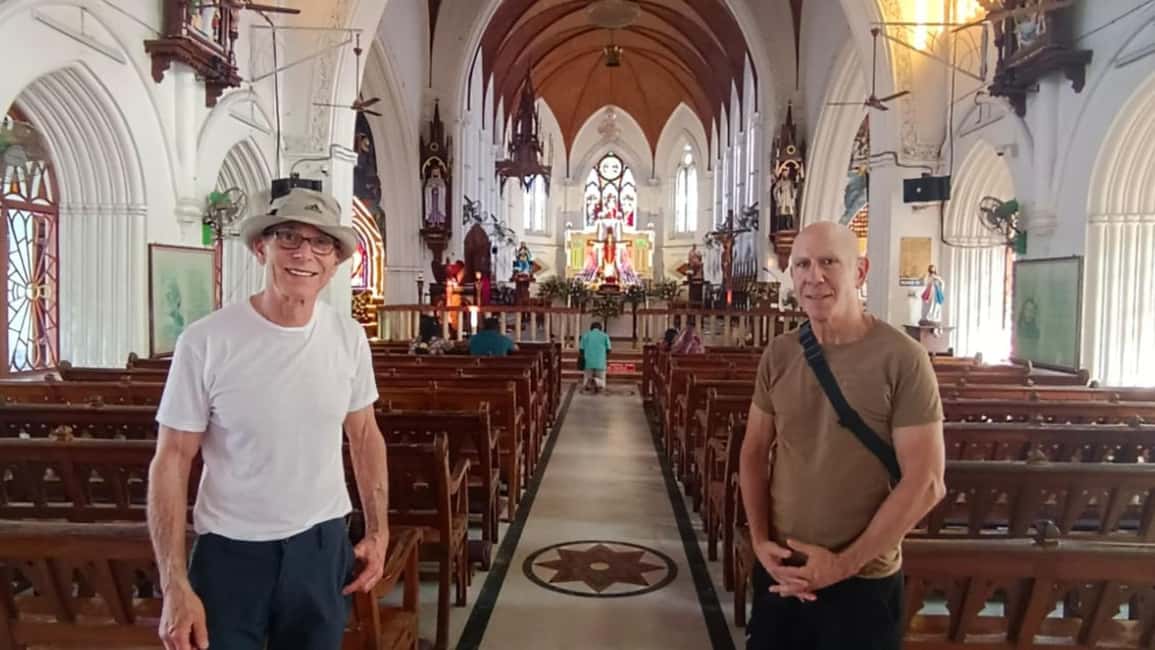
- Santhome Basilica over St. Thomas’ burial site with Portuguese-era neo-Gothic design and a relic shrine
- Little Mount handprints tied to the story of hiding and penance in AD 68
- St. Thomas Mount martyrdom landmarks including shrines, an altar, and a gateway dated 1547
- Madras War Cemetery with Commonwealth graves plus personal family messages on headstones
- South Indian vegetarian lunch after the sightseeing
- A sensitive, hands-on guide (Hareesh is specifically praised for helping when moments are personal)
Santhome Basilica: Portuguese neo-Gothic over a focal point for St. Thomas
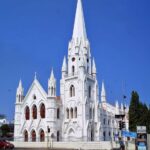
Santhome Basilica is where this whole experience starts, and it sets the tone right away. You’re not just looking at a church—you’re walking into a layered Christian story tied to the apostle St. Thomas. The area itself has deep roots too: it’s described as a village founded in the 10th century by Christians from Persia, which helps you understand why this corner of Chennai became a crossroads.
Inside, what makes the visit feel meaningful is the way the structure points back to the burial site. You’ll see the church and tomb believed to be built over where St. Thomas was laid to rest. The basilica’s appearance also reflects later European influence: it’s a neo-Gothic structure associated with Portuguese explorers in the 16th century, so the style feels different from what you might expect in South India.
Then there’s the relic shrine element, which is one of the main reasons people make this stop. The tour highlights a place that preserves a small bone of the saint and the head of the lance used to pierce him. Even if you don’t focus on relics personally, it’s still fascinating to see how physical objects become part of religious memory—and how that memory draws pilgrims year after year.
Practical tip: dress for a religious site, and plan for time inside while you listen to the guide’s context. If you tend to skim, you’ll miss why this church is more than a pretty building.
You can also read our reviews of more tours and experiences in Chennai.


Little Mount’s caves and handprints at AD 68
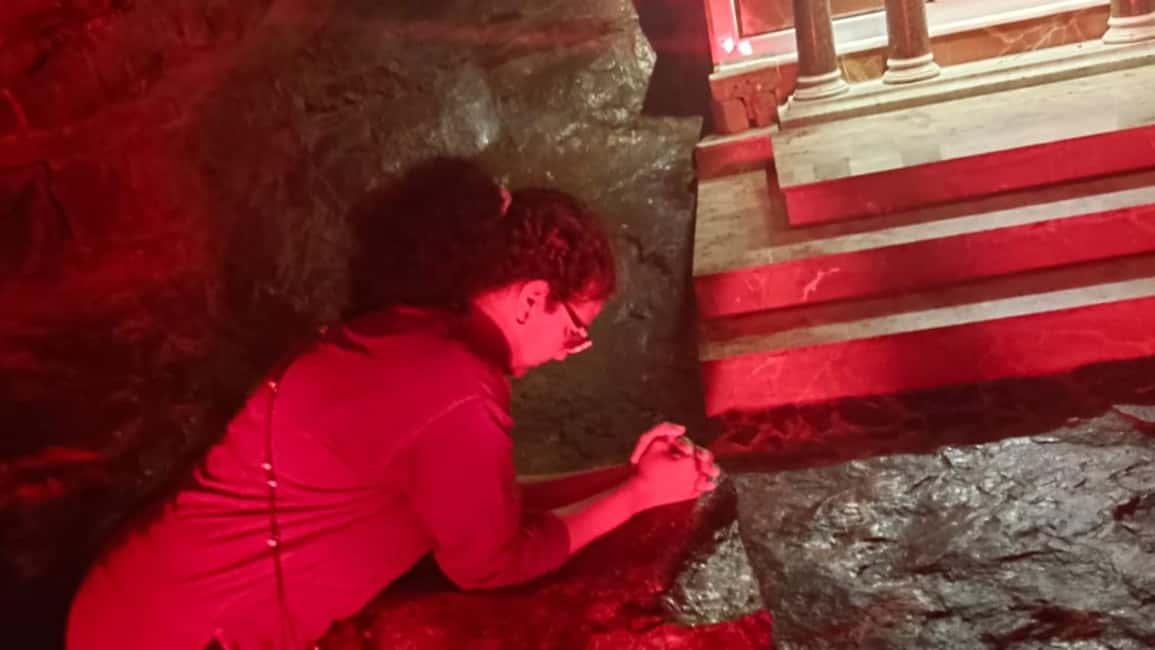
Next you head toward Little Mount, and the mood shifts from grand church architecture to a more intimate, story-driven stop. Here, the focus is on a cave connected with St. Thomas’ hiding and penance. The tour connects the site to AD 68, with the story that he hid there and spent time in penance after the situation changed.
What you’re looking for is close to the entrance: the palm print and handprint near the tunnel entrance, believed to be those of St. Thomas himself. The handprint tradition is one of those details you either find moving or deeply strange, depending on your personality. Either way, it’s visually concrete—your brain doesn’t have to work hard to picture the legend.
If you like places where belief and physical space meet, Little Mount is the kind of stop that sticks. The cave setting helps you slow down. It’s also the part of the tour where you’ll likely feel the “walking tour” reality more: comfortable shoes matter because you’ll be moving through a religious site and cave area.
Possible consideration: if you’re sensitive to enclosed or darker spaces, go in with realistic expectations. The cave is part of why it feels authentic, but it won’t feel like an open-air museum.
St. Thomas Mount: the shrine stops, the altar, and the date 1547
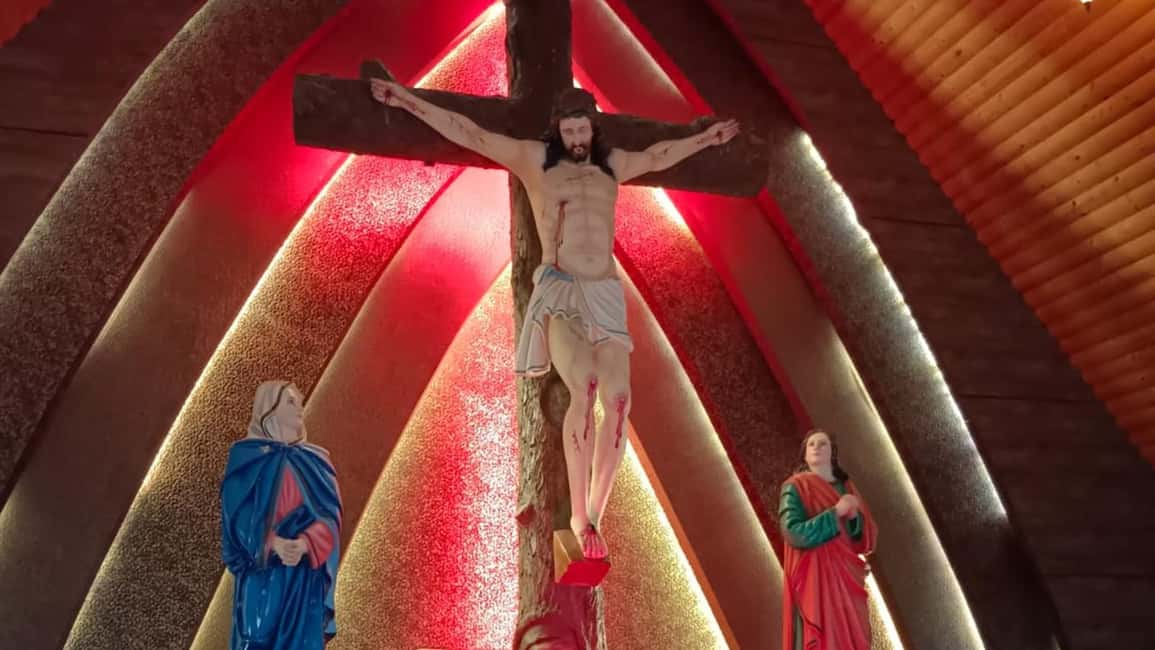
St. Thomas Mount is the emotional center of the trail. According to the tour story, this is where St. Thomas was murdered on December 21, AD 72. That date matters because it anchors the site as more than a general holy place—it’s tied to a specific moment in the apostle’s final days.
You’ll see multiple layers here. One is the shrine dedicated to Our Lady of Expectation, built in 1523, which shows how later devotion grew around the earlier apostle narrative. Another is the altar built on the spot where St. Thomas was murdered—simple, direct, and designed to focus attention where the story says it happened.
Then there’s the architecture finish that feels almost like a time stamp: the gateway of four arches, topped by a cross with the inscribed date 1547. Even if you’re not an architecture person, that kind of visible dating helps you picture how people kept building and marking meaning long after the original story.
This part of the tour is also a good moment to notice how the route changes you. You start with burial-linked reverence, move to penance and hiding, then end in martyrdom focus. It’s a logical emotional arc—and it makes the final stop at the war cemetery hit harder.
Practical tip: take your time at the altar area. You’ll get more from the guide’s pacing here than if you race to the next stop.
Madras War Cemetery: Commonwealth graves and personal family messages
The last leg brings you to the Madras War Cemetery, and it often becomes the tour’s most personal moment. The site is maintained by the Commonwealth War Graves Commission, and that care shows in the neat rows of white Portland stone headstones. In a busy city, it can feel like you’ve stepped into a different pace of time.
What makes it powerful is the scale and the specificity. The cemetery honors over 850 Commonwealth service personnel who died during World War II. There’s also a separate memorial stone for more than 1,000 who fell in World War I. That structure matters because it prevents the cemetery from turning into a single, vague “war memorial.” You see categories, names, and a sense of how many people were lost on different fronts.
Each headstone includes personal messages chosen by families. That detail is the difference between reading history and feeling it. It’s not just dates and ranks; it’s family language turned into stone, which naturally encourages quiet reflection.
One more thing I’d tell you to plan for: this cemetery visit is a moment, not a photo-stop. If you want to pay respects properly, slow your steps. The manicured lawns and peaceful atmosphere are there on purpose.
Also, there’s a real human element to the guide here. In particular, Hareesh has been praised for being sensitive when a visit is personal—helping with practical needs like flowers and finding a way to reach a grave when an entrance was shut. You’ll feel that kind of respect in how the guide approaches the cemetery, even if your reason is purely historical.
How the 5 hours feel in real life (and how to dress for it)
This tour runs about 5 hours, and that time goes fast because you’re switching between sites with very different atmospheres. Santhome Basilica can feel like a steady, guided indoor experience. Little Mount and St. Thomas Mount ask you to move through religious spaces that may include steps or uneven areas.
Then the pacing shifts again at the cemetery, where you’ll want slower walking and a calmer mindset. It’s the combination—apostle trail, then war reflection—that makes the schedule feel intentional rather than random.
To get the most out of it, do the boring but important part: wear comfortable shoes. The tour involves walking, and you’ll be happier if your feet aren’t fighting you by the last third.
Dress modestly too. These are religious sites, so you’ll want clothing that covers appropriately for being inside churches and in sacred areas. If you’re unsure, choose something simple and conservative rather than trying to guess right before you arrive.

Private English guide + included lunch: where the value comes from
At around $87 per person, this is priced like a true guided program rather than a self-guided hop-on route. What you’re getting matters: an English live guide, entry charges, south Indian vegetarian lunch, and hotel pickup/drop-off in an AC car.
For value, think of how those pieces add up if you tried to do it on your own. You’d need transport across multiple sites in Chennai, figure out entry logistics, and still try to find someone to explain what you’re seeing—especially at places like Little Mount and St. Thomas Mount where context is everything. Paying for a guide is usually what makes these sites click.
The private-group setup also changes the experience. You’re not competing with a crowd to hear the story, and the guide can respond to what you care about—especially important if the war cemetery visit is meaningful to you beyond general sightseeing.
And because lunch is included, you avoid one more decision point during a concentrated half-day. If you’ve spent enough time in India, you know how helpful it is when part of the day is already handled for you.
Quick read on fit: this tour suits people who like religious history with place-based details, and it also suits anyone who wants a human, quiet ending at a real memorial.
Should you book the St. Thomas Trail + Madras War Cemetery tour?
If you want a single, well-organized route that covers both Christian history landmarks and a serious World War memorial, this is a strong choice. I’d book it if you appreciate context—how the relic shrine, the handprints at Little Mount, the martyrdom story at St. Thomas Mount, and the cemetery’s family messages all connect into one meaningful timeline. The included lunch and AC pickup/drop-off make it easy to fit into a busy Chennai schedule without turning the day into logistics.
I’d hesitate only if you don’t like walking through religious sites or you prefer completely independent travel. Also, if you’re expecting a light, casual tour, the war cemetery portion will slow things down—on purpose.
If that sounds like your kind of day, book it. You’ll leave with a clearer picture of how Chennai’s religious and historical landscapes share space.
FAQ
How long is the tour?
The tour lasts about 5 hours.
What is included in the price?
It includes a live English guide, entry charges, a south Indian vegetarian lunch, and hotel pickup and drop-off by AC car.
Do I get hotel pickup in Chennai?
Yes. Pickup is from your hotel lobby.
What locations are visited?
You’ll visit Santhome Basilica, Little Mount (including the cave and handprints area), St. Thomas Mount, and the Madras War Cemetery.
Is lunch included?
Yes, lunch is included and is south Indian vegetarian.
Is the tour private?
Yes, it’s a private group tour.
Is there a cancellation option?
Yes. Free cancellation is available up to 24 hours in advance for a full refund.