REVIEW · AURANGABAD
Aurangabad to Ajanta and Ellora: 2-Day All-Inclusive Tour
Book on GetYourGuide →Operated by TourMyChoice · Bookable on GetYourGuide
Ajanta and Ellora cram a lot into two days. This 2-day Aurangabad package is built around the UNESCO cave complexes, with an AC car and a guide so you can move efficiently and still make sense of what you’re seeing. The big draw for me is the pairing of Ajanta’s 63 caves with Ellora’s different religious mix, all with on-the-ground help like Deepak or Sarang.
I also like how the tour handles day flow: 100 km to Ajanta (about 2 hours) and then a return to Aurangabad for an overnight break, plus an early Ellora start at 8:00 a.m. When the driver is steady and careful on the roads, the day feels easier—names like Tausif and Sherkhan come up for safe, comfortable driving and thoughtful service.
One consideration: the timing and cost can feel steep if you’re trying to do everything on a tight budget, since hotel and food are not included. And you’ll want to plan around closures—Ajanta is closed Mondays and Ellora is closed Tuesdays—so your dates matter.
In This Review
- Key things I’d focus on before you book
- The big idea: why Ajanta and Ellora belong in your Maharashtra plan
- Day 1: Aurangabad to Ajanta Caves (and why the start matters)
- Ajanta’s 63 caves: what you should pay attention to
- Day 2: 8:00 a.m. Ellora run, plus the Bibi Ka Maqbara bonus
- Bibi Ka Maqbara: a helpful palate-cleanser near Aurangabad
- The transport setup: private AC car, smart capacity, and safer roads
- Guided caves: how to get more than photos
- Entry tickets, what’s included, and what can surprise you
- Price and logistics: is it worth paying for convenience?
- Who this Aurangabad 2-day caves tour fits best
- What to bring and when to plan your dates
- My call: should you book this Ajanta and Ellora tour?
- FAQ
- How long is the drive from Aurangabad to Ajanta?
- How long is the drive from Aurangabad to Ellora?
- How many hours should I plan to spend at Ajanta and Ellora?
- Are entry tickets included?
- What days are Ajanta and Ellora closed?
- What is not included in the tour price?
Key things I’d focus on before you book
- Two UNESCO sites in one trip: Ajanta’s cave art plus Ellora’s cave temples and monasteries, both UNESCO World Heritage.
- Professional guiding: you can add an English or other language-speaking guide so the caves don’t turn into random stone rooms.
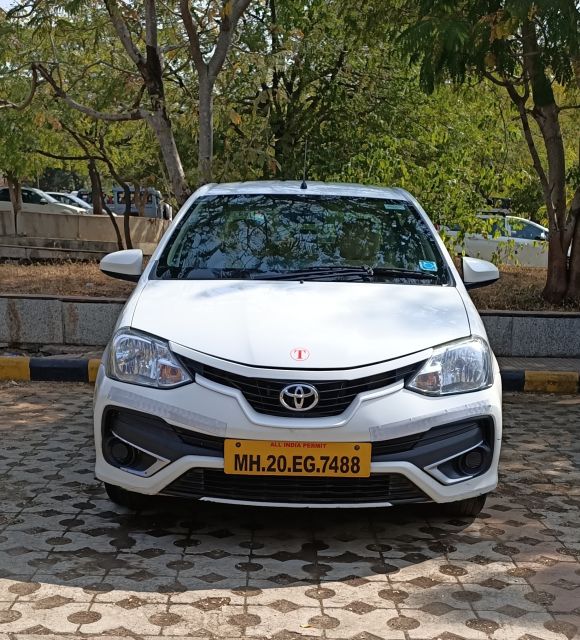
- AC comfort and private transport: Toyota Etios for smaller groups, Innova Crysta SUV for larger ones, plus bottled water.
- Realistic sightseeing time: about 3–4 hours for each site, so you’re not stuck in a rushed blur.
- A bonus stop near Aurangabad: Bibi Ka Maqbara fits naturally on the second day.
- Private group only: it’s just your group, not a mixed bus tour.
The big idea: why Ajanta and Ellora belong in your Maharashtra plan
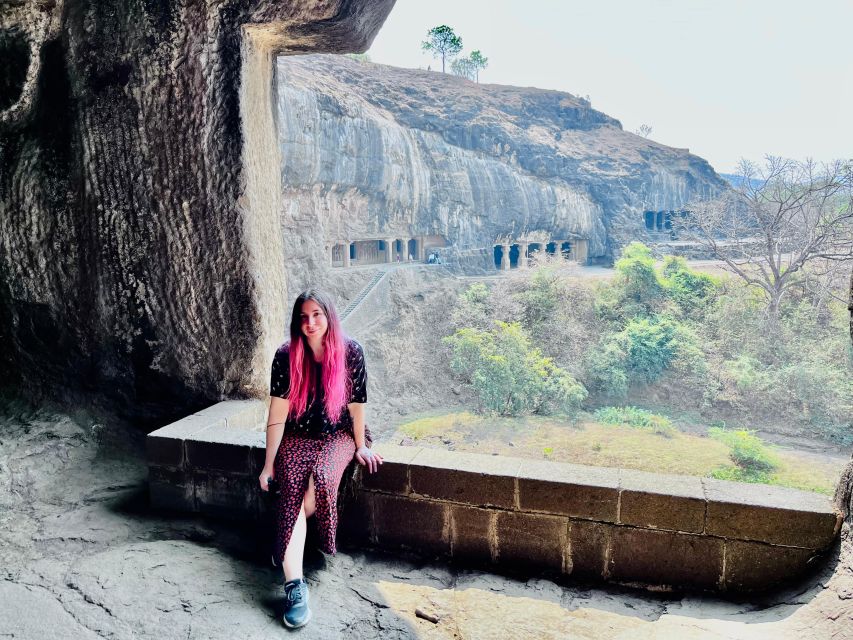
Ajanta and Ellora are often talked about as a bucket-list combo, but the “why” is practical. You’re looking at two UNESCO World Heritage sites that show major changes in Indian art and religious life over time—painted cave murals at Ajanta, then carved cave architecture at Ellora. Put them together and you start seeing patterns instead of isolated wow moments.
This tour is designed to make that comparison easy. You start in Ajanta first, then go to Ellora the next morning, with an overnight in Aurangabad. That matters because both sites cover a lot of ground and you’ll spend energy walking, climbing, and waiting for your turn at viewpoints.
The setup is also reader-friendly. You’re picked up in Aurangabad (airport/railway station/hotel or another chosen location), driven in an AC car, and met with a guide who helps you pace the caves. If you’ve ever visited a big heritage site without context, you know the difference a good guide makes.
You can also read our reviews of more tours and experiences in Aurangabad
Day 1: Aurangabad to Ajanta Caves (and why the start matters)
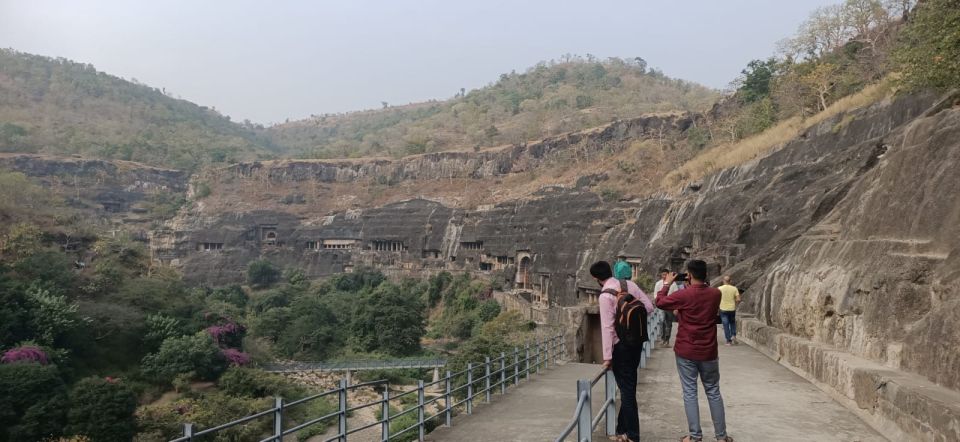
On day one, you’re picked up from your chosen location in Aurangabad and matched with a guide or driver for the day. Then you head to Ajanta Caves, roughly 100 kilometers away—about a 2-hour drive.
Once you arrive, plan on 3–4 hours to see Ajanta properly. That time window is important. Ajanta’s caves aren’t just “a single spot you glance at.” Even with a route plan, you’ll want time to move from cave to cave, pause for mural details, and let your eyes adjust to the dim interiors. The tour’s pacing gives you room for that, instead of forcing a rapid sprint.
Lunch is flexible. You can eat after your cave time, and your guide can point you toward good restaurant options. Food isn’t included, but the benefit here is simple: you don’t waste half your day trying to figure out where to go next.
Back in Aurangabad, you return after lunch and the drive is another 2 hours. This is a smart “reset” moment. You’re not ending the day in a long travel scramble, and you can be ready for Ellora the next day.
Ajanta’s 63 caves: what you should pay attention to
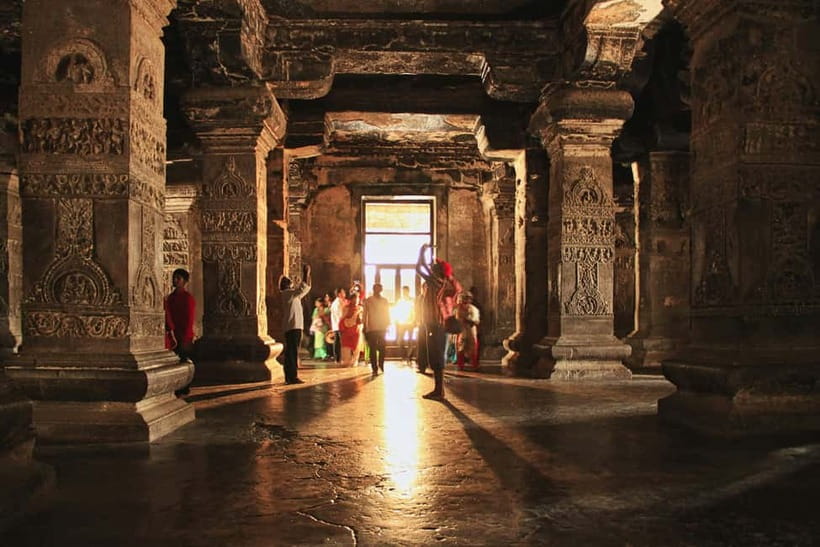
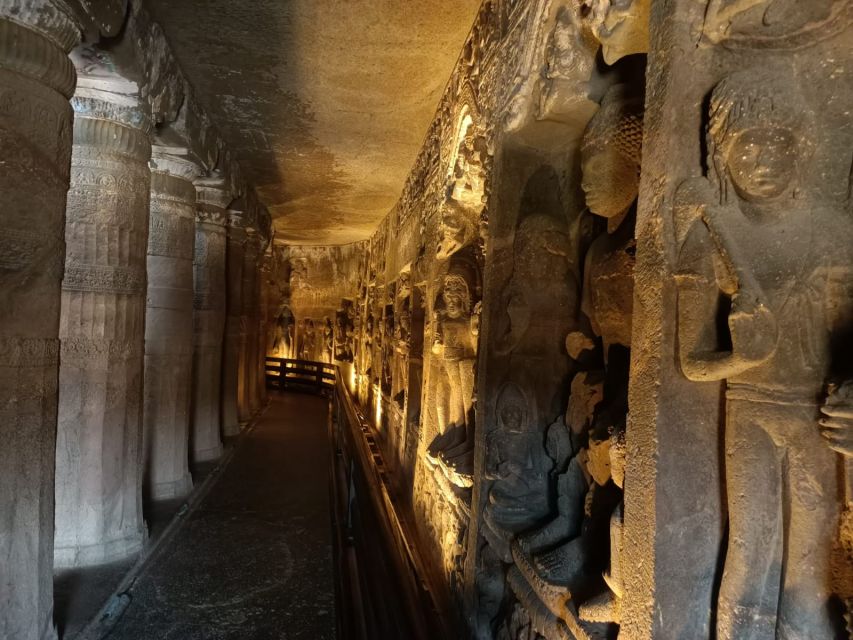
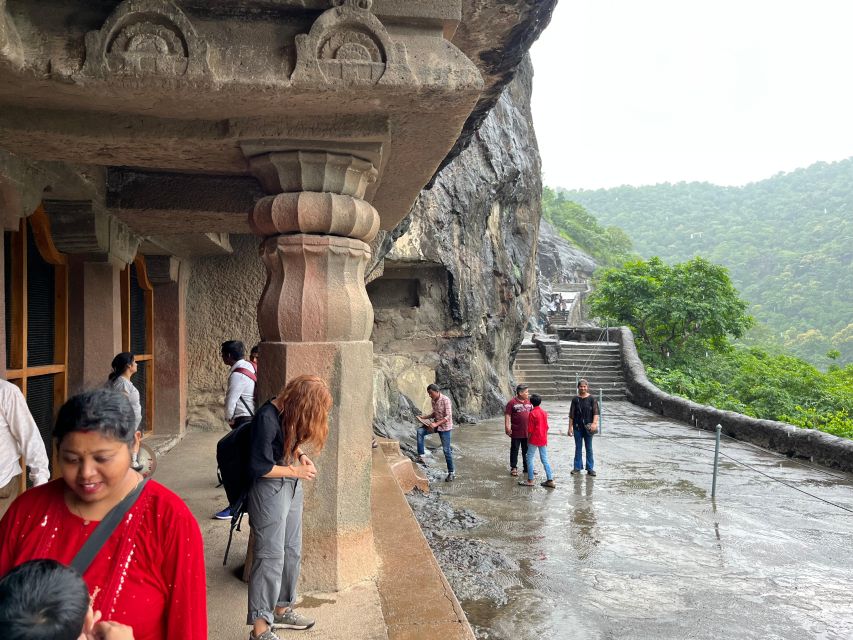
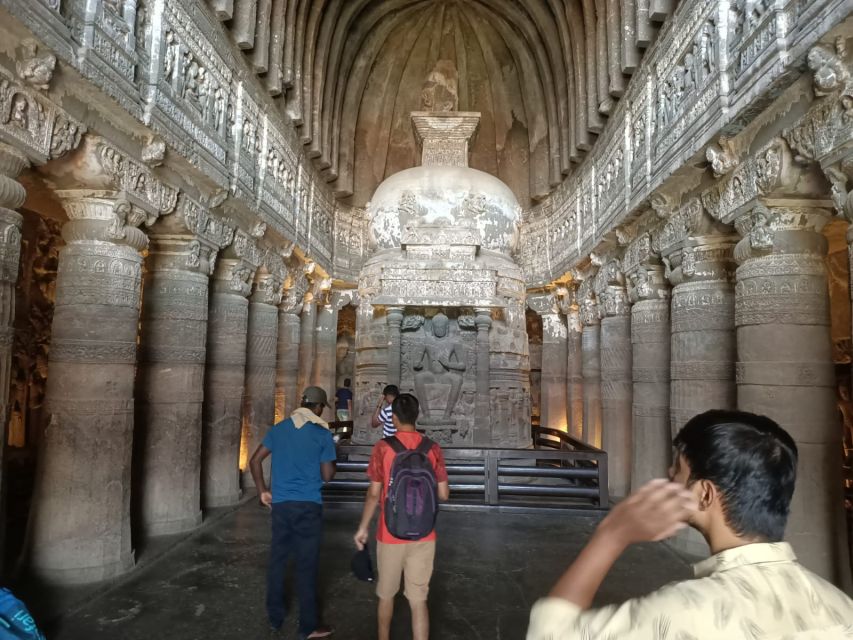
Ajanta is famous for its cave paintings and large religious spaces carved into rock. Even if you don’t know the timeline, a good guide helps you notice what’s happening in each cave—who’s depicted, what scenes repeat, and how the style changes over time.
In the tour experience, the guide is a key part of the value. In examples like Sarang and Deepak, you can see what “good guiding” actually means: clear explanations, good pacing, and an engaging way to connect the art to the people who made it. When a guide helps you interpret the murals, the caves stop feeling like decoration and start feeling like storytelling.
Practical tip: wear shoes you can walk in for hours. Inside the caves, surfaces can be uneven and lighting is low, so your feet matter more than your fashion choice. Bring a light layer too—temperatures can shift between sunny roadside travel and cool cave interiors.
Also remember the calendar: Ajanta is closed every Monday. If your trip window includes a Monday, you’ll need to adjust days or you’ll lose the site completely.
Day 2: 8:00 a.m. Ellora run, plus the Bibi Ka Maqbara bonus
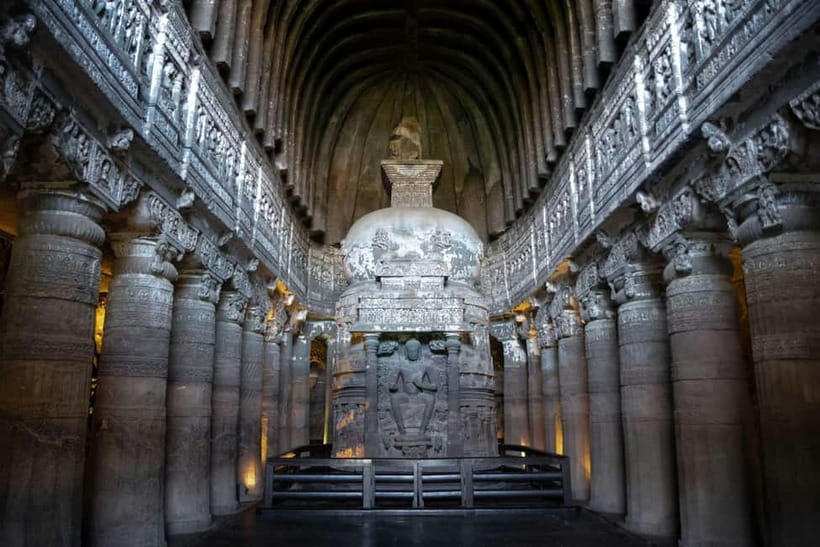
Breakfast comes first, then you head to Ellora at 8:00 a.m. Ellora is closer—about 35 kilometers, roughly 1 hour from Aurangabad—so the morning starts with less time on the road and more time on the caves.
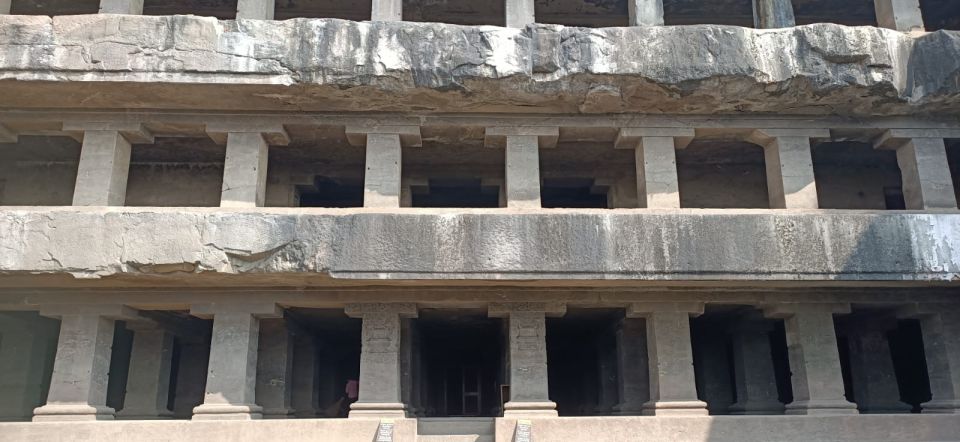
Ellora also takes 3–4 hours. This is where the “two sites, two styles” comparison comes alive. Ajanta is known for painted caves; Ellora is known for rock-cut architecture and religious cave complexes that feel heavier and more structural as you move through the site.
After Ellora, you can have lunch again (food isn’t included), and your guide can recommend where to eat. Then the tour adds a nearby cultural stop: Bibi Ka Maqbara. This is not the same kind of cave experience, but it fits the day well because it changes the pace from rock carving to a different kind of heritage setting near Aurangabad.
At the end of the day, you’re free to choose your drop-off location in Aurangabad—hotel, airport, or train station. This flexibility is useful if your next step is a train connection or an early flight.
One more date detail you must know: Ellora is closed every Tuesday. Your itinerary needs to respect that, or you’ll spend the day filling the gap.
Bibi Ka Maqbara: a helpful palate-cleanser near Aurangabad
Bibi Ka Maqbara is included as a follow-on stop after Ellora. That helps because Ellora can leave you cave-focused—stone, shadows, carvings, repeating patterns. A nearby heritage stop gives you a break before your journey ends.
The big benefit is practical pacing. If you’ve spent hours walking and looking at caves, you’ll appreciate shifting to something easier to photograph and less physically demanding than cave crawling. It also gives you a wider sense of Aurangabad’s region beyond just one famous UNESCO duo.
If you’re the type who likes to compare styles and settings—what religion, architecture, and artistry look like in different locations—this extra stop adds variety without turning the schedule into chaos.

The transport setup: private AC car, smart capacity, and safer roads
This is a private tour/activity, so only your group participates. That removes one of the biggest headaches in India heritage travel: waiting around for mixed groups and trying to sync everyone’s energy level.
The car choices match group size:
- Toyota Etios for 1–2 people
- Innova Crysta for 3–4 people
Both are AC and include complimentary bottled mineral water during travel.
Your driver is typically fluent in Hindi and English, which helps when you need route guidance, timing updates, or quick clarifications. Several guides and drivers are described as careful and courteous, including examples like Tausif (careful driving over challenging roads) and Suleiman Patel (smooth, attentive driving).
A detail I appreciate: you can set your pace with the guide. In practice, it means you’re less likely to feel herded through the caves like a checklist. And yes, some drivers may even arrange small extras like a chai stop—those tiny moments turn a long day into a more human one.
Guided caves: how to get more than photos
A cave tour without interpretation can still be beautiful, but it’s easy to miss the point. The guide is what turns your time into understanding—why a cave was built, what the imagery means, and what you’re supposed to notice as you move through the site.
In the experience you can add a professional English or other language-speaking guide. That option matters if you want to keep your energy up while your brain also stays engaged. Instead of scanning walls, you’re listening for themes and context.
From guide examples like Sarang, Deepak, and Siraj, you can also see the difference between “standing by” and “leading.” Strong guides tend to be engaging and well spoken, and they help you stay focused on the caves that actually deserve your attention.
If you care about photo quality, guides can help with timing too. They know where people naturally bottleneck and which cave sequences feel more logical. That can mean fewer crowds at the best moments and better viewing angles.
Entry tickets, what’s included, and what can surprise you
Here’s what the package includes (depending on what you select):
Included
- Private AC car transfers & sightseeing (with the car type matching group size)
- Option to book a professional guide (English or other language)
- Entry tickets to Ajanta Caves, Ellora Caves, and Bibi Ka Maqbara if selected
- Driver experienced in Hindi & English
- All tolls, parking, fuel, taxes, and service charges
- Bottled mineral water during travel
- Pickup and drop from Aurangabad airport, railway station, hotel, or chosen location
Not included
- Hotel accommodation
- Food
This matters for your budget planning. You might see this advertised as all-inclusive, but you still need to handle lodging and meals. The value is in the logistics: transport, guides, and site entry. If you already have a hotel and don’t mind choosing your own meals, this package can feel efficient.
Price and logistics: is it worth paying for convenience?
The truth: Ajanta and Ellora tours vary a lot in price, and convenience costs money. Some people feel the price for a 2-day plan is steep compared with longer itineraries they’ve done elsewhere. That reaction is understandable.
So how do you judge value here? Look at what you’re buying:
- You’re paying for private AC transport between sites and back to Aurangabad.
- You’re also paying for time management (Ajanta first day, Ellora early second day).
- If you select it, you get entry tickets and a guide that turns caves into stories instead of stone rooms.
If your priority is maximum time on caves with less stress on route planning, ticket handling, and finding a good guide, the cost starts to look reasonable. If your priority is lowest price and you’re comfortable arranging things on your own, you’ll want to compare options before committing.
Also note the special fit: this tour is not suitable for people with heart problems. Cave sites often involve sustained walking and uneven ground, so it’s worth taking that guidance seriously.
Who this Aurangabad 2-day caves tour fits best
I see this package working best for:
- First-timers to Ajanta and Ellora who want help making sense of art and architecture
- Small groups who want private transport instead of crowd shuffling
- People staying in Aurangabad who want an efficient, two-day UNESCO hit
- Travelers who value a calm pace and clear guidance, not just a fast photo stop
It may be less ideal if:
- You’re chasing the lowest cost possible and don’t want to pay for private logistics
- You’re visiting on a Monday (Ajanta closed) or Tuesday (Ellora closed) without a plan B
What to bring and when to plan your dates
Bring:
- Passport or ID card
Date planning essentials:
- Ajanta closes every Monday
- Ellora closes every Tuesday
Timing expectations:
- Ajanta: about 3–4 hours onsite after a ~2-hour drive
- Ellora: about 3–4 hours onsite after an 8:00 a.m. start and a ~1-hour drive
If you’re sensitive to early mornings, Ellora’s 8:00 start is the one part to account for. But for most people, it’s also the smartest time to go—Ellora gets you into the caves while the day is still fresh.
My call: should you book this Ajanta and Ellora tour?
If you want an easy, well-managed route that pairs Ajanta + Ellora with professional guidance and AC private transport, this tour is a strong choice. It cuts down on the guesswork—where to go, when to go, how long to spend—and it gives you enough time to actually look.
I’d book it when:
- You’re short on time and staying in Aurangabad
- You care about context and not just sightseeing
- You want the comfort of pickup, transport, and site visits handled in one plan
I’d think twice when:
- Your dates land on Ajanta Monday or Ellora Tuesday
- You’re aiming for the cheapest possible way to do these sites
- You need accessibility or you fall into the group not suitable due to health considerations
If those boxes match your trip, this is the kind of two-day plan that leaves you with more than photos: it leaves you with clear impressions of why these caves matter.
FAQ
How long is the drive from Aurangabad to Ajanta?
Ajanta is about 100 kilometers from Aurangabad, and the drive is roughly 2 hours.
How long is the drive from Aurangabad to Ellora?
Ellora is about 35 kilometers from Aurangabad, and the drive is about 1 hour.
How many hours should I plan to spend at Ajanta and Ellora?
You should plan around 3–4 hours for Ajanta and about 3–4 hours for Ellora.
Are entry tickets included?
Entry tickets to Ajanta Caves, Ellora Caves, and Bibi Ka Maqbara are included if you select them.
What days are Ajanta and Ellora closed?
Ajanta Caves are closed every Monday, and Ellora Caves are closed every Tuesday.
What is not included in the tour price?
Hotel accommodation and food are not included. You’ll also want to budget for meals during the lunch stops.