REVIEW · AMRITSAR
Amritsar: Golden Temple and Jallianwala Bagh Guided Tour
Book on GetYourGuide →Operated by WalkandExplore · Bookable on GetYourGuide
Amritsar’s calm hits fast. This guided tour ties together Sri Harimandir Sahib (Golden Temple), the Langar community kitchen in action, and the solemn weight of Jallianwala Bagh in a way that actually helps it make sense. I love how the guides connect Sikh beliefs to what you see in the temple complex, and I also love the hands-on feeling you get from the backstage look at the kitchen operations.
The stops are thoughtfully matched: you get spirituality and architecture, then you get history you can’t ignore. You’ll also hear clear, story-driven explanations in multiple languages, with guides such as Hardik, Deepak, and Prarit Singhania showing up in different departures. One good sign: the explanations aim to keep things understandable, not just ceremonial.
One drawback to plan around: the day has a lot packed in, so if you want maximum quiet time inside the Golden Temple itself, you might feel the split between temple time and other visits (like the kitchen) takes a bite out of it.
In This Review
- Key things you’ll notice right away
- Golden Temple etiquette: what you need before you walk in
- Starting at Jallianwala Bagh: history that frames the rest of your day
- The Golden Temple explained: Sikh philosophy you can see
- Akal Takht and the surrounding stops: Baba Deep Singh and more meaning
- Dukh Banjan Beri and the Holy Dip at Amrit Sarovar
- Sikh Central Museum, Bunga Ramgarhia, and Sikh Reference Library
- Langar: the world’s largest community kitchen, with live operations
- Evening mood, lights, and a guided sense of peace
- Price and value: what $18 buys you here
- Who should book this tour, and who might want a different plan
- Should you book it? My honest call
- FAQ
- FAQ
- Where does the tour start and end?
- How much does the tour cost?
- What language will my guide speak?
- What key places are included in the tour?
- Is the Langar included?
- Is food included?
- Do I need to bring my own transportation?
- What should I wear to enter the Golden Temple complex?
- Are there any items you should not carry?
- How big is Langar on a typical day?
Key things you’ll notice right away
- A proper Sikh context: Sikh philosophy, architecture, and key sites like Akal Takht are explained in plain language
- Backstage Langar access: you can see live operations behind one of the world’s biggest community kitchens
- Holy dip moments: you learn about Dukh Banjan Beri and the Holy Dip in Amrit Sarovar before you go
- Jallianwala Bagh with framing: the 1919 massacre memorial is approached with care and historical context
- Local learning stops: Sikh Central Museum, Bunga Ramgarhia, and Sikh Reference Library add depth beyond the main sights
Golden Temple etiquette: what you need before you walk in
This tour does a lot outdoors and around sacred space, so the first practical lesson is how to enter respectfully. Before you step into the Golden Temple complex, you’ll want clothes that cover both your knees and shoulders. It’s an easy rule, but it matters here—people are paying attention, and you’ll move faster if you’ve already dressed for it.
You’ll also be asked not to carry tobacco, alcohol, cigarettes, e-cigarettes, and similar items. That rule isn’t just for show. It keeps the environment focused on worship and community, and it helps you avoid that awkward moment of realizing you forgot something at the wrong time.
If you’re photo-minded, keep expectations grounded: photos are part of the experience for many people, but the vibe is about reverence. Your best strategy is to watch first, then photograph what feels appropriate.
You can also read our reviews of more guided tours in Amritsar
Starting at Jallianwala Bagh: history that frames the rest of your day
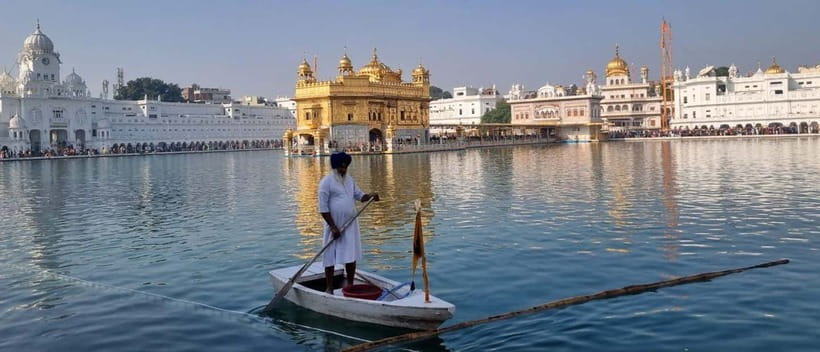
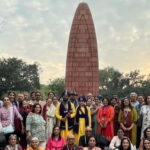
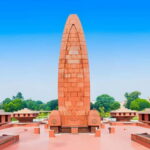
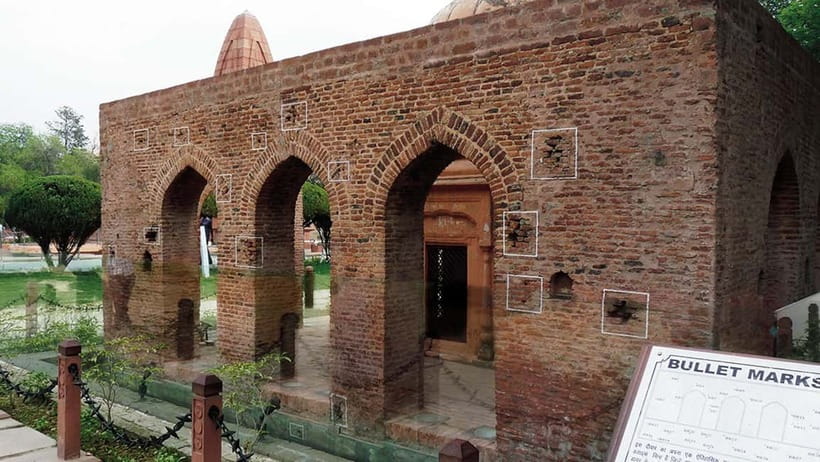
Your tour starts outside the entrance gate of Jallianwala Bagh, near the white flame statue, and that choice shapes how the rest of the day lands. You’re not just visiting a temple and moving on. You begin with the memory of 1919, when a massacre took place and left a scar on India’s freedom story.
This part works best when you slow down. The memorial garden is quiet by design, and the guide’s job is to explain the context without making it feel like a lecture. In the stories that get shared, you’ll often see how the 1919 tragedy connects to larger political forces over time—so you start understanding why this site is still such a charged place to stand.
Even if you know the basics, the framing changes the feeling. After Jallianwala Bagh, the Golden Temple doesn’t just look beautiful. It starts to feel like the opposite pole of human experience: suffering on one side, spiritual resilience and community on the other.
The Golden Temple explained: Sikh philosophy you can see
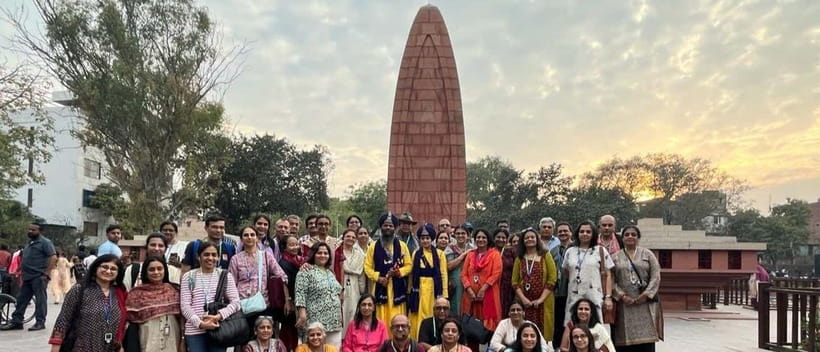
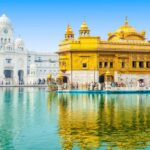
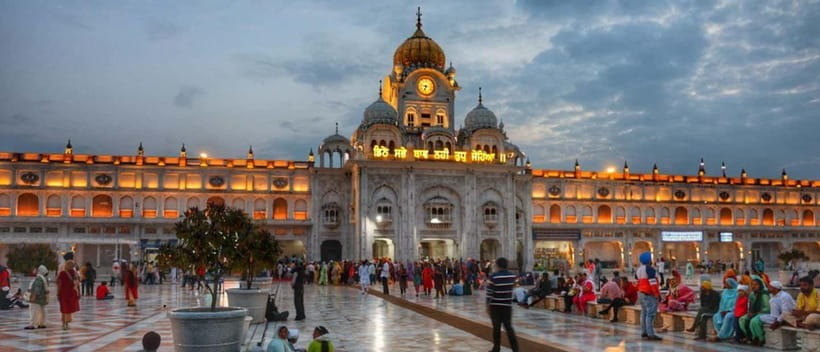
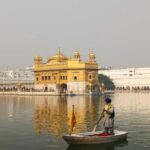
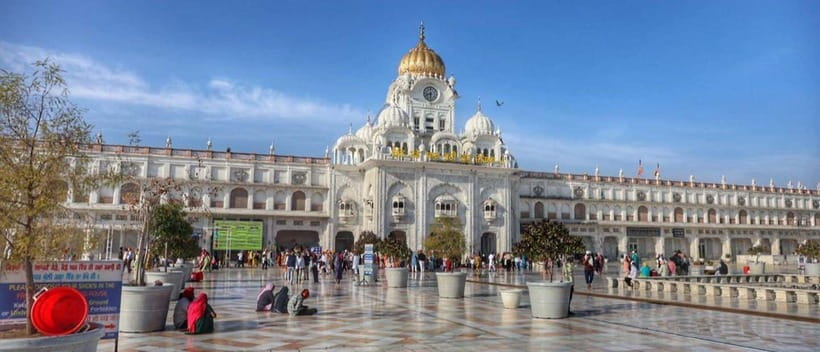
The Golden Temple (Sri Harimandir Sahib) is famous for a reason, but it can be easy to treat it like a postcard. The guide storytelling flips that. You’ll get explanations about the history and philosophy of Sikhism alongside what you’re seeing in the temple architecture and the broader complex.
I like this approach because it gives you mental hooks. For example, when someone explains why a place is designed a certain way, you stop scanning for trivia and start noticing patterns: the way spaces guide movement, the way devotion shapes routine, and the way community is built into daily life.
You’ll also visit the Akal Takht, which is a major seat of authority in Sikhism. Even if the temple’s symbolism is new to you, the guide helps you understand what it represents and why people treat it with such seriousness. This is where the tour earns its value: it doesn’t assume you already know the system—it teaches you just enough to appreciate what matters.
Akal Takht and the surrounding stops: Baba Deep Singh and more meaning
After the main temple introduction, your tour keeps moving through key Sikh landmarks. One stop you’ll make is Baba Deep Singh Gurudwara. That name alone carries weight in Sikh history, and your guide’s explanations help it feel connected rather than random.
What you’re looking for here isn’t just the building. It’s the story thread. The tour connects devotion, historical remembrance, and how Sikh identity takes shape in places you can physically visit. If you’ve ever visited a religious site and felt like you missed the point, this is the kind of structure that helps you avoid that.
You’ll also spend time hearing about how the Golden Temple complex fits into Amritsar’s spiritual role. Amritsar is the spiritual centre for Sikhism, and the tour makes that claim feel practical: you’ll see how pilgrims, worshippers, and daily routines create the atmosphere rather than it being only an event space.
Dukh Banjan Beri and the Holy Dip at Amrit Sarovar
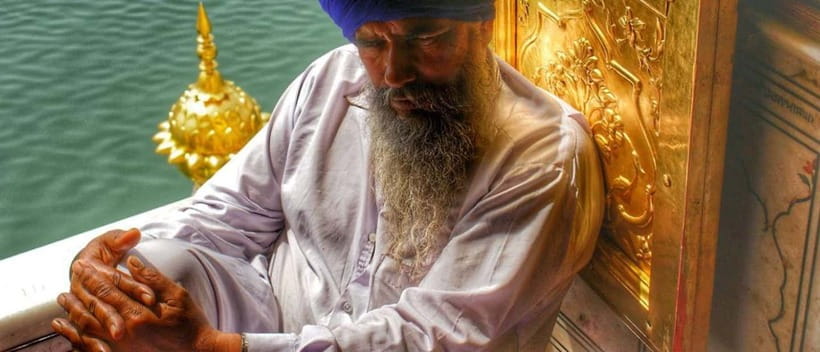
One of the most memorable parts of the experience is the way the tour handles ritual details. You’ll get explanations about Dukh Banjan Beri and the Holy Dip in Amrit Sarovar. That matters because a lot of people arrive without context and only see bodies moving through water.
With the guide’s framing, you can understand why the holy dip has significance and why people approach it with focus. Even if you don’t plan to take a dip yourself, you’ll walk away with better appreciation for the ritual’s purpose.
Practical note: this is a sensitive area in terms of cleanliness and respect, so follow the guide’s timing and instructions. If you’re unsure about what’s expected, watch the people around you for cues, then do what your guide recommends.


Sikh Central Museum, Bunga Ramgarhia, and Sikh Reference Library
Not everyone wants museums on day one, but this tour uses museum stops to fix a common problem: the Golden Temple can make you feel something, and history stops can make you understand it.
You’ll visit the Sikh Central Museum, plus Bunga Ramgarhia and the Sikh Reference Library. These locations help you move from emotional understanding to historical grounding. You get a clearer picture of Sikh heritage through curated learning and reference materials, which is especially helpful if you want to ask questions later or read more on your own.
I like that the library and reference elements are included. They signal that Sikh study isn’t only ceremonial—it’s ongoing, and it supports scholarship and remembrance.
If you’re the type who skims in museums, this might still work because the guide storytelling gives you a reason to look carefully at what’s in front of you.
Langar: the world’s largest community kitchen, with live operations
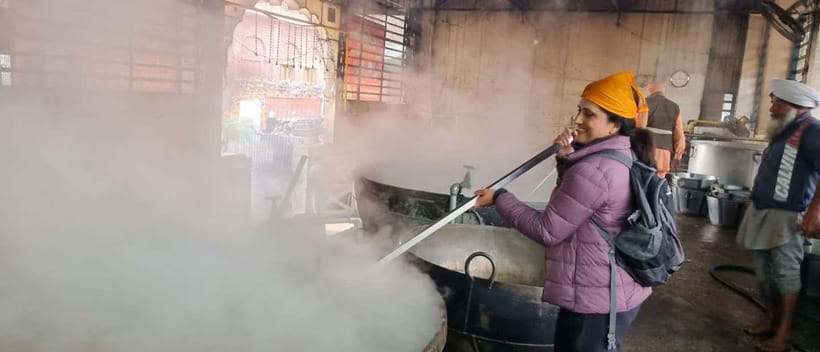
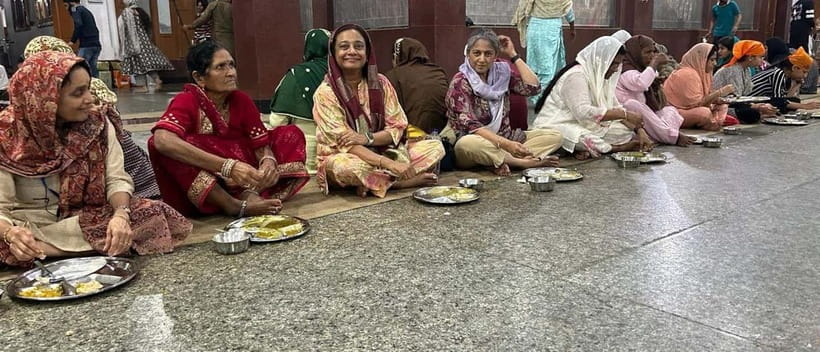
Then comes one of the tour’s strongest moments: Langar, the free community kitchen. The tour highlights how large it can be—between 50,000 to 150,000 people daily are fed through this system. That scale can sound like a big number, but seeing how the operation works is what makes it real.
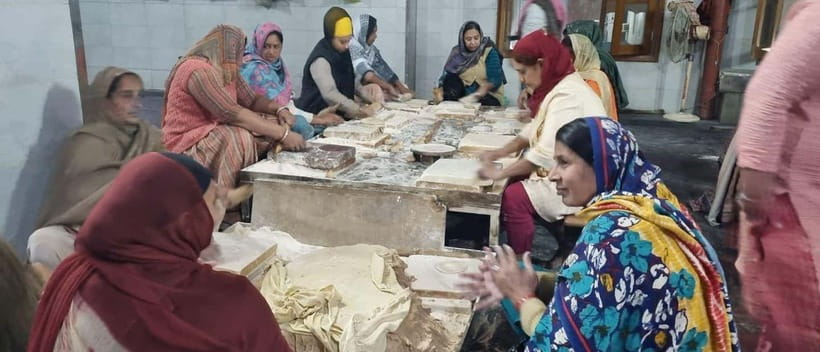
The best part here is the backstage access. You get exclusive access to the behind-the-scenes kitchen operations, which means you’re not just looking at a serving line from the edge. You can understand how the workflow, preparation, and serving connect to the idea of community equality.
This is also a place where the tour’s tone matters. A good guide keeps it human: not just numbers, not just logistics—how the system supports people regardless of background. The result is a feeling that’s different from a normal sightseeing stop.
Want to help your experience land well? Go in ready to participate in the atmosphere. Even if you don’t eat there (food isn’t included on this tour), you’ll still see the rhythms of giving and the energy of volunteers and routine.
Evening mood, lights, and a guided sense of peace
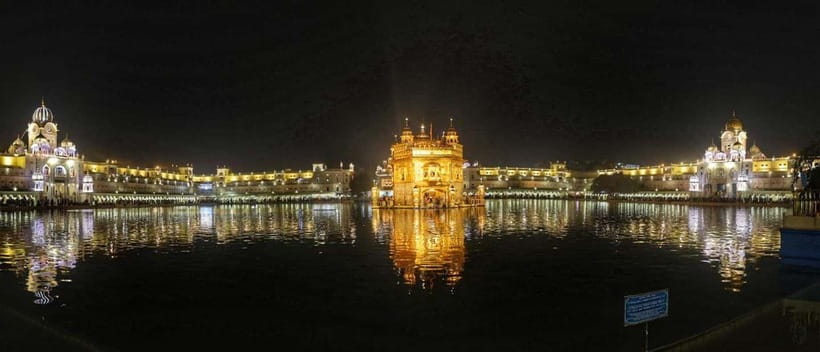
The Golden Temple experience often feels different depending on the time of day, and this tour can capture that atmosphere. In at least some departures, the evening feel is part of why the day sticks with people—the temple lights and the general calm add emotional weight to everything you learned earlier.
Your guide may talk about Gurbani (devotional music) and how it fills the temple complex with sound around worship spaces. If you’re sensitive to noise, know this is a devotional environment, not a quiet temple museum. Still, many people find it peaceful rather than overwhelming, because the music is part of a shared routine rather than random sound.
This is also where the earlier history framing helps. Standing in a spiritual space after starting at the 1919 memorial creates contrast, and the contrast is the point.
Price and value: what $18 buys you here
At $18 per person, this tour is one of those bargains that only makes sense when you consider the full list of stops. You’re not paying just for a single temple visit.
What’s included:
- Storytelling by a local guide in Hindi, English, and Punjabi
- Sikh history and culture explanations
- Local life experience and additional stops
What’s not included:
- Transportation
- Food
- Personal expenses
So why does this feel like good value? Because the included portion contains what most independent travelers struggle to get right: context, sequence, and access. Backstage Langar access is a big differentiator, and it’s paired with multiple Sikh-focused stops like the museum and reference library, plus the serious historical memorial at Jallianwala Bagh.
The only way it doesn’t feel like a deal is if you already know Sikh history deeply and you’re uninterested in museum or kitchen operations. For most first-time visitors, the guide-led structure turns a list of places into a connected day.
Who should book this tour, and who might want a different plan
This tour fits best if you:
- Want Sikh history and spirituality explained in plain language
- Like a guide who helps you connect architecture, ritual, and community
- Appreciate contrast: sacred calm plus real historical memorial space
- Enjoy practical cultural experiences like Langar operations, not only sightseeing
It may not be perfect if you:
- Want long, uninterrupted time inside the Golden Temple itself
- Prefer to spend most of the day at one location rather than moving through several stops
- Want everything handled start-to-finish, since transportation and food aren’t included
Also remember: the tour includes specific do’s and don’ts in the temple complex area, so be ready to follow the dress and item rules closely.
Should you book it? My honest call
I’d book this tour if you’re visiting Amritsar for the first time and you want more than photos. The mix of the Golden Temple complex, key Sikh sites like Akal Takht and Baba Deep Singh Gurudwara, and the historical weight of Jallianwala Bagh creates a complete picture in a short window.
The standout factor is the backstage Langar portion plus the guide-led storytelling in Hindi, English, or Punjabi. If you choose a departure with a strong guide—people like Hardik, Deepak, and Prarit Singhania come up—you’ll get that rare combo of structure and warmth.
If your top priority is ultra-slow temple time, you can still do it, but go in knowing the tour’s design favors coverage and context over hours of pure quiet.
FAQ
FAQ
Where does the tour start and end?
The tour starts outside the entrance gate of Jallianwala Bagh near the white flame statue, and it ends back at the same meeting point.
How much does the tour cost?
The price is $18 per person.
What language will my guide speak?
Storytelling is available in Hindi, English, and Punjabi, depending on your convenience.
What key places are included in the tour?
You’ll visit the Golden Temple (Sri Harimandir Sahib), Akal Takht, Baba Deep Singh Gurudwara, the Sikh Central Museum, Bunga Ramgarhia, the Sikh Reference Library, and Jallianwala Bagh. The tour also includes explanations about Dukh Banjan Beri and the Holy Dip in Amrit Sarovar, plus Langar.
Is the Langar included?
Langar is included, including live operations with exclusive backstage access to the community kitchen.
Is food included?
Food is not included.
Do I need to bring my own transportation?
Transportation is not included.
What should I wear to enter the Golden Temple complex?
Wear clothes that cover your knees and shoulders.
Are there any items you should not carry?
You should not carry tobacco, alcohol, cigarettes, e-cigarettes, or other unethical items.
How big is Langar on a typical day?
The tour information says between 50,000 and 150,000 people are served free food daily.