REVIEW · AMRITSAR
Amritsar: Small Group Sightseeing Tour with Wagah Border
Book on GetYourGuide →Operated by Taxi Bazaar · Bookable on GetYourGuide
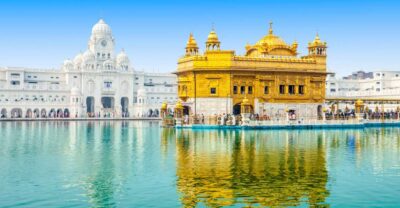
Golden Temple kind of steals the show. In one long day, you’ll move from prayer and service to hard history, then end at the Wagah Border ceremony—smoothly organized, with a local guide and hotel pickup.
What I like most is the way the tour gives you more than a quick look. You’ll spend real time at the Golden Temple, learn Sikh principles, and see how the Langar kitchen works for thousands each day.
One thing to think about: this is a long, active day. There’s some walking, and at least one traveler report notes the Partition Museum can be closed on Mondays, so your guide may switch to extra explanations if that happens.
In This Review
- Key Things You’ll Actually Notice
- Getting Started in Amritsar: A 9-Hour Flow That Makes Sense
- Golden Temple: More Than a Beautiful Shrine
- Langar Hall: Watch Service at Massive Scale
- Jallianwala Bagh: Understanding the 1919 Massacre
- Partition Museum: The 1947 Division in Photos, Video, and Paint
- Lunch Break and City Time: Don’t Skip the Reset
- Grand Trunk Road and Wagah Border: The Ceremony Endgame
- How to Make the Ceremony More Enjoyable
- Price and Value: Why $40 Can Work Here
- What Kind of Traveler This Day Fits Best
- The Guide Experience: What to Expect from Real Local Interpretation
- Should You Book This Amritsar and Wagah Tour?
Key Things You’ll Actually Notice
- Golden Temple + Langar: you’re not just snapping pictures from the gate
- Jallianwala Bagh context: the 1919 tragedy is explained in plain, human terms
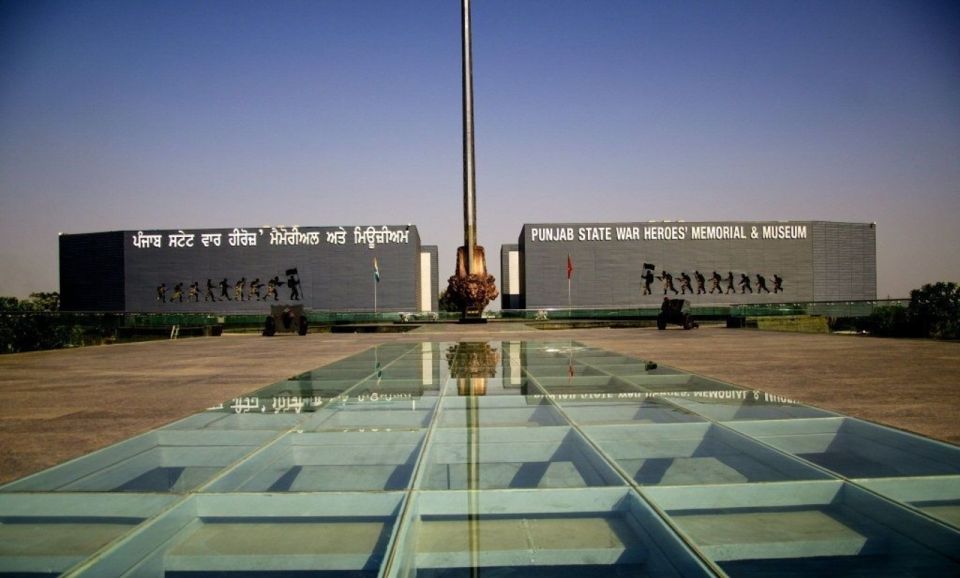
- Partition Museum: video, photos, and paintings put 1947 into focus
- Wagah Border ceremony: big crowds, strict entry flow, and a passport/ID check
- Small group (max 6): easier pacing when people ask questions or need breaks
- Hotel pickup and drop-off: you won’t spend your morning negotiating taxis
Getting Started in Amritsar: A 9-Hour Flow That Makes Sense
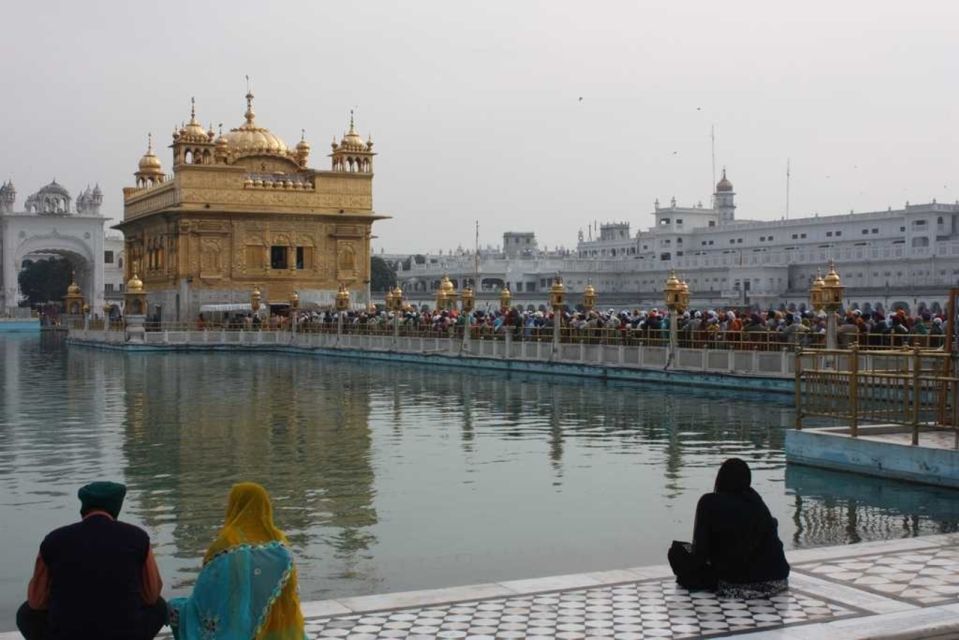
This is built for a single-day hit of Amritsar’s most meaningful sights, starting with an 8am pickup from your hotel. The whole day runs about 9 hours, so you’ll want to treat it like a mini itinerary of its own: early start, steady sightseeing blocks, and a proper evening finish.
The group is private, capped at up to 6 people. That matters here because you’ll be switching gears fast—from spiritual space to grim history to border pageantry. A small group keeps the pacing calmer and gives the guide more room to tailor explanations to what you care about.
And yes, traffic is part of Punjab life. Plan for some sitting time in the vehicle between stops. You’ll also want your passport or ID card ready, because the border ceremony has its own security rules.
You can also read our reviews of more tours and experiences in Amritsar.
Golden Temple: More Than a Beautiful Shrine
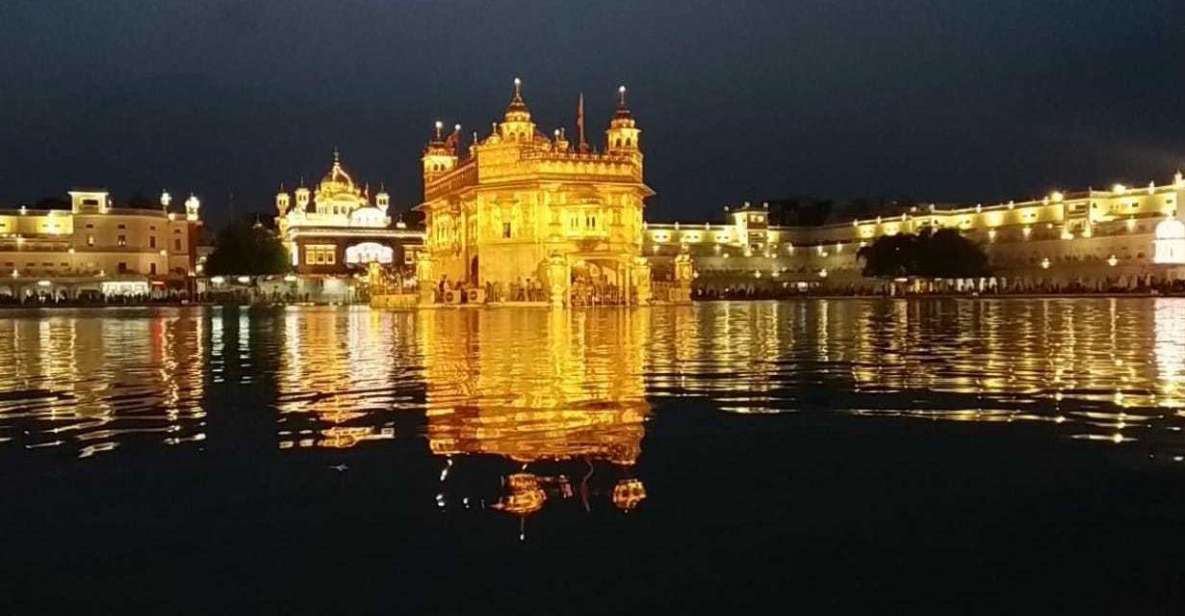
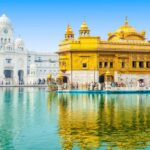
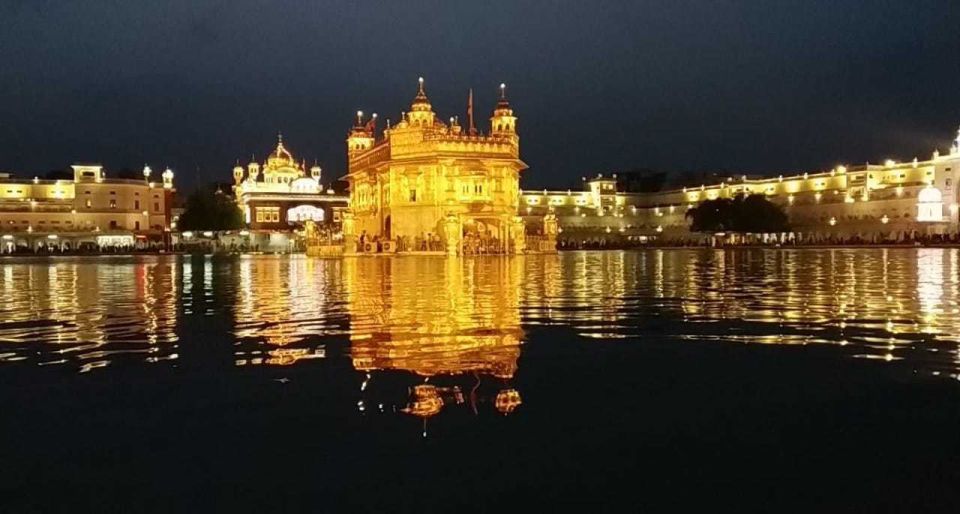
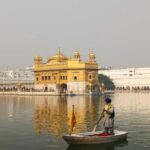
The day’s center of gravity is the Golden Temple (Harmandir Sahib), and the tour gives it time—around 2 hours with guided context. The first thing you’ll notice is how different the space feels once you’re inside the complex: it’s not just architecture and reflections. It’s a living place of worship and community.
A big reason I’d recommend this tour is that the guide doesn’t leave you with surface-level impressions. You’ll learn the principles of Sikhism while you’re there, so the visuals land with meaning. That turns the temple from “pretty place” into “I understand what I’m looking at.”
Langar Hall: Watch Service at Massive Scale
Right after prayers, you go to the Langar Hall (community kitchen). This is one of those experiences that’s easy to romanticize until you actually see the operation. You’ll witness how food is prepared to serve thousands of pilgrims each day.
Some guides on this route are especially praised for taking people into areas that most visitors miss. One example from the tour’s reporting: guides like Ajit Singh have been described as walking guests through kitchen sections, explaining how the system works and even enabling hands-on volunteering in some cases. If you’re offered that chance, it’s worth leaning in—this is service you can participate in, not just watch.
Practical note: there’s likely to be waiting and crowd movement around key sacred areas. Go with a patient mindset and let your guide manage the flow.
Jallianwala Bagh: Understanding the 1919 Massacre
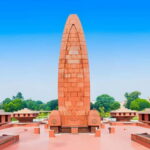
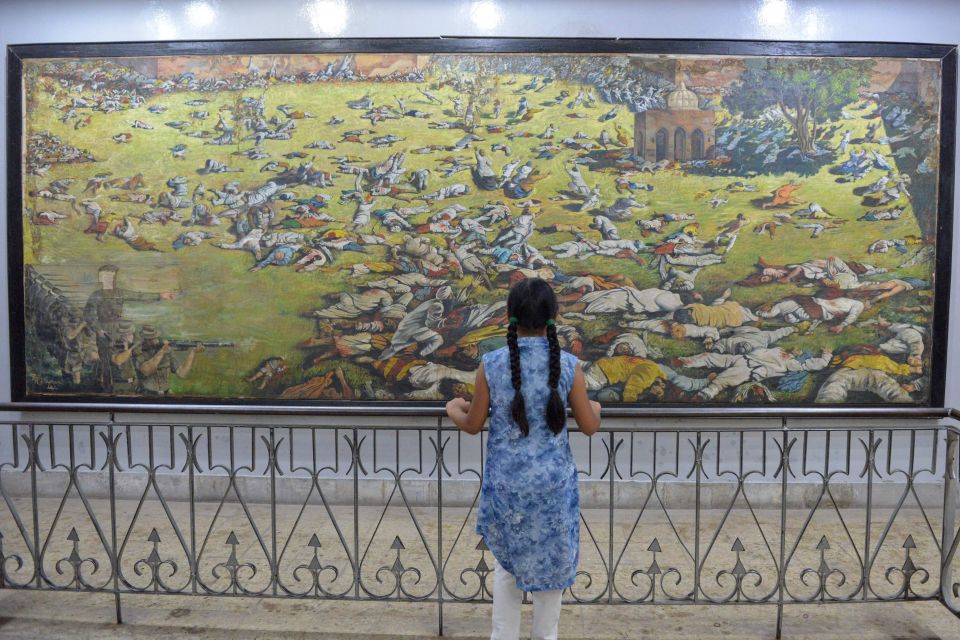
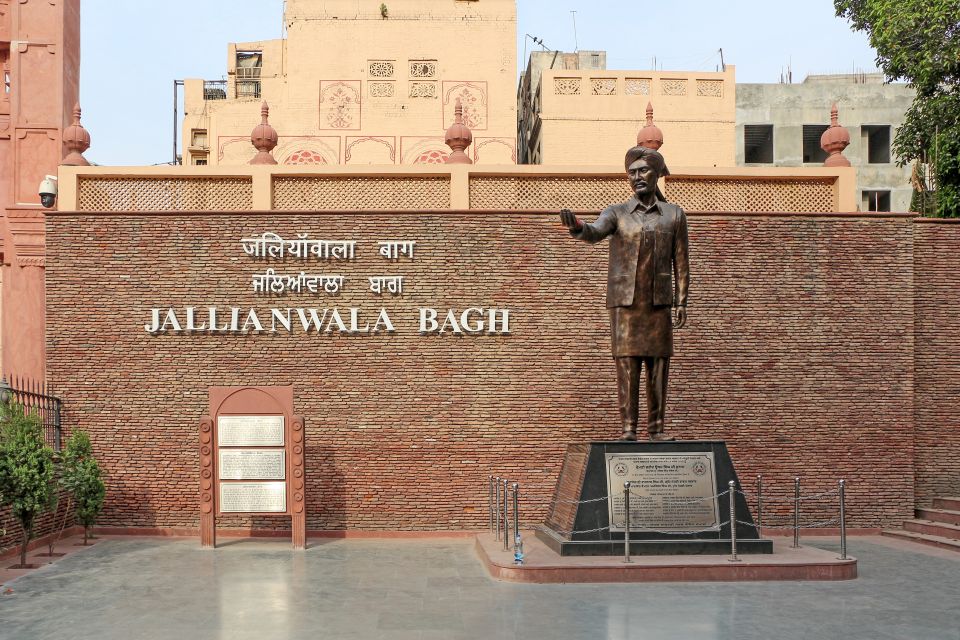
Next you’ll head to Jallianwala Bagh, with about 1 hour for a guided visit. This stop isn’t about tourism as spectacle. It’s about one event—the 1919 massacre—and how it changed the course of Indian history.
This is where good guiding makes a huge difference. You don’t just look at the site; you hear what happened there, under the British Indian Army, and why it became such a turning point. The tour’s value is that it frames the tragedy so you can connect it to the larger story you’ll hear later at the Partition Museum.
If you want a tour that keeps emotions respectful but still clear, look for a guide style like Sultan, Karen, or Ajit Singh—names that show up repeatedly for patient, fact-forward explanations. The best version of this day is when history is both direct and human, not lecture-y.
Partition Museum: The 1947 Division in Photos, Video, and Paint
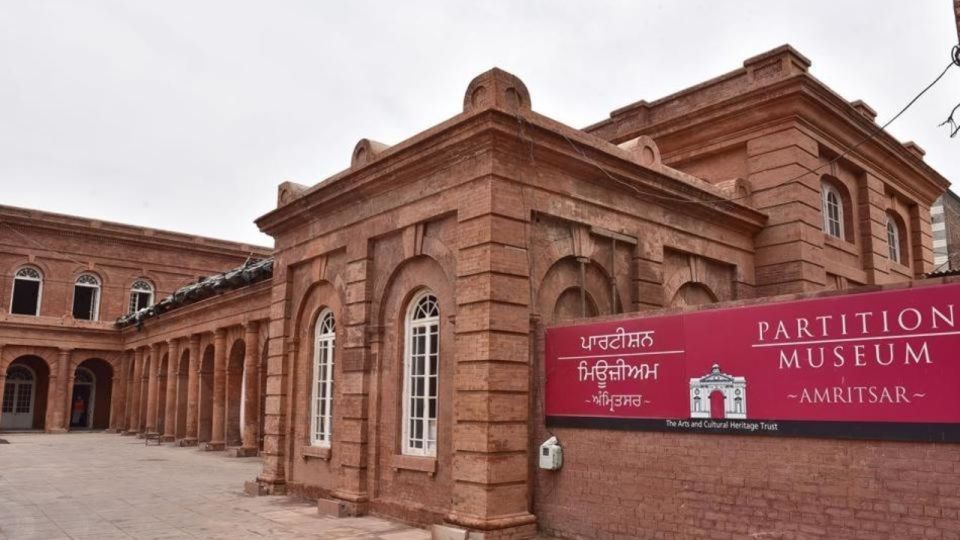
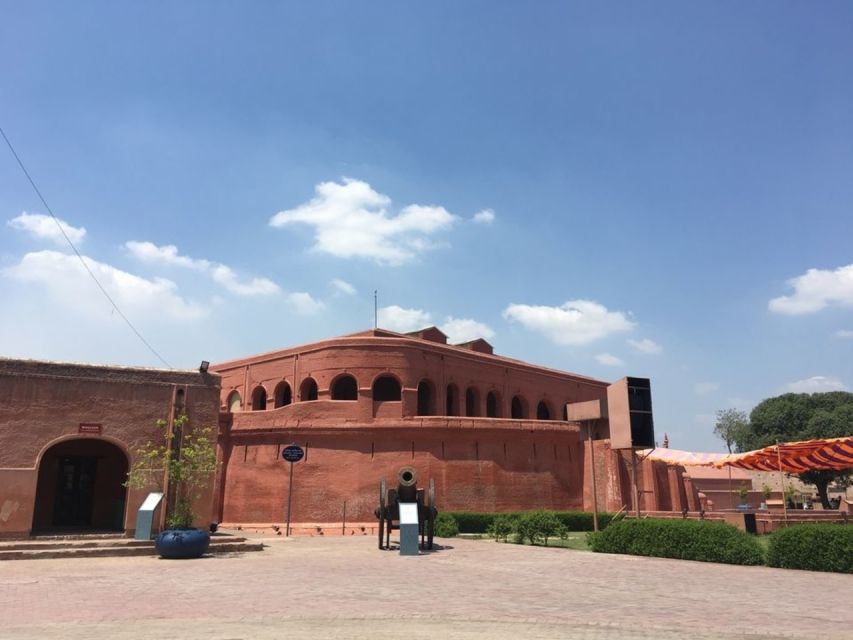
After Jallianwala Bagh, the tour takes you to the Partition Museum, described as the only museum dedicated to the horrific division of India and Pakistan. This is scheduled as another 1 hour guided block, and you’ll explore the exhibitions using video and photographic displays, plus expressive paintings showing the era.
This part is heavy, but it’s also useful. Partition is one of those historical topics people have heard the headlines of—but the museum format helps you see the human-scale details: what displacement looks like, what communities experienced, and why the effects lasted long after 1947.
One caution, based on reported experience: if your tour date falls on a Monday, the Partition Museum may be closed. When that happens, at least one guide on this route reportedly shifted gears and explained what you would have seen in detail. So don’t panic if you arrive and something’s shut; ask your guide what they can cover while you’re there.

Lunch Break and City Time: Don’t Skip the Reset
Between the major sites, the schedule includes 30 minutes for a break in Amritsar, plus another 2-hour sightseeing segment later in the day. That extra breathing space matters because you’ll have already done walking at the Golden Temple complex and a concentrated, emotional historical visit.
This is also a good moment to think about food timing. The tour does not state that lunch is included, and reviews commonly mention picking local meals nearby on your own time window. If you’re hungry after Jallianwala Bagh, use the break to eat before the border ceremony schedule tightens.
Also, the late-day portion can involve crowd flow and security checks. Keeping your energy steady here helps you enjoy the Wagah experience instead of counting the minutes.
Grand Trunk Road and Wagah Border: The Ceremony Endgame
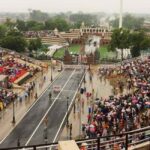
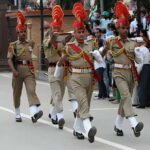
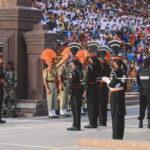
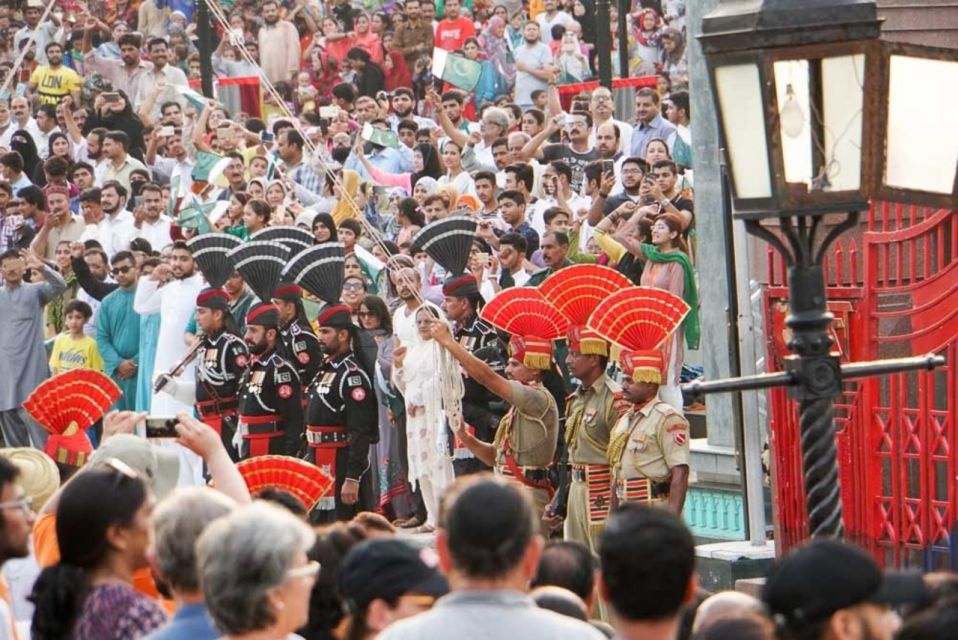
The evening finale is the Wagah Border ceremony. You’ll be taken out to the Grand Trunk Road area, with the border event itself as the highlight. The tour frames this as a structured show: flags lowered, a handshake between two nations, and soldiers performing an official routine that’s part ceremony and part theater.
If you’ve never seen this kind of event, here’s the key: it’s tightly controlled. You’ll want your passport or ID on hand, and you’ll need to follow instructions at every step. In the reporting for this tour, people specifically advised to bring your passport and to follow directions because entry lines can get chaotic.
How to Make the Ceremony More Enjoyable
The ceremony experience depends on timing. One traveler report said they had to be on the grounds about an hour earlier. Another noted that getting out smoothly after can require patience and attention—like leaving a couple minutes early to find your driver in the crowd.
So, aim for calm cooperation:
- Listen when your guide tells you where to stand and when to move
- Don’t assume you can wander around once you’re inside the ceremony area
- Treat the ceremony like an event venue, not a casual viewpoint
This isn’t just entertainment. For many people, it’s the day’s contrast piece: after temples and memorials, you see how nations perform identity publicly in a highly choreographed way.
Price and Value: Why $40 Can Work Here
At about $40 per person for a 9-hour small-group day with a live guide, hotel pickup/drop-off, entry fees, and parking charges, the value is strong—especially if you’re not trying to stitch this together independently.
What you’re paying for isn’t only transport. It’s interpretation. The guide helps connect:
- Sikh principles to what you see at the Golden Temple
- The meaning of Jallianwala Bagh beyond the basics
- What the Partition Museum is showing, emotionally and historically
That’s hard to replicate on your own unless you’re already comfortable with the context and want to spend hours researching before you arrive.
If your budget is tight, this kind of package makes sense because it reduces decision fatigue. You’re choosing fewer restaurants, fewer tickets, and fewer logistics—then spending more energy on the sites that matter.
What Kind of Traveler This Day Fits Best
This tour fits best if you want a single-day structure that hits the major emotional anchors of Amritsar without turning into a scavenger hunt.
I’d especially recommend it if:
- You’re visiting Amritsar for the first time and want the most important stops
- You like historical context, not just sightseeing photos
- You prefer a small group with room for questions
It’s also a solid match for families or groups who want a guide to keep things moving. Some reports describe guides managing kids well and adjusting pacing based on comfort level.
The main mismatch is mobility. The tour notes it includes some walking and is not suitable for people with mobility impairments.
The Guide Experience: What to Expect from Real Local Interpretation
The tour includes a live tour guide in English, Hindi, or Punjabi. That’s a big deal in Amritsar because much of the significance is cultural and spiritual, not just architectural. You’ll get explanations as you go, and the pacing is designed so you aren’t left alone to guess what matters most.
From the tour’s reported experiences, certain guide styles get praise repeatedly: clear English, patience with questions, and a calm approach to heavy topics. Names that come up include Harpreet, Sultan, Ajit Singh, Karen, Sharna, Lovepreet, Vivek, Vijay, and Sahil. You can’t guarantee a specific guide, but you can aim for this kind of interpretive approach when you book.
If you care about details, this is the day to ask. Don’t wait until the drive home—ask your guide at the site while the meaning is right in front of you.
Should You Book This Amritsar and Wagah Tour?
Yes, I’d book it if you want one day in Amritsar that feels intentional: Golden Temple + Langar, the emotional weight of Jallianwala Bagh, the sobering visuals of the Partition Museum, and a final send-off at Wagah Border.
Skip it if you dislike long days, prefer slow unstructured travel, or need step-free accessibility. Also, if you’re extremely sensitive to history-heavy stops, go in with support from your guide—this route is designed to explain, but the topics are serious.
If you’re deciding between DIY and a guided package, the math favors the tour. Between pickup, timing, entry fees, and interpretation, you’re buying back time and clarity. Bring your passport/ID, wear shoes you can walk in, and let the day move you from worship to remembrance to ceremony.