REVIEW · AMRITSAR
Amritsar Heritage Walk: “Back in Time”
Book on GetYourGuide →Operated by WalkandExplore · Bookable on GetYourGuide
Street history in Amritsar, on foot. The Amritsar Heritage Walk: Back in Time links the Partition era to places like Jallianwala Bagh, plus old-city lanes, temples, and craft workshops you’d likely miss on your own. It’s priced at $18 per person, and it’s built for a short walking window with guide-led context that turns sights into stories.
I especially like the focus on specific stops that cover big moments (Partition and 1919) and everyday city life (markets, artisans, sacred spaces). I also like that the guide work is practical: stories in Hindi, English, and Punjabi, plus tips for bargaining so your shopping doesn’t turn into a guessing game.
One thing to consider: the tour is mainly walking through older streets and narrow alleys, so you’ll want to plan for comfortable shoes and typical street conditions, and keep an eye on weather.
In This Review
- Key highlights to look for
- Starting Outside the Partition Museum: the 1947 story that sets the tone
- Jallianwala Bagh: where history asks for respect
- Temples, frescoes, and the sacred lanes toward Baba Bohar
- The 150-year workshop: Amritsar’s early industry story
- Little Jaipur, an ashram, and the architecture you’ll start noticing
- Old university, craft quarters, and making sense of everyday Amritsar
- Guru Bazaar, Kathia Bazaar, and Maisewan Bazaar: shop like you belong
- Hardik’s storytelling style: why a good guide changes everything
- Price and value: what $18 gets you (and what it doesn’t)
- Timing, comfort, and how to prepare like a pro
- Should you book Amritsar Heritage Walk: Back in Time?
- FAQ
- Where does the tour start?
- How many heritage and historic places are visited?
- Which languages are used during the tour?
- Is Jallianwala Bagh included in the walk?
- Are entrance fees included for monuments?
- Are camera charges included?
- Does the tour include market time and bargaining tips?
- Can I book now and pay later?
Key highlights to look for
- Tri-language storytelling (Hindi, English, Punjabi) so you don’t lose the meaning of what you’re seeing
- Jallianwala Bagh handled with sensitivity, not as a quick photo stop
- Old-city lanes toward Baba Bohar, including tight alleys that make Amritsar feel real
- A temple visit with fresco artwork, plus a look at sacred visual culture
- A 150-year workshop tied to early Industrial Revolution, showing another side of the city
- Busy bazaars like Guru Bazaar, Kathia Bazaar, and Maisewan Bazaar, where food and crafts fit right in
Starting Outside the Partition Museum: the 1947 story that sets the tone
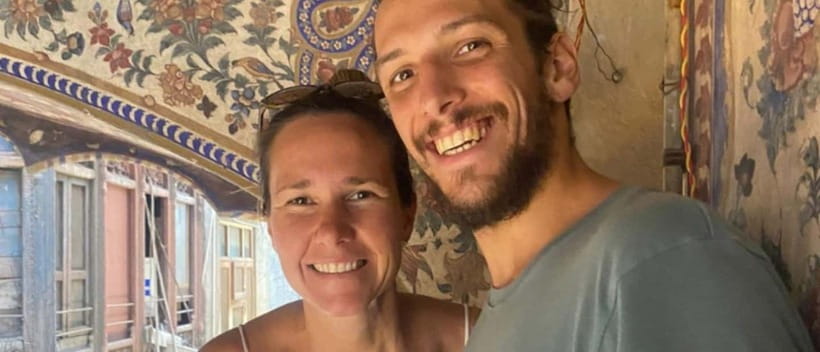
The tour begins outside the Partition Museum, which is a smart move. It doesn’t throw you straight into a temple or a bazaar first. Instead, you start with a quick framing of 1947 and what that upheaval did to everyday families—so when you later see memorials and sacred sites, you understand the city’s emotional geography, not just its buildings.
From there, you shift into Punjab’s culture through walking. This is where the guide matters. The best part of this format is that your attention stays on how the city developed: trade routes, neighborhood life, religious places, and the way architecture and lane layout reflect the past. You’re not just ticking off attractions; you’re learning how Amritsar fits together.
I like that the tour doesn’t act like Partition is a distant chapter. It’s treated like something that shaped real communities, which makes the rest of the walk feel more grounded.
You can also read our reviews of more walking tours in Amritsar
Jallianwala Bagh: where history asks for respect
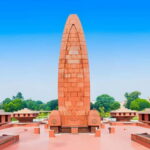
Jallianwala Bagh is the kind of stop that changes the pace of a walking tour. This isn’t about speed or selfies. It’s presented as a solemn site tied to the 1919 events—where bravery and resilience are part of the story, not just tragedy.
What makes this stop valuable on a guided walk is context. Without explanation, it can become a name on a wall. With a guide, you get the why behind the site and the meaning of the memorial. You also get help staying respectful with your own pace—lingering when it feels right, moving when you’re ready.
One practical point: plan your time here carefully. If you’re the type who likes to read, pause, and reflect, Jallianwala Bagh can take longer than you expect. If you’re short on time, it can still work—but don’t let it become a 3-minute detour. This is the emotional anchor of the entire experience.
Temples, frescoes, and the sacred lanes toward Baba Bohar
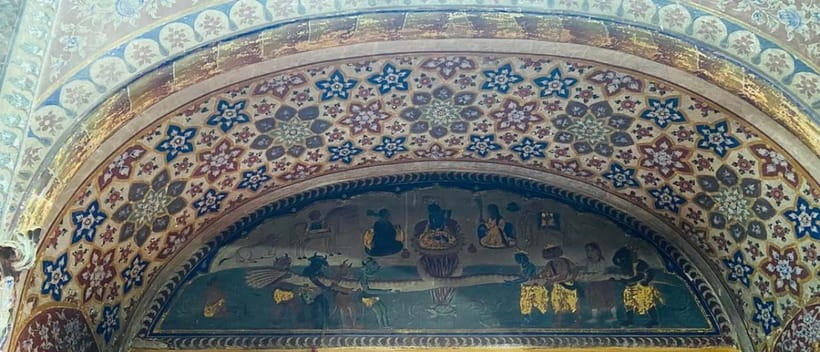
After the memorial stop, the walk turns toward spirituality and street-level religious life. You’ll visit an ancient Hindu temple, and one standout detail is the chance to see fresco artwork on the walls. That matters because frescos aren’t just decoration. They’re a way religious teachings, local artistic styles, and devotion show up in everyday space.
Then you move into narrow old alleys toward Baba Bohar. This is the part of the tour that feels like you’re slipping into a different Amritsar—one where the lane layout is tight, the streets feel older, and landmarks show up in a way that’s hard to reproduce through taxi windows.
I think this section is a great reminder of why walking tours work in India. You notice what car travel hides: small shrines, the flow of foot traffic, and the way religious sites sit inside neighborhoods rather than behind gates.
The 150-year workshop: Amritsar’s early industry story

Not every heritage walk includes a clear connection to the Industrial Revolution. This one does, with a visit to a 150-year workshop connected to early industrial-era work.
That stop gives you a different angle on city identity. Yes, Amritsar is known for sacred sites and major historical events. But it’s also a working city with skills passed through generations. Seeing an older workshop conceptually links craft, labor, and change over time—how new methods arrived without erasing local ways of making.
The practical takeaway for you: even if you’re not a “factory history” person, this workshop visit helps you understand why bazaars exist and why certain skills show up repeatedly in local markets. It makes the later shopping stops feel less random.
Little Jaipur, an ashram, and the architecture you’ll start noticing
The tour also includes stops around what’s sometimes called Little Jaipur, plus an ashram visit. These places help you compare “what you think a city should be” with what it actually is: a mix of cultural influences, religious practices, and community spaces that don’t look identical street to street.
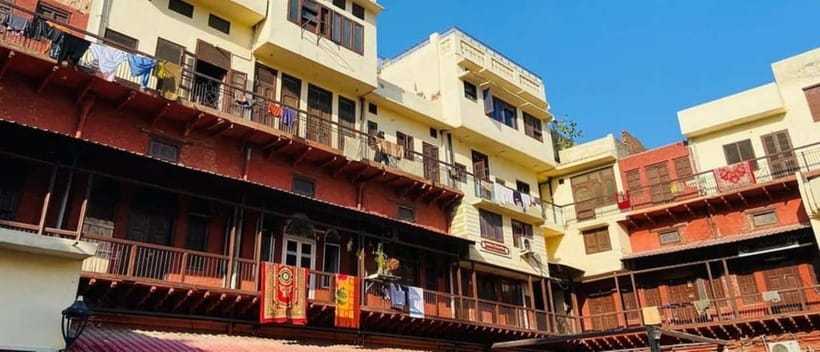
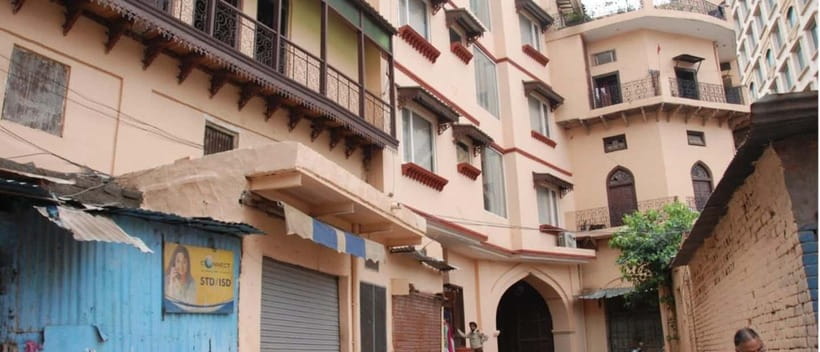
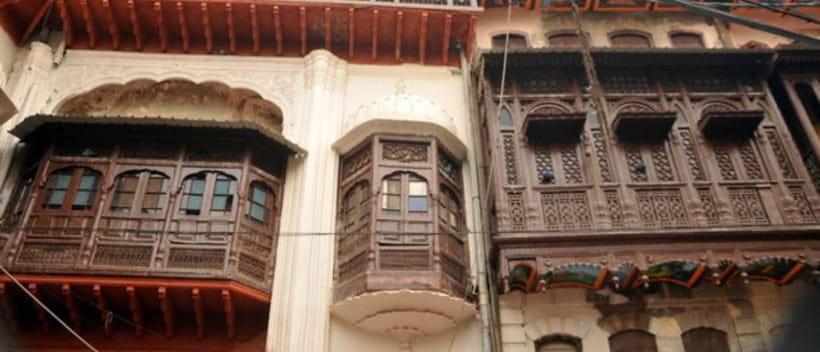
This is also a good time to start watching architecture more intentionally. Several guides emphasize architectural influences, and you can feel the difference when someone points out facade styles and the way buildings carry history. You’ll also notice how the city’s older design choices—doorways, window patterns, and the arrangement of rooms—fit the climate and the neighborhood rhythm.
If you like photography, be mindful that entrance fees and some camera charges inside monuments aren’t included. So keep your phone charged, and don’t assume you can film or shoot inside every stop without extra cost.



Old university, craft quarters, and making sense of everyday Amritsar
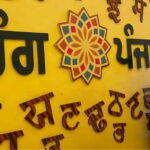
One of the best ways to understand a place is to see how locals learn, work, and socialize. On this walk, you may pass by an old university site and move through areas tied to craft—where you can spot the logic of the city’s old economy.
Craft man quarters and artists’ workshops come up in the tour experience, and that’s where Amritsar gets very real. Instead of just seeing finished goods, you get a sense of the process behind them—skills, tools, and the type of labor that creates what you later see on market counters.
Food also shows up as part of everyday life. You might taste local treats like fresh jalebis, and you may end up with a meal in a street eatery that’s hard to find without guidance. That’s not about luxury. It’s about getting the flavors of Amritsar in the context of where people actually eat.
Guru Bazaar, Kathia Bazaar, and Maisewan Bazaar: shop like you belong

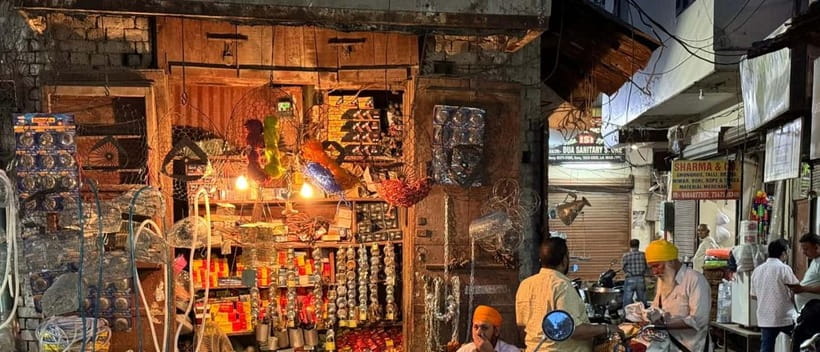
The market portion is often the moment a walking tour either feels fun or turns into chaos. Here, the guide-led approach helps a lot. You’ll move through areas including Guru Bazaar, Kathia Bazaar, and Maisewan Bazaar, with stops tied to traditional crafts, jewelry, spices, and local delicacies.
A big value-add is the bargaining help. If you’ve ever been stuck trying to guess what’s fair in a foreign market, you’ll appreciate getting pointers before you start negotiating. You’ll also avoid that common mistake of buying the first thing that looks good instead of comparing options.
What I like most about the market segment is how it connects to earlier stops. After learning about workshop life and old craft quarters, shopping becomes less of a random hunt and more like following a thread. You start understanding why certain materials, designs, and ingredients are popular—and why artisans concentrate in specific areas.
Hardik’s storytelling style: why a good guide changes everything
A walking tour is only as strong as its guide. In this case, Hardik comes up again and again for keeping people engaged with history, architecture, religion, and day-to-day life. People liked the fact that his English is clear and that he answers questions instead of racing through a script.
That sympathetic, Q-and-A style matters. Some history sites can feel heavy. In those moments, a guide who can explain without turning the moment into a lecture makes it easier to respect the place and still learn.
There’s also a practical layer. When storms hit during one outing, the guide communicated options about timing and still showed up when changing plans wasn’t possible. That kind of real-world adaptability is useful in a city where weather can flip quickly. It doesn’t mean the tour is magically weather-proof—but it does mean you’re not left totally stuck if conditions turn rough.
Price and value: what $18 gets you (and what it doesn’t)

At $18 per person, this is one of those tours that feels fair because you’re paying for guidance that strings together multiple kinds of places: Partition context, memorial space, sacred sites, craft/workshop history, and market navigation.
What’s included:
- Storytelling in Hindi, English, Punjabi
- Local life experience
- Access to narrow lanes and smaller streets
- Tips for bargaining and saving money
- Conversation and guide-led interpretation
What’s not included:
- Entrance fees to monuments
- Camera charges applicable inside monuments
- Personal expenses
So the value is mostly about expertise and routing, not about paying for museum tickets. If you’re the type who enjoys learning while walking—history plus street life—this price usually makes sense. If you’re only looking for one or two attractions and plan to do everything else independently, you might feel the cost more. But for a compact walking itinerary with 8–10 heritage and historic places, the math tends to work.
Timing, comfort, and how to prepare like a pro
You should expect a walk that keeps you moving. One review specifically mentions a two-hour walking tour, which fits the style of an old-city route where stops happen close together. Narrow lanes, old alleys, and busy markets mean comfort is part of the experience.
Here’s how to set yourself up:
- Wear comfortable walking shoes. Lanes can be uneven and tight.
- Bring water, especially if you’re shopping or stopping for snacks.
- Plan for weather. If lightning or storms appear, you may need to pause and adjust.
- Keep some cash for small food items and market purchases.
- If you care about photos inside monuments, assume you may face extra camera charges.
Also, go in with a mindset of asking questions. This tour works best when you treat the guide like a local history translator rather than a location caller.
Should you book Amritsar Heritage Walk: Back in Time?
Book this tour if you want the “Amritsar you can’t see from a car window.” You’re getting a mix of major historical landmarks like Jallianwala Bagh, plus temple frescoes, Baba Bohar lane-walking, workshop history, and market navigation through Guru Bazaar, Kathia Bazaar, and Maisewan Bazaar. The guide’s role—storytelling, clear language, and answers on demand—turns a short walk into something you can actually remember.
Consider skipping (or pairing with other plans) if you:
- Hate walking through narrow streets
- Only care about one major site
- Are expecting everything to be ticket-free and photo-friendly
If you’ve got limited time in Amritsar but want more than a checklist, this is a strong way to get your bearings fast—because it connects big events to the streets where daily life still happens.
FAQ
Where does the tour start?
The tour begins outside the Partition Museum.
How many heritage and historic places are visited?
The highlights mention visiting 8 to 10 heritage and historic places.
Which languages are used during the tour?
Storytelling is offered in Hindi, English, and Punjabi.
Is Jallianwala Bagh included in the walk?
Yes. The tour includes a visit to Jallianwala Bagh.
Are entrance fees included for monuments?
No. Entrance fees to monuments are not included.
Are camera charges included?
Camera charges applicable inside monuments are not included.
Does the tour include market time and bargaining tips?
Yes. The tour includes market areas such as Guru Bazaar, Kathia Bazaar, and Maisewan Bazaar, and it also includes tips for bargaining and saving money.
Can I book now and pay later?
Yes. The tour offers reserve and pay later, meaning you can book and pay nothing today.