REVIEW · AMRITSAR
Amritsar: One day Amritsar Local City Tour
Book on GetYourGuide →Operated by Taj Voyages Tour - TVT India · Bookable on GetYourGuide
Golden Temple energy hits fast. This one-day route strings together the big spiritual sights plus two history-and-memory stops, then ends with the loud, tightly choreographed Wagah Border ceremony at Attari–Wagah.
I especially love how the tour keeps things smooth and guided. You get a private vehicle with hotel or train-station pickup, an English-speaking guide, and help handling the busiest points like the Golden Temple and the border gates.
The biggest thing to consider is that this day moves at a steady pace and runs on set entry timings, so if you’re looking for a slow, open-ended wander, you may feel a bit rushed—especially around the border.
In This Review
- Key Things You Should Know Before You Go
- How the Day Flows (and Why It Works)
- Golden Temple (Harmandir Sahib): More Than a Pretty Stop
- Jallianwala Bagh: Remembering What History Did
- Partition Museum: Understanding Punjab’s Big Human Story
- Sikh Heritage Stops: Durgiana Temple and Maharaja Ranjit Singh Museum
- Durgiana Goddess Temple
- Maharaja Ranjit Singh Museum
- Lunch in Amritsar: Where You Can Go Off Script
- Attari–Wagah Border Ceremony: The Loud, Scheduled Finale
- How to make the most of your Wagah time
- Price and Value: Is $54 Worth a Private Day?
- The Guide Experience: Names You Might Get and What That Signals
- Who This Tour Suits (and Who Might Want Another Plan)
- Quick Practical Checklist
- Should You Book This One-Day Amritsar Tour?
- FAQ
- What’s included in the Amritsar one-day tour?
- How long is the tour?
- What are the main stops during the day?
- Is lunch included?
- Do I need to buy tickets?
- What do I need to bring?
- Is the tour suitable for everyone?
Key Things You Should Know Before You Go
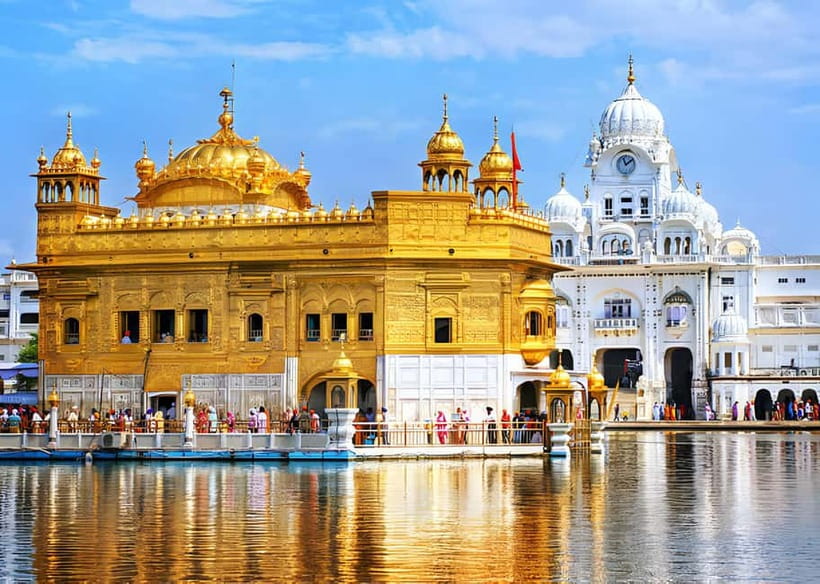
- Golden Temple (Harmandir Sahib) first: early morning timing helps you see the routines before the crowds thicken.
- Jallianwala Bagh stop: a focused, guided visit at a painful site from British rule.
- Partition Museum added: you get context for the Punjab upheavals, not just photos.
- Wagah Border ceremony in the evening: plan for a long, photo-friendly session with an energetic military performance.
- Private transport all day: reduces stress compared to stitching together rickshaws and buses.
- Tickets and meals aren’t included: you’ll want to budget for monuments and lunch.
How the Day Flows (and Why It Works)
This is the kind of Amritsar day trip that makes sense if you’re short on time but still want the essentials. The route is structured so you hit the biggest spiritual landmark (the Golden Temple) while energy is high and crowds are manageable, then you shift into history and remembrance, and finally you close with the border ceremony’s dramatic atmosphere.
You’ll start with pickup by private car in the morning from your hotel or train station. From there, the day concentrates on four major themes: faith, memory, Sikh heritage, and India–Pakistan ceremonial ritual. It’s not just a checklist—you’re moving through different emotional modes of the city.
Your guide is English-speaking, and the tour is described as private, meaning it’s designed for your group rather than a chaotic bus shuffle. That matters at places like the Golden Temple, where you’ll want clear direction on what’s happening and where to stand to see it properly.
You can also read our reviews of more tours and experiences in Amritsar.
Golden Temple (Harmandir Sahib): More Than a Pretty Stop
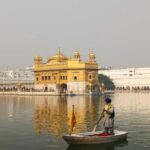
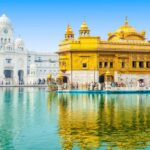
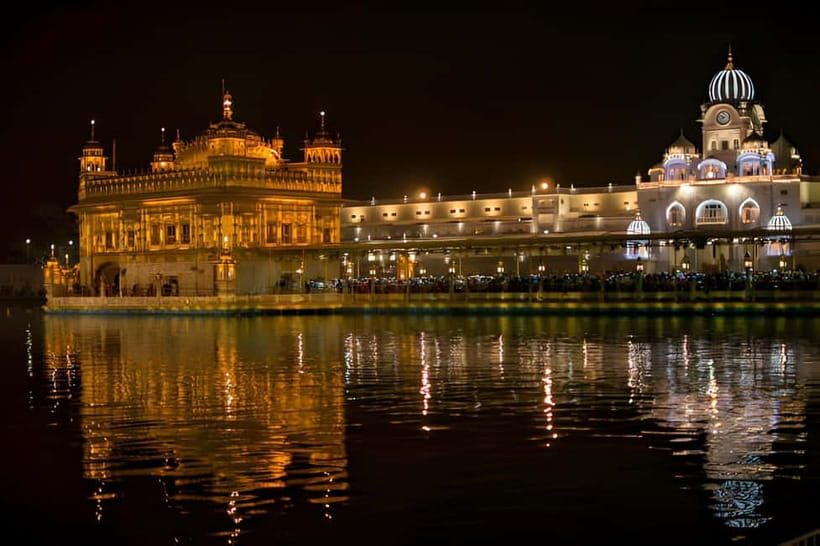
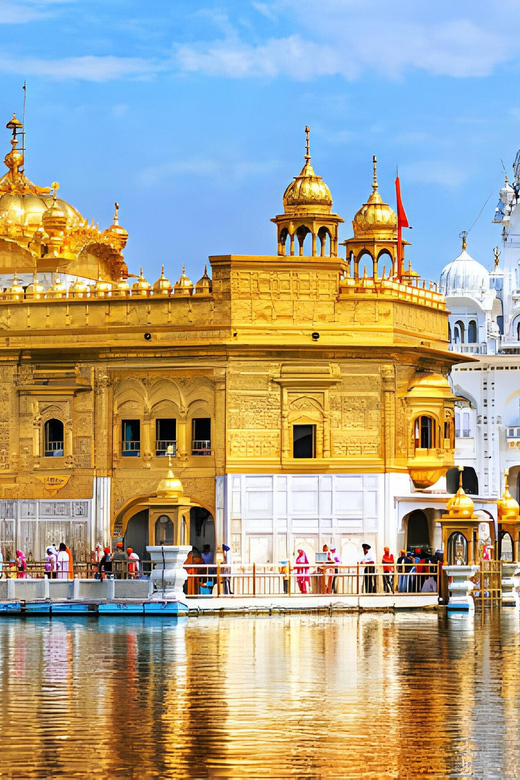
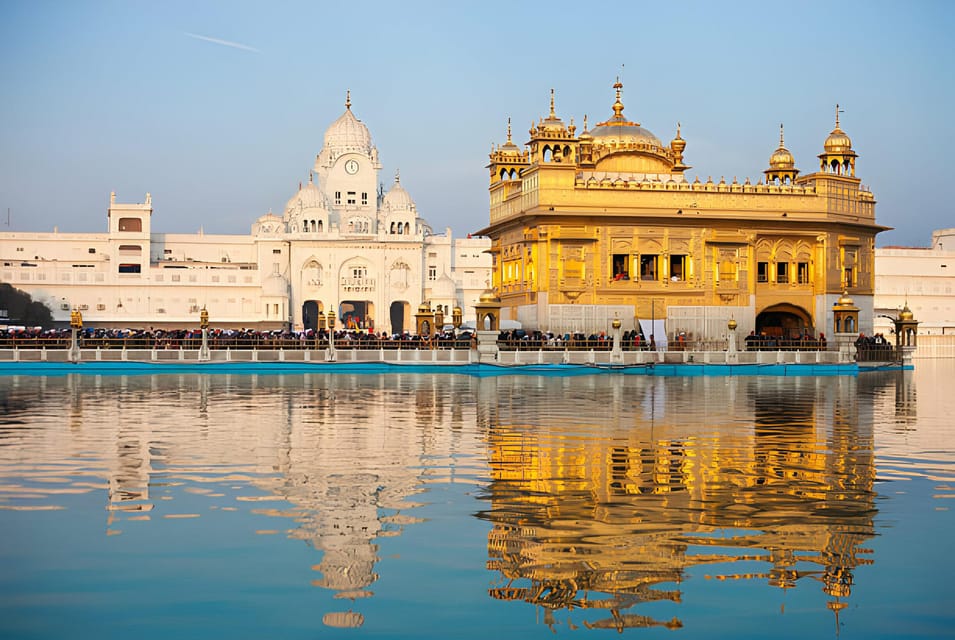
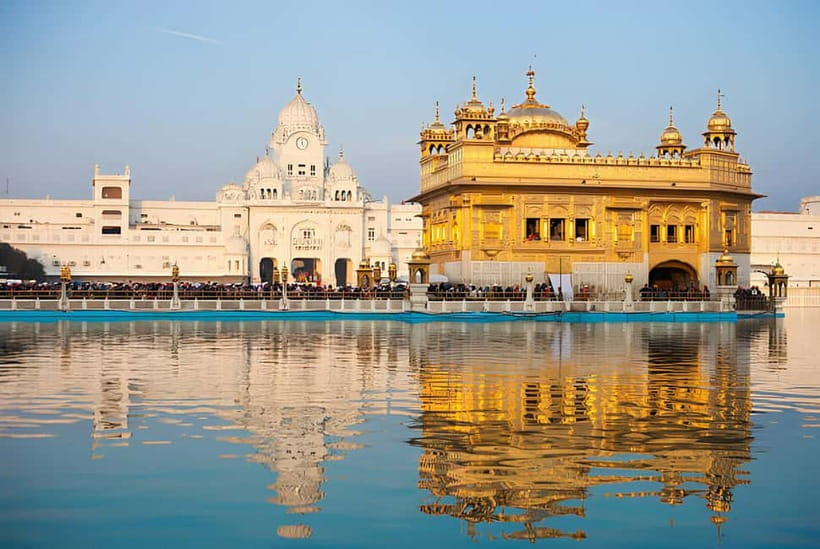
The day’s first major moment is the Golden Temple, also called Harmandir Sahib. This is the Sikh shrine where prayers and community routines aren’t a staged performance; they’re happening in real time. If you’ve never visited a major Sikh gurdwara, you’ll likely notice how the whole place runs on devotion and order, not just sightseeing.
You’ll have about 2 hours here with a guided tour and sightseeing time. That’s enough to take in the main view, understand what you’re looking at, and still have time to slow down instead of sprinting between viewpoints.
The Golden Temple can feel intense in a good way. Lights, marble, reflective water, and the steady rhythm of worship create a scene that’s hard to replicate elsewhere. Even if you’re not deeply familiar with Sikh traditions, a guide can help you connect what you see to what it means.
Practical note: since this tour is temple-focused, plan for sensible clothing and expect rules around what you can bring and how you behave. The tour information also says passport or ID card is required, and alcohol and drugs are not allowed, so keep your day simple and straightforward.
Jallianwala Bagh: Remembering What History Did
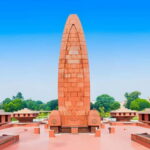
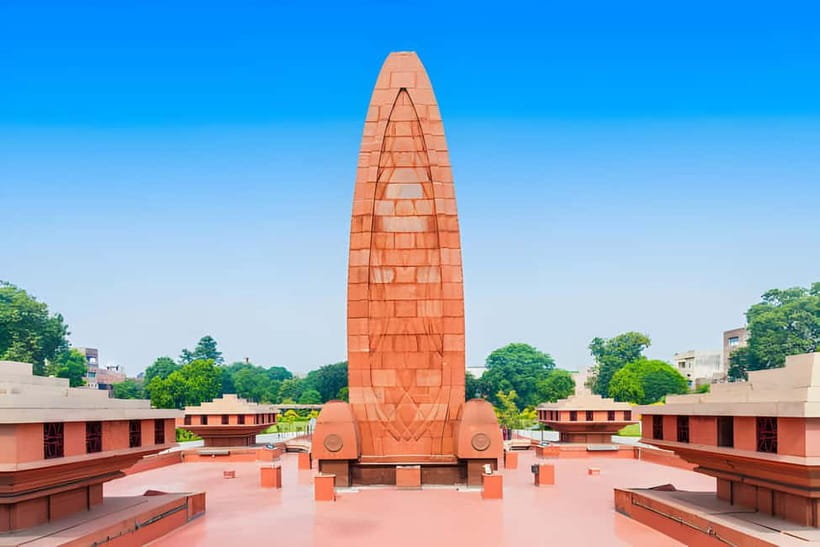
After the Golden Temple, the itinerary moves to Jallianwala Bagh, visited for about 1 hour. This is known for being the site of India’s largest massacre during British rule, and it’s one of those places where you don’t need extra theatrics to feel the weight.
A guided visit matters here because the goal isn’t just to look at a location. You want context: why it happened, what it became in public memory, and how it fits into the wider story of independence-era tensions.
One drawback to flag: because this stop is emotionally heavy, some people rush their photos and then feel they didn’t really take it in. If you’re prone to that, slow your pace for a few minutes—let the guide’s explanation land, then re-check the space around you with calmer eyes.
Partition Museum: Understanding Punjab’s Big Human Story
Next up is the Partition Museum, again for about 1 hour with guided sightseeing. Partition isn’t only a headline; it’s lived experience—homes broken, identities torn, and communities reshaped. A museum stop is one of the best ways to make those ideas concrete without needing to research on your own.
This is where the tour earns its “local” label. Amritsar sits right on the emotional fault line of Partition history, and the museum helps you understand why people still talk about those events with urgency. If you’re the type who likes to connect present-day streets to past events, this portion will stick with you.
Tip for getting the most from the visit: keep your phone usage light. Let your guide’s narration do the heavy lifting, and take in the display sections in order, rather than jumping to only the areas that look most visual.
Sikh Heritage Stops: Durgiana Temple and Maharaja Ranjit Singh Museum
The tour’s “what to expect” description includes two more Sikh-heritage landmarks beyond the core stops: Durgiana Goddess Temple and the Maharaja Ranjit Singh Museum.
You can also read our reviews of more tours and experiences in Amritsar
Durgiana Goddess Temple
You’ll visit the Durgiana Goddess Temple because it resembles the Golden Temple. That comparison alone is interesting, but the real value is seeing how different faith traditions shape similar architectural ideas in Punjab. It’s a useful contrast point after you’ve already seen Harmandir Sahib.
Maharaja Ranjit Singh Museum
Then there’s the Maharaja Ranjit Singh Museum, often described as the Sikh ruler’s summer home. This is where you can view Sikh religious artifacts from the 18th and 19th century. If you want your day to include more than just modern religious practice and 20th-century tragedy, this museum stop adds depth.
One practical consideration: museum time can feel slower than outdoor sightseeing. That’s not a flaw—it just changes the pace. If you’re okay trading a few quick photos for more context, you’ll likely enjoy this section.
Lunch in Amritsar: Where You Can Go Off Script
The schedule includes lunch for about 1 hour in Amritsar. Lunch is not included, so you’re free to choose your own place, and that’s actually a perk.
If you want value, prioritize spots with high turnover—places where local diners and practical meals are the norm. If you’d rather play it safe, ask your guide for a recommendation before you head out. Your guide can usually steer you toward food that matches your comfort level and saves you from accidental tourist traps.
Since it’s a full-day tour, don’t skip lunch expecting you’ll just snack later. The border ceremony involves a long evening block, and you’ll want energy for waiting and photography.
Attari–Wagah Border Ceremony: The Loud, Scheduled Finale
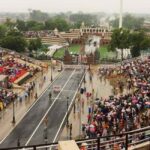
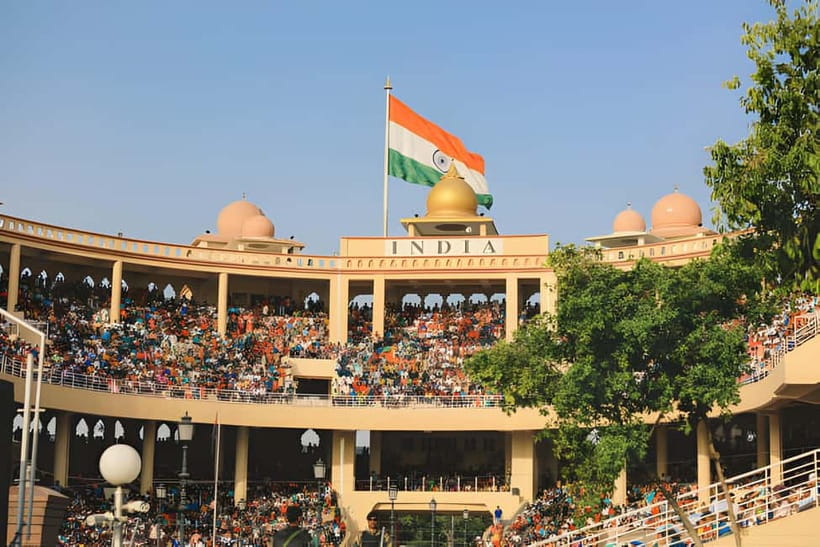
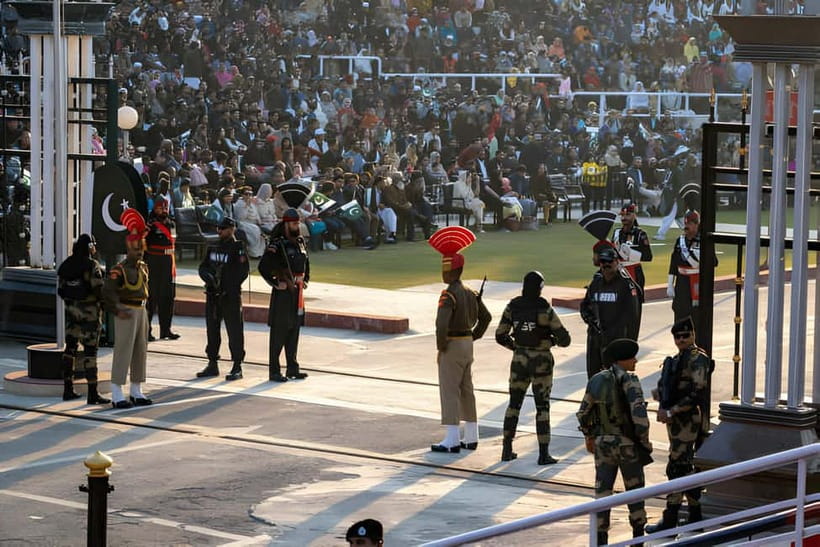
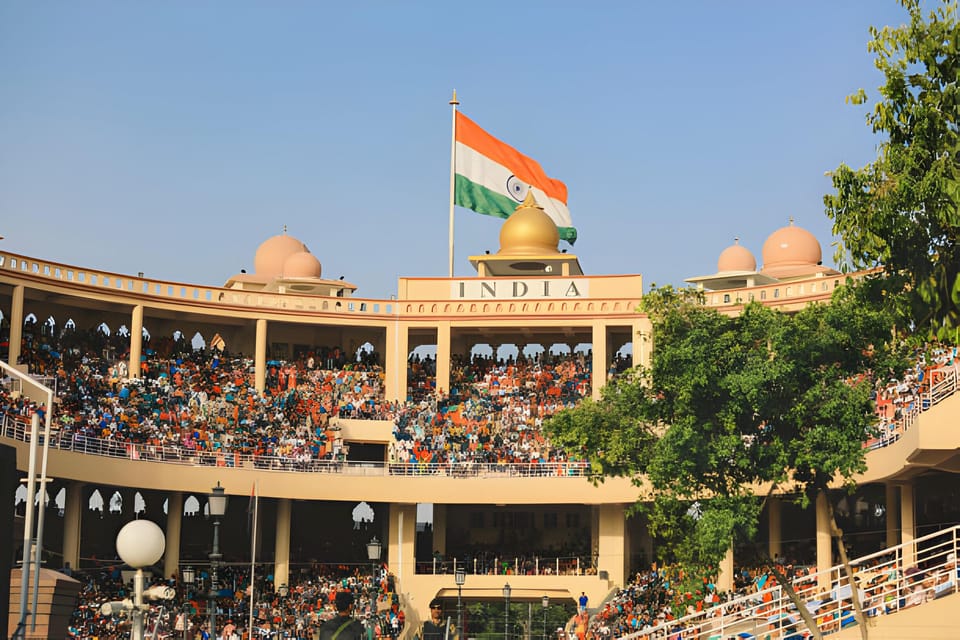
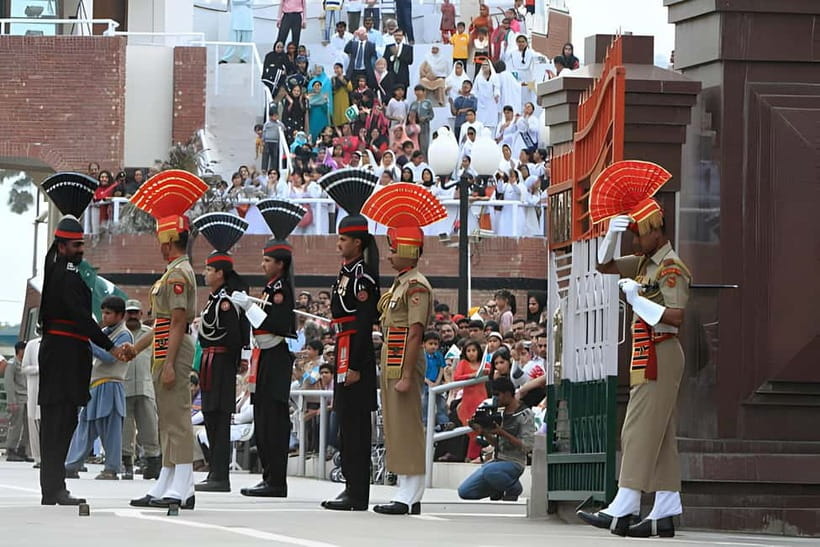
The day culminates with a visit to Attari–Wagah for the border ritual. This is described as a patriotic military ritual and includes time for a photo stop plus about 3 hours for the ceremony experience and sightseeing.
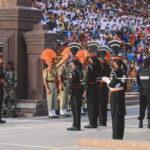
If you like spectacle with structure, this part can be a lot of fun. The ceremony is more than flags and marching—it’s choreography, timing, and crowd energy. The tour description highlights the Indian army’s performance, and that’s exactly what you should expect to anchor your attention.
What I like about ending here is that it gives your Amritsar day a clear emotional arc: from spirituality to painful history and remembrance, then to a ritualized display of national pride. It’s a sharp shift, but it helps the day feel complete.
How to make the most of your Wagah time
- Plan for crowds and keep your camera ready.
- Expect waiting, so bring a calm mindset.
- If you care about specific angles, arrive with enough time to find a spot you like.
Also, the tour information says alcohol and drugs are not allowed. Border areas are controlled, so keep your bag light and follow staff instructions without argument.
Price and Value: Is $54 Worth a Private Day?
At $54 per person for a 1-day itinerary, this tour sits in the “good value for time saved” category. You’re paying for a private vehicle for the whole day, hotel/train-station pickup and drop-off, English live guidance, and the convenience of skip-the-ticket-line at participating entries.
What’s not included matters for your budget:
- Monument tickets aren’t included.
- Lunch and dinner aren’t included.
- Tipping is not included.
If you were to do this independently—private car, guide for multiple stops, and timed entry management—your costs could climb fast. The tour’s real financial strength is how it bundles transport + coordination around several high-demand locations.
My practical take: this is worth it if you want a guided one-day plan that doesn’t collapse under traffic and queue stress. If you love roaming without structure, you might find it more satisfying to mix-and-match sights yourself, using a guide only for the museum or history parts.
The Guide Experience: Names You Might Get and What That Signals
This tour is built around a live English guide, and the difference a great guide makes is obvious at places that don’t explain themselves. One guide named Pyara Lal has been praised for staying confident and helpful, especially with the sort of behind-the-scenes navigation you want when sites are packed. Another guide mentioned is Pannu, praised for clear explanations in easy-to-understand English and for helping the day feel like it flowed, not scrambled.
That’s the best-case scenario, and it’s exactly what you should hope for from any private tour. Since the tour depends heavily on guided interpretation, choose this only if you’re comfortable with the idea that your day quality is closely tied to your guide.
One caution from the available information: there’s at least one report that flagged serious problems with guide/driver reliability, including language issues and unsafe conduct. I can’t sugarcoat that. Before you commit, confirm the name of your guide (when possible) and ensure your pickup is clearly guided—not just a vehicle drop-off with no explanation.
Who This Tour Suits (and Who Might Want Another Plan)
This tour is a strong fit for you if:
- you want one full day to cover major Amritsar highlights without planning fatigue
- you like guided context for serious history stops like Jallianwala Bagh and Partition
- you’re excited by the Wagah Border ceremony and want to see it with structure
It may not be a fit if:
- you want lots of free time to roam without a schedule
- you need an accessibility-friendly option tailored to slower pacing or special mobility needs (the tour specifically says it’s not suitable for pregnant women)
Also, if you don’t enjoy crowded, high-energy sites, you should go in with expectations. The Golden Temple and Wagah can be busy by nature, and the tour’s value is in how it manages that busyness with guidance and transport.
Quick Practical Checklist
Before you go, keep it simple:
- Bring your passport or ID card
- Plan for temple etiquette and follow on-site rules
- Skip alcohol/drug plans entirely since the tour states they’re not allowed
- Budget for monument tickets plus lunch on your own
If your day starts early, keep water in mind. The tour includes a water bottle, but carrying a small extra amount can help if you get stuck waiting.
Should You Book This One-Day Amritsar Tour?
Book it if you want a private, guided whirlwind day that connects Amritsar’s spiritual heart, Partition-era memory, and the iconic evening Wagah ceremony in a single shot. The strongest value is the pairing of a tight schedule with English guidance and private transport, so you spend less energy figuring things out and more energy noticing what matters.
Hold off—or ask more questions—if you’re very sensitive to guide and driver reliability, or if you prefer fully self-directed touring. This itinerary’s success depends on coordination, and the day includes crowded, timed moments where things go wrong fast if the handoff isn’t solid.
If you’re choosing this tour, aim for the mindset of a well-paced sampler: you’re here to understand key places, not to live inside each one all day.
FAQ
What’s included in the Amritsar one-day tour?
You get private transportation for the entire trip, hotel pickup and drop-off, sightseeing by private car, a private tour with a live English guide, and a water bottle.
How long is the tour?
The duration is 1 day, with the itinerary starting in the morning and finishing back at Amritsar.
What are the main stops during the day?
The tour includes the Golden Temple, Jallianwala Bagh, the Partition Museum, a lunch break in Amritsar, and the Attari–Wagah border ceremony in the evening.
Is lunch included?
No. Lunch (and dinner) are not included, though there is time scheduled for lunch in Amritsar.
Do I need to buy tickets?
Monument tickets are not included, but the tour description says you can skip the ticket line for participating entries.
What do I need to bring?
Bring your passport or ID card.
Is the tour suitable for everyone?
The tour is not suitable for pregnant women, and it states that alcohol and drugs are not allowed.