REVIEW · ALAPPUZHA
Alleppey: Shikara Boat Ride with Village Tour & Canal Cruise
Book on GetYourGuide →Operated by Reflect Tourism · Bookable on GetYourGuide
Gliding through Kerala canals slows everything down, and this private Shikara ride with a village stop in Alleppey is a gentle way to see backwater life up close, especially when your guide times the trip for calm light and quieter canals. I love the close-range cruising through narrow gullies where birds show up along the banks, and I also like the way the crew’s stories turn the scenery into something you can actually picture in your head. The main thing to plan around is that food and drinks are not included, and comfort can vary a bit depending on the small boat setup.
You’ll meet near Vazhicheri Bridge, then head out for about 3 hours with an English-speaking local guide in a private group. It’s wheelchair accessible, and you can often coordinate your best start time by messaging ahead on WhatsApp.
In This Review
- Key things to know before you go
- Why Alleppey’s canals feel different on a Shikara
- Where you start: Vazhicheri Bridge and getting to the dock
- The 3-hour rhythm: what the schedule really feels like
- Village stop: what you’re actually doing there
- Cruising the backwaters: canals, nets, and quiet wildlife
- Sunset moments: timing your trip for the best light
- Comfort and small-boat reality (a balanced note)
- Food and drinks: what’s included, what costs extra
- Photo tips that actually help on this route
- The guides: where the experience turns from scenic to memorable
- Value check: is $16 per person a good deal?
- Who this is best for
- Who might want a different plan
- Should you book Reflect Tourism’s Shikara + Village Tour in Alleppey?
- FAQ
- How long is the Alleppey Shikara Boat Ride with Village Tour & Canal Cruise?
- Where is the meeting point?
- How much does it cost?
- Is this experience private?
- What’s included in the tour?
- Is the tour guided, and what language is used?
- Are alcoholic beverages included?
- Does the tour include lunch?
- Are there options besides a 3-hour ride?
- Can I cancel and get a refund?
Key things to know before you go
- Private Shikara boat experience: small and personal, built for moving through tighter canal routes.
- Village stop with real interaction: you don’t just pass houses from a distance—you get context on day-to-day life.
- Bird-spotting along the water: keep an eye out for kingfishers, herons, and egrets.
- Chinese fishing nets sightings: part of the scenery around the backwaters.
- Sunset timing is a feature: the route is designed for that golden-hour shift on the water.
- Helpful guides make the difference: guides like Shibu and Rahul are repeatedly praised for photo spots and clear explanations.
Why Alleppey’s canals feel different on a Shikara
Alleppey’s backwaters can feel like a postcard—but on this kind of ride, it’s not about posing. It’s about movement at a human pace, where you notice small details: how people park boats near homes, how coconut groves sit right against the water, and how the light changes every few minutes.
A big reason I like Shikara rides here is that they often get you into narrower, more tucked-away canal paths than bigger boats. That matters because it lowers the “tour bus effect,” and it puts you closer to the villages you’re trying to understand.
You’re also dealing with a mix of open stretches and quiet lagoons. When the water is calm, the ride feels smooth and meditative. When you pass smaller canals, you get these short “windows” into daily life—then you’re moving again.
You can also read our reviews of more tours and experiences in Alappuzha.
Where you start: Vazhicheri Bridge and getting to the dock
Your meeting point is near Vazhicheri Bridge. From there, you’ll connect with the boat area and get onto the Shikara for the ride. In practice, the process is usually straightforward, and for some people it includes a short transfer by vehicle to the dock before departure.
Why this matters: if you’re prone to being late (or you hate rushing), arrive a little early near the bridge. Alleppey runs on local time and quick coordination, and arriving early helps you start relaxed.
The tour is a private group, and it includes a live English guide. “Private” here is practical: you’re not stuck in a large crowd, so the guide can slow down for your questions and photo requests.
The 3-hour rhythm: what the schedule really feels like
You’re choosing a 3-hour experience, and that time is enough to cover a lot without feeling rushed. This is a sweet spot for first-timers who want the backwaters “hit,” but also for couples who want something calmer than a full-day push.
A good 3-hour trip usually follows a simple rhythm:
1) get out on the water,
2) cruise through scenic canals and villages,
3) stop inland at a village point partway through,
4) return through water views that can include sunset conditions (depending on your start time).
Because you can select different timing options, you can pick the mood you want. Early starts often mean less boat traffic and very peaceful water. Later starts can set you up for that sunset glow and the shift in how everything reflects on the surface.
Village stop: what you’re actually doing there
The village exploration is not just a photo stop. You’re guided to a traditional village point midway through the experience, where you can interact with locals and explore cultural traditions. Your local boatman/guide shares stories that connect daily life to what you’re seeing from the water.
What I like about this structure is that you get context in the middle of the cruise, not at the end. You watch houses and fields go by while your guide explains what they mean—then you briefly step into the community atmosphere.
In a region like Kerala’s backwaters, the “why” behind the scenery is everything. Paddy fields and coconut groves look like background until someone explains how water, work, and transport connect. That’s where the guide’s calm, practical talk makes the trip click.
Cruising the backwaters: canals, nets, and quiet wildlife
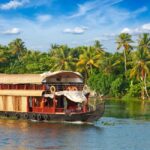
The cruising section is the heart of the experience. You glide through the serene waterways of Alleppey, including canals and lakes, with views of lush greenery and quaint villages along the route.
You’ll also see traditional Chinese fishing nets. They’re not just decorative; they’re part of the working landscape that gives these backwaters their distinctive look.
The water route is where you’ll start spotting wildlife. The tour explicitly highlights birds like kingfishers, herons, and egrets, and many guides are attentive about pulling over at calmer stretches for better viewing. In real terms, this can turn the cruise from passive sightseeing into active watching.
One practical tip: bring your camera settings ready before you’re deep into the ride. When birds show up, you won’t want to fumble with menus while the moment slips away. If you’re using a phone, shoot in good light and steady your hands when the boat turns.
Sunset moments: timing your trip for the best light
The sunset experience is built into the tour concept. If you schedule your ride for late afternoon, the backwaters can shift fast—water reflections warm up, shadows get longer, and the whole scene feels softer.
I also like the flexibility here. Some people book for sunrise-like calm, and others go for late-day color. Either works, depending on what you want: quiet and minimal boats, or classic golden-hour scenery.
What to watch for: even if sunset is the goal, conditions depend on the day’s weather. Keep your plans practical. If clouds roll in, the water can still look great, just in a different way than perfect orange skies.
Comfort and small-boat reality (a balanced note)
This is a small-boat experience, and small boats are not the same as a big cushy coach ride. Some people find the seating fine for the 3-hour window. Others mention the seats can feel less comfortable than expected.
So here’s my straightforward advice: wear comfortable clothing you can sit in for a few hours. If you’re sensitive to posture, consider a light layer or small cushion if your setup allows it.
Also, the ride often includes stops for food or drinks, but those extras are not included. One of the most common “surprise” moments is when you stop at a restaurant and realize prices vary. If you know you’ll want a snack, bring some cash and keep your expectations grounded.
Food and drinks: what’s included, what costs extra
Food and alcoholic beverages are not included. That means if you want lunch, coffee, toddy, or anything else, you’ll be paying on the spot.
The good part: guides often help you find a local place to eat if you want it. Some guides have arranged stops that include popular Kerala fish options like Karimeen fish fry and prawns, but you should treat it as a choice, not a guaranteed menu.
If you’re budget-minded, you can also keep it simple: carry a small snack and a drink, and only buy meals if you’re hungry enough to enjoy them. This lets you avoid the “we ordered because it was there” trap.
Photo tips that actually help on this route
You’ll be on water, moving, turning, and occasionally stopping in spots for bird viewing. That’s why your best photos often come from preparation, not fancy gear.
Here are a few habits that work well on this kind of Alleppey Shikara ride:
- Take a short test shot early to check focus and exposure.
- Use burst mode for quick bird moments when the boat pauses.
- Plan your camera timing when the guide stops quietly for wildlife.
- Ask the guide to point out what to look for before you raise the camera.
In some cases, guides build in memorable photo moments that can go beyond birds—like eagle-related photo opportunities mentioned in guides’ approaches. Don’t assume it’s guaranteed every single time, but it’s worth asking your guide what photo stops are possible during your route.
The guides: where the experience turns from scenic to memorable
This tour lives or dies on the guide. And the reviews you’ll see for this experience repeatedly connect strong guiding with the best moments: smoother timing, better photo spots, and clear explanations that make villages and canals feel understandable.
Specific names come up often—Shibu is frequently praised for bird spotting and explanations, and Rahul shows up in praise for information and the overall ride experience. You may also meet guides like Anas in some instances.
What matters for you: when a guide can read the water and the crowd conditions, they can choose calmer routes. When they can explain what you’re seeing, the whole trip sticks in your memory.
Value check: is $16 per person a good deal?
At about $16 per person for a 3-hour private Shikara experience, the value is strong if you care about getting out on the water with a guide instead of doing it solo. You’re paying for:
- a private Shikara ride (not a big shared group),
- a village exploration stop,
- an English-speaking local guide,
- scenic cruising through canals and lakes,
- and a sunset-style experience built into the route plan.
This doesn’t mean you’ll spend nothing else. You’ll likely add some cash for food or drinks if you stop at restaurants. But even with a modest add-on meal, you’re still often in a reasonable cost range for a guided water experience in a place like Alleppey.
The best value usually comes when you pick a start time that matches your goal. If you want quiet, go early. If you want classic color on the water, go later.
Who this is best for
This experience fits you best if you want:
- a calmer, closer way to see Alleppey’s backwaters,
- a village stop with real context,
- bird watching opportunities from the boat,
- and a guide who can help you pick good photo moments.
It’s also a good choice for couples and small groups who don’t want to feel herded around. The private group format means you can ask questions without waiting your turn.
Who might want a different plan
If you expect a big, cushioned tour boat with guaranteed meals included, this might not match your expectations. It’s a small-boat ride, and while it’s comfortable for many people, seating comfort can vary.
If you don’t enjoy spending money during stops, bring snacks and plan your spending. And if you’re very sensitive about sitting posture, consider wearing supportive, comfortable shoes and clothing.
Should you book Reflect Tourism’s Shikara + Village Tour in Alleppey?
I think you should book it if you want the backwaters experience without the stress of a full-day commitment. The private Shikara setup, the village exploration, and the focus on wildlife and photo-friendly stops create a 3-hour trip that feels worth the time.
It’s especially smart if you’re flexible with timing and can choose a sunrise-quiet or sunset-color option. And it’s a good value at around $16 per person, as long as you plan for extra spending on food and drinks.
Before you lock it in, message ahead on WhatsApp and confirm your preferred start time. If you care about specific photo goals—birds, nets, sunset timing—tell your guide what you’re hoping to see so the route matches your day.
FAQ
How long is the Alleppey Shikara Boat Ride with Village Tour & Canal Cruise?
The duration is 3 hours.
Where is the meeting point?
You meet near Vazhicheri Bridge.
How much does it cost?
The price is listed as $16 per person.
Is this experience private?
Yes, it’s described as a private group with a private Shikara ride.
What’s included in the tour?
It includes a private Shikara ride, village exploration, a local guide, scenic backwaters cruising, and a sunset experience. It also includes cultural insights through connecting with the community during the journey.
Is the tour guided, and what language is used?
Yes. There is a live tour guide in English.
Are alcoholic beverages included?
No. Alcoholic beverages are not included and cost extra.
Does the tour include lunch?
Lunch is not included in the package. You may be taken to places to eat if you choose to stop, but you’ll pay separately.
Are there options besides a 3-hour ride?
Yes. The experience mentions a variety of itineraries, including half day trip and full day trip, plus options like overnight stays and customized packages.
Can I cancel and get a refund?
Yes. Free cancellation is available up to 24 hours in advance for a full refund.