REVIEW · AMRITSAR
Amritsar Food Tour
Book on GetYourGuide →Operated by WalkandExplore · Bookable on GetYourGuide
Eat your way through Amritsar in three hours. This food tour turns Punjabi street life into a guided walk of real places where the food comes first, then the stories. You’ll move from stop to stop with a guide who explains what you’re eating and why it matters, including the history and recipe ideas that make the flavors click.
I especially like two things: the sheer variety (you’ll taste 8–10 local items), and the way the guide connects each bite to local eating culture, not just a menu description. Even better, the group keeps moving, usually by walking and short transfers, so you feel like you’re sampling the city, not just hovering in one spot.
One consideration: plan for a full stomach and don’t underestimate spice. This is Punjabi food with herbs and spices, and you may see heat in items like the spicy carrot pairing mentioned in the tastings—so if you’re sensitive, pace yourself.
In This Review
- Key things I’d circle before you go
- Meeting Point Outside McDonals: Start Easy, Then Go Full Food Mode
- How the 3-Hour Tasting Works: 8–10 Dishes, One Story Per Stop
- Savory Power Stops: Dhaba Classics Like Chole-Puri and Kulchas
- The Lassi Moment and Sweet Stop: Gur Ka Halwa for the Finish
- Paneer Bhurji and Bun Maska Dipped in Chai: Snack Logic That Makes Sense
- Transfers Between Eating Points: Walking, Rickshaw, or Tuk-Tuk
- What the Guide Teaches: History, Stories, and Practical Recipe Ideas
- Hygiene and Trust: How the Stops Feel Before You Taste
- Price and Value: Getting $25 Worth of Food, Stories, and Transport
- Who Should Book This Food Tour in Amritsar
- Should You Book Amritsar Food Tour or Skip It?
- FAQ
- What is the duration of the Amritsar Food Tour?
- How much does the tour cost?
- How many food items will I try?
- What will I be eating and drinking?
- Where is the meeting point?
- What languages are available for the guide?
- Is this tour a private group?
- How do you move between food stops?
- What’s included in the price?
- What is not included?
Key things I’d circle before you go
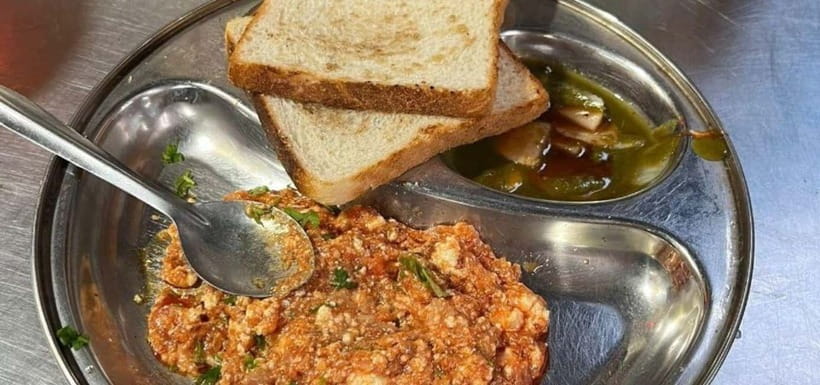
- 8–10 authentic tastings across dhaba-style spots, restaurants, and street stalls
- Story + recipe context so you understand what you’re tasting, not just what it’s called
- Guides in Hindi, English, and Punjabi so you can follow every step of the explanation
- Transfers between stops by walking, rickshaw, or tuk-tuk to keep the route practical
- Money-saving tips for bargaining so you feel confident at each final counter
Meeting Point Outside McDonals: Start Easy, Then Go Full Food Mode
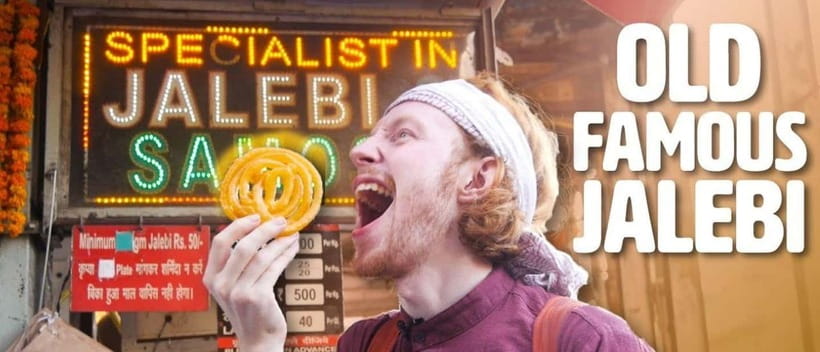
The tour meets outside of McDonals, which is useful because you’re not hunting for some vague landmark. Once you find your guide, the tone is set right away: eat, ask, and take photos as you go. They want you there with an empty stomach. I’d follow that advice closely. This is a short, 3-hour ride through multiple eating points, and the experience works best when you’re ready for repeated tastings.
You’re also not stuck waiting around. The plan is built on movement: you’ll transfer between food stops and then keep going. That means you get more variety in less time, and you see a few parts of Amritsar’s everyday food routine instead of repeating one restaurant over and over.
If you like having one person manage the route and the order, this tour style is a good match. If you prefer total freedom to wander alone, you might feel slightly boxed in by the structure—but the structure is what lets you sample a lot without guessing.
You can also read our reviews of more tours and experiences in Amritsar.

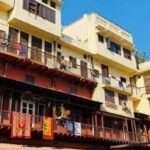
How the 3-Hour Tasting Works: 8–10 Dishes, One Story Per Stop
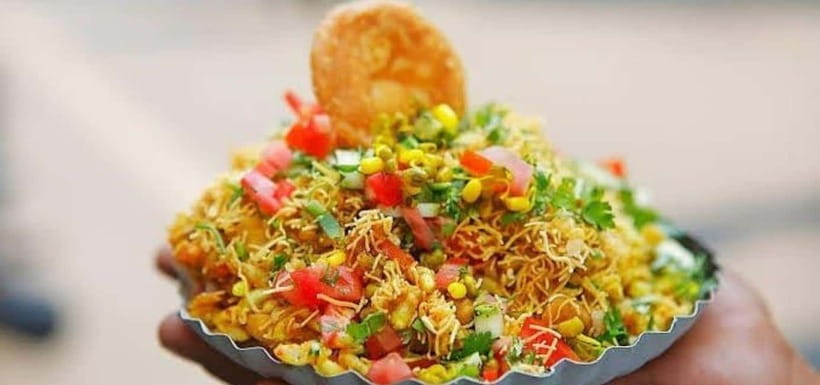
You’re paying for more than food. Yes, you get food and beverages, but you also get a guided flow that keeps each stop meaningful. The tour highlights call out story and history behind the food items, and you’ll also hear a recipe-making angle—what goes into the flavor, and how people think about cooking that specific dish.
In plain terms, you’re learning while you eat. That matters because Punjabi cuisine isn’t just one flavor. You’ll run into comfort foods, bread-based meals, fried snacks, sweet desserts, and drinks. When the guide explains the logic—ingredients, spice, texture—you end up remembering it better after you leave.
The guide also helps with language flexibility. Storytelling is available in Hindi, English, and Punjabi based on your convenience, so you’re not stuck with partial information. And because the tour is a private group, you’re more likely to get actual conversation instead of a lecture read over everyone’s heads.
Savory Power Stops: Dhaba Classics Like Chole-Puri and Kulchas
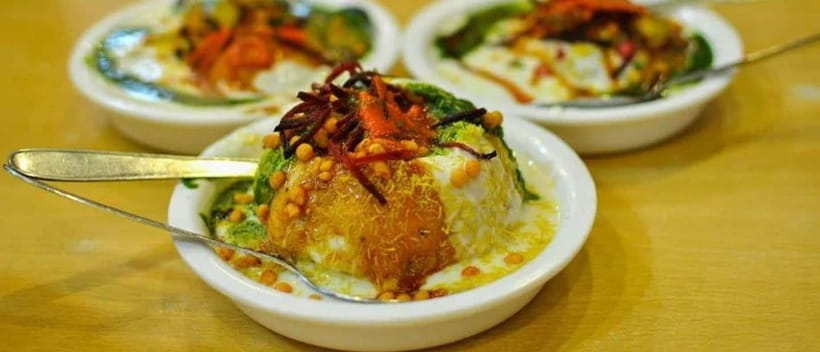
A big reason Amritsar is a food destination is how hard it leans into hearty savory eating. On this tour, you’ll likely hit comfort-style dishes that Punjabis eat for real meals, not just as tourism snacks. From what I’ve seen highlighted in the tastings, expect items along the lines of chole-puri and kulchas—and yes, those are the kind of foods that can instantly teach your palate what this region does best.
Chole-puri is a great example of why the guide storytelling matters. When you understand the balance between the chickpea curry and the fried bread, you can stop thinking of it as just two items and start tasting how they work together. The same goes for kulchas: once you know what makes them different (and why people pair them with the things they pair them with), your second bite gets better.
You may also get more specific versions and variations. One set of tastings includes Chota Puri with spicy carrots and mentions a Nutri Kulcha. Those details tell you the tour isn’t just handing you generic plates; it’s aiming for specific regional textures and toppings.
The tradeoff? Savory stops tend to be filling. If you have a small appetite, you’ll need to pace. If you’re hungry, this is exactly the right kind of tour: savory first, then you’ll move into drinks and sweets later.
The Lassi Moment and Sweet Stop: Gur Ka Halwa for the Finish
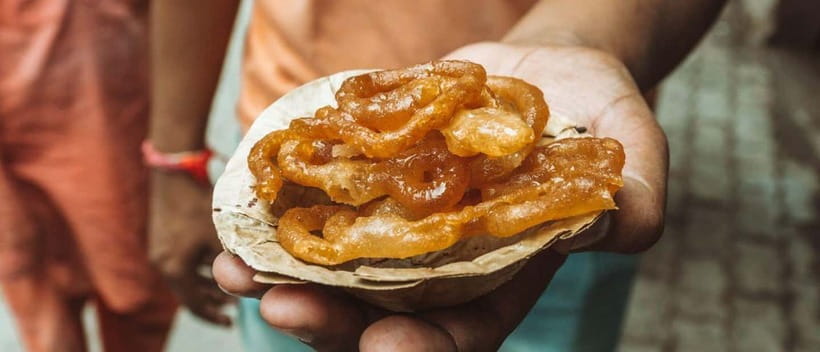
If there’s one thing that signals comfort-food confidence, it’s when a tour includes both a creamy drink and a dense sweet. In the tastings, lassi gets called out as outstanding. That matters because lassi isn’t just a random drink option—it’s one of those Punjabi staples that can cool down spice, reset your palate, and make the rest of the meal taste brighter.
Then there’s dessert. Gur ka halwa is specifically mentioned, and that’s a strong choice for a food tour because it’s not a light afterthought. It’s warm, sweet, and filling, and it gives you a real sense of how Punjabi sweets lean toward rich, satisfying flavors.
I like pairing these kinds of stops because they help you understand the region’s rhythm: salty or spicy first, then something creamy or sweet to balance and carry the flavors forward. If you’ve never tried gur-based sweets before, you’ll likely understand why this is a classic choice within a couple bites.
Paneer Bhurji and Bun Maska Dipped in Chai: Snack Logic That Makes Sense
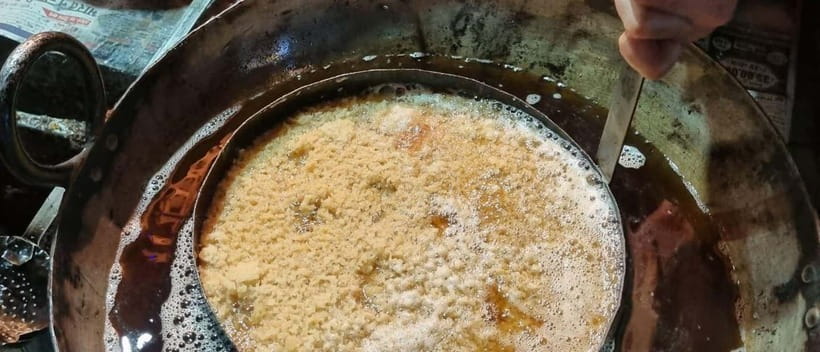
Not every stop needs to be a full meal. One reason food tours feel fun is when you get the snack-style items people actually grab while they’re out. In this Amritsar route, you may see something like paneer bhurji, which is a comfort-forward way to experience paneer without turning it into a restaurant-heavy “special dish.”
Then there’s the standout street-snack style mention: bun maska dipped in chai. That’s a very practical pairing. The warmth of chai plus the softness from dipping makes it feel like breakfast, but it works as a snack break too. The guide’s history/story angle helps here. When someone explains the idea behind the pairing—bread texture, tea strength, and why locals treat it like a routine—it becomes less of a novelty and more of a cultural snapshot.
One note: chai-based items can be hot. If you’re the type who burns your tongue and then blames the city, slow down and let it cool a moment before you commit.



Transfers Between Eating Points: Walking, Rickshaw, or Tuk-Tuk

You’re not meant to stay in one neighborhood for three hours. Transfers are part of the experience—walking plus rickshaw or tuk-tuk—so the route can cover different food styles without you spending all your time commuting on foot.
This is more important than it sounds. In a place like Amritsar, the difference between two food spots can be the difference between a meal-like dhaba experience and a more street-focused snack stop. Transfers help the tour hit multiple styles efficiently.
It also helps your stamina. Walking is part of the charm, but too much walking turns food tours into foot tours. Here, the mix keeps it manageable. Bring comfortable shoes, and don’t plan a long side quest immediately after. You’ll likely want a slow wind-down after tasting 8–10 items.
What the Guide Teaches: History, Stories, and Practical Recipe Ideas
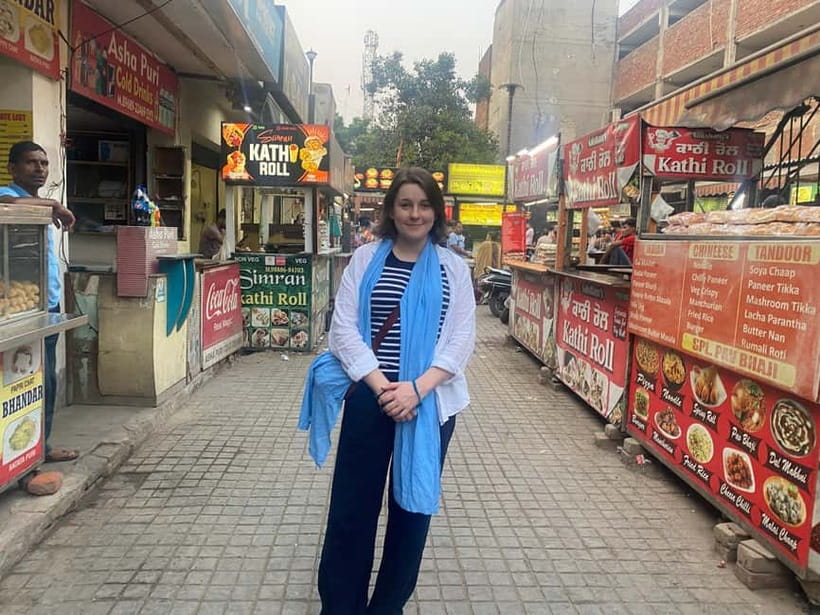
A good food tour doesn’t just fill your stomach. It gives you a mental map of what you tasted and how it gets made. This one explicitly includes story/history behind each food and even a recipe-for-making element in the experience highlights.
You’ll hear live storytelling in Hindi, English, or Punjabi, depending on what you choose. That’s a big deal for comprehension. When you can follow the explanation, you pick up the why behind the flavors—spice choices, cooking methods, texture goals—so you can recognize similar dishes later in other parts of India.
Two guide names show up in the positive feedback: Hardik and Prerit. The common theme is that they don’t just serve food; they also answer questions and add brief history lessons while you’re eating. That makes the tour feel like a guided conversation, not a scripted stop-and-go.
The other practical win: bargaining tips for saving money. Food tours can get pricey if you start guessing at what’s fair at each counter. Having guidance on how to approach prices helps you avoid overpaying during your tour and afterward.
Hygiene and Trust: How the Stops Feel Before You Taste
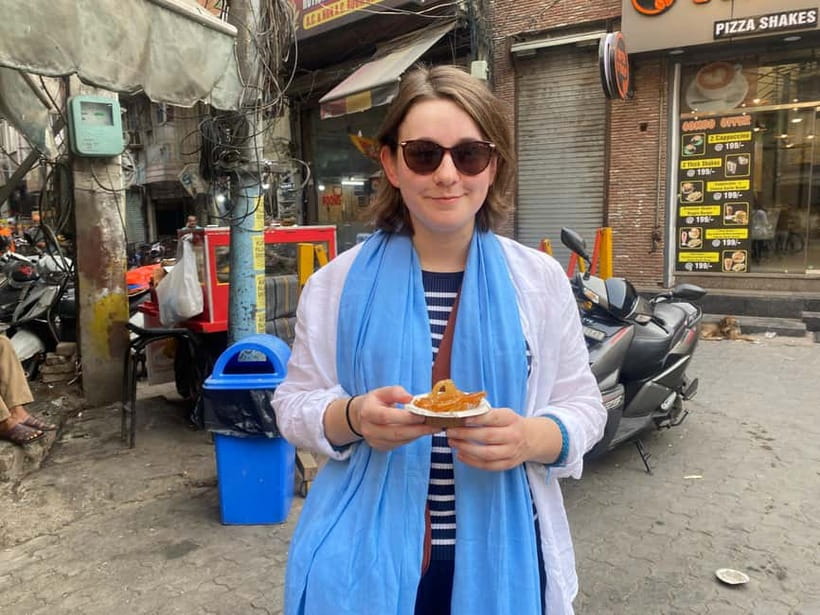
One review highlight calls out that the guide carefully picked places with authentic food and high hygiene standards. I take that seriously because it changes how relaxed you feel while eating.
You’re sampling multiple venues in a short window, so confidence matters. If you’re worried about hygiene, you’ll eat slower, ask more questions, and enjoy less. A tour that chooses reputable spots gives you more room to focus on flavor and conversation instead of worry.
Price and Value: Getting $25 Worth of Food, Stories, and Transport
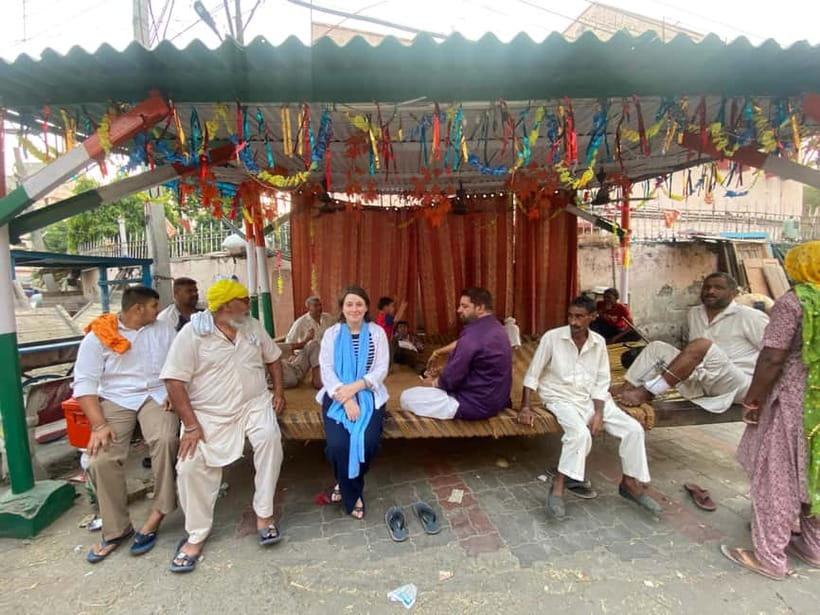
At $25 per person for a 3-hour private-group food experience, the value comes from the bundle:
- 8–10 local food items plus beverages
- storytelling plus recipe context
- transfers between eating points
- tips for bargaining and saving money
You can absolutely eat cheap in India, but the cost of doing it alone is time, uncertainty, and the risk of hitting a place that doesn’t match what you’re looking for. Here, you pay for a guide who chooses spots, keeps the flow moving, and teaches you what’s worth attention.
Private group is also part of the value. Even if the group is small, the guide can adapt pacing and explanations. That tends to make the food tour feel less like a factory line and more like a personal walking meal.
Who Should Book This Food Tour in Amritsar
This tour is a smart first move if:
- you want to understand Amritsar through food fast
- you like guided routes and don’t want to plan each meal stop yourself
- you enjoy stories and practical context, not just eating
It’s also a good choice if it’s your first day in the city. One reason: you leave with favorites. After tasting dishes like chole-puri, kulchas, lassi, paneer bhurji, gur ka halwa, and bun maska with chai, you’ll know what you want to hunt down again later on your own terms.
If you’re very picky about spice or you get full easily, go slower than the group pace. You can still enjoy it, but you might need smaller bites and more water breaks.
Should You Book Amritsar Food Tour or Skip It?
I’d book it if you want a compact, well-explained intro to Punjabi eating in Amritsar. The combination of multiple authentic tastings, live guide storytelling, and short transfers makes it easy to feel like you did something meaningful in just three hours.
Skip it only if you hate structured food stops, dislike spicy food entirely, or you prefer to plan every meal on your own with no guidance. Otherwise, this is the kind of tour that helps you eat smarter, ask better questions, and return home with more than photos—you’ll remember flavors and the reasons behind them.
FAQ
What is the duration of the Amritsar Food Tour?
The tour lasts 3 hours.
How much does the tour cost?
The price is $25 per person.
How many food items will I try?
You’ll taste 8 to 10 different authentic local food items.
What will I be eating and drinking?
The tour includes food and beverages, with tastings drawn from famous dhaba-style places, restaurants, and street food spots.
Where is the meeting point?
The meeting point is outside of McDonals.
What languages are available for the guide?
The storytelling is available in English, Hindi, and Punjabi, according to your convenience.
Is this tour a private group?
Yes, it is a private group.
How do you move between food stops?
You’ll transfer between eating points by walking, rickshaw, or tuk-tuk.
What’s included in the price?
Included items are storytelling, food and beverages, transfers between stops, great stories and conversations, a local life experience, and tips for bargaining and saving money.
What is not included?
Personal expenses and personal insurance coverage for personal loss are not included.