REVIEW · AGRA
Agra: Street Food Tour with Spice Market on Tuk-Tuk Ride
Book on GetYourGuide →Operated by Coxan Tours - Private Sightseeing Tours · Bookable on GetYourGuide
Old Agra tastes like a story. This 3-hour food crawl pairs street snacks with a traditional rickshaw ride, plus real local context on what you’re eating. I love how the guide (often Amir, and sometimes Shubham) keeps it friendly and practical while steering you to safe, well-loved stalls. I also like the mix of savory classics and sweets, including chaat specialties and syrupy jalebi. One drawback to plan for: you’re walking and cycling-rickshaw style through busy lanes, so comfortable shoes and a normal tolerance for street smells and spice matter.
You start with hotel pickup anywhere in Agra and you can choose a start time between 3:00 PM and 6:00 PM. After temple and market stops, you’ll hit places like the chaat alley and the spice market area, where the guide shares how spices connect to health and everyday use. If you’re not into spicy food, tell the guide early and keep your adventure level low.
In This Review
- Key things to know before you go
- Why this Agra street-food tour fits late afternoon
- Pickup logistics: hotel drop-off and tuk-tuk comfort
- Temples and old-city context before the first bite
- Chaat gali: the savory heart of the route
- The sweets and fried classics: jalebi and petha
- Vada pav and other comfort foods you’ll recognize fast
- Spice Market by rickshaw: more than just shopping stops
- Safety, pace, and why the guide makes or breaks it
- Price and value: what $16 gets you in Agra
- Vegetarian, non-vegetarian, and how to choose your tasting plan
- What to bring and how to get the most out of it
- Possible extra stop: marble or art workshop time
- Should you book this street-food tour?
- FAQ
- How long is the Agra street food and spice market tour?
- What time does the pickup happen?
- Is vegetarian food available?
- What languages are the guides available in?
- Is the tour suitable for people with mobility impairments?
- What should I wear or bring?
Key things to know before you go
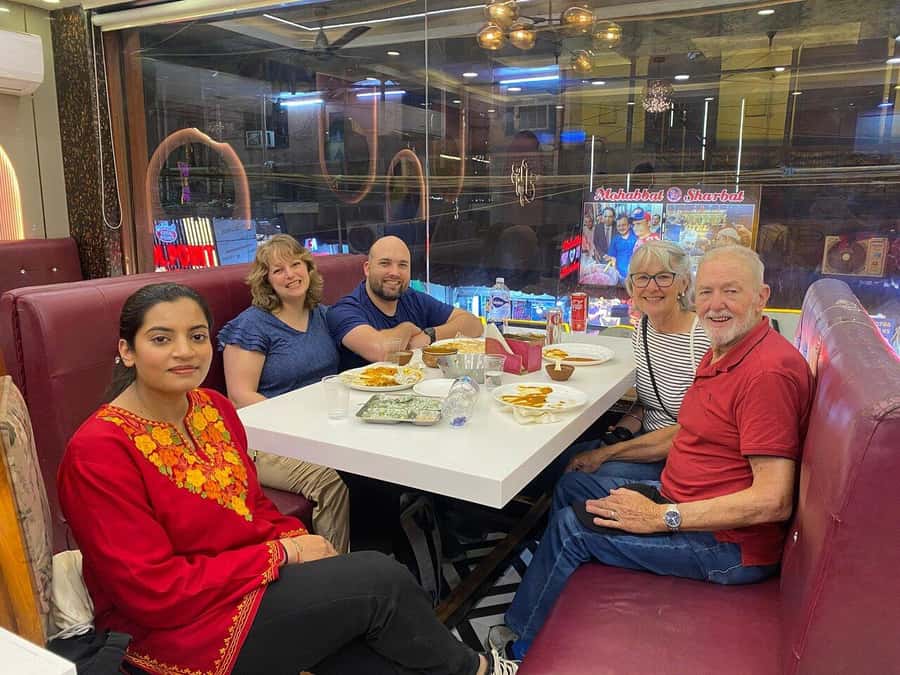
- Small-group feel with a private guide so you can ask questions and adjust what you taste.
- Tuk-tuk plus rickshaw gets you the fast comfort of transport and the slower, street-level view from a traditional ride.
- Chaat gali lineup can include pani puri, aloo chaat, aloo tikki, and pav bhaji, plus samosa and kachori.
- Sweet stops count, with jalebi and petha showing up as the main crowd-pleasers.
- Guide connections speed up ordering, since guides like Amir often know the sellers at the market.
- You might see an extra market stop such as marble or art, depending on the route for your specific tour.
Why this Agra street-food tour fits late afternoon
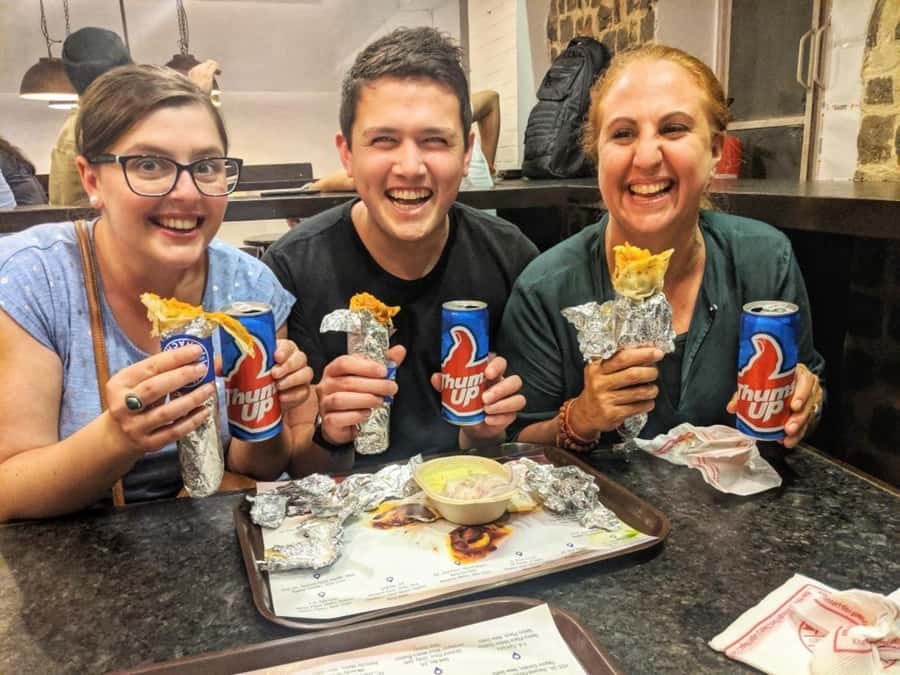
This tour is timed for late day energy. Between 3:00 PM and 6:00 PM, you get the right mix of market activity and cooler walking than mid-day heat. That matters in Agra because Old City streets can feel tight and busy, and you’ll be on your feet for parts of the route.
What you’re really buying is guidance. Street food is fun when you know what to order and where to stand. A good guide also helps you avoid the common mistakes: ordering too much at once, missing the places that are actually good, or getting stuck waiting while you watch everyone else eat.
You can also read our reviews of more food & drink experiences in Agra
Pickup logistics: hotel drop-off and tuk-tuk comfort
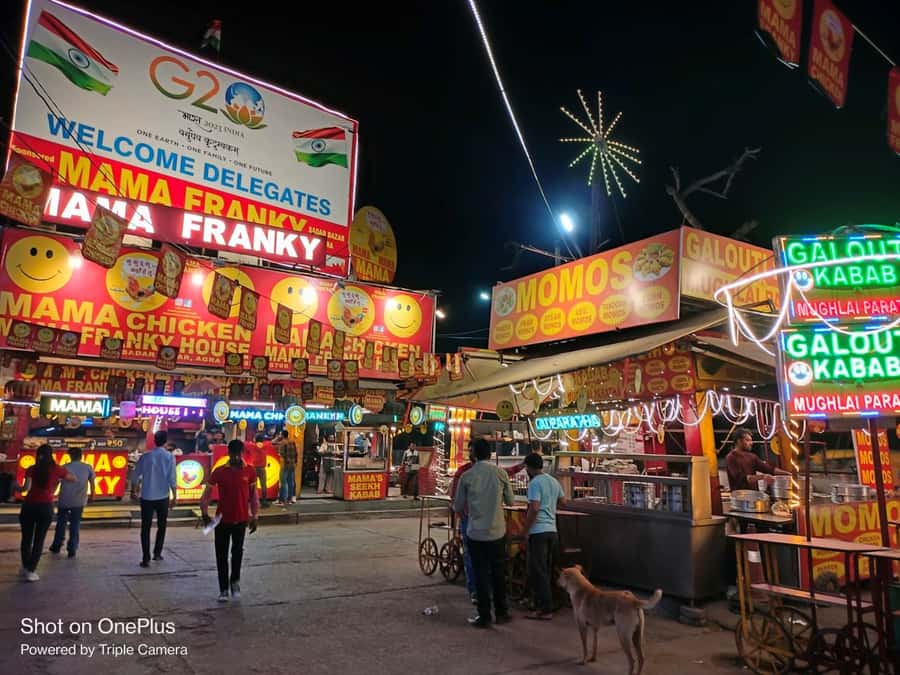
Pickup is from any desired location in Agra, with pickup times you choose in that 3:00 PM to 6:00 PM window. You’ll ride by private tuk-tuk for the transfers, which keeps the experience from turning into a long full-time walking tour.
You also get a traditional rickshaw ride, which is where the trip becomes more than food. From the rickshaw you can look out across the lanes and market flow while still moving at a human pace. It’s also a good way to “get your bearings” fast in Old Agra without trying to navigate the crowds yourself.
You’ll finish with driver and guide drop-off back at your hotel, which is a huge convenience after you’ve eaten your way through several stops.
Temples and old-city context before the first bite
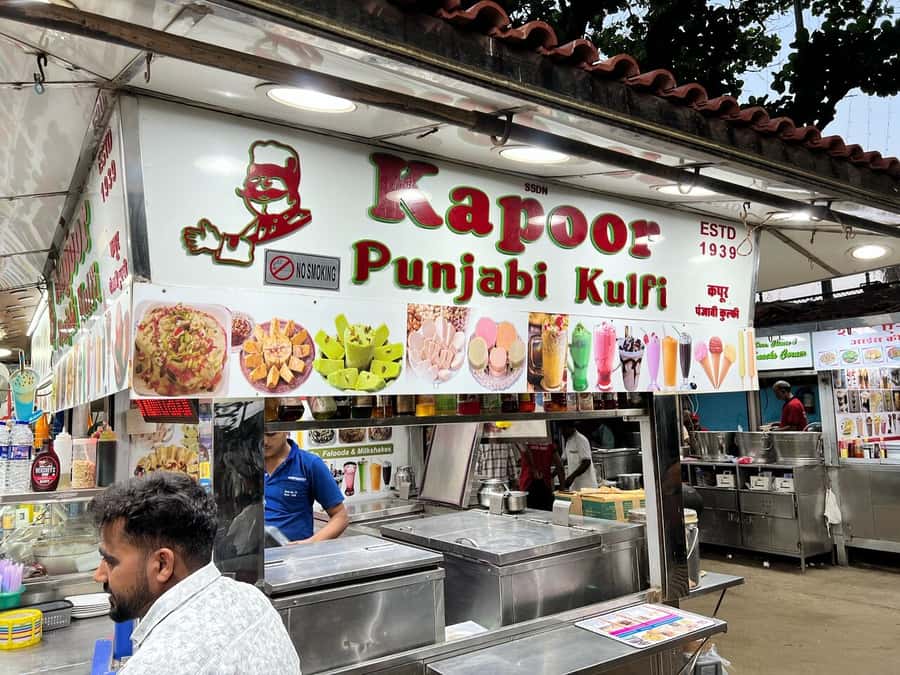
Before the snack trail heats up, the tour weaves in a couple of meaningful stops. First up is Shri Mankameshwar Mandir, an ancient Hindu temple devoted to Lord Shiva. The temple is noted for housing a statue and idols of Shiva, who’s associated in Hindu tradition with destroying evil.
Next, you’ll pass through Jama Masjid, built by Jahanara Begum, daughter of Shah Jahan. This is the 17th-century era story line that sits around Agra’s bigger landmarks. You don’t need to be a history person to appreciate this part. It just helps you see the food stops in context—this is a living neighborhood, not a themed set.
These temple-market segments also break up the trip so you’re not walking in a straight line from one stall to the next. You get short pauses to absorb what’s around you.
Chaat gali: the savory heart of the route
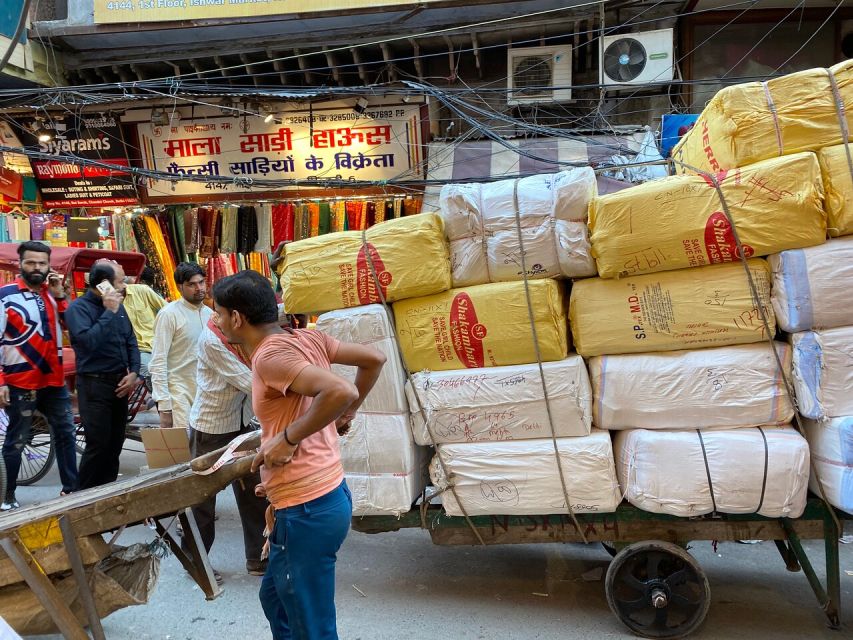
The center of the food experience is the famous chaat gali, a street full of chaat vendors. Chaat is not one dish. It’s a whole category of snack-food chaos: crunchy, tangy, spicy, and layered with sauces.
This is where you’ll likely taste classics such as:
- pani puri (crisp hollow shells filled with potato, onion, and chickpea mix, finished with savory flavorings)
- aloo chaat and aloo tikki (potato-based snacks with different chutneys and textures)
- pav bhaji (a popular street-style “burger” without the burger, served with buttered pav)
You’ll also see other savory favorites like samosas and kachori. The nice thing about a guide-led tasting is that you don’t have to figure out ordering logic. You follow the plan, and the guide adjusts portions and choices to your comfort level.
If you like variety, this is the part you’ll remember. You get multiple flavors and textures without needing to commit to a full plate of just one dish.
The sweets and fried classics: jalebi and petha
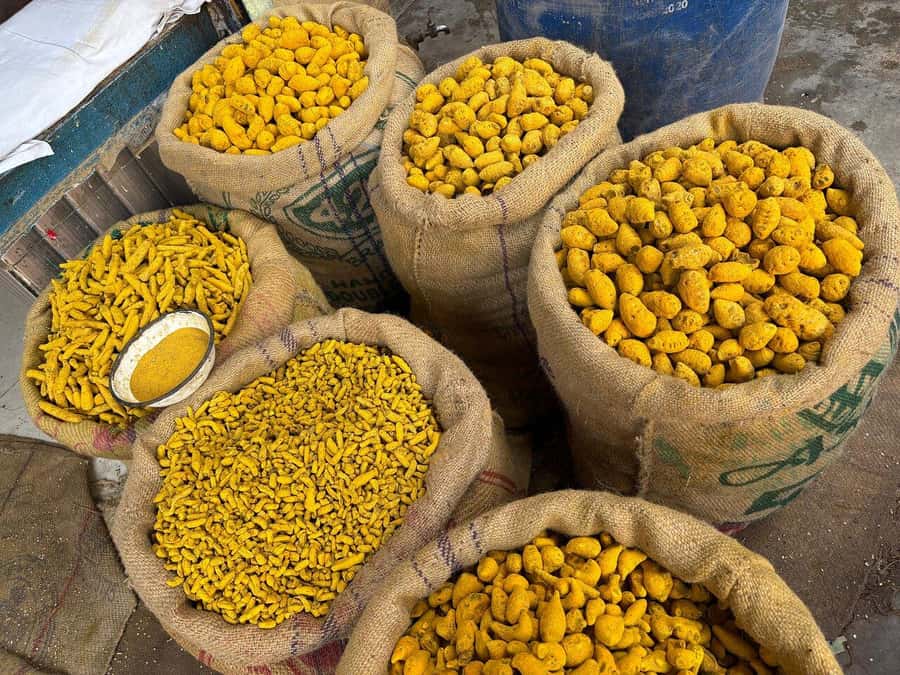
After savory snacks, the tour shifts to dessert mode, and it doesn’t do it halfway. You can expect well-known sweets such as jalebi, with its syrupy finish. You’ll also encounter petha, a classic Agra sweet with a softer, chewy vibe.
This timing helps. Eating in sequence keeps your taste buds awake. If you hit sweets too early in the day, they blur together. Here, the savory-tantric tour structure helps each sweet land with its own identity.
If you have a sweet tooth, plan your hunger around this. One practical tip from the vibe of the experience: go in ready to eat, not already stuffed from dinner plans. You’ll enjoy it more when you can actually taste everything the guide puts in front of you.
You can also read our reviews of more tours and experiences in Agra

Vada pav and other comfort foods you’ll recognize fast
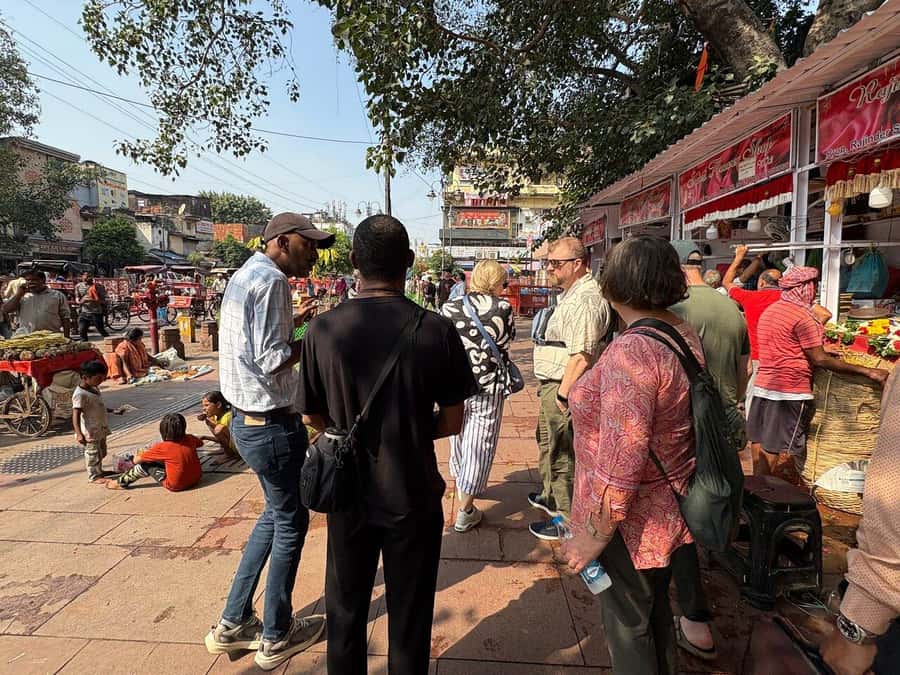
The tour also includes Indian fast-food comfort items, which makes it approachable even if street food feels intimidating at first. A standout is vada pav: fried potato mixture with chutneys served in a bun.
Think of it as the street version of a satisfying snack that doesn’t require a fork, and doesn’t ask you to interpret weird unfamiliar flavors. It’s a good “bridge” dish between more chaotic chaat and the dessert section later on.
There’s also room for your preferences. The guide tailors samples to your taste and your level of adventure, so you can ask for more mild options if you want.
Spice Market by rickshaw: more than just shopping stops
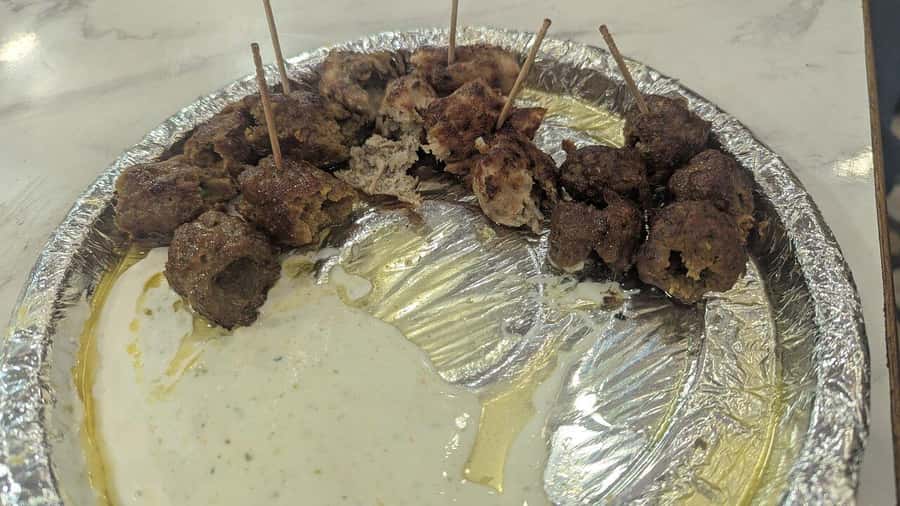
A key part of the afternoon is traveling to the Spice Market on a rickshaw. This isn’t just about scenery. You get an education angle about medical and health uses of spices—how people think about spices beyond flavor.
Even if you don’t want deep science talk, this stop is useful because it gives you language for what you’re tasting. When you learn how spices are commonly used and why, you start to notice the patterns across dishes: tang, warmth, and aromatics that show up again and again in different recipes.
The rickshaw ride also makes this section feel like part of the experience rather than a checkbox. You get that slower street-level perspective as you move through market corridors.
Safety, pace, and why the guide makes or breaks it
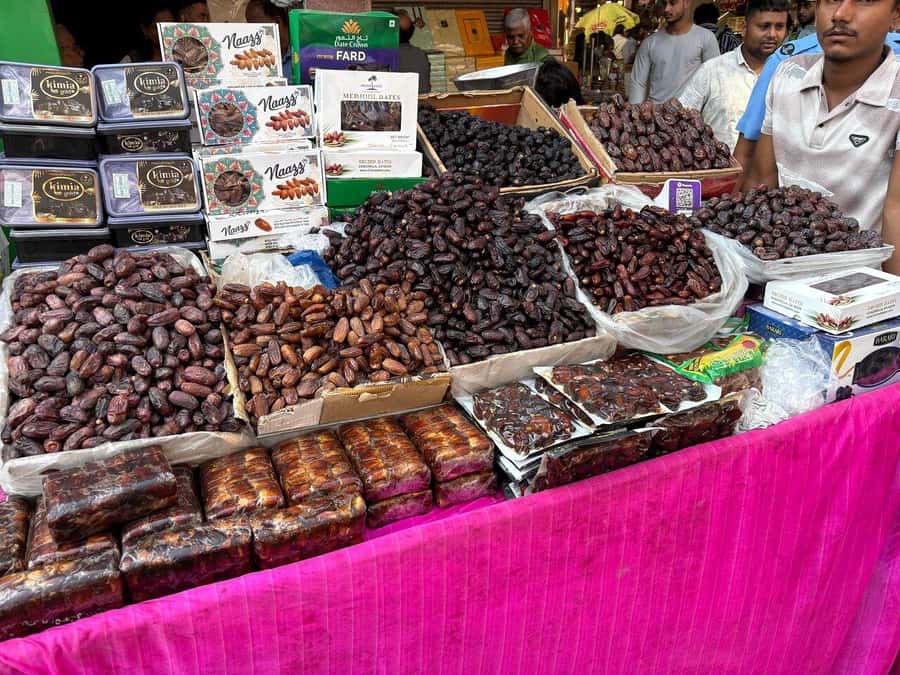
In a street-food tour, the guide isn’t a nice-to-have. It’s the difference between fun and frustration. Guides on this route focus on keeping you safe as you walk through crowded areas.
Amir comes up often as the guide name, praised for knowing sellers so food stops move quickly without long waits. Shubham also appears in feedback as an entertainer and a strong guide, even when route confusion happens at the start. The consistent theme is that you’re guided calmly through busy lanes with a plan that keeps you moving.
Pace is another quiet win. You’re eating often, but you’re not rushed from one stall to the next without a chance to process what you’re tasting. If you want a slower, more conversational pace, you can usually ask. With a small-group feel, you’re more likely to get that adjustment.
Price and value: what $16 gets you in Agra
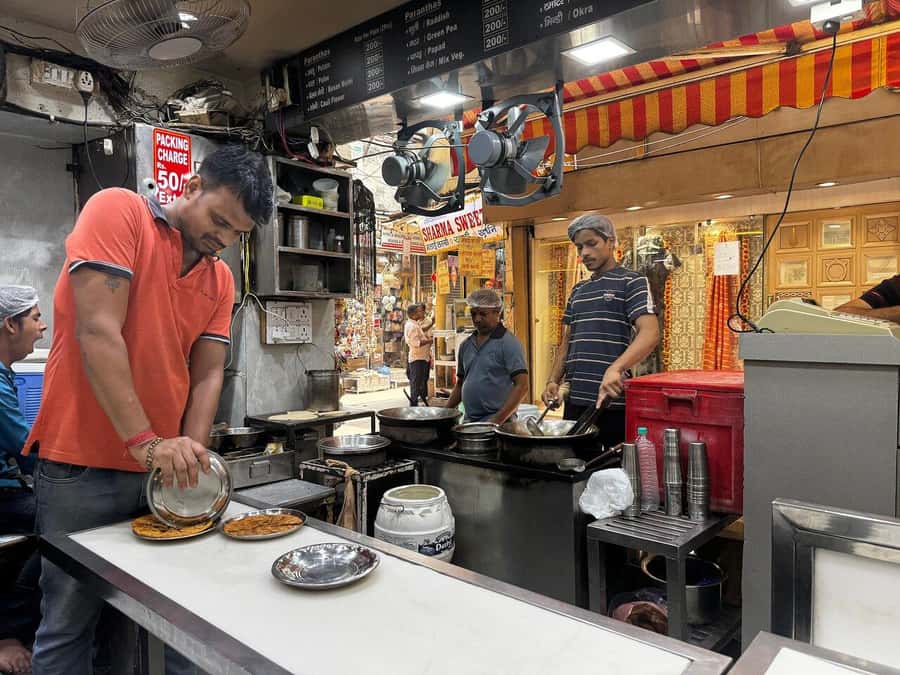
At around $16 per person, this tour sits in the affordable end of the “guided food” spectrum. But the real question is what’s included for that price.
You get:
- hotel pickup and drop-off
- private tuk-tuk transport
- a private live guide
- a traditional rickshaw ride
- cold mineral water and napkin
- street food snacks and sweets (if that option is selected)
- non-vegetarian tasting (if that option is selected)
For many people, the value comes from the combination: transport + guide + multiple tastings. If you tried to assemble this yourself, you’d spend time figuring out where to go and end up paying for rides anyway. Here, you’re paying for someone to solve the logistics and handle ordering.
Also, starting in late afternoon makes the tour useful even on a day you want to visit major landmarks later. You can eat, get street-level insight, and still have time for Taj Mahal plans afterward.
Vegetarian, non-vegetarian, and how to choose your tasting plan
The tour supports both vegetarian and non-vegetarian options. If you select snacks and sweets, you’ll get more of the dessert-and-snack mix. If you select non-vegetarian, your tasting list may include meat items alongside the standard street favorites.
If you’re vegetarian, you’ll still find plenty to enjoy—chaat, samosa, kachori, and sweets like jalebi and petha. If you don’t eat certain ingredients, tell the guide directly early in the tour so they can adjust tastings on the fly.
What to bring and how to get the most out of it
This is a street tour, so your body has to cooperate. Wear comfortable shoes. You’ll be moving through Old Agra lanes, and you don’t want sore feet cutting your enjoyment in half.
Also bring your hunger strategy. If you eat a full meal right before the tour, you’ll likely struggle to enjoy the full spread of savory bites and sweets. If you can, go ready for multiple tastings. If you have dietary limits, say so early and keep your adventure level honest.
Cold mineral water and napkins are included, which helps you stay comfortable between stops.
Possible extra stop: marble or art workshop time
One thing you should be aware of: some versions of the afternoon may include a marble workshop or an art shop stop after the main food route. The reason I call this out is simple—you might spend some time there even if your main goal is pure food and streets.
If shopping isn’t your thing, you can usually set expectations with your guide early. People in this experience have reported that guides can avoid hard-sell moments, but you should still ask what’s planned beyond the street-food and spice-market segments so there are no surprises.
Should you book this street-food tour?
Book it if you want Agra food that feels local, not packaged. You’ll get a guided path through chaat alley snacks, classic fried comfort foods, and sweets like jalebi and petha, plus a spice market stop with health-and-spice context. The private guide and tuk-tuk transport make it easier than building your own route.
Skip or rethink it if you hate walking through crowded street environments or you’re extremely sensitive to spice. Also, if you’re on a tight schedule and can’t spare time for a possible marble/art stop, you’ll want to confirm what’s included in your exact schedule.
FAQ
How long is the Agra street food and spice market tour?
The tour runs for about 3 hours.
What time does the pickup happen?
You can choose any pickup time between 3:00 PM and 6:00 PM, and pickup is available from any desired location in Agra.
Is vegetarian food available?
Yes. Street food snacks and sweets are included if you select that option, and non-vegetarian tastings are included if you select the non-vegetarian option.
What languages are the guides available in?
Guides are available in English and Spanish.
Is the tour suitable for people with mobility impairments?
No. It’s not suitable for people with mobility impairments.
What should I wear or bring?
Wear comfortable shoes, since you’ll be walking through busy market streets.