REVIEW · BANGALORE
Bangalore: Palace, Temples, Fort & Markets Walking Tour
Book on GetYourGuide →Operated by Bangalore and Beyond · Bookable on GetYourGuide
Three hours in old Bangalore can change your view. This walk threads together Tipu Sultan’s Summer Palace and Hindu and Jain worship sites, plus a full-on street-market stop, all while you learn how the city got its shape. I like how it gives you both monuments and everyday life, and I like the sheer sensory hit of the fruit-and-flower market. The trade-off is that you’ll walk through crowded, narrow lanes and you’ll need to follow a temple dress code.
What makes this tour work is the guide. People like Vasuki and Vijay Kumar (plus Vanaja, Raghu, and Ramesh) are repeatedly described as kind, funny, and calm in tight spaces, which matters when you’re moving through market crowds. I’d plan on light walking rather than a sit-down museum day, and I’d come ready for photos, smells, and street noise.
In This Review
- What Makes This 3-Hour Old Bangalore Walk Worth Your Time
- Tipu Sultan’s Summer Palace: Where Bangalore Starts to Make Sense
- Bangalore Fort: Walls That Track Changing Power
- KR Market: Fruit-and-Flower Chaos with a Purpose
- Vishnu Temple: Prayer You Can Hear and Watch
- Bangalore’s Street-Math: Staying Calm in Crowd After Crowd
- Jain Temple Finish: Carvings, Inlay Work, and the Dress Code
- Transport, Timing, and Why $32 Can Feel Like a Deal
- Who This Walk Is Best For (and Who Should Consider Another Option)
- My Booking Checklist Before You Commit
- Should You Book This Bangalore Palace, Temples, Fort & Markets Walking Tour?
- FAQ
- How long is the Bangalore Palace, Temples, Fort & Markets Walking Tour?
- What places are included in the walk?
- What’s the group size and language of the tour guide?
- Do I need to wear specific clothing for the temples?
- Are transport and meals included?
- Can I add hotel transport to and from the walking venue?
- Are temple and monument entry times guaranteed?
- Can I cancel for a full refund?
What Makes This 3-Hour Old Bangalore Walk Worth Your Time

- A concentrated history lesson you can see, from Kempegowda-era Bangalore to Tipu Sultan and the later British influence, tied directly to what you’re standing in front of.
- Temples with real prayer energy, including a Vishnu temple where devotees throng and the atmosphere feels lived-in, not staged.
- KR Market’s fruit and flower world, where you get the sights, smells, and sounds of everyday commerce instead of a quick look-and-leave.
- A Jain temple finish that rewards patience, with carvings and inlay work that slow you down, plus a clear dress requirement.
- Small-group flow (up to 10 people), which helps the guide keep track of everyone in busy streets.
Tipu Sultan’s Summer Palace: Where Bangalore Starts to Make Sense
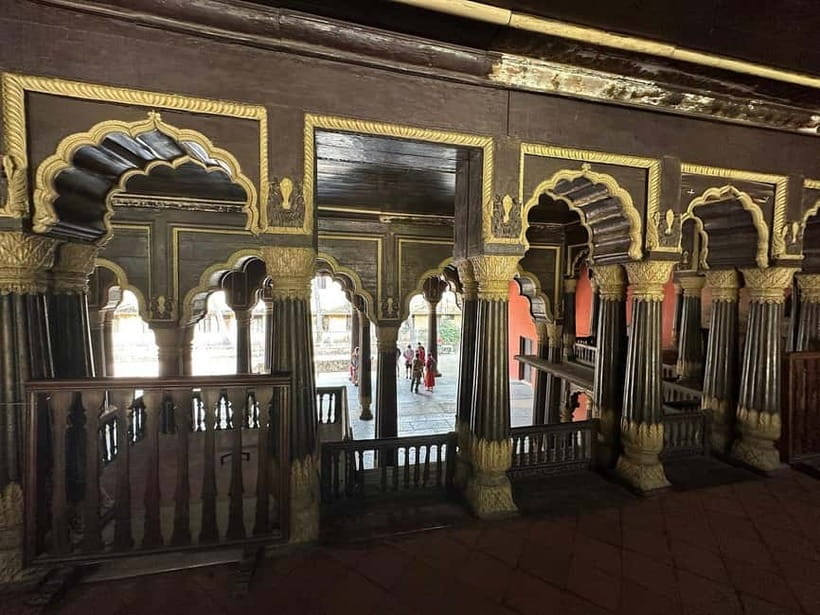
Most city tours start with a landmark. This one starts with a story you can touch: Tipu Sultan’s Summer Palace, about 230 years old, built out of teak wood. It’s a strong opening because it immediately places Bangalore inside a bigger South Indian power story—where rulers built, rebuilt, and left behind details you can still recognize.
Even if you don’t care about architecture, the palace works. It gives you a first anchor before the walk turns into street-level Bangalore. And starting there helps you read everything later: fort walls feel less random, and market bustle feels more like a continuation of older town life.
One practical note: the meeting point is at the palace gates, so be ready to start on time. With only 3 hours total, “arrive a bit late” can turn into “miss the best part of the timing.”
You can also read our reviews of more walking tours in Bangalore

Bangalore Fort: Walls That Track Changing Power
Next comes Bangalore Fort, a 16th-century stronghold later renovated. Forts are good on tours because they’re visual history: you can often feel the layers even when you can’t name every era. Here, that matters because the walk’s theme is how Bangalore evolved under multiple rulers—Kempegowda, Tipu Sultan, and later British influence.
This stop also gives you a change of pace from the palace woodwork and temple energy. Fort time is about scale and context. You’ll see how power shaped the city, and why old Bangalore’s core still pulls people in.
If you’re the type who likes a little order in your city chaos, the fort helps. Markets and lanes can feel like pure motion, but the fort gives you a framework so the next streets make sense.
KR Market: Fruit-and-Flower Chaos with a Purpose
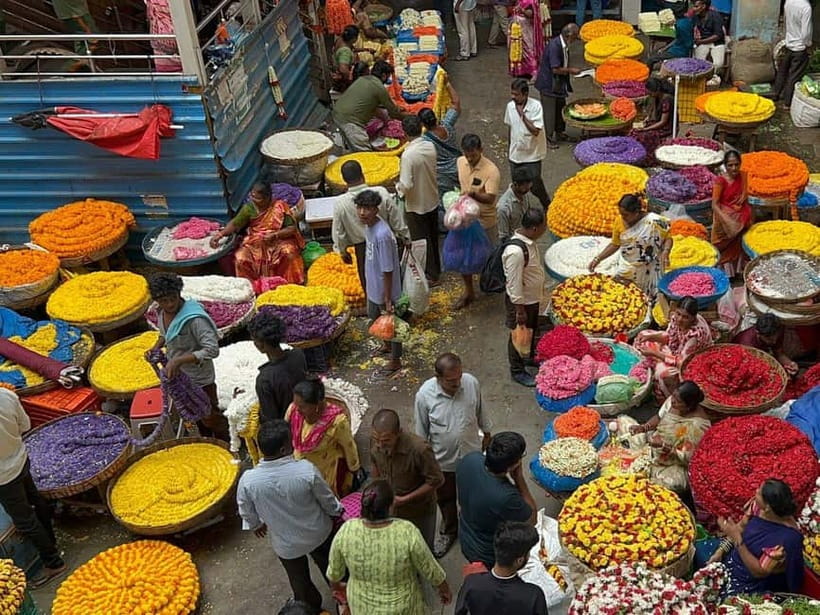
Then the tour turns into what Bangalore does best: crowded commerce. KR Market (KR Bengaluru) is where fruit, vegetables, and especially flowers create a full sensory assault—colors up close, fragrance in the air, and sellers and buyers moving at high speed.
This is one of those stops where a guide adds real value. KR Market can overwhelm you if you’re left on your own, because the “where to look” is not obvious. With a guide, you get pointed attention: what’s being sold, how the flower trade feeds into temple life, and how quickly everything turns over.
I’d also expect the lane conditions to match the market vibe. Narrow routes, stop-and-go movement, and lots of people looking at lots of things is part of the deal. Wear comfortable shoes and keep your phone secured and ready—because you’ll want photos, but you’ll also need one hand free sometimes.
Vishnu Temple: Prayer You Can Hear and Watch
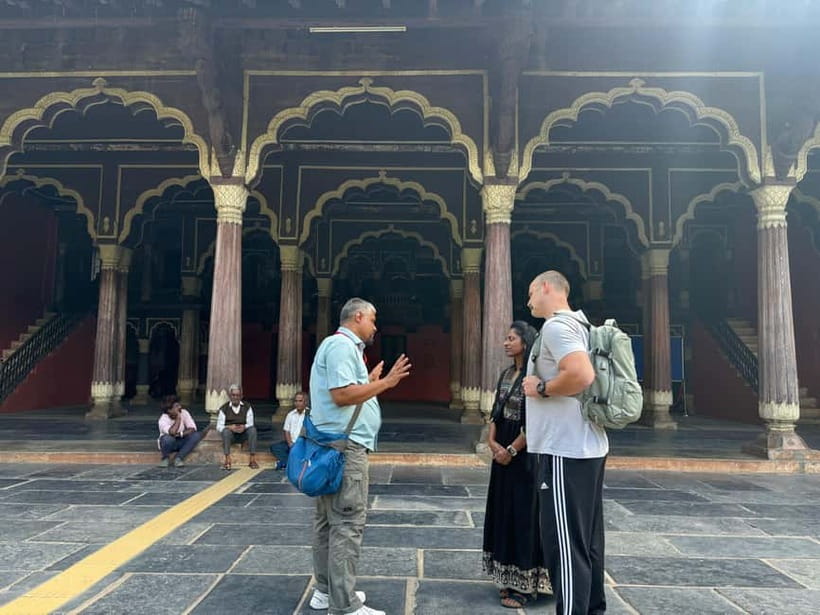
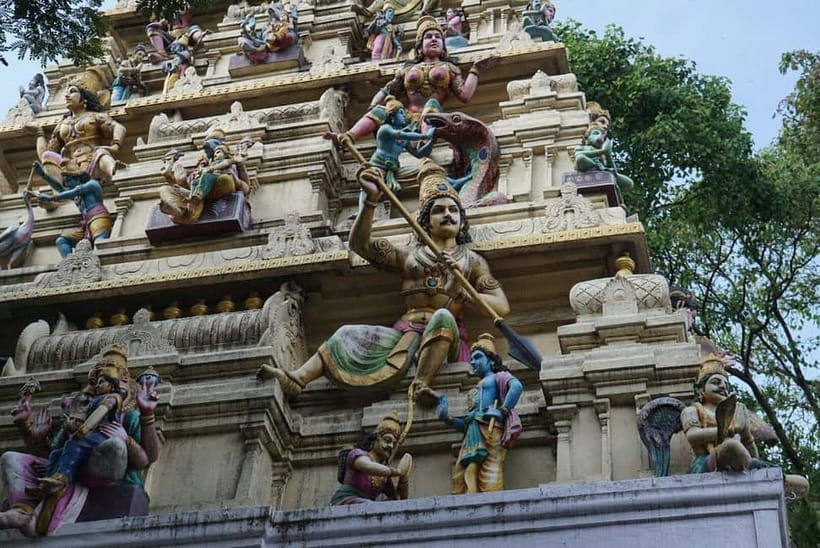
A key cultural stop is a Vishnu temple, where Hindu devotees throng and prayers are offered. This is not a quick photo-point. You’ll spend time where faith is happening in real time, and that changes how you read the city around you.
Temple visits often get reduced to “pretty building, quick glance.” Here, the value is in the atmosphere: voices, movement, and devotion all together. It’s the kind of moment that makes the history lessons feel human, not academic.
Drawback to plan for: temple entry and working hours can vary by season. So if you’re arriving during a tighter schedule window, don’t assume you’ll see every moment of activity. The good news is that the guide can adjust what you focus on.
Bangalore’s Street-Math: Staying Calm in Crowd After Crowd
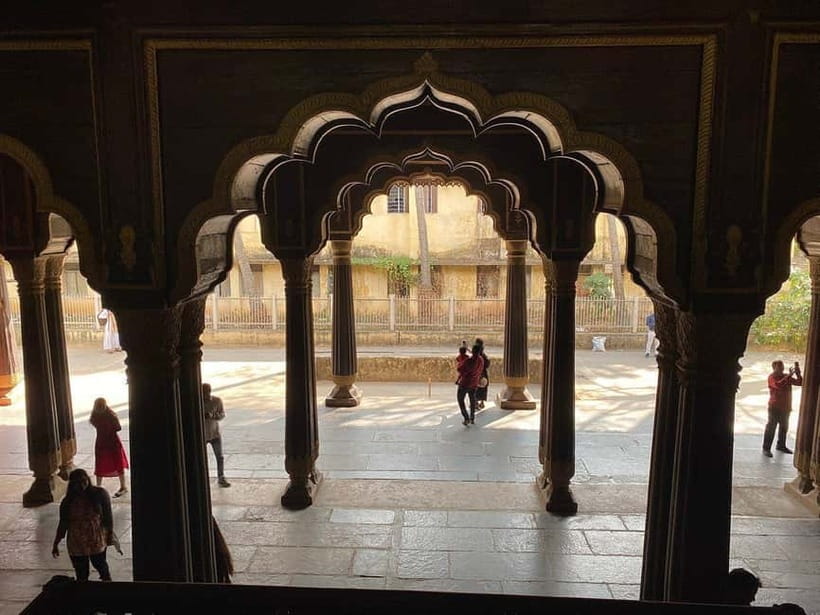
The heart of this tour is moving through streets where vehicles, cows, workers, walkers, and shoppers all share the same space. If you like your travel with a little “method in madness,” this is exactly that. It’s loud. It’s busy. It’s also learnable—because once you’re walking with the guide, you stop feeling lost.
The guides on this tour are repeatedly praised for safety and group control, including when the market gets crowded. That matters because narrow lanes in India can turn stressful fast if you’re constantly trying to negotiate space.
Here’s what I’d do to make it easier:
- Keep water handy even if food and drinks aren’t included.
- Go slow with your photos. You’ll see the best shots when you stop moving for a second, not when you’re rushing.
- Use the guide’s timing. The point isn’t to win a race; it’s to be present.
Also, the pace tends to be light rather than strenuous. You are walking a fair distance, but it’s structured for a short city immersion, not a marathon.




Jain Temple Finish: Carvings, Inlay Work, and the Dress Code
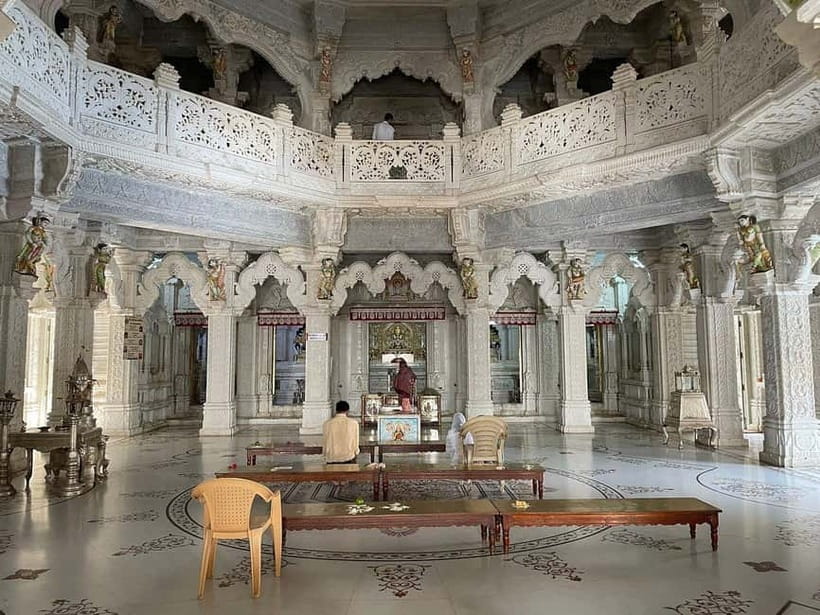
The tour ends at Shri Adinath Jain Shwetamber Mandir, and this is where preparation really pays off. You’ll want your legs and shoulders covered since you’re visiting a Jain temple. The tour also notes you should avoid short skirts and sleeveless shirts, and you should steer clear of see-through clothing.
This matters because the temple is one of the most detail-friendly stops. The quiet interior feel, plus carvings and inlay work, asks you to slow down and look closely. If you arrive dressed correctly, you won’t waste time adjusting or worrying, and you’ll be able to enjoy the craftsmanship instead of rushing through rules.
The tour suggests bringing a headscarf. It also recommends spare socks, which can be useful if your feet get uncomfortable or if conditions are not ideal. I’d take that advice seriously—market walking plus temple time can be harder on footwear than you expect.
Transport, Timing, and Why $32 Can Feel Like a Deal
Let’s talk value, because $32 for 3 hours in central old Bangalore sounds almost too good until you break down what’s included. You get an English live guide, entry to Tipu Palace, the Vishnu temple, Bangalore Fort, and the Jain temple, plus time in the fruit and flower market. You’re also skipping the ticket line, which can save time in places that get busy.
You’re not paying for a bus ride or included meals—food and beverages aren’t part of the package. Transport from your hotel to the start and back is also not included, but there is an optional transport service for an additional fee. If you’re tight on time or you’re not comfortable navigating traffic and routes, paying for that can turn a stressful start into a smooth one.
The big reason this price works: it’s a small group (limited to 10). That makes the guide’s attention more usable when you’re trying to understand what you’re seeing and where to stand in crowded spaces.
Who This Walk Is Best For (and Who Should Consider Another Option)
This is a strong match for you if:
- You want a quick, guided taste of old Bangalore in just 3 hours.
- You like history tied to real places: palace wood, fort walls, temples, and markets.
- You prefer a calm, organized group walk instead of wandering alone in dense lanes.
It’s less ideal if:
- You dislike temple dress requirements. Covering legs and shoulders isn’t optional here.
- You’re expecting a low-activity, sit-down tour. This is a walk with crowd exposure.
- You have mobility limits that make narrow-lane walking difficult.
My Booking Checklist Before You Commit
Before you book, I’d do three quick checks:
- Packing: headscarf, covered outfit, and walking shoes. If you have them, bring spare socks.
- Mindset: expect noise, smells, and close quarters. This is real street life, not a curated lane.
- Time window: entry hours can change seasonally, so you should plan for small variations in what’s available at each stop.
If you can handle those, you’re set up for a memorable half-day.
Should You Book This Bangalore Palace, Temples, Fort & Markets Walking Tour?
I’d book it if you want a compact old Bangalore experience that combines rulers, worship, and daily commerce in a single loop. The biggest strength is the mix: Tipu’s teak palace at the start, fort walls for context, a Vishnu temple with live devotion, KR Market’s fruit and flower chaos, then the Jain temple finish with detailed carvings.
You should also book it if you value a guide who keeps the group together and helps you feel safe in crowds. With a small group size and a short duration, you’re likely to come away with real city bearings, not just a list of stops.
If you’re the type who hates crowds or can’t meet the dress code, skip this one and look for a more relaxed option. But if you want to understand Bangalore by walking through it, this is a smart way to spend your time.
FAQ
How long is the Bangalore Palace, Temples, Fort & Markets Walking Tour?
The tour lasts 3 hours.
What places are included in the walk?
You visit Tipu Sultan’s Summer Palace, Bangalore Fort, KR Market, a Vishnu temple, and you finish at Shri Adinath Jain Shwetamber Mandir. Entry to these temples and monuments is included.
What’s the group size and language of the tour guide?
It’s a small group limited to 10 participants, and the guide leads in English.
Do I need to wear specific clothing for the temples?
Yes. Since the tour visits a Jain temple, you should cover your legs and shoulders. The tour also advises bringing a headscarf and avoiding short skirts, sleeveless shirts, skirts, and see-through clothing.
Are transport and meals included?
No. Transport is not included, and foods and beverages are not included.
Can I add hotel transport to and from the walking venue?
Yes. There is an optional transport service from your hotel to the walk venue and back for an additional fee. You need to request it in advance.
Are temple and monument entry times guaranteed?
Entry to temples and monuments, and their working hours, can vary by season, so it’s not always the same from day to day.
Can I cancel for a full refund?
Yes. You can cancel up to 24 hours in advance for a full refund.