REVIEW · AGRA
Agra: Indian Food Private Cooking Class
Book on GetYourGuide →Operated by Taj. Tour Trip · Bookable on GetYourGuide
One kitchen lesson can change how you cook forever. In Agra, you’ll get a private cooking class in a family home with an Indian mom host, plus a tuk-tuk ride to and from the house. I love how hands-on it feels, and I love that you’re learning spices and technique instead of just watching.
The main thing to consider is that this is a home-style setup. In one account, the language barrier and the way the group was seated made the experience feel awkward, so if English support matters to you, check that up front.
In This Review
- Key highlights
- A local-home Agra cooking class beats the usual demo
- Price and time: what $27 buys you in real terms
- The private tuk-tuk pickup and why it’s worth it
- Inside the kitchen: what happens during the 2–2.5 hours
- 1) Pickup, arrival, and settling in
- 2) Spice and ingredient walkthrough
- 3) Hands-on cooking: from chopping to finishing
- 4) Eating together at home
- 5) Return transport
- Learning recipes you can actually repeat at home
- Amir and the guide role: English, Spanish, and real explanations
- Comfort, safety, and communication: handle the home-setting reality
- Rules that affect how you plan your day
- Who this Agra cooking class is best for
- Should you book this private Indian food cooking class in Agra?
- FAQ
- How long is the Agra Indian Food Private Cooking Class?
- Is this a private experience or shared with other people?
- What’s the price per person?
- What languages are used during the class?
- What transportation is included?
- What’s included in the class?
- What’s not included?
- Are there any rules or restrictions?
Key highlights
- Private group only: your group cooks together, no mixing with strangers
- Indian mom host: home cooking lessons with real household warmth
- Private tuk-tuk transport: included door-to-door style rides by tuk-tuk
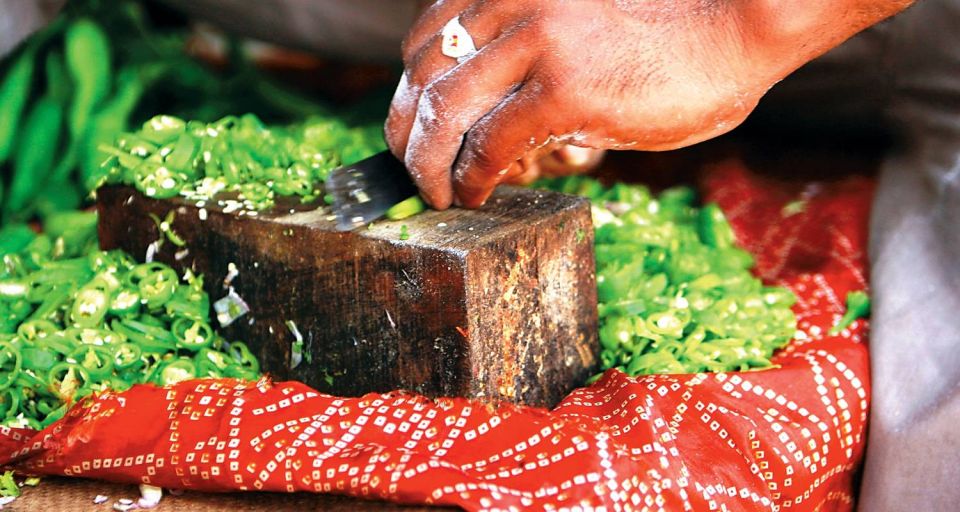
- Hands-on Indian dishes: basic and more advanced items, not just a demo
- Recipes after: at least one booking received recipes and even pictures for reference
A local-home Agra cooking class beats the usual demo
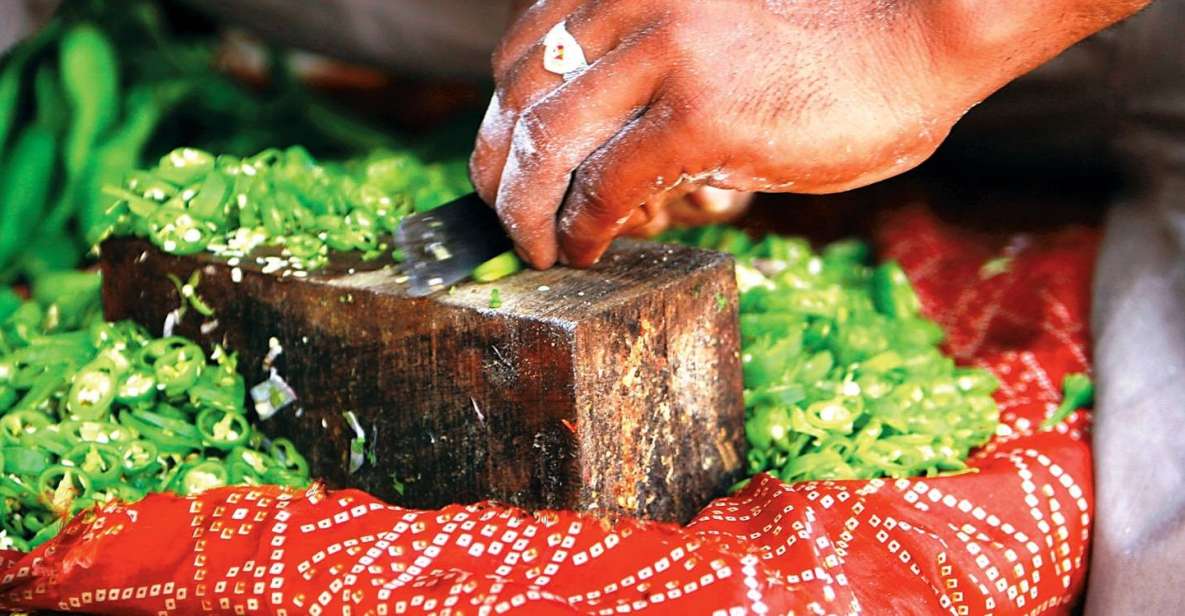
This is the kind of activity that feels like you’re being invited into real life in Agra, not dropped into a classroom. The host is an Indian mom who genuinely enjoys cooking and hosting people from different countries. That matters, because Indian cooking isn’t only about steps. It’s about knowing when spices bloom, when dough feels right, and how to adjust a sauce without measuring everything down to the gram.
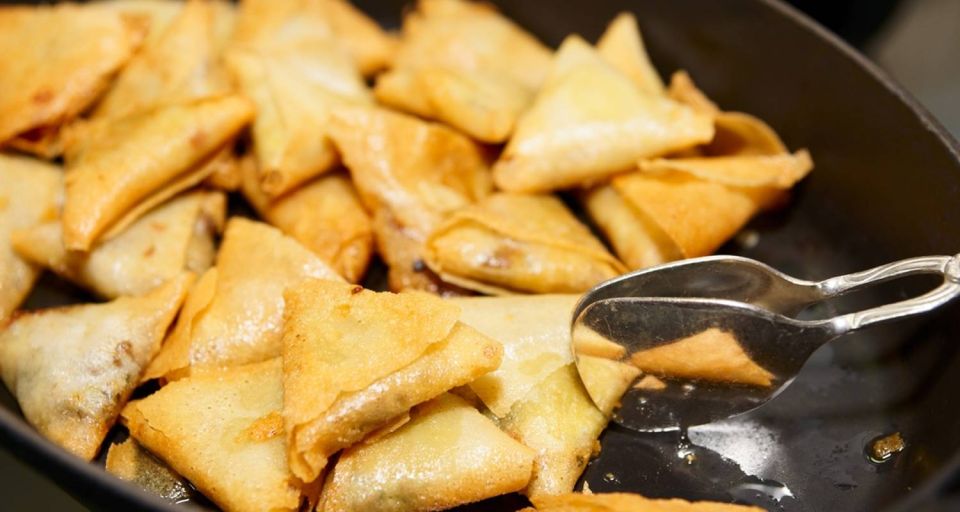
You’ll be taught a set of dishes that include both basics and dishes that take a little more confidence. From what I’ve seen shared in accounts of the experience, you can end up making something like roti and other everyday plates, with a real emphasis on getting your hands involved. That’s where the value sits. You’re not paying to be entertained. You’re paying to learn.
You can also read our reviews of more food & drink experiences in Agra



Price and time: what $27 buys you in real terms
At $27 per person for 2 to 2.5 hours, the price is reasonable for a private, home-based experience with transport. Here’s why that matters: private classes cost more when they include pickup and equipment, and this one bundles in several basics.
What’s included:
- Cooking equipment
- Bottled water
- Private tuk-tuk transportation
What’s not included:
- Personal expenses (so plan for any snacks, souvenirs, or extra drinks beyond the bottled water)
For your money, you should expect three things:
- A short, focused session where you cook (not spend the whole time listening)
- Time to taste what you make
- A family setting where you learn how home cooks think, not only what they do
The short duration is also a plus if your Agra schedule is tight. You can fit this between sightseeing and dinner without turning your day into a logistics project.
The private tuk-tuk pickup and why it’s worth it
This activity includes private tuk-tuk transportation. That sounds simple, but it changes the mood. Instead of negotiating your own way through traffic, you relax and treat the ride as part of the day.
One account described being picked up at a hostel and taken directly to the host’s home, with water provided once you arrive. Another mentioned a ride by tuk-tuk adding an authentic feel—part of the experience is moving through the city like a local, not treating everything as a timed checklist.
Also, the activity notes that it’s near public transportation, which can help if your plans shift or you want a backup way to reach the area on your own. Still, the included tuk-tuk is the easiest option if you don’t want to wrestle with directions.
Inside the kitchen: what happens during the 2–2.5 hours
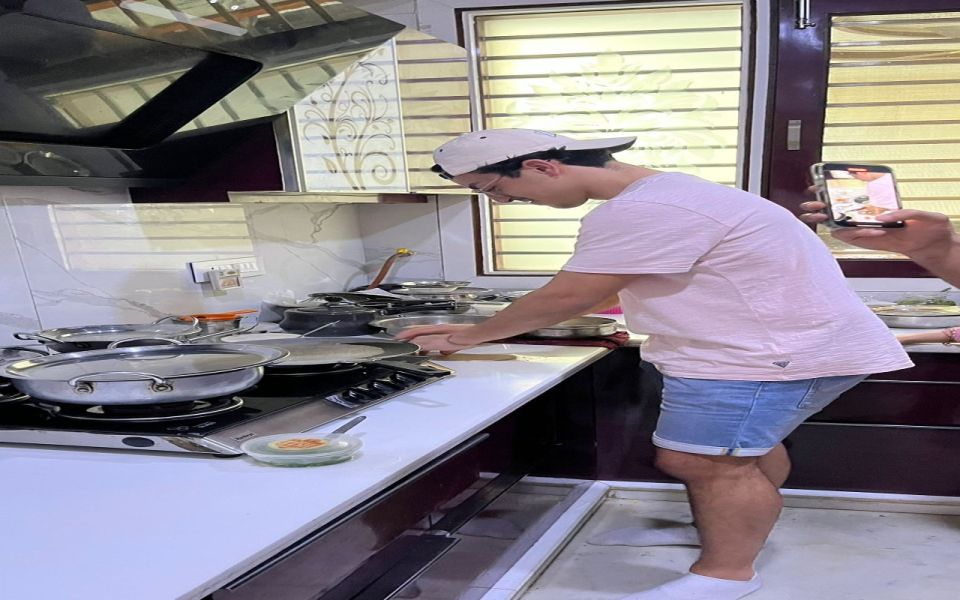
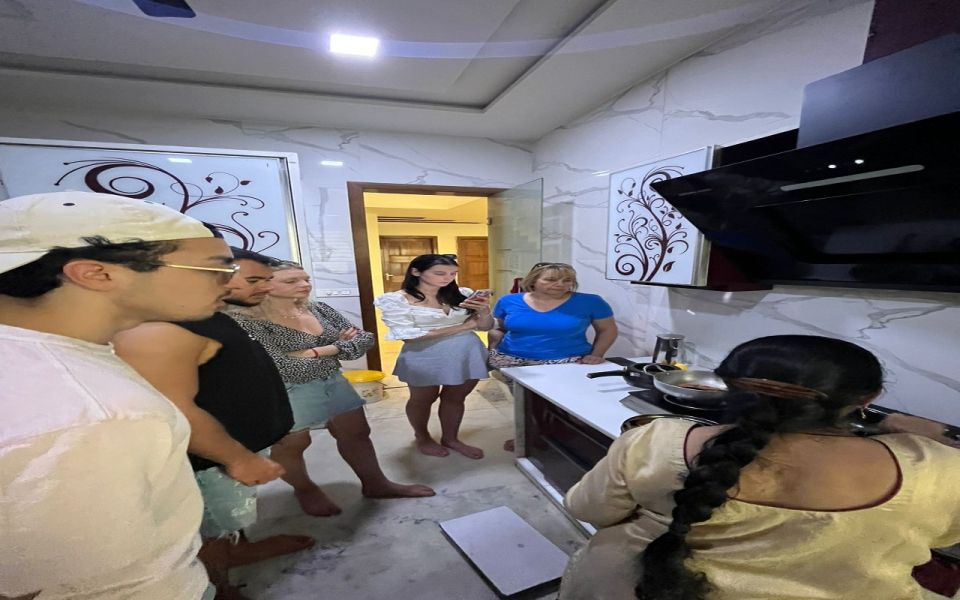
Because this is a private home class, the exact order can vary, but the rhythm is usually predictable. Expect a flow that looks like this:
1) Pickup, arrival, and settling in
You’ll be collected and taken to the family home. You should be ready for a warm welcome and basic setup—water, instructions, and a quick look at what you’ll cook. This is also where you’ll start hearing about spices and ingredients, not just the final recipe list.
You can also read our reviews of more tours and experiences in Agra

2) Spice and ingredient walkthrough
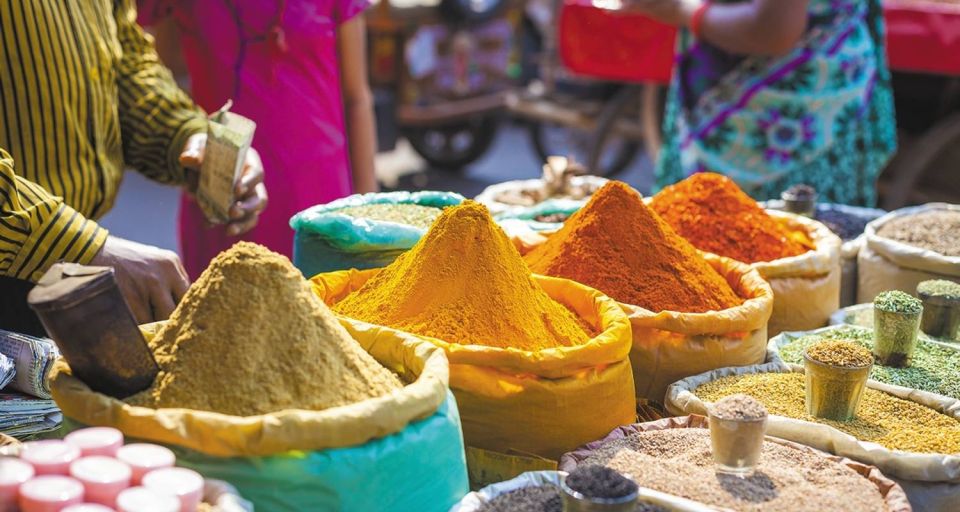
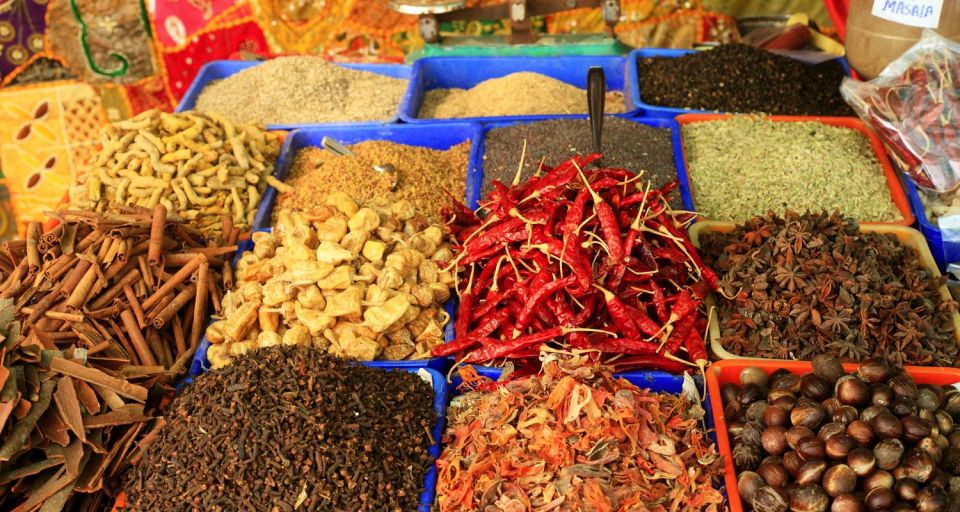
Indian cooking lives or dies on spice balance. In this class format, you’ll get guidance on what goes into dishes and why. You’ll likely learn how spices change when they hit hot oil, and how the same spice behaves differently depending on how you use it.
I especially like this part because it’s portable. Even if you forget the exact ingredient amounts, you can remember the logic: bloom first, balance second, and adjust acidity and salt at the end.
3) Hands-on cooking: from chopping to finishing
You’ll cook a few dishes during the session. One account mentioned making about three dishes, including roti, with at least one dish finished by the participant themselves. Another described roti-making as fun, which makes sense—roti is physical, fast to learn, and very satisfying when it works.
For your planning: roti and similar breads can be quicker than you expect once your hands get the rhythm. Expect some mess, because that’s part of the skill transfer.
4) Eating together at home
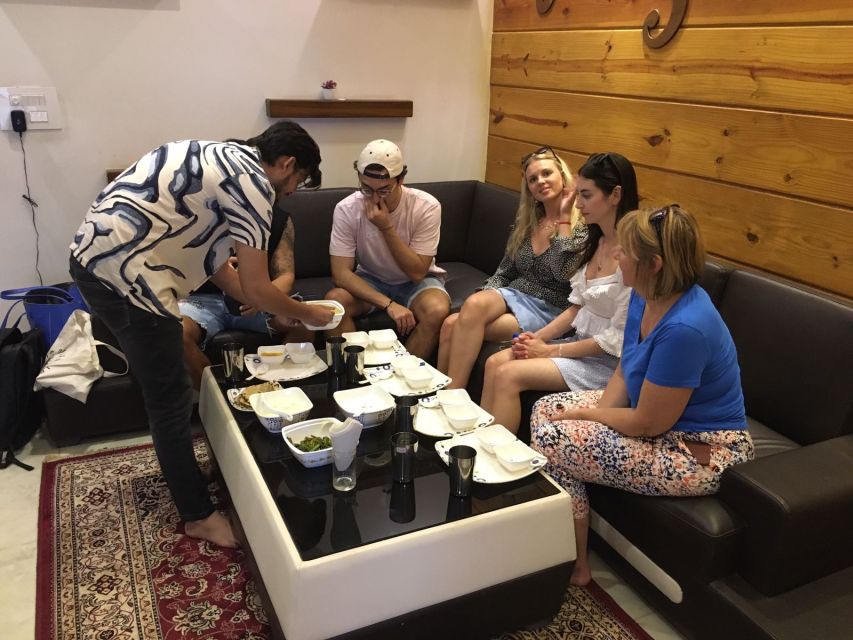
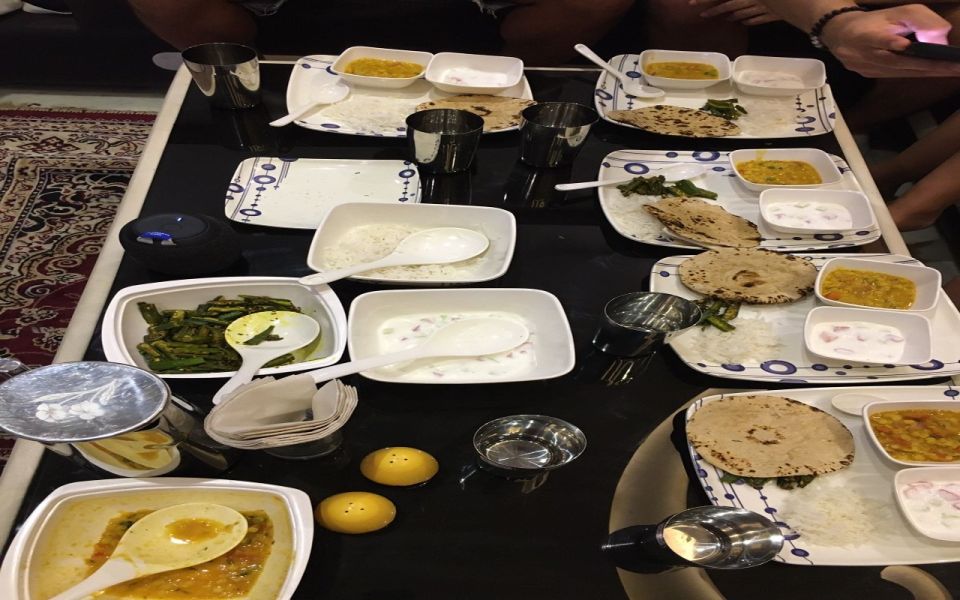
You’ll taste what you cook. In most versions of this activity, the meal feels like the payoff after the work. One account described eating in the living room while the family watched, and that’s the kind of home detail you should understand ahead of time: this isn’t staged like a restaurant dining room. It’s a family space.
5) Return transport
After the session, you’ll be taken back—again by private tuk-tuk.
Learning recipes you can actually repeat at home
A lot of cooking classes fail at the same spot: you leave with notes you can’t use. Here, the practical win is that you’re not only learning a dish—you’re learning technique and spice thinking.
One account specifically said recipes were provided afterward, and even pictures were included. That’s the sort of support that makes a huge difference the next time you try cooking at home. When you’ve got a visual reference, you can correct problems like:
- dough that’s too dry or too sticky
- spice levels that overpower instead of blend
- sauces that need a final adjustment
You don’t need to recreate an exact Indian kitchen setup. You just need the process you practiced here.
Amir and the guide role: English, Spanish, and real explanations
The experience includes an English, Hindi host or greeter. In multiple accounts, the guide name Amir comes up, and he’s described as very helpful and friendly, and in at least one case as speaking Spanish very well. That’s a big deal if your comfort language isn’t Hindi.
Here’s my practical advice: if you want clearer instruction, you should confirm what language support you’ll get for your specific booking. The class might be hosted by an Indian mom and explained through a guide, so language flow depends on the team and the household.
Also, this is one reason a private group can be helpful. You can ask questions more naturally than in larger groups, and you can get clarification faster if something doesn’t make sense on the first try.
Comfort, safety, and communication: handle the home-setting reality
Home-based experiences are often wonderful, and they can also feel intense—because you’re in someone’s personal space, not an open public venue.
One account raised concerns about feeling unsafe and described intrusive questioning about a relationship, with the participant saying they were pressured to leave a positive review and that review removal was requested afterward. I can’t verify the full context, but the safest takeaway for you is simple: if you’re traveling with specific needs or concerns about how you’ll be treated, ask questions before you book, and don’t ignore your gut.
Also, in another account, the class was described more as a demonstration than a hands-on cooking class, and the instructor was said to speak no English. That points to a real variable: how much cooking you personally do can depend on how the session is conducted and how language support is handled.
So what should you do?
- Ask whether you will cook most steps yourself, not only watch
- Confirm language support expectations for instruction
- If you’re sensitive to comfort and privacy, ask how the group will be seated during the meal
A good class should feel welcoming and clear from minute one.
Rules that affect how you plan your day
This activity has a few straightforward rules:
- No smoking indoors
- Not suitable for people over 95 years
That age limit is worth respecting as a planning factor. It may relate to the physical setup of a home kitchen or the way the experience is paced. If you’re close to that age range, ask ahead for details on how the kitchen and seating work.
Who this Agra cooking class is best for
This is a strong fit if you want:
- a private experience in Agra rather than a crowded activity
- an authentic home setting with Indian mom hospitality
- a practical skill you can repeat at home, including bread like roti
It’s also a great choice if you like learning spice logic, not just following a printed card. If you want food that feels connected to everyday Indian life, this style beats a generic restaurant cooking show.
Should you book this private Indian food cooking class in Agra?
If you want a hands-on, home-style Indian cooking lesson with private tuk-tuk transport for a fair price, I think this is a book-worthy option. The best parts are the family-home setting, the cooking you do yourself, and the chance to get recipes afterward.
Still, I’d make your decision with two questions in mind:
1) How important is clear instruction in your language? If you need English support, confirm it.
2) Do you need extra comfort and reassurance in a home environment? If yes, ask pointed questions about how the meal and instruction are handled.
One more planning note: the experience includes free cancellation up to 24 hours in advance for a full refund and offers a reserve-and-pay-later option. That gives you flexibility if your Agra schedule changes.
If your priority is authentic food practice—especially spices and roti-style skills—this class is one of the more memorable ways to spend a couple of hours in Agra.
FAQ
How long is the Agra Indian Food Private Cooking Class?
The class runs for about 2 to 2.5 hours.
Is this a private experience or shared with other people?
It’s a private tour/activity, so only your group participates.
What’s the price per person?
The price is $27 per person.
What languages are used during the class?
The host or greeter provides support in English and Hindi.
What transportation is included?
You get private tuk-tuk transportation as part of the experience.
What’s included in the class?
You’ll have all cooking equipment provided plus bottled water.
What’s not included?
Personal expenses are not included.
Are there any rules or restrictions?
Smoking indoors is not allowed, and it’s not suitable for people over 95 years.