REVIEW · NEW DELHI
Chandni Chowk Old Delhi Food Tour with Local Guide
Book on GetYourGuide →Operated by unseen india tours (delhi) · Bookable on GetYourGuide
Delhi tastes like a story you can eat. This Chandni Chowk Old Delhi food tour turns the market chaos into a clear route, with an English guide helping you sample more than 20 street foods you’d likely miss on your own. I especially liked the fast pace of eating and walking (you’re constantly trying something new), and I liked how guide Rahul picks and sequences foods so you don’t end up overwhelmed.
One thing to keep in mind: food isn’t included, so your final total depends on what you choose to taste at each stop. If you’re the type who wants one bite of everything, budget a bit more than the $6 base price.
In This Review
- Key Highlights You’ll Actually Use
- First Stop: Gurudwara Sis Ganj Sahib and Getting Oriented
- Chandni Chowk for Food: Market Walk + 20+ Tastings You Control
- The specific foods you can expect
- A small drawback to anticipate
- Tuk-Tuk Transfers: Why They Matter More Than You Think
- Jama Masjid: A Second Food Moment in a Big Landmark Area
- How the separate entrance fits in
- Rahul’s Food Styling: How Custom Taste Works on a Street Tour
- Price and Value: What $6 Covers (and What You Still Need to Plan)
- Who Should Book This Food Tour
- Quick Tips to Get the Most From Your 4 Hours
- Should You Book This Chandni Chowk Food Tour?
- FAQ
- Where do I meet for the tour?
- How long is the tour?
- Is the tour vegetarian or vegan-friendly?
- What’s included in the price?
- Is the food cost included?
- Is the tour in English?
Key Highlights You’ll Actually Use
- 20+ iconic street foods around Chandni Chowk and the Jama Masjid area
- Choose-your-own bites: skip what you don’t want, stop when you’re full
- Rahul’s tailoring worked for vegetarians and vegan plans in the groups I read about
- Two tuk-tuk transfers help you cover ground without spending the whole 4 hours on foot
- English live guide plus bottled water to keep things comfortable
- Separate entrance access to help you avoid unnecessary waiting at the main sight
First Stop: Gurudwara Sis Ganj Sahib and Getting Oriented
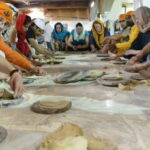
Your tour begins in front of Gurudwara Sis Ganj Sahib. That’s a smart starting point because it grounds you in Old Delhi before you jump into the street-food swirl. You’re not dropped in the middle of a crowd with no plan. Instead, you start with a real landmark, meet your guide, and get a sense of what kind of food journey you’re about to do.
I like this style of start because it helps you get your bearings fast. Old Delhi can feel like a maze at first. A guide-led beginning makes the next hours feel intentional rather than chaotic.
Also, the fact that you get bottled water is a practical win. During a 4-hour food tour, your body needs small resets, especially if you’re trying sweet, fried, spicy, and chilled items back-to-back.
You can also read our reviews of more food & drink experiences in New Delhi


Chandni Chowk for Food: Market Walk + 20+ Tastings You Control
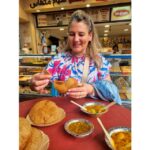
The heart of the tour is Chandni Chowk, and you spend a full stretch there with two phases of tasting and market wandering. The first big block is about 2 hours, focused on food tasting and a food market visit. This is where the tour earns its keep: you’re not just eating, you’re learning the market logic—what stalls specialize in what, how snacks are built (crunch, sauce, topping), and how flavors layer.
Then there’s another Chandni Chowk segment (about 1 hour) that keeps the momentum going with more street food and regional favorites. The best part is that your guide doesn’t force a single rigid menu. You can skip dishes you’re not into and focus on what you want. That’s especially useful if you’re cautious with spice, or if you’re a “sweet first” person.
The specific foods you can expect
The tour includes a long list of options—think of it like a menu of what might appear during your tastings. Common highlights include:
- Jalebi (the syrupy, spiral sweet)
- Panipuri and crunchy panipuri (the snack where timing and texture matter)
- Dahi Bhalla (soft lentil dumplings with yogurt and tangy toppings)
- Chole Bhature (chickpeas with fried breads)
- Chaat and Kulia Ki Chaat (tangy, layered street snacks)
- Besan laddoo and other Indian sweets
- Raj kachori (crunchy shell with toppings)
- Lassi (cooling yogurt drink)
- Samosa
- Paranthas
- Rabri faluda
- Kulfi
- Tandoori roti
- Butter chicken
- Rose sharbat
- Aloo tikki
Here’s how I’d think about it for your planning: this isn’t a “one snack, done” tour. It’s a sequence of tastes that usually alternates between hot and cold, fried and creamy, and sweet and tangy. That rhythm helps you avoid the common food-tour problem where you hit six similar bites in a row and start losing interest.
A small drawback to anticipate
Even with a guide, you’re going to be in a street setting with real smells, sounds, and heat. If you’re sensitive to crowds or you need a quiet, seated meal, this format might feel intense. But if you’re excited to eat your way through the real food lanes, that intensity is kind of the point.
Tuk-Tuk Transfers: Why They Matter More Than You Think
Between the main food zones, you take tuk-tuk rides—one of about 30 minutes and another about 20 minutes. You might assume this is just transport, but it changes the tour experience in a practical way.
First, it saves time. In Old Delhi, walking routes can stretch fast, and you don’t want to spend the best eating hours stuck in slow movement or backtracking. Second, it gives you mental resets. After one stretch of tasting and market activity, a short ride helps you regroup before the next round of snacks and the next location.
You’ll still experience the street environment, but you won’t feel like the entire 4 hours is just your legs battling the city.
You can also read our reviews of more tours and experiences in New Delhi

Jama Masjid: A Second Food Moment in a Big Landmark Area
Later, you head to the Jama Masjid area, where the tour includes another 1 hour of street food and a food market visit, plus regional bites. This part is valuable for two reasons.
One: it shows you how food culture continues around a major landmark. You’re not only eating in the Chandni Chowk lane. You’re seeing how the city’s food energy adapts as you move.
Two: it helps you compare flavors and styles. Even if two stalls serve “similar” things, the preparation often shifts—spicing, thickness of sauces, crunch levels, and how sweets are served.
How the separate entrance fits in
The tour also mentions skipping the line through a separate entrance. You should think of this as time-saving at the main sight stop, so the day stays focused on food rather than waiting around. If you’ve ever been stuck behind a crowd trying to enter something famous, you’ll appreciate anything that reduces that hassle.
At the end of this segment, you return to your starting point at Gurudwara Sis Ganj Sahib.
Rahul’s Food Styling: How Custom Taste Works on a Street Tour
The strongest theme from the experience is that the guide doesn’t treat everyone like a cookie-cutter eater. Rahul is described as friendly, funny, and knowledgeable, but the practical impact is that he shapes what you eat based on dietary needs and comfort level.
In particular, the tour experience has worked well for:
- Vegetarians, with the guide making sure the group ate very good food.
- Vegan plans, where the route and selections were adjusted so you didn’t feel stuck skipping everything.
This matters because street food can look similar from a distance, but ingredients vary a lot. Even when a dish seems “simple,” it may contain dairy, ghee, or other ingredients you wouldn’t guess without local help. With a guide who pays attention to your needs, you can keep the tour fun instead of constantly negotiating what you can safely eat.
The other win is the human connection. People describe leaving feeling like you went from strangers to friends, largely because you’re chatting at stalls and getting small explanations in real time. You’re not reading a pamphlet. You’re learning while you’re chewing.
Price and Value: What $6 Covers (and What You Still Need to Plan)
At $6 per person for a 4-hour guided tour, this is priced like a “base” rather than an all-in dinner. The included items are a professional guide and bottle water. Food cost and any extra shopping are not included.
So where is the value?
- You’re paying for direction: a route that takes you through key food zones efficiently.
- You’re paying for selection help: the guide helps you choose and pace tastings so you don’t end up eating in an aimless pattern.
- You’re paying for local context: stories and culture are part of the experience, not just random eating stops.
- You’re paying for time saved: tuk-tuk transfers plus separate entrance access help keep the day moving.
What you should budget for is the actual street-food amount you want to eat. Because the tour lets you skip dishes, you can shape the cost. If you’re conservative, you’ll likely spend less than someone who wants to test every sweet and every crunch.
My advice: think of the $6 as paying for the guidance and access to the best lanes. Then treat the food as your flexible variable.
Who Should Book This Food Tour
This tour is a great fit if you want:
- A first or early-day look at Old Delhi food culture rather than a sit-down restaurant plan.
- A guided street-food route where you can ask questions and adapt your tastings.
- A mix of classic snacks (jalebi, samosa, panipuri) and a few bigger-ticket street favorites (like butter chicken and tandoori roti options).
- A tour that makes room for vegetarian and vegan needs through the guide’s flexibility.
It may be less ideal if you strongly prefer:
- Quiet, fully seated dining.
- A tour where everything is included end-to-end with no additional food cost.
- A slower pace with lots of time off your feet.
Quick Tips to Get the Most From Your 4 Hours
Here’s how to make this kind of street-food tour work smoothly for you:
- Plan to be flexible with your tasting list. You’ll likely want to reorder your priorities as you smell and see what’s best at each stall.
- Use the cooling items when needed. Lassi and rose sharbat can help reset your palate if you’ve hit spicy bites.
- Pace yourself through sweet and fried. Doing something like jalebi or rabri faluda after tangy snacks is usually easier than starting with dessert-heavy items.
- Ask for help on dietary choices. If you need vegetarian or vegan handling, say it clearly early.
Should You Book This Chandni Chowk Food Tour?
If your goal is to eat your way through Chandni Chowk and the Jama Masjid area with an English guide who helps you choose—and you’re okay paying for food as you go—this tour is a strong value. The low entry price plus the structure of tastings, market visits, tuk-tuk transfers, and separate entrance access means you’re buying time, guidance, and a smoother route through Old Delhi.
Book it if you want a practical, street-level introduction to Delhi food and don’t mind being in the middle of it. Skip it if you want an all-inclusive meal experience with minimal street immersion.
If you do book, bring a “try and adjust” mindset. That’s the secret sauce on this kind of tour.
FAQ
Where do I meet for the tour?
You meet in front of Gurudwara Sis Ganj Sahib in Chandni Chowk.
How long is the tour?
The tour lasts 4 hours.
Is the tour vegetarian or vegan-friendly?
The guide (Rahul) has handled both vegetarian needs and vegan preferences in the described experiences, with personalized selections.
What’s included in the price?
The tour includes a professional guide and bottle water.
Is the food cost included?
No. Food cost is not included, so you’ll pay for what you choose to eat during the tour.
Is the tour in English?
Yes. The tour includes a live English guide.