REVIEW · NEW DELHI
Delhi: Old Delhi Slum Tour by Metro or Car
Book on GetYourGuide →Operated by India Tour Solution - ITS · Bookable on GetYourGuide
Two hours in Old Delhi, no cameras, real talk. This tour is interesting because it trades postcard sights for daily life—run by a guide who knows the area and keeps things safe, respectful, and non-intrusive. I especially liked the way you get close to the neighborhood’s day-to-day rhythm and the micro-economies (think garment work and small crafts) that keep families going.
One consideration: there’s a strict no-photography rule and you’ll need modest clothing and closed-toe shoes since parts of the lanes can be dirty.
In This Review
- Key Things That Make This Tour Worth It
- Starting at Sadipur Metro Station (or Your Hotel Pickup)
- Why This Tour Opens With Context (Not Just a Walk)
- The Community Center Stop: Where Support Becomes Routine
- What to watch for
- Walking the Narrow Lanes: Micro-Industries in Motion
- Practical advice for this walk
- Visiting a Local Home for Chai (and Real Talk)
- The emotional tone
- Artisans and Small Businesses: Learning What Lives in the Workshops
- One honesty note from real-world experiences
- Transport, Timing, and How This Fits Your Delhi Day
- Car vs metro options
- Rules That Keep the Tour Respectful (and Why They Matter)
- Price and Value: What $19 Actually Buys
- Who Should Book This Tour (and Who Might Not Love It)
- Should You Book This Old Delhi Slum Tour?
- FAQ
- How long is the Old Delhi slum tour?
- Where do I meet my guide?
- What’s included in the price?
- Are there any language options?
- Can I bring a camera?
- What should I wear or bring?
- Is this activity family-friendly and are kids involved?
- Is alcohol allowed?
Key Things That Make This Tour Worth It
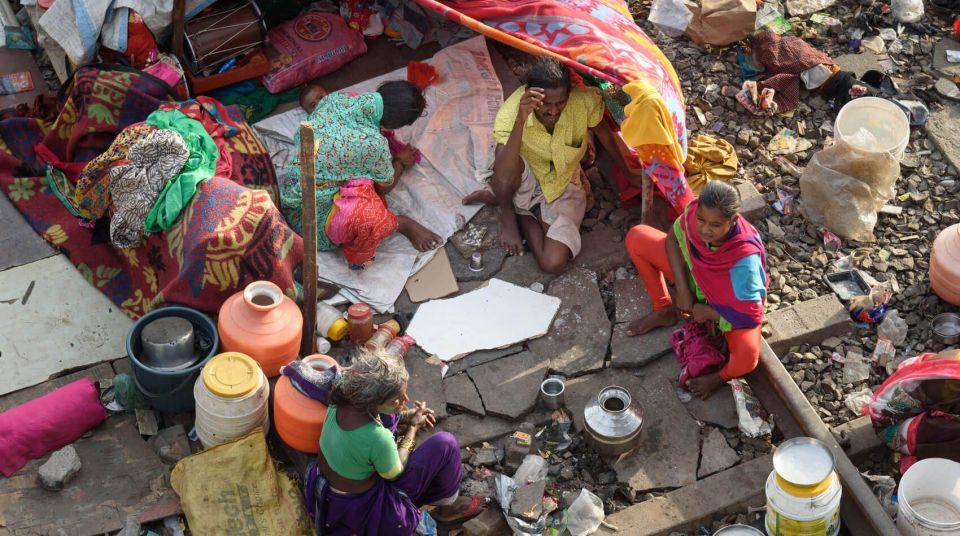
- Local guides with real neighborhood ties: I loved how names like Aamir and Sunny come up repeatedly for trust, honesty, and calm explanations.
- Community center time that feels practical: you’re not just watching; you’re seeing how education and vocational support show up locally.
- Micro-industries you can actually point to: from garment-related work to craft workshops, you’ll see where livelihoods take shape.
- Chai and home etiquette: a visit to a local family home (often for masala chai) makes the tour human, not theatrical.
- Small-business support with optional purchases: you can back the people you meet, instead of just taking stories away.
Starting at Sadipur Metro Station (or Your Hotel Pickup)
Most days start at Sadipur Metro Station near Burger King, where your guide meets you and sets the tone fast. If you choose a car option, you may get hotel pickup and drop-off instead, which is handy when you’re juggling heat, crowds, or jet lag.
Either way, you’re heading into Old Delhi with a simple plan: short introductions, then you walk. That matters because the best parts of the experience are the conversations that happen while you’re moving, not while you’re standing in a line.
You can also read our reviews of more tours and experiences in New Delhi.



Why This Tour Opens With Context (Not Just a Walk)
Early on, your guide explains Old Delhi and the Sadipur area in a way that helps you read what you’re seeing. You’ll get a clear sense of the tour’s purpose: understanding residents’ daily lives without treating people like a spectacle.
This opening is also where you learn the basic etiquette. For example, the tour includes clear guidance on how to behave in someone’s neighborhood—what questions are appropriate, what boundaries to respect, and how to interact with community members without getting in the way.
The Community Center Stop: Where Support Becomes Routine
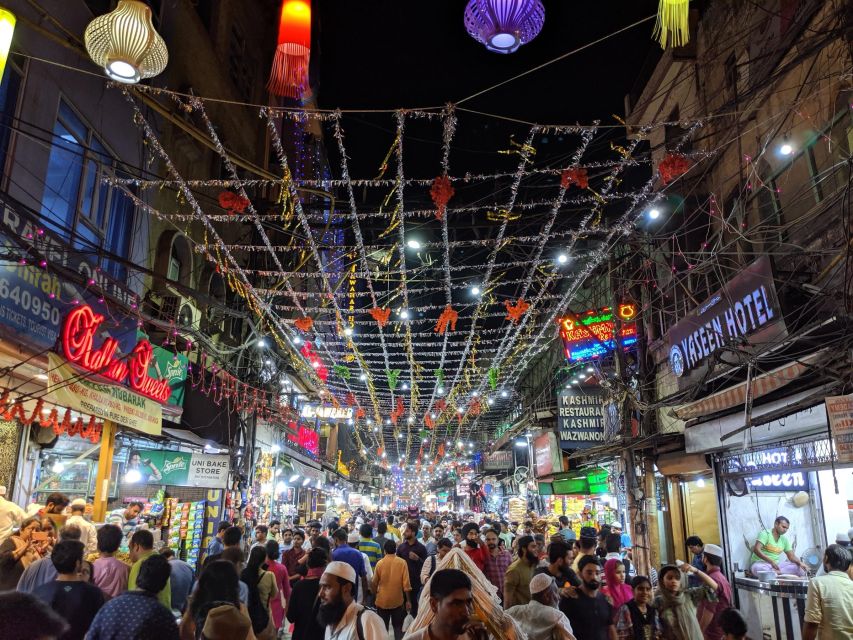
One major highlight is the time at a community center, which works like a hub for social activity and learning. This is where you learn how residents build community through education and vocational training, plus other community development efforts.
In practice, you’ll meet community members and have informal conversation time. Some guides also bring the tour past (or through connections with) youth programs—so you may see kids and learn how guides and volunteers support them, including English learning and after-school activities. Guests often mention this as the emotional high point.
What to watch for
You’re not going to treat this like a classroom tour. It’s more like meeting people in their real routine, so keep your questions grounded and your attention on manners. If you’re hoping for a glossy tourist-style performance, you’ll probably feel disappointed.
Walking the Narrow Lanes: Micro-Industries in Motion
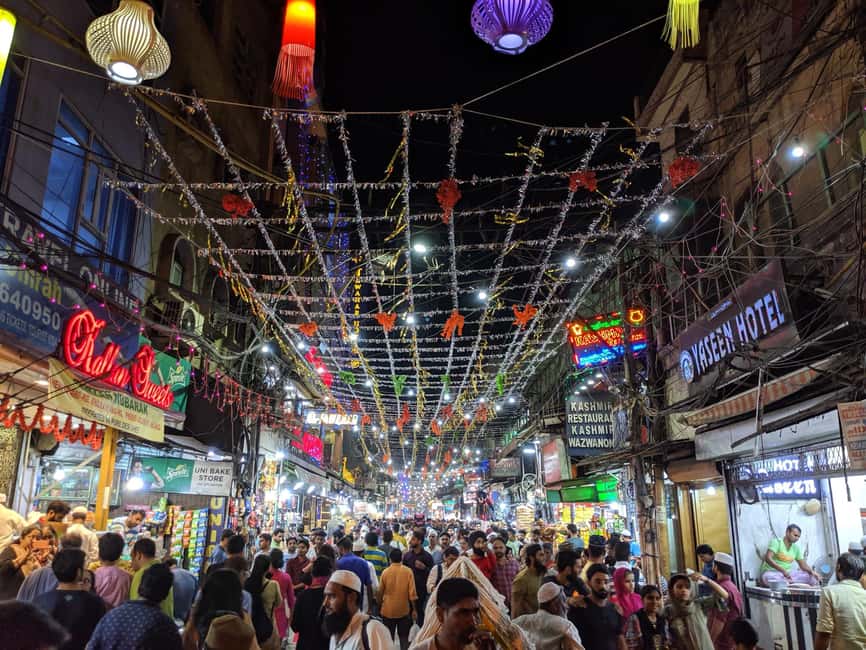
Then you get the real Old Delhi lesson: narrow lanes, constant movement, and everyday commerce. This part runs long enough for you to feel the pace—street vendors, kids playing, and small services that are always in use.
The tour’s core value is that you’re not only seeing poverty. You’re seeing work. The neighborhood’s micro-industries show up in places like garment-related activity and crafts, including skills like embroidery. Even when you don’t understand every step of the process, you can usually see how labor, materials, and customer demand connect.




Practical advice for this walk
- Wear closed-toe shoes you don’t mind getting scuffed.
- Bring hand sanitizer or tissues (you’ll thank yourself).
- Expect tight spaces and uneven ground—especially if it recently rained.
Also: during the monsoon season (roughly June to mid-September), conditions can be wetter and dirtier. The tour is still doable, but your footwear choice matters.
Visiting a Local Home for Chai (and Real Talk)
A highlight for many people is the visit to a local family home, where you talk about routines, hopes, and challenges. The experience is designed around hospitality, not staged charity.
A common detail: guests often mention chai at the home, sometimes specifically masala chai. It’s a small thing, but it signals something big—this isn’t only about seeing the neighborhood. It’s about being welcomed into a human conversation.
The emotional tone
This part can feel surprisingly warm. In multiple accounts, guides like Aamir or Sunny are credited for being gentle, respectful, and patient with questions, including for solo travelers who felt safe. Still, it’s honest about social and economic realities, so go in with sensitivity.
Artisans and Small Businesses: Learning What Lives in the Workshops
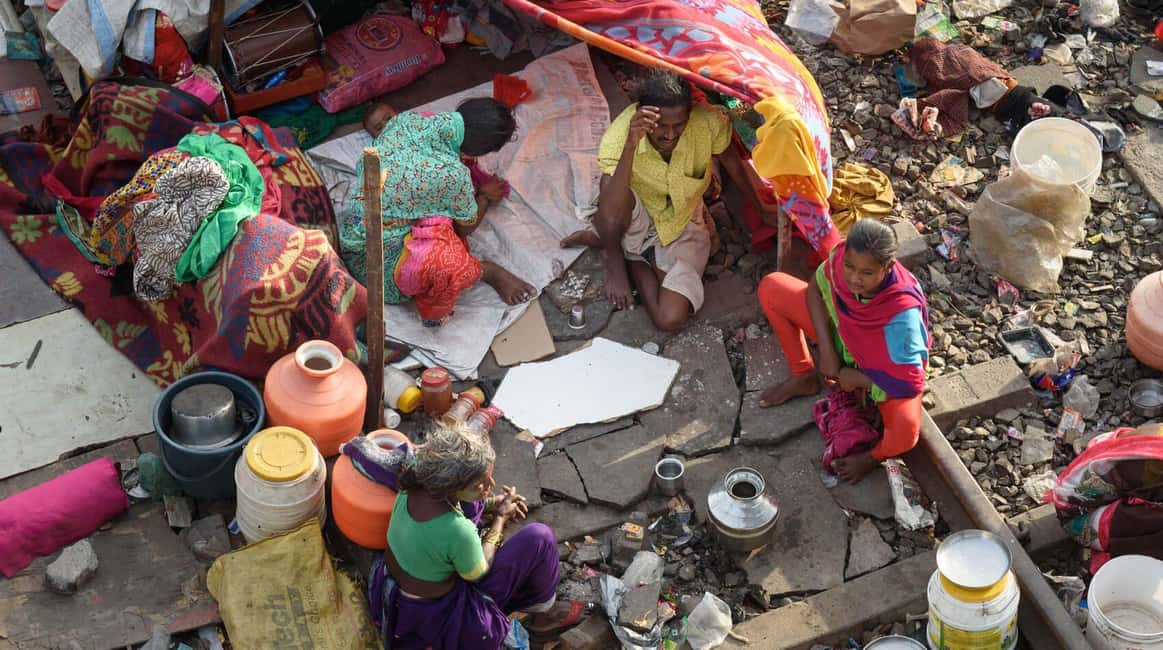
Short stops at local workshops and businesses are built into the route. The tour describes artisan visits where you can learn about traditional crafts, like embroidery or pottery, and sometimes buy handmade items.
This matters for two reasons:
- You see work where it happens, not as a product on a shelf.
- Buying support becomes optional and personal, rather than anonymous. If you want to help, you can purchase directly from someone you met.
One honesty note from real-world experiences
Not every day seems to match every listed stop perfectly. I saw at least one mention of a tour that didn’t include certain items like an artisan stop or a community center visit as advertised, even though the walk and home interaction still made the experience feel meaningful. If you’re counting on a specific stop, ask your guide on the day what’s included and what has changed.
Transport, Timing, and How This Fits Your Delhi Day
You’re looking at about 2 hours total, which is perfect if you want something real without losing your whole afternoon. The tour structure is paced like this: an intro period, community center time, a longer lane walk, a local home visit, then shorter stops connected to artisans and small businesses.
You’ll also get water or a cold drink included. That small detail helps a lot, because Old Delhi walking can be mentally intense even when the pace is gentle.
Car vs metro options
If you go by car, expect less hassle with navigating traffic and meeting points. If you go by metro/tuk-tuk-style, you’ll likely feel more like you’re moving like locals, even if the route still runs with a guide.
Rules That Keep the Tour Respectful (and Why They Matter)
This tour comes with a few clear boundaries, and they’re not just paperwork.
- No alcohol and drugs.
- Modest clothing is required: no low-cut sleeveless tops or short shorts.
- Bring tissues/sanitizer because you’ll be in public, not a controlled facility.
- Leave your camera at home: there’s a strict no-photography policy to protect residents’ privacy.
That last one is important, because it changes your mindset. You’ll pay closer attention to voices, body language, and what’s happening around you. Some guests report being able to take photos with a mobile device in a mindful way, but the safe move is to treat the no-photography rule as the default and follow your guide’s instruction.
Price and Value: What $19 Actually Buys
At $19 per person for around 2 hours, the value is strong because you’re paying for access, not a photo session. You get a private guide, a locally English-speaking guide, water/cold drink, and in some options hotel pickup and drop-off or a tuk-tuk ride.
The best value isn’t the logistics—it’s the permission. A good guide can introduce you to community spaces and people in a way that feels respectful and safe. Guests often mention feeling protected and looked after, including solo women who say they felt secure and guided.
One more value point: the tour is designed to be non-confrontational. You’re not being pushed into shock. You’re being taught how to understand what you see.
Who Should Book This Tour (and Who Might Not Love It)
This tour is a good fit if you:
- Want a grounded, neighborhood-level view of Old Delhi beyond landmarks.
- Prefer learning through conversation and small stops rather than big attractions.
- Appreciate community-based travel with rules that protect privacy.
It might be less ideal if you:
- Need lots of photography opportunities (this tour limits that).
- Are looking for a polished, structured “show” of crafts or museums.
- Get uncomfortable with honest talk about poverty, employment struggles, and daily constraints.
Should You Book This Old Delhi Slum Tour?
If you want Delhi that feels lived-in, I think you should book it. The combination of a neighborhood guide, a community center visit, a home hospitality moment (often with chai), and brief artisan/business stops creates a simple, human route that doesn’t feel like tourism theater.
Book it if you’re the type who can be respectful with boundaries and curious with your questions. Pass if you’re mainly after sights, photos, and a clean, controlled environment. This one rewards patience, good manners, and the willingness to see how people build work, dignity, and community in the middle of big-city pressure.
FAQ
How long is the Old Delhi slum tour?
It runs for about 2 hours.
Where do I meet my guide?
The meeting point is Sadipur Metro Station near Burger King, unless you booked an option that includes hotel pickup.
What’s included in the price?
You get a private guide, a local English-speaking guide, water or a cold drink, and either a tuk-tuk ride (if you booked that option) and hotel pickup/drop-off (if booked). Drinks are not included.
Are there any language options?
Yes. Tours are available with guides in English, German, or Hindi.
Can I bring a camera?
The tour has a strict no-photography policy to respect residents’ privacy.
What should I wear or bring?
Wear comfortable closed-toe walking shoes and dress modestly. Bring hand sanitizer or tissues.
Is this activity family-friendly and are kids involved?
The tour includes community interactions, and some guides run or connect with youth programs, so you may meet children during school-related activities.
Is alcohol allowed?
No. Alcohol and drugs are not allowed.