REVIEW · NEW DELHI
Delhi: Gurudwara Bangla Sahib – Faith, Culture and Peace
Book on GetYourGuide →Operated by Crystal India Holidays · Bookable on GetYourGuide
A golden dome calms the city fast. This guided stop at Gurudwara Bangla Sahib mixes Sikh faith with standout Langar community service in about 2–2.5 hours. It’s one of those rare Delhi experiences where you can go from traffic noise to soft hymns without changing cities.
I love the clear, practical storytelling a guide brings, because Sikh temples can look similar from the outside until someone explains what you’re seeing. You’ll also get to witness the peaceful flow around the Sarovar, the holy water reservoir said to have healing properties.
The main thing to plan for is the temple dress code. Modest clothing is recommended and a head covering is required, even though scarves are provided at the gurudwara.
In This Review
- Key points you’ll care about
- Gurudwara Bangla Sahib: what makes this Delhi stop worth 2 hours
- Getting there comfortably with pickup (and why it matters in Delhi)
- Meeting your guide and turning “tourist questions” into real understanding
- Golden dome and temple design: the parts you’ll actually notice
- The Sarovar moment: quiet, meaning, and a pause from sightseeing
- Langar: free meals, equality in action, and what to expect
- Hymns, prayers, and temple etiquette that keeps the day smooth
- What to wear and bring: small choices that prevent stress
- Price and value: is $14 fair for what you get?
- Who this tour suits best (and who might skip it)
- Should you book this Gurudwara Bangla Sahib tour?
- FAQ
- How long is the Gurudwara Bangla Sahib experience?
- What languages are available for the live guide?
- Is hotel pickup included?
- Do I need to bring a headscarf?
- Is the tour wheelchair accessible?
- Is free cancellation available?
Key points you’ll care about
- Hotel pickup and drop-off can keep your day simple in Delhi
- English and Hindi live guiding helps first-timers understand what matters
- Golden dome and intricate architecture make great photo moments (and even better calm moments)
- Sarovar stop adds meaning beyond sightseeing
- Langar (free community meals) shows Sikh values you can actually see
- Wheelchair accessible design makes the visit easier for more people
Gurudwara Bangla Sahib: what makes this Delhi stop worth 2 hours
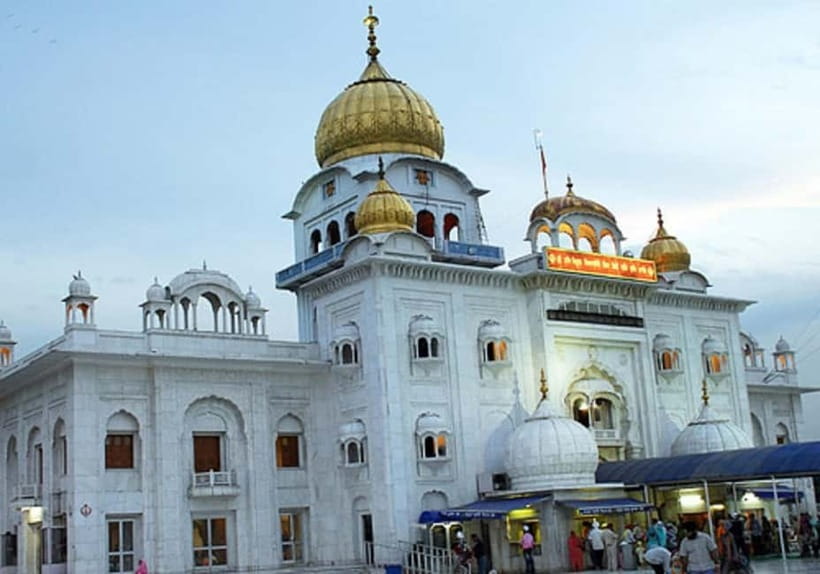
If you only have a short window in Delhi, Gurudwara Bangla Sahib is the kind of place that rewards a quick visit. The temple’s gold dome and detailed design give you an instant visual anchor, but the real value is how the experience shifts your mood. One minute you’re navigating a big city; the next, you’re hearing prayers and watching people move with purpose and calm.
What makes this visit especially satisfying is that it’s not just “look around.” You’re guided through the temple’s significance and history, so the symbols start to make sense. And then you hit the heart of the gurudwara: the Langar. That’s the community kitchen where free meals are served, showing equality and selfless service in a very direct way.
The duration—about 2 to 2.5 hours—is also practical. It’s long enough to see the key spaces and feel the atmosphere, but short enough that you won’t feel rushed or exhausted. For many travelers, it becomes a welcome break from temples that take half a day just to start feeling comfortable.
You can also read our reviews of more tours and experiences in New Delhi.

Getting there comfortably with pickup (and why it matters in Delhi)
Delhi can be a test of patience. Even if you enjoy city energy, you’ll still benefit from not having to plan routes and transport on the fly. This experience offers private, air-conditioned transportation from your hotel, with hotel pickup and drop-off available when you select that option.
Why I think pickup is a big deal: it protects the vibe of the day. When you’re heading somewhere sacred, you don’t want the morning to feel like logistics homework. A private car also means you can keep your schedule tight, especially if you’re stacking multiple things in Delhi.
There’s also a timing advantage. Departure times are flexible based on availability, which gives you a better chance to pick a slot that fits your other plans. Just keep your expectations aligned with the time window: you’re doing a focused temple experience, not a full-day tour of all of Delhi’s big attractions.
Meeting your guide and turning “tourist questions” into real understanding
The visit starts with meeting your guide at the attraction entrance. You’ll receive the guide’s contact details from the local provider via WhatsApp (or email if you don’t use WhatsApp) the day before. That small detail can help you feel grounded before you even leave your hotel—especially in a city where meeting points can get confusing.
Once you’re with your guide, you’re not only looking at a building. You’re learning what makes this gurudwara distinct:
- The significance of Sikh traditions in everyday worship
- The story behind Gurudwara Bangla Sahib
- What to notice around key areas, including the holy water reservoir (Sarovar)
That matters because Sikh spaces have their own rhythm. Without some context, you might focus only on visuals. With context, you start noticing how people interact: where they place attention, how they move respectfully, and what the prayers are doing to the mood of the space.
The guide is available in English and Hindi, and that bilingual option is genuinely useful if anyone in your group prefers one language over the other. The experience is a private group too, so it feels more like a guided walk than a crowd herding exercise.
Golden dome and temple design: the parts you’ll actually notice
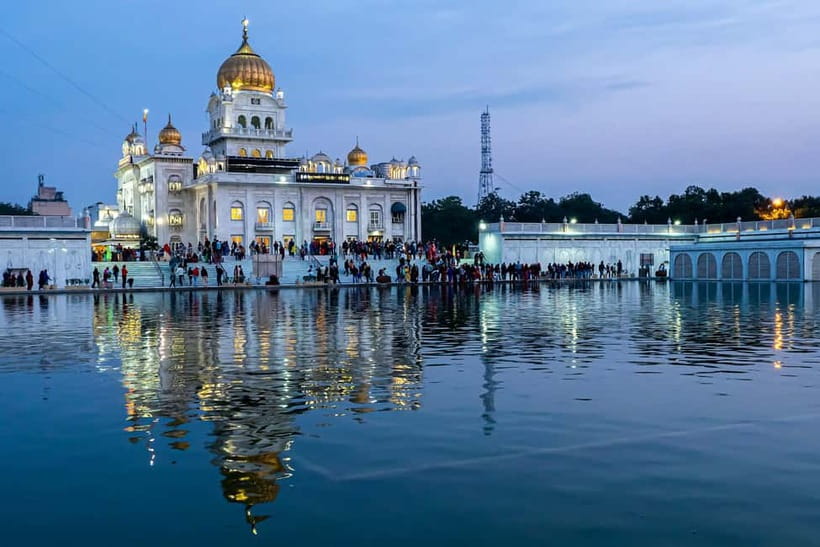
Let’s talk about the part you’ll probably see first: the golden dome. It’s not subtle, and that’s the point. The dome and intricate design communicate peace and faith in a visual way long before you hear a hymn.
Inside and around the gurudwara, you’ll also find details that are easy to miss if you’re rushing. The guided format helps you slow down in the right places. Instead of bouncing between random photo angles, you’ll learn what you’re looking at and why it matters.
This is a good temple to visit if you like architecture but don’t want to be an expert. Your guide translates the meaning behind the design elements into plain language. And because the visit is short, you won’t spend hours waiting or wandering with no direction.
Photo-wise, you should be able to capture the serene environment and striking architecture. Just remember you’re in an active place of worship, so treat cameras as tools for respectful moments, not a full production.
The Sarovar moment: quiet, meaning, and a pause from sightseeing
Next comes the Sarovar, the temple’s holy water reservoir. This stop adds a layer of meaning that turns the visit from “nice building” into something more personal.
The Sarovar is believed to have healing properties. Even if you’re not coming for spiritual healing, that belief gives the water area a different feel. People naturally slow down here. The space tends to be calmer, and you’ll likely notice how the whole temple seems to breathe differently around it.
For many first-time visitors, this is the emotional pivot of the experience. Earlier you’re taking in architecture and learning context; now you get to stand in a place that’s treated as spiritually important. It’s also a good time to recalibrate before the busier Langar area, because it helps you transition mentally from sightseeing into “participating.”
If you’re traveling with kids or older family members, the Sarovar stop can also work well. It’s a clear location, a meaningful one, and usually not as physically demanding as long indoor-walking routes.


Langar: free meals, equality in action, and what to expect
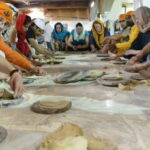
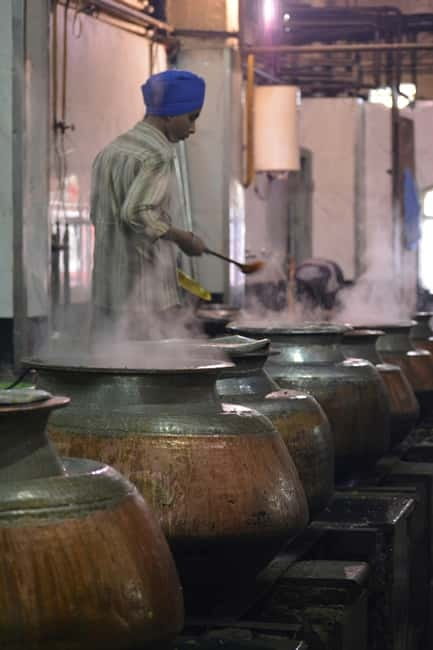
Langar is the highlight that people talk about for a reason. It’s not just a food stop—it’s an expression of Sikh values. In the Langar community kitchen, free meals are served daily, and the sheer scale is part of what makes it memorable: thousands are served each day.
When you witness Langar during your visit, you’re watching equality take shape. The idea is simple and powerful: everyone eats. There’s no paying for a place at the table. There’s also a strong theme of selfless service—people work to feed others, not for status.
How to approach Langar in a practical way:
- Don’t treat it like a cafeteria you can speed through. Watch first, then follow the flow.
- If you want a meal, go with the temple’s lead rather than trying to figure out logistics yourself.
- If you’re not planning to eat, it’s still worth observing how the system works. The coordination is part of the experience.
The Langar moment also changes your perspective on travel. Some attractions show history in old stones. Langar shows values in action, right now, in real time. That’s rare.
Hymns, prayers, and temple etiquette that keeps the day smooth
Gurudwara Bangla Sahib is known for soulful hymns and prayers. This is where the visit often clicks. The atmosphere becomes quieter in a way that’s hard to fake with your own imagination.
You’ll likely feel the difference quickly—prayers create structure, and that structure makes it easier for you to behave appropriately without constantly thinking about rules. Still, it pays to be ready with the basics.
Here’s what matters most based on the info you’re given:
- Dress modestly
- Bring or prepare a head covering (head covering is required)
- Comfortable clothes help because you’ll spend time inside and moving through the temple areas
Good etiquette habits to keep things respectful:
- Keep your movements calm
- Lower the volume of conversations
- Pause before taking photos, especially during prayers or moments of focus
- Follow any guidance from your guide and temple staff
The prayers and hymns are not background noise here. They’re a core part of the experience, which is why a guided visit is so useful. Your guide can help you understand what you’re hearing and what to notice.
What to wear and bring: small choices that prevent stress
For a temple visit, your outfit can make or break the comfort level. Since the experience runs about 2–3 hours, you want clothes that let you move easily without feeling self-conscious.
Bring:
- A camera (if that’s your style)
- Comfortable clothes
- A headscarf
About the headscarf: a head covering is required, and scarves are provided at the temple. So you won’t be stranded if you forget. Still, I strongly recommend bringing one if you can. It saves time and helps you feel more prepared from the start.
Also, think about your day plan. This is a spiritual stop, not a shopping detour. If you schedule it right, it becomes a reset. If you schedule it too late in the day, you might feel worn out before the prayers start doing their job.
Price and value: is $14 fair for what you get?
At $14 per person, this is priced for travelers who want meaningful experiences without blowing their budget. The value isn’t just the temple entry vibe—it’s the guided structure and the time efficiency.
Here’s what you’re getting in the package:
- A friendly, knowledgeable live guide (English or Hindi)
- A guided experience focused on history, significance, and the key areas like the Sarovar and Langar
- Private group format
- Hotel pickup and drop-off in a private vehicle if you choose the pickup option
Is it worth it? In my view, yes—especially if:
- You don’t want to figure out what’s important once you arrive
- You like understanding religious sites beyond photos
- You’re short on time and want a smooth plan that doesn’t drag
If you already know Delhi transport well and you’re comfortable going on your own, you might feel the pickup portion is optional value. But the guided explanation is the part that tends to pay off immediately. It changes how you see the dome, the water reservoir, and the Langar activity.
Who this tour suits best (and who might skip it)
This experience works especially well if you:
- Are new to Delhi and want a calm, organized start
- Like cultural and spiritual sites with real context
- Appreciate community-centered travel, not just monuments
- Want a short visit that won’t eat your whole day
It also fits families and older travelers because the information notes wheelchair access and an experience suitable for all ages.
Who might consider something different? If you’re looking for a super long, do-everything religious tour or a deep academic course on Sikh history, this might feel short. But for most people, the length is exactly the selling point: enough time to feel the place and learn the basics, not so much time that you lose energy.
Should you book this Gurudwara Bangla Sahib tour?
I’d book it if your goal is a respectful, well-organized temple visit with clear guidance and a highlight like Langar included in the experience. The combo of guided context, the calming prayer atmosphere, and the chance to see Langar values in action makes the tour feel more than sightseeing.
If you’re sensitive to dress rules or want everything planned without thinking, book it too. The guide format keeps you on track, and scarves are provided at the temple if you need them.
If you dislike guided tours in general and prefer total independent wandering, you might not use the guide as much. But even then, the Sarovar and Langar portions are hard to experience well without someone pointing out what you should notice.
FAQ
How long is the Gurudwara Bangla Sahib experience?
The tour lasts about 2–2.5 hours (approximately 2–3 hours).
What languages are available for the live guide?
The live guide speaks English and Hindi.
Is hotel pickup included?
Hotel pick-up and drop-off are available in a private vehicle if you choose the pickup option.
Do I need to bring a headscarf?
A head covering is required, and scarves are provided at the temple. The tour also recommends bringing a headscarf.
Is the tour wheelchair accessible?
Yes, the experience is wheelchair accessible.
Is free cancellation available?
Yes. You can cancel up to 24 hours in advance for a full refund.