REVIEW · KOCHI
Highlights of Cochin: Group Tour from Cochin Port
Book on GetYourGuide →Operated by Carnival Tours Kochi · Bookable on GetYourGuide
Kochi on a cruise day can feel rushed, but this port tour packs the essentials fast and smart. I love the contrast between the working Chinese Fishing Nets and the grand Portuguese-era churches, and you’ll also get a genuine window into local life at Dhobi Khanna plus the spice-wired streets of Jew Town. The only real catch is the schedule: it’s a tight 4 hours with a bit of walking, and Jewish sites can be closed on Fridays, Saturdays, and major Jewish holidays.
You start right at the ship berth with port pickup, then you move through Fort Kochi and Mattancherry in an air-conditioned vehicle. You’ll spend enough time at each stop to understand what you’re looking at, not just point and photograph. One more consideration: you’ll need to follow a strict dress code in places of worship and selected museums (no shorts or sleeveless tops).
If you’re visiting Kochi for the first time and want a grounded, practical overview without burning time on planning, this route hits the right balance. It’s also a good fit if you’re trying to see both the big landmarks and the everyday scenes that make the city feel like itself.
In This Review
- Key things I’d circle on your map
- From Cochin Port Ships Berth to Fort Kochi: No-Hassle Start
- Chinese Fishing Nets: Kublai Khan Nets Still Catching Fish
- St. Francis Church and Santa Cruz Basilica: Portuguese Power, Local Detail
- Dhobi Khanna (Local Laundry): Watch Daily Work, Not a Performance
- Mattancherry Palace: Portuguese-Built, Hindu-Tale Murals
- Paradesi Synagogue and the Dutch Palace Area: Sacred Craft in Brass and Glass
- Jew Town Spice Trade: Ginger, Cardamom, Turmeric, and Time to Browse
- Price and Logistics: Is $27 Worth a 4-Hour Kochi Snapshot?
- Who Should Book This Tour (and Who Should Skip It)
- Should You Book This Cochin Port Group Tour?
- FAQ
- Where is the meeting point for this tour?
- How long does the tour last?
- What’s included in the price?
- What should I wear for the church and synagogue stops?
- Are the Jewish synagogue and Dutch Palace open every day?
- Is lunch included?
Key things I’d circle on your map
- Chinese Fishing Nets up close: still used by local fishermen, not just a photo stop
- Portuguese churches in full view: St. Francis Church and Santa Cruz Basilica get your attention fast
- Dhobi Khanna laundry stop: a quick glimpse of daily work you can actually watch
- Mattancherry Palace murals: Hindu epic scenes painted across Portuguese-built walls
- Paradesi Synagogue details: brass pulpit, Belgian glass chandelier, and Chinese porcelain floor tiles
- Jew Town spice atmosphere: ginger, cardamom, turmeric, and cloves in the air around spice trading
From Cochin Port Ships Berth to Fort Kochi: No-Hassle Start
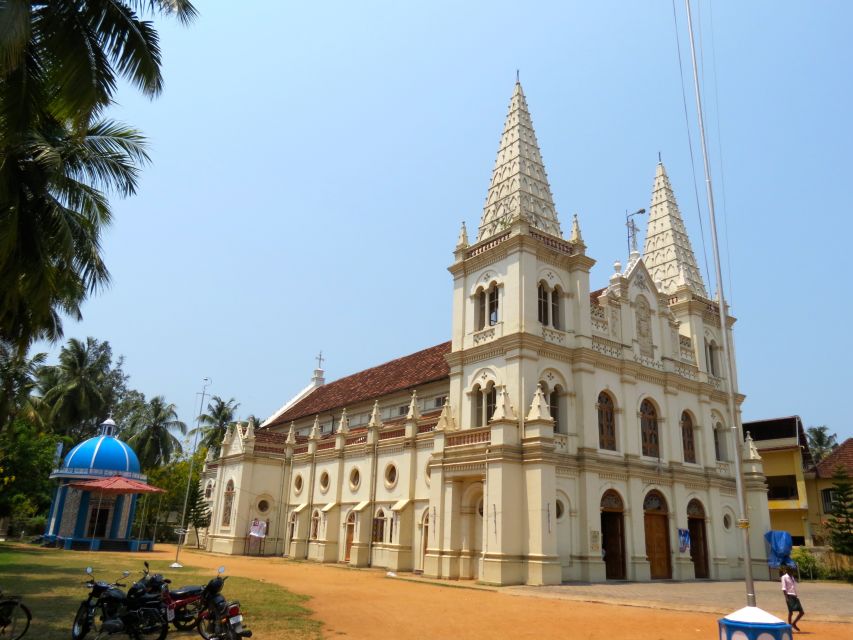
This tour is built for cruise timing. You’re picked up from Kochi Port Ships Berth, then transferred to Fort Kochi by air-conditioned vehicle. Plan to arrive about 10 minutes early at the meeting point; your guide will be holding a sign with the local partner’s name on it.
Once you’re moving, the pacing makes sense for a 4-hour stop. You’re not trying to cover every neighborhood in Kochi; you’re getting a focused route that hits major sights in a logical order. The walking is light, but it does exist, so bring comfortable shoes you’re willing to use on uneven streets.
This is also a practical choice if you don’t want to navigate public transport or negotiate taxi rides while your ship clock is ticking. The driver and guide support matters here, especially if your ship tend to arrive a little early or on time.
You can also read our reviews of more tours and experiences in Kochi.
Chinese Fishing Nets: Kublai Khan Nets Still Catching Fish
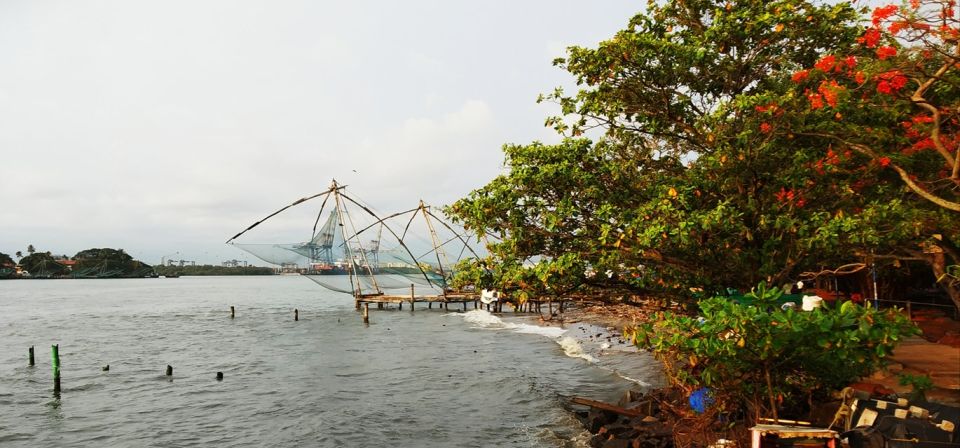
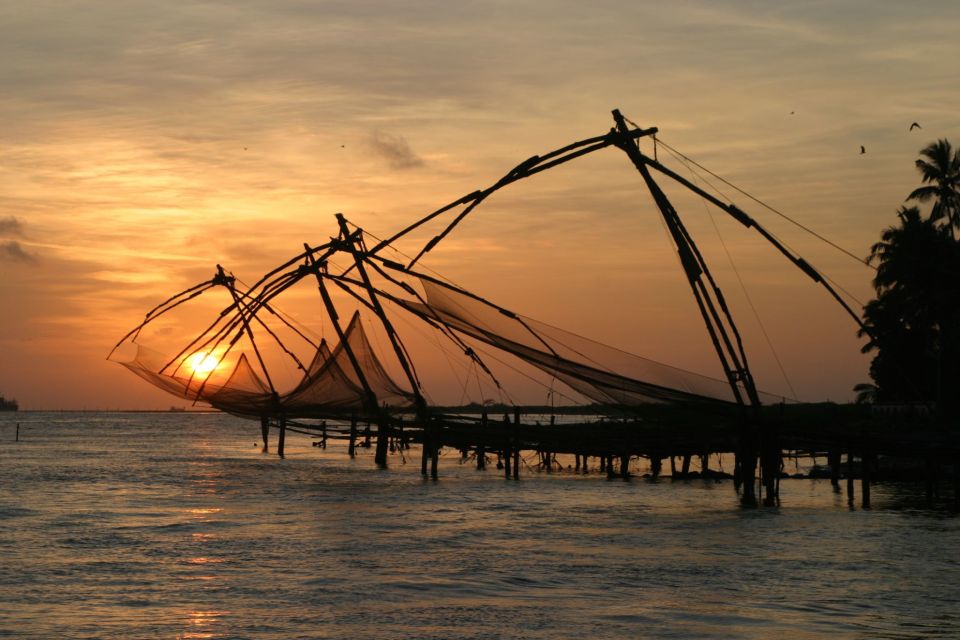
Your first major stop is the Chinese Fishing Nets, reached after a walk through the Fort Kochi area. These nets were introduced by traders connected to the court of Kublai Khan in the 14th century, and the important part is that they’re still used today by local fishermen to earn their livelihoods.
What you’ll actually see feels different from most “historic attraction” setups. This isn’t only about the story; it’s about the ongoing work happening right next to you. The fishermen selling fresh fish nearby also make the area feel alive rather than staged.
One thing to keep in mind: the walk to the nets can pass through parts of Kochi that look untidy and everyday. That’s not a problem—it’s the real texture of the city—but it’s a good reminder to keep expectations grounded. If you’re sensitive to clutter or smells, carry patience and focus on the nets and the water views once you arrive.
Best practical tip: plan your photos early, while the light and the action are at their strongest. After that, you’ll roll into churches and palaces, and your attention will shift indoors.
St. Francis Church and Santa Cruz Basilica: Portuguese Power, Local Detail
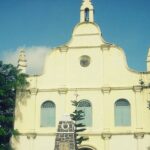
From the nets, the route moves into classic Fort Kochi architecture. First up is St. Francis Church, described as the oldest European church in India. It was constructed in 1503 by Portuguese friars, and it’s also the burial place of Vasco da Gama, the Portuguese explorer who led the first ships that sailed directly from Europe to India.
Even if you don’t read every plaque, you’ll feel why this site matters. It’s one of those places where global history lands in a specific, physical setting. Dress code applies here, so keep an eye on your outfit early—no shorts or sleeveless tops, and cover shoulders and knees.
Next is Santa Cruz Basilica, one of the largest and most impressive churches in India. It has two soaring spires and a bright, white-washed exterior. Inside, you’ll find walls covered with frescoes, murals, and large paintings that depict scenes from the life of Jesus Christ.
For me, Santa Cruz works because the building’s scale helps you understand the ambition. You’re not just looking at one icon; you’re walking through a full visual program of Christian imagery. If your guide is on a roll, you’ll likely get helpful context about how these Portuguese church influences show up across Kochi.
Practical note: go in with your camera ready but your focus sharper. Indoors, the best photos come from taking a few steps back and letting the full wall art come into view.
Dhobi Khanna (Local Laundry): Watch Daily Work, Not a Performance
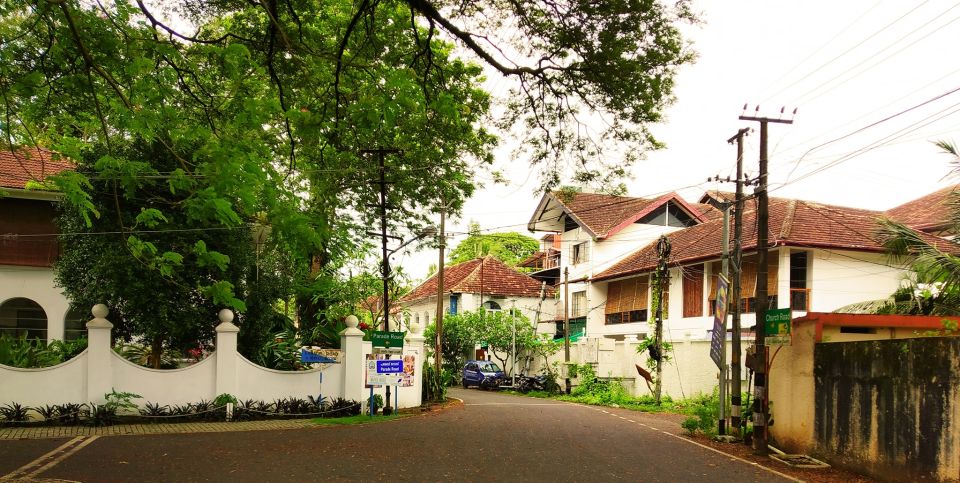
Between the big churches and the palace-and-synagogue segment, the tour stops at Dhobi Khanna, also described as a local laundry. This is your chance to see a slice of Kochi’s daily rhythm that has nothing to do with tourism.
The value here is simple: it resets your tour brain. After Portuguese churches and painted murals, seeing real work happening nearby gives you a fuller picture of what keeps the city functioning.
This stop is also a good reminder that your time is limited. You won’t have an hour to sit and watch the laundry process, but you’ll get enough to understand what’s going on and how locals use the space. If you’re taking photos, keep it respectful and avoid turning people into props.
Mattancherry Palace: Portuguese-Built, Hindu-Tale Murals
After the laundry stop, you head to Mattancherry Palace, which adds a different flavor to the story of Kochi. The palace was built by the Portuguese and presented to the Raja of Kochi in 1555. That blend—foreign builders paired with local storytelling—is part of what makes the palace special.
Inside, you’ll see stunning murals portraying scenes from Hindu tales like the Ramayana and Mahabharata. The murals aren’t decorative filler; they’re narrative. You’ll get more from the visit if you slow down long enough to recognize recurring characters and episode-style scenes.
Dress code rules apply in selected museums and worship spaces, so check yourself before entering. If you’re on the border with clothing, err on the covered side so entry doesn’t get awkward.
What to watch for: how the murals connect grand themes to local visual style. Even if your historical background is light, the imagery helps you read the building like a storybook.
Paradesi Synagogue and the Dutch Palace Area: Sacred Craft in Brass and Glass
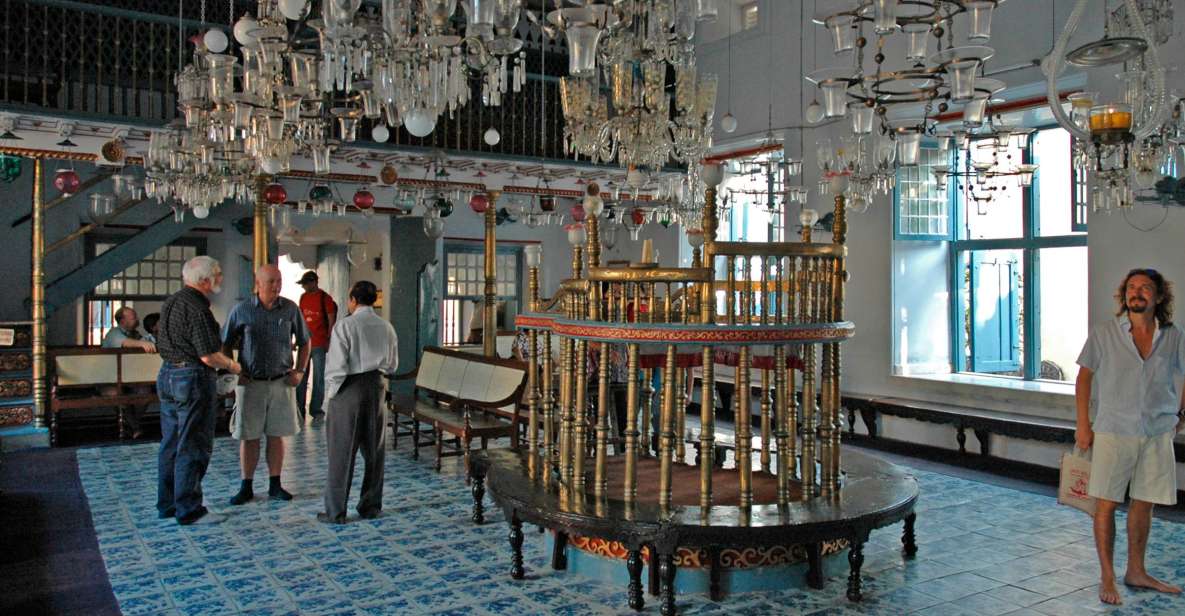
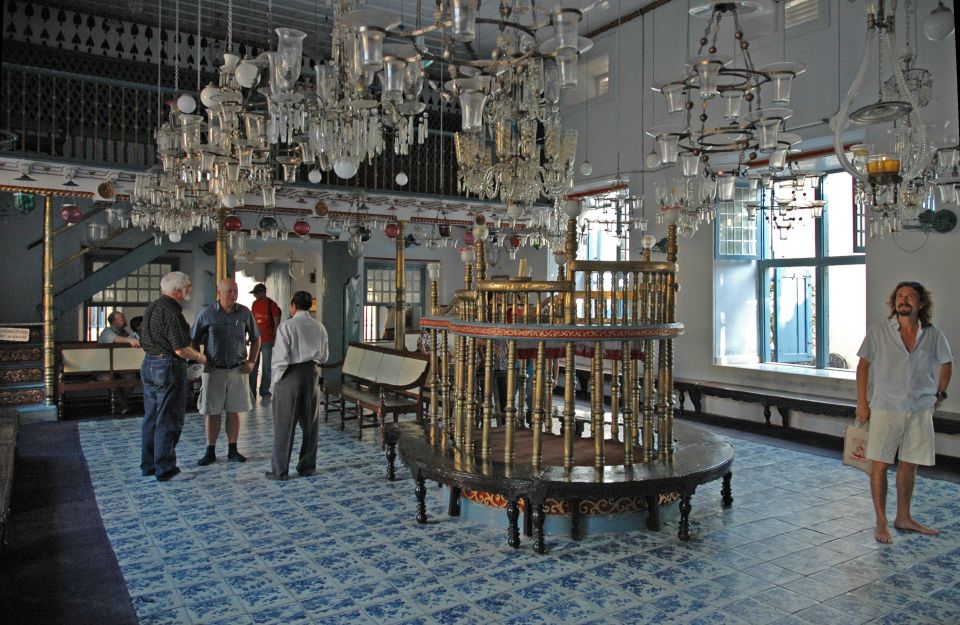
Next door energy kicks in with the Paradesi Synagogue, described as the oldest active synagogue in South India. When you step inside, the standout details are very specific and very beautiful: an ornate brass pulpit, a Belgian glass chandelier, and a floor with hand-painted Chinese porcelain tiles.
These details matter because they show how Kochi was a meeting point. This isn’t a single-style world; it’s a place where trade, migration, and faith intersect. The result is a synagogue that feels both historic and deeply personal.
There’s one scheduling warning you should treat seriously: the Jewish Synagogue / Dutch Palace is closed on Fridays, Saturdays, Jewish Holidays, and Jewish Passover days. If your cruise lands on one of those days, you might find the plan shifted or shortened around synagogue access.
If your visit lines up when it’s open, this stop is a standout moment. You’ll come away with a different kind of understanding than you get from churches and palaces—more about craft, community, and the building’s lived-in character.
Jew Town Spice Trade: Ginger, Cardamom, Turmeric, and Time to Browse
Toward the end, you’ll move into Jew Town and the surrounding synagogue area, where spice trading has long been part of the local economy. The tour notes the scent of ginger, cardamom, turmeric, and cloves, and you’ll likely feel it the moment you walk into the market lanes.
This segment is where you can shift from sightseeing to tasting the atmosphere. If your schedule allows, you can do some browsing and shopping for spices, handicrafts, and antiques, or grab a casual lunch. Lunch is not included, so you’ll be choosing it on your own time.
One caution from real port-day rhythm: Jew Town can be a little time-sensitive. If you’re the type who loves to browse slowly, build in patience and be ready to prioritize. Some people wish they had more time specifically here; if you know you’re a shopper, keep your decisions simple and don’t plan for a long browse session.
Good practical move: treat this as your last sensory stretch. You’ve already seen the big monuments; now you’re collecting smells, textures, and small items that feel like Kochi rather than just souvenirs.
Price and Logistics: Is $27 Worth a 4-Hour Kochi Snapshot?
At $27 per person for a 4-hour guided port tour, the value is in what you avoid: planning hassle, navigation stress, and the cost of arranging multiple rides across neighborhoods. You get port pickup and drop off, transport by air-conditioned vehicle, bottled water, and both a driver and local English-speaking guide.
What you don’t get is also clear: snacks, drinks, and lunch aren’t included. For most cruise passengers, that’s fine—you just budget a small amount for water refills beyond the bottled water and decide on lunch if you want it.
The other value piece is focus. In four hours, you’ll cover Portuguese religious sites, a Portuguese-built palace with Hindu epic murals, and a synagogue with standout material details. That’s a lot of “see it all” content for the time you have, and it’s usually the hardest thing to pull off on a cruise day without a plan.
One small pacing risk: if your group is delayed getting off the ship, it can push the schedule later. You’ll still try to see the key points, but you might have less breathing room for optional browsing. If you can, be ready at the meeting point on time and keep your group together.
Who Should Book This Tour (and Who Should Skip It)
This tour is a strong match if:
- You’re doing a cruise port stop and want a structured plan back to the ship.
- You want a balanced mix of working life (laundry and nets) plus major landmarks (churches, palace, synagogue).
- You like history explained clearly in plain language and you enjoy moving city blocks without wasting time.
It’s not a great fit if:
- You have mobility impairments, because the tour involves walking and isn’t listed as suitable for that.
- You’re very strict about fixed museum timing, since synagogue access depends on the day (closed on certain days).
If you can handle a dress code for worship and museum spaces, you’re in good shape. Having shoulders and knees covered matters, and it’s easier to comply than to risk entry refusal.
Should You Book This Cochin Port Group Tour?
If your Kochi time is short, I’d say yes, especially if you want a concentrated route that hits big sights without drowning in logistics. The tour’s biggest strengths are the combination of living elements (fishing nets, laundry stop) with major heritage sites (St. Francis Church, Santa Cruz Basilica, Mattancherry Palace, Paradesi Synagogue). At this price, the guided structure and port transfers are where your money turns into saved time.
You might think twice only if you’re landing on a day when the Jewish sites are closed, or if you know you need extra time for slow shopping in Jew Town. If you’re flexible and ready to dress appropriately, this is an efficient way to experience Fort Kochi and Mattancherry in one go.
FAQ
Where is the meeting point for this tour?
You’re picked up from Kochi Port Ships Berth. The exact meeting point can vary by option booked, and your guide will be waiting holding a sign with the local partner’s name on it.
How long does the tour last?
The tour lasts 4 hours.
What’s included in the price?
Included are port pickup and drop off, bottled water, a driver and guide, a local English-speaking guide, and transport by air-conditioned vehicle.
What should I wear for the church and synagogue stops?
There’s a dress code in places of worship and selected museums: no shorts or sleeveless tops, and both men and women must have knees and shoulders covered.
Are the Jewish synagogue and Dutch Palace open every day?
No. The Jewish Synagogue/Dutch Palace is closed on Fridays, Saturdays, Jewish Holidays, and Jewish Passover days.
Is lunch included?
No. Snacks and drinks aren’t included, and lunch isn’t included either (you may have a chance for a casual lunch if your schedule allows).