REVIEW · NEW DELHI
Delhi Like a Local: Food & Photography Full Day Tour
Book on GetYourGuide →Operated by Explore Routes · Bookable on GetYourGuide
Delhi can feel overwhelming fast. This tour cuts through the noise with a smart mix of street food and photo practice that keeps you moving with a local like Faizy. I love that it sticks to pure food and culture with no random shopping stops, and I also like the way you get photo guidance while walking through real backstreets. One thing to consider: the day is active and you’ll need full-length clothing for religious stops, plus the tour is not suitable for people with mobility impairments.
What makes this experience work is the pacing. In about 6.5 hours, you cover Old and New Delhi highlights, ride in tuk-tuks, and even take the Delhi Metro once, so you’re not just stuck in one neighborhood. You’ll start at Lal Qila and end near Lodhi Road, which is handy if you plan the rest of your trip around the southern New Delhi area.
In This Review
- Key things I’d plan around
- Meeting at Lal Qila Metro Gate: how the day gets moving
- Sunrise temple energy and a rickshaw ride into Old Delhi
- Chandni Chowk on foot: the street-market rhythm you can photograph
- The Old Delhi classics: Jama Masjid and side-street context
- Khari Baoli: spice-market tasting and photo tips in the same breath
- Tuk-tuk and Delhi Metro: switching gears without losing the plot
- Bangla Sahib’s Gurudwara: Sikh serenity and a kitchen that feeds thousands
- New Delhi sights with photo-ready stops: Lutyens zone and Raisina Hill views
- Golden hour at Lodhi Gardens: your camera’s payoff
- Lunch timing and the 6.5-hour reality check
- Price ($71) and what you’re really paying for
- Who should book this Delhi Like a Local tour?
- Should you book it? My take
- FAQ
- What’s the duration of the Delhi Like a Local: Food & Photography Full Day Tour?
- Where do I meet the guide?
- How much does the tour cost?
- Is lunch included?
- What’s included in the tour price?
- Are there any shopping stops on this tour?
- What languages is the guide available in?
- What should I wear or bring for religious places?
- Is the tour suitable for people with mobility impairments?
- Is hotel pickup and drop-off included?
Key things I’d plan around
- Small group of up to 6 means you actually get attention and photo help.
- No shopping traps: it’s built around food tastings, streets, and heritage stops.
- Khari Baoli (Asia’s oldest spice market) is a sensory photo and snack stop you can’t fake.
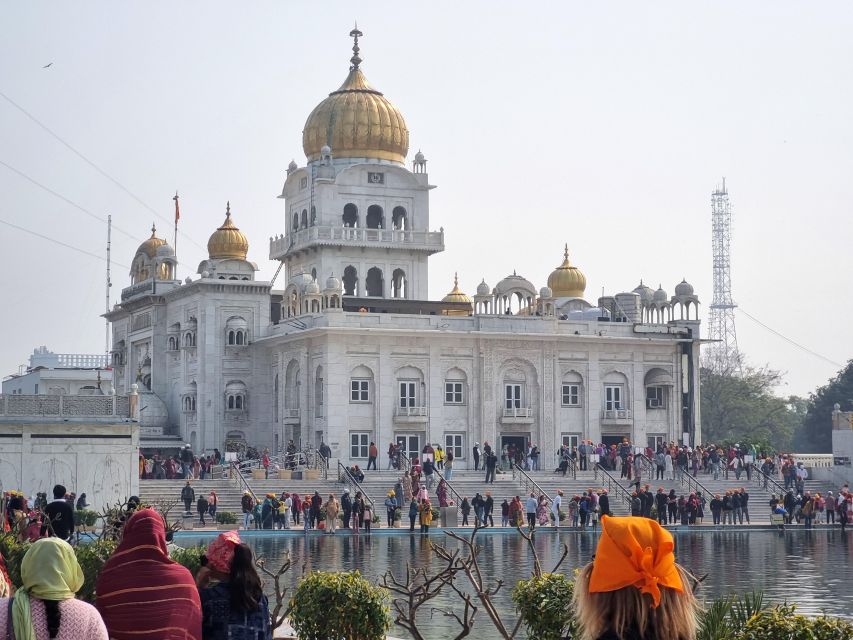
- Community kitchen visits where up to 50,000 people a day are served at Bangla Sahib.
- Old-and-New Delhi in one day: Chandni Chowk to Lodi Gardens, with tuk-tuk and Metro breaks.
- Temple-to-market start helps you catch Delhi in motion before it gets too hot and crowded.
Meeting at Lal Qila Metro Gate: how the day gets moving
You start at Gate No. 1, Lal Qila Metro Station. That’s a good move for two reasons: you don’t waste time waiting for hotel pickup, and you can shape your morning transit plan around the Metro. If you’re staying near Central Delhi, you’ll likely find this start point easier than reaching a far-off meeting location.
The guide will be an English speaking storyteller (German is also available), and the tour is limited to 6 participants. Small group size matters in Delhi. It keeps you from getting separated in crowds and makes it easier to do close-up street photography without feeling rushed.
A practical note: you’ll be walking a lot and entering religious places. Wear comfortable shoes and full-length clothing. Shorts, short skirts, sleeveless shirts, and large bags aren’t allowed—so pack lighter than you think you’ll need.
You can also read our reviews of more food & drink experiences in New Delhi
Sunrise temple energy and a rickshaw ride into Old Delhi
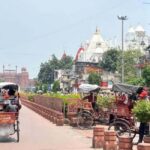
The day begins with a temple sunrise visit, then you hop on a rickshaw ride into Old Delhi’s colorful chaos. Sunrise sets the tone. Old Delhi is loud and crowded in the middle of the day, but early you get more movement and less shoulder-to-shoulder friction.
You’ll use this time to get your bearings, which is half the battle in Delhi. A good guide doesn’t just show landmarks; they teach you how to navigate. Expect your route to thread through busy lanes where street scenes change every few steps.
This part is also great if you like photography but hate standing still. The rickshaw moment gives you motion and angles, then the walking starts building a visual story: textures, faces, signage, and that everyday street flow you don’t get from big bus tours.
Chandni Chowk on foot: the street-market rhythm you can photograph
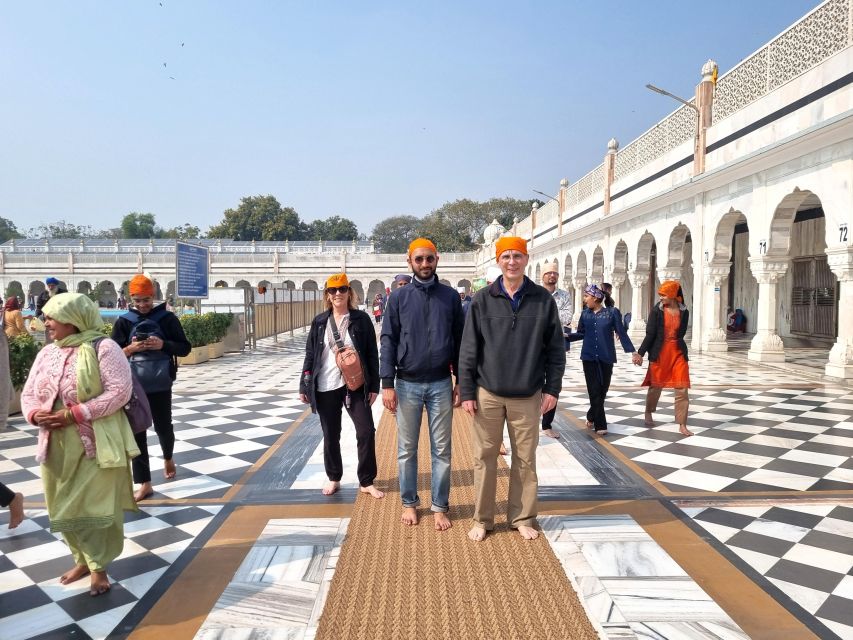
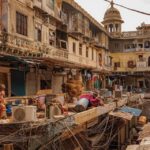
Next comes Chandni Chowk, with a guided walk and sightseeing focus. This is the part of Delhi where you feel the city’s scale. Narrow streets, food smells, shopfronts, and people moving in all directions—yes, it’s intense. But it’s also exactly what makes the tour feel real.
I like this stop because you’re not just looking at a market. You’re learning how to read it: where light hits the pavement, where you can pause for a photo without blocking others, and how to frame everyday life instead of hunting for perfect monuments.
A drawback worth noting: Chandni Chowk can be crowded, so if you’re sensitive to noise or tight spaces, this won’t be a quiet stroll. Bring patience and keep your pace steady. The guide’s job is to keep you safe and moving.
The Old Delhi classics: Jama Masjid and side-street context
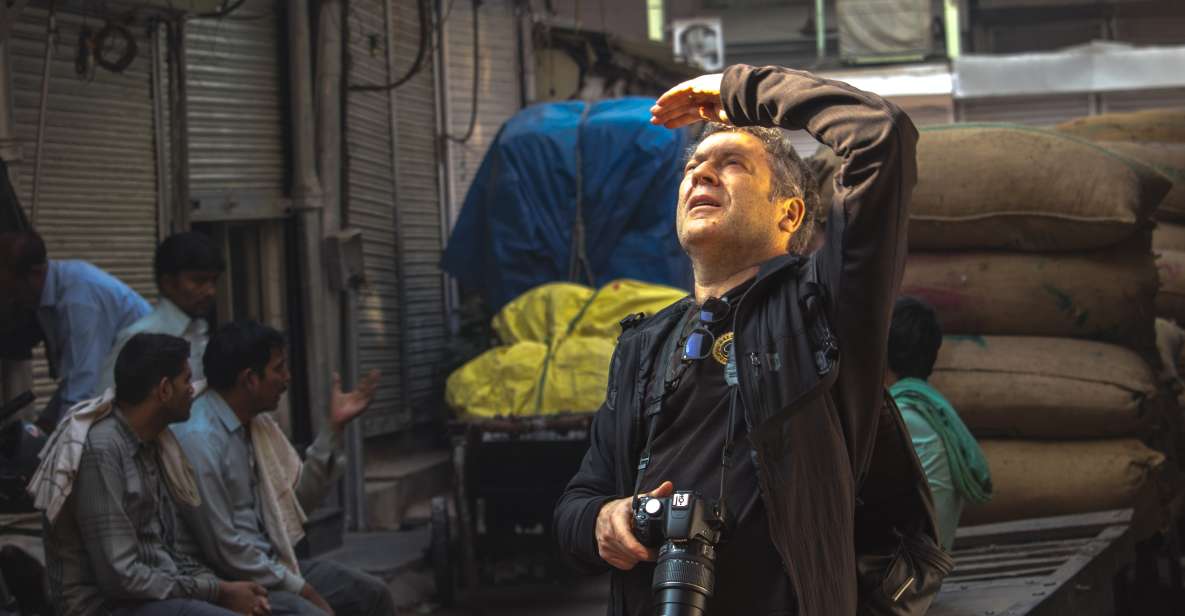
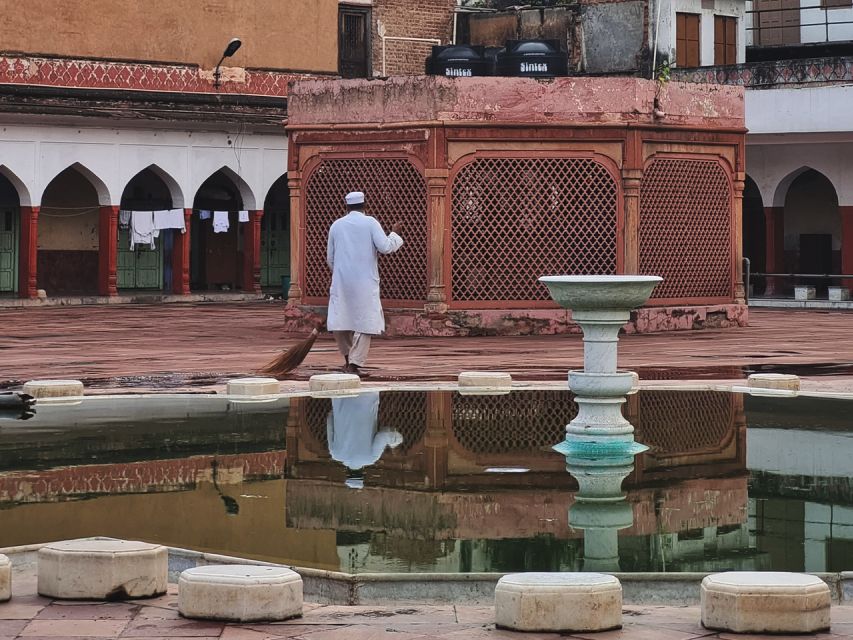
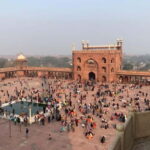
You’ll then head toward Old Delhi’s major sights, including Jama Masjid. The plan includes guided time and a walk, but what matters more than minutes on a schedule is how the guide explains what you’re seeing. Old Delhi landmarks make more sense when you understand the surrounding street logic—markets, routes, and religious life interwoven.
Jama Masjid is an iconic stop. But on this tour, you don’t only get the postcard viewpoint. You also get a sense of how the neighborhood works in real time: people arriving, conversations, and the way the area’s energy shifts as you move.
For photography, this is useful. Mosques and courtyards give you architectural lines and crowds at different distances. You can shoot wider for scale, then step in for details like feet, patterns, and textures. The guide’s photo coaching helps you avoid the common mistake of taking only wide shots.
Khari Baoli: spice-market tasting and photo tips in the same breath
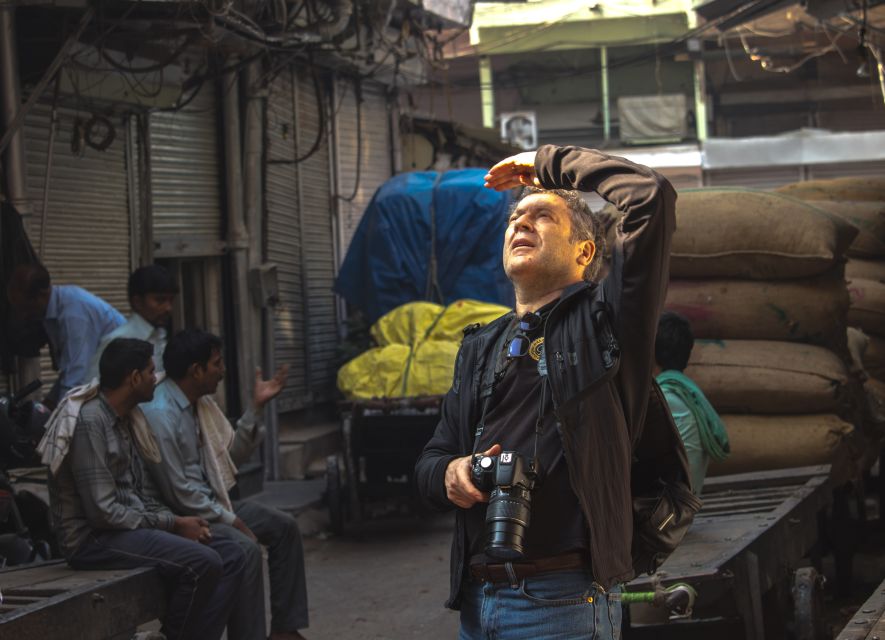
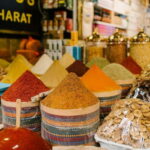
Then you reach Khari Baoli, known as Asia’s oldest spice market. This is one of the most praised moments of the day for a reason. It’s loud, aromatic, and visually packed. And because it’s also tied to food tasting and market time, it’s not just sightseeing.
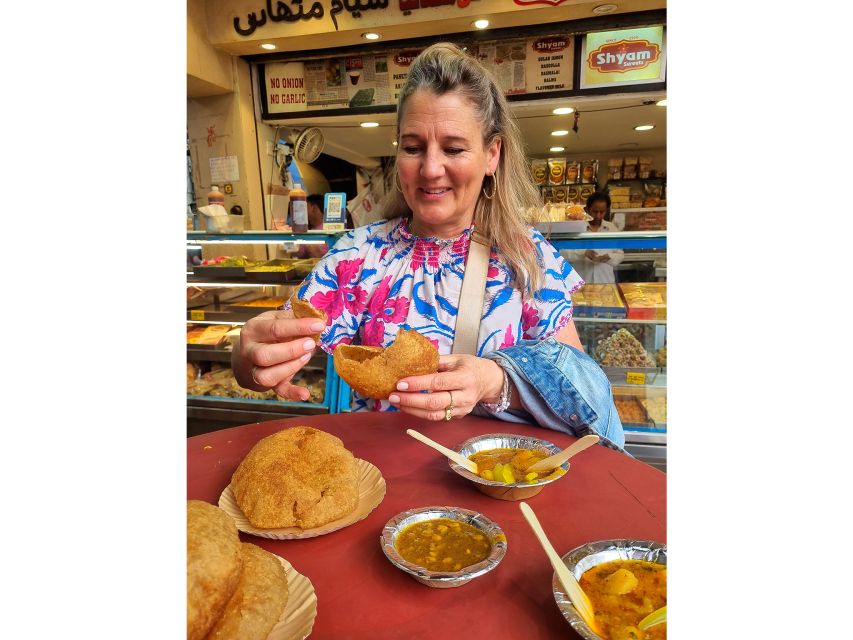
You’ll get a focused window to photograph street life and hidden-feeling alleys, and you’ll also be tasting what makes the neighborhood famous. Think spices, snacks, and the kind of flavors that feel instantly Delhi once they hit your tongue.
One practical consideration: spice markets can be overwhelming, especially if you’re not used to strong smells and busy crowds. Keep your camera strap tight, move when the group moves, and let the guide handle the safest path through tighter areas. Your photos will improve because you’ll feel more confident.
You can also read our reviews of more tours and experiences in New Delhi
Tuk-tuk and Delhi Metro: switching gears without losing the plot
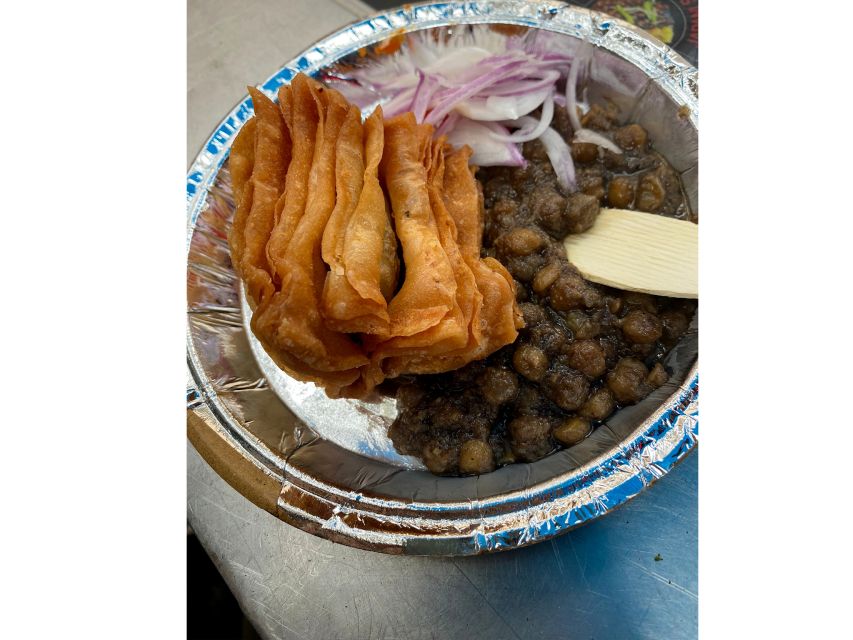
This tour isn’t only about walking. You also take tuk-tuk rides and include one Delhi Metro ride. Those short transport moments do real work. They break up the walking load and they also change how you see the city—suddenly you’re traveling across lanes and under Metro rhythm, not just inside dense old-street patterns.
The Metro stop is short (about 20 minutes on the plan), but it’s meaningful for two reasons. First, it makes the “like a local” promise feel practical. Second, it gives you a quick reset so you don’t burn out before the New Delhi sights.
The tuk-tuk rides add that Delhi flavor—fast, slightly chaotic, and perfect for street-energy photos. Just remember: on moving rides, you need patience and a steady hand. The guide can suggest when to shoot and when to keep it simple.
Bangla Sahib’s Gurudwara: Sikh serenity and a kitchen that feeds thousands
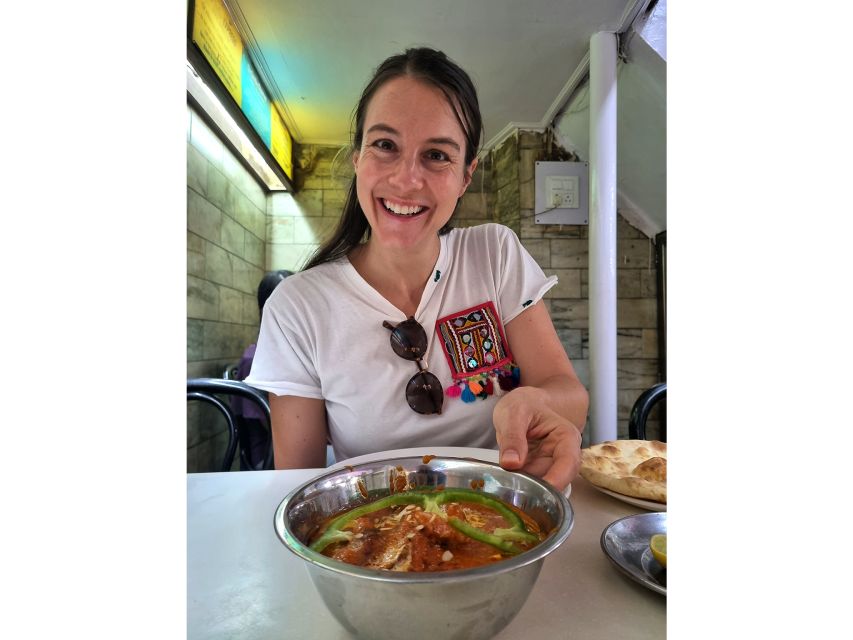
Next is Gurudwara Bangla Sahib, with guided time. If you want a contrast after Old Delhi noise, this stop delivers. The atmosphere is calm, and the hospitality is real—not staged.
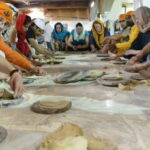
The tour highlights the community kitchen here. You’ll learn about how it serves up to 50,000 people each day, and the broader concept is compassion in action across the city. There’s also mention of a community kitchen feeding 100,000 lives daily, which gives perspective on the scale of service.
This stop is valuable beyond the landmark itself. It helps you understand Delhi as a living city where faith and everyday needs are tied together. It also changes your mood. You’ll likely notice people sitting, chatting, and eating calmly after being in markets minutes earlier.
Because this is a religious site, dress rules matter. Full-length clothing is important, and you’ll want to be comfortable in that heat and movement. If you follow the rules, you’ll feel smoother entering and staying.
New Delhi sights with photo-ready stops: Lutyens zone and Raisina Hill views
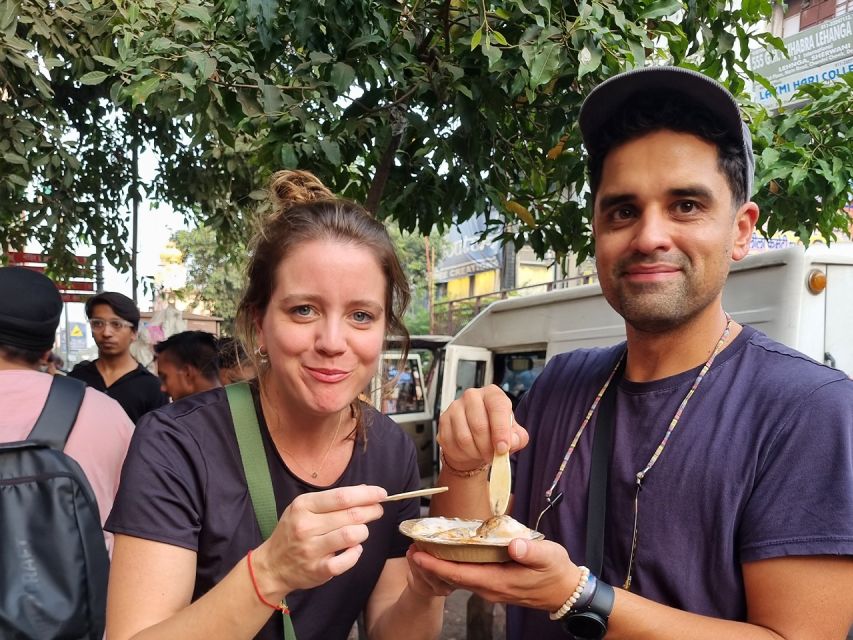
After the Old Delhi segment, the day shifts into New Delhi with stops connected to colonial-era architecture. The plan mentions Lutyens’ Zone and views from Raisina Hill. This is a helpful pivot if you want the “Old vs New” story in one day without planning separate trips.
Lutyens’ architecture gives you clean geometry—great for photos where you want straight lines and big sky. Raisina Hill adds viewpoints, so you can shoot over rooftops and street grids rather than only tight lanes.
The key here is not chasing every angle. Instead, use the guide’s timing and suggestions. When you’re moving as a group, the best shots are often the ones you can make quickly and respectfully, not the ones you chase endlessly.
Golden hour at Lodhi Gardens: your camera’s payoff
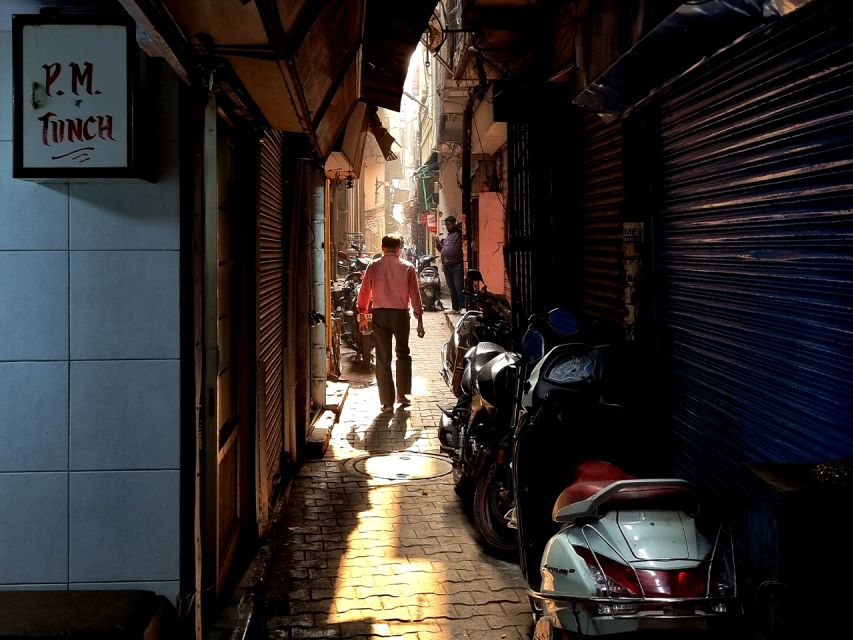
Your last big photo-friendly moment is Lodi Gardens in the golden light of sunset. Lodhi Gardens is the kind of place where you can slow down. After the market noise, you can actually breathe.
This is where your day’s photos start making sense as a set. Early shots show movement and faces. Midday photos show streets and signage. Late photos at Lodhi Gardens add softness—trees, pathways, and warm light on stone.
If you’re serious about photography, this is also a good time to review your settings. You’re going from bright, high-contrast street scenes to softer evening light, so it’s smart to adjust before the best moments pass.
Lunch timing and the 6.5-hour reality check
New Delhi lunch is included only if you select that option. Either way, plan for a full day of eating and walking. Food tastings earlier in the day can be substantial, and markets can keep you “half-hungry” until the final meal.
At around 45 minutes for lunch time on the plan, you’ll want to eat efficiently and conserve energy. This isn’t a sit-down fine dining experience described here; it’s part of a street-and-sight mix.
The bigger “reality check” is stamina. You’re in for roughly 6.5 hours of active touring, plus religious sites and crowded areas. If you expect a relaxed pace with lots of free time, this tour may feel tight.
Price ($71) and what you’re really paying for
At $71 per person for about 6.5 hours, the price is fair when you look at the inputs. You’re paying for a small-group guide, multiple paid elements (entrances where needed), food tastings, and transport inclusions like the tuk-tuk ride and one Delhi Metro ride.
What makes the value stronger is the structure. The tour explicitly avoids random shopping detours, so your time doesn’t leak into commission-based stops. Instead, it spends your day where the city’s personality lives: food markets, religious community life, and photo-rich landmarks.
Is it cheap? Not compared to DIY walking. But in Delhi, DIY often means getting lost, missing food that’s safe and worth it, and spending hours untangling transit. For a one-day “I want the real Delhi” plan, the price-to-time ratio works.
Who should book this Delhi Like a Local tour?
This is a great fit if you want:
- A food-first day with street tastings that feel guided and safe
- Photo help that focuses on street life and hidden lanes, not only monuments
- A manageable route that blends Old Delhi and New Delhi
It’s especially strong if you’re a solo traveler who values guidance. The day also works well for families, since the pacing and variety can keep kids interested—provided everyone can handle walking and clothing rules.
Skip it if:
- You need mobility accessibility support (it’s not suitable for people with mobility impairments)
- You hate crowds or tight lanes
- You’re not willing to follow religious dress guidance (full length clothing is required)
Should you book it? My take
If you want Delhi in one day without fake shopping stops, I’d book it. The best reason is the combination: you get food tastings, street scenes for photography, and serious culture stops like Gurudwara Bangla Sahib—all with a local guide such as Faizy who helps you feel safe and confident while moving through busy areas.
The only reason to hesitate is pace and rules. This is a walking-heavy day with religious-site expectations and no shortcuts. If you’re ready for that, you’ll come away with photos that actually tell a story and flavors that feel unmistakably Delhi.
FAQ
What’s the duration of the Delhi Like a Local: Food & Photography Full Day Tour?
The tour runs for about 6.5 hours.
Where do I meet the guide?
Meet your guide at Gate No. 1, Lal Qila Metro Station.
How much does the tour cost?
The price is $71 per person.
Is lunch included?
Lunch is included only if you select the lunch option.
What’s included in the tour price?
It includes an English speaking storyteller guide, food tastings, entrances, tuk-tuk ride(s), 1 Delhi Metro ride, and lunch if you choose the lunch option.
Are there any shopping stops on this tour?
No random shopping visits are included. The focus is culinary and culture.
What languages is the guide available in?
The tour offers German and English.
What should I wear or bring for religious places?
Bring passport or an ID card and wear comfortable shoes and full-length clothing. Shorts, short skirts, and sleeveless shirts are not allowed.
Is the tour suitable for people with mobility impairments?
No, it is not suitable for people with mobility impairments.
Is hotel pickup and drop-off included?
No, hotel pickup and drop-off are not included.