REVIEW · NEW DELHI
Delhi Highlights: Private Old & New Delhi with Fee Options
Book on GetYourGuide →Operated by Go City Adventures · Bookable on GetYourGuide
Old Delhi can feel like a movie set. This tour keeps it moving, with a private guide and a smart route that ties together the city’s old streets and big-name Mughal and modern sights. I especially like the Old Delhi walk plus rickshaw ride, because it is the easiest way to get your bearings fast without getting lost or stuck. I also like how the plan mixes major monuments with quick drives so you still cover a lot in one day. The one catch to plan for is that entrance fees may add up depending on which option you choose for tickets, and some parts are exterior-only.
You’ll start with hotel pickup, ride in an air-conditioned vehicle (with WiFi), and get a private English-speaking local guide. After exploring Old Delhi’s big landmarks on foot, you move into New Delhi for Humayun’s Tomb, photo stops around India Gate and Parliament House, then Qutub Minar and finish at the Lotus Temple. If you’re hoping for a fully hands-on inside-everywhere day, you might find the Red Fort exterior focus a bit limiting, but the architecture views are still memorable.
In This Review
- Key highlights to know before you go
- Old and New Delhi in one day: the route logic that works
- Entering Old Delhi at Jama Masjid: big architecture, tight streets
- Spice Market by rickshaw: where shopping makes sense and walking stays doable
- Red Fort exterior views: architecture first, inside access limited
- Lunch reset between neighborhoods: don’t skip the break
- Humayun’s Tomb to India Gate: Mughal scale and big-photo landmarks
- Qutub Minar and the Qutb complex: one minaret, many layers
- Lotus Temple to end the day: calm architecture after the crowds
- Price and value: where $20 works, and where extra fees can appear
- Guide quality makes a difference: flexibility is a real asset
- Who should book this tour, and who might not love it
- Should you book this Delhi Old and New highlights tour?
- FAQ
- What sites are included in the tour?
- Is this a private tour or a group tour?
- Do I ride a rickshaw during the tour?
- Are entrance tickets included?
- What should I wear for temples and places of worship?
- Are meals included?
- What transport is included?
- Can I pay later or cancel?
- What language is the guide?
Key highlights to know before you go
- Jama Masjid photo moments: red sandstone and white marble minarets, plus a guide-led walk through Old Delhi streets
- Rickshaw + Spice Market: a classic Delhi combo that adds smell, color, and shopping time
- Red Fort from the outside: you get the best exterior views even though a large part is used by the Indian Army
- Humayun’s Tomb and Mughal-era vibe: a major New Delhi stop early in the second half of the day
- Qutub Minar and the UNESCO area: see the minaret as part of the larger Qutb complex
- Lotus Temple closing stop: a calm, modern-feeling finish to balance the older neighborhoods
Old and New Delhi in one day: the route logic that works
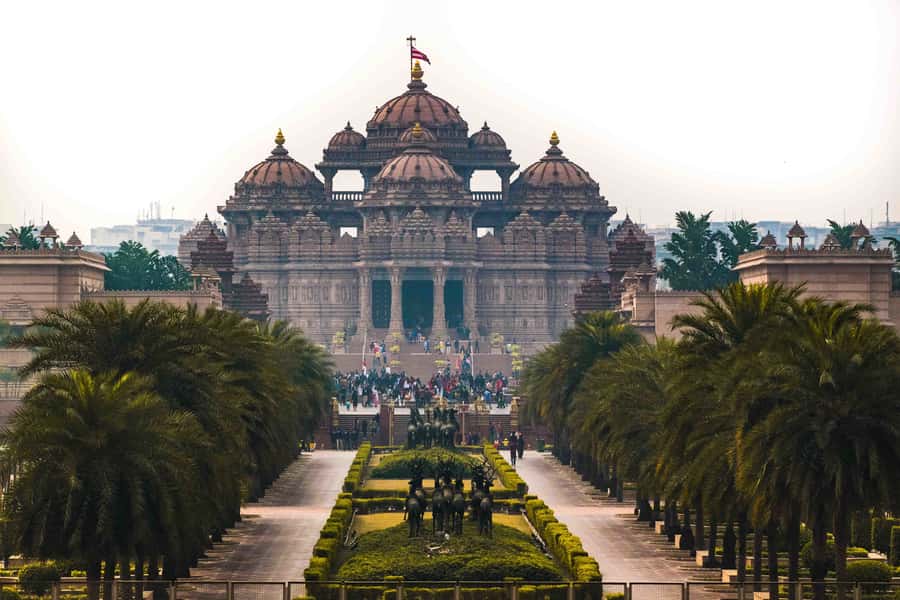
This tour is built like a one-day cheat code for first-timers. Old Delhi gets you the sensory stuff right away: big mosque views, tight lanes, and that unmistakable Spice Market energy. Then New Delhi changes pace. You go from street-level chaos to spaced-out monuments and photo stops that feel more like wide postcards.
The best part is that you are not guessing. A private guide handles the why behind each site, so you spend less time trying to connect the dots and more time absorbing what you are seeing. If you like structure but hate rigid pacing, this one hits a sweet spot.
You’ll also appreciate the practical setup: hotel pickup and drop-off, an air-conditioned car with WiFi, and a vehicle that keeps you from burning daylight in traffic. Delhi traffic can be unpredictable, so having that built-in travel time buffer matters.
You can also read our reviews of more private tours in New Delhi



Entering Old Delhi at Jama Masjid: big architecture, tight streets
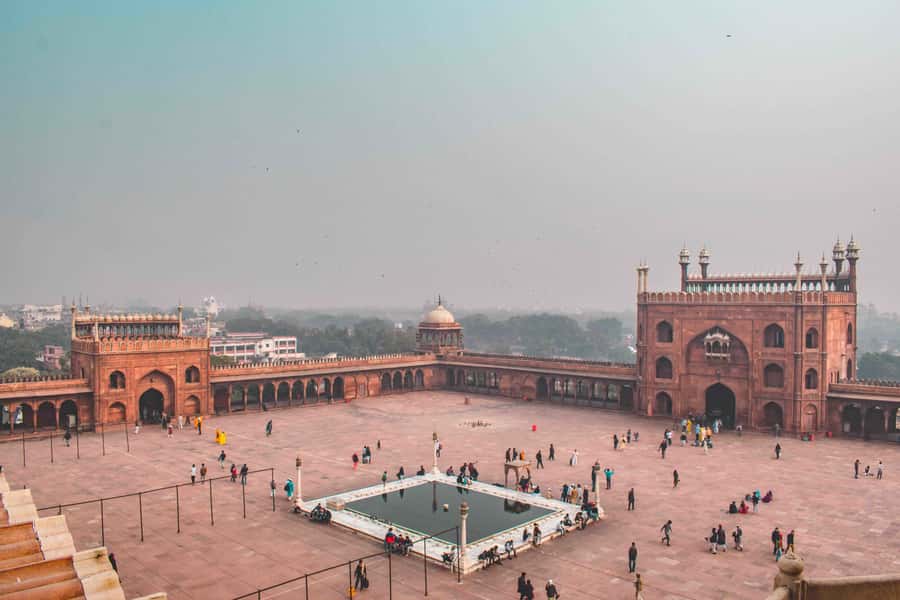
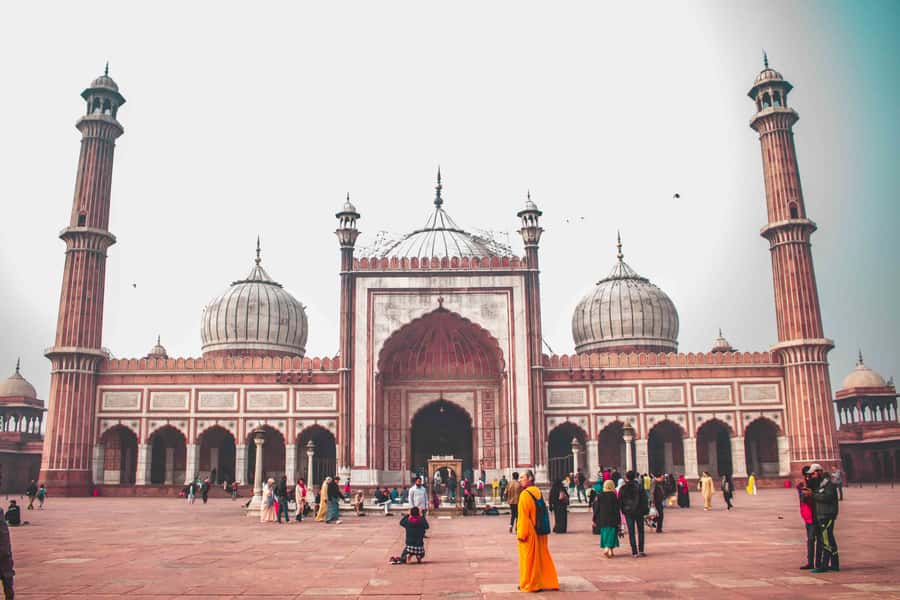
Your day starts with a drive through Old Delhi to the Jama Masjid. This is India’s biggest mosque, and the setting is part of the effect. Expect grand scale, strong symmetry, and those famous red sandstone and white marble minarets that photograph well from multiple angles.
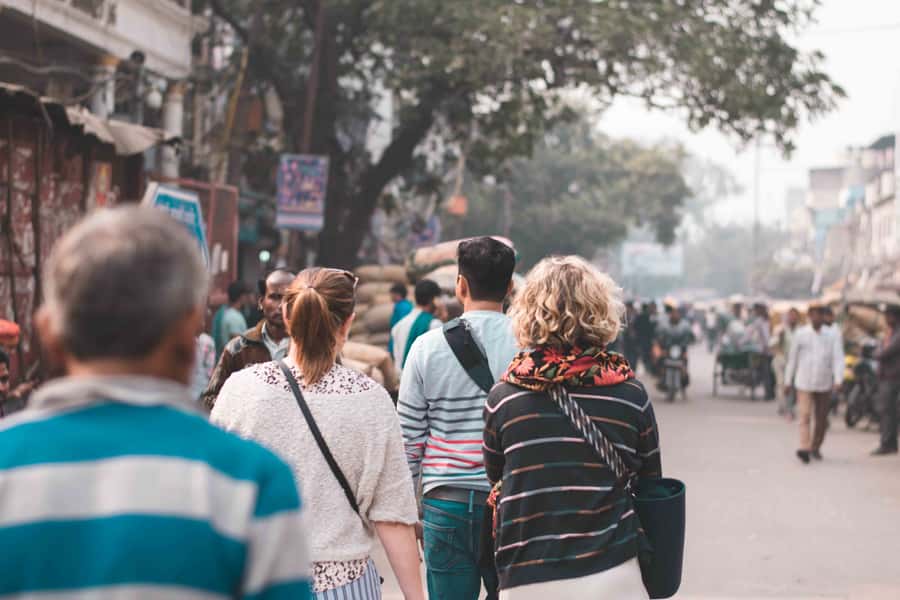
Then comes the part that makes Old Delhi feel real: you continue on foot with your local guide through the narrow streets. You get quick context as you walk, which is important here. Old Delhi can look like a jumble until someone points out what you are looking at, why certain buildings matter, and how daily life shapes the neighborhood.
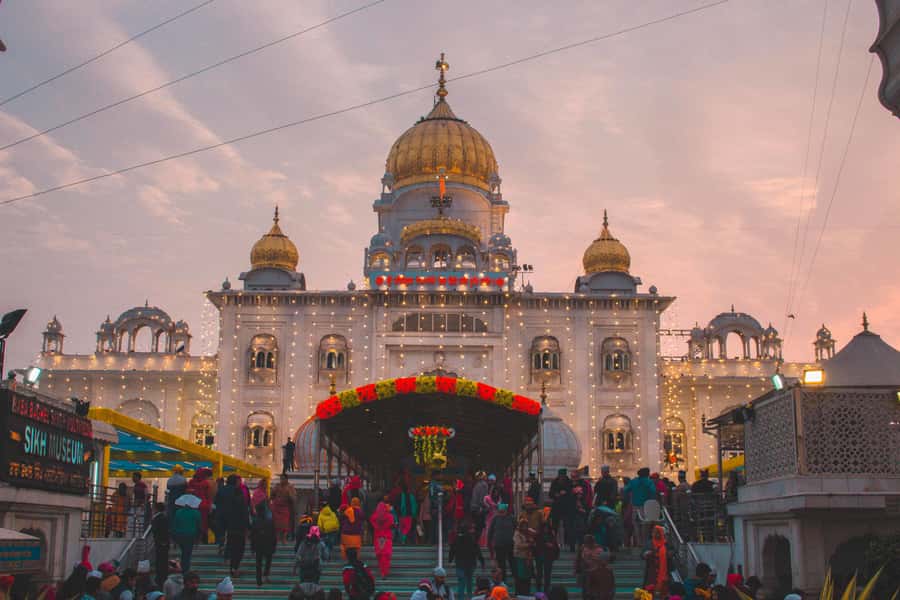
Practical tip: plan to remove shoes and cover knees and shoulders at places of worship. It is stated up front for a reason. Even if you are prepared, it is still a small hassle, so loose clothing and slip-on footwear can save you time.
Spice Market by rickshaw: where shopping makes sense and walking stays doable
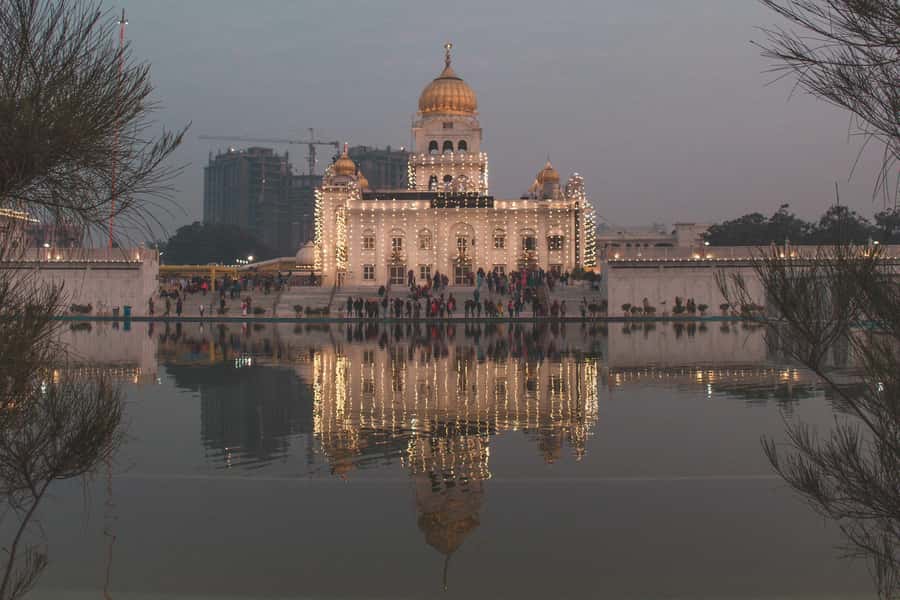
After the mosque area, you take a rickshaw ride to the Spice Market. This is the kind of move that keeps the day from turning into one long slog. The rickshaw also gives you a “look around” moment while still being efficient.
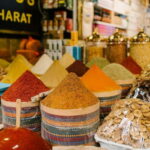
At the market, the idea is simple: you see one of India’s biggest spice hubs, then you have time to experience it at close range. You’ll likely notice stalls packed with spices in different colors and textures, and you can buy what you came for. Even if you do not plan to shop heavily, it is worth lingering. The smell alone is memorable, and you’ll understand why Delhi cuisines use spices so boldly.
A small caution: markets are busy and sensory overload happens fast. Keep your phone secure, wear something comfortable for standing, and don’t treat it like a museum. This is street commerce, not a slow stroll.
Red Fort exterior views: architecture first, inside access limited
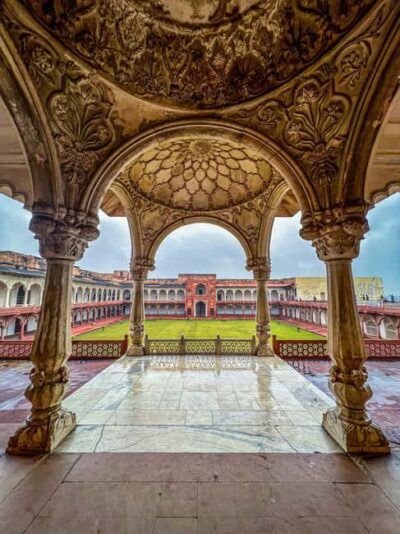
Red Fort is a highlight for obvious reasons, even when you are not going inside. The plan focuses on the exterior, and there is a reason for that: about 70% of the building is occupied by the Indian Army. So instead of walking through interior spaces, you get the best approach for exterior admiration and photos.
This is still worth doing. Red Fort’s strength is its massing, walls, and overall layout. From the outside, you can appreciate how the fort reads as a designed power statement. It also fits well after Old Delhi walking, because the viewing time feels more relaxed.
The drawback is also clear: if you were hoping for full interior coverage, this is not that kind of stop. Consider this a “see the landmark properly, not squeeze everything” moment.
Lunch reset between neighborhoods: don’t skip the break
Midday, you get a lunch break before shifting to New Delhi. Meals and drinks are not included, so you’ll want to treat lunch as part of your own planning. The good news is that the tour’s timing gives you a real pause instead of forcing you to eat while rushing.
This reset is more important in Delhi than you might expect. Heat, walking, and crowds can add up. A pause gives you time to cool down, regroup, and make the afternoon more enjoyable instead of just surviving it.
If you’re sensitive to strong spice or unsure about menus, use the lunch time to pick something straightforward for your stomach. You are still going to be out and about afterward.




Humayun’s Tomb to India Gate: Mughal scale and big-photo landmarks
In New Delhi, you start with Humayun’s Tomb, the final resting place of Mughal Emperor Humayun. This monument is known for its classic Mughal design language and its sense of symmetry and grandeur. It is one of those places where the architecture does the storytelling for you.
After Humayun’s Tomb, you drive past India Gate. Your guide gives historical context as you photograph it from the road. This is a good style of stop if you want the landmark without turning it into a long detour. India Gate is one of those Delhi anchors, and getting it in the afternoon helps break up the monument rhythm.
Then you drive past Parliament House. You can take pictures of it as you pass. The key here is that you’re not locked into a long walk to see it. You get to keep moving while still ticking the major New Delhi “must-sees.”
Qutub Minar and the Qutb complex: one minaret, many layers
Your next monument is Qutub Minar, located in the Mehrauli area, as part of the Qutb complex. This is a UNESCO World Heritage Site, and it shows in how the minaret fits into the broader setting of historic structures.
Qutub Minar itself is striking. The height and shape make it easy to spot from a distance, and being in the complex helps you understand it as part of a bigger story, not just a single photo spot.
The best way to enjoy this stop is to slow down a bit. Look at the structure from different angles, take the photos you want, and let the site breathe. It is one of those places where you can get a lot out of a modest time investment.
Lotus Temple to end the day: calm architecture after the crowds
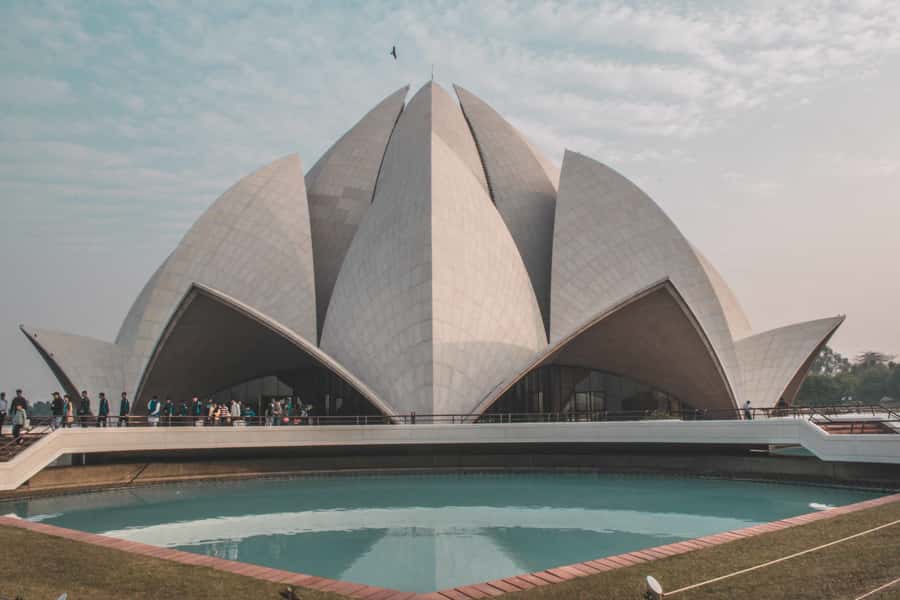
To close the tour, you visit the Lotus Temple. It has that distinct flower-like design, and it functions as a Bahá’í House of Worship, consecrated in December 1986. Even if you know nothing about the Bahá’í faith, the architecture makes sense instantly. It feels modern, orderly, and different from the stone-heavy older sites earlier in the day.
Ending here works. After Old Delhi’s bustle and the big Mughal landmarks, Lotus Temple gives you a quieter finish. It is also a good “reset” stop for photos, because the setting tends to feel cleaner and less crowded than the older streets.
Price and value: where $20 works, and where extra fees can appear
The price starts around $20 per person, and that is what makes the tour feel like a bargain—especially because it is private and includes a private English-speaking local guide, air-conditioned transport with WiFi, hotel pickup and drop-off, a rickshaw ride, and an option for entry tickets.
But here is the practical part: entrance fees can be an annoyance if you are expecting everything to be fully covered. The tour notes that entry tickets are included only when you choose the option. So you may see additional costs for certain monuments depending on what’s selected.
My advice: treat the listed price as a baseline and plan for possible entrance charges. If you want the simplest, least stressful day, choose the option that bundles entry tickets where available. If you want flexibility, be ready to pay on-site for specific places.
Also remember: meals and drinks are not included. That means you should budget separately for lunch.
Guide quality makes a difference: flexibility is a real asset
One of the strongest benefits of this tour is the way the guide can adapt. In at least one case, a guide named Sumit was able to change the itinerary when the group was too tired to do the full plan. That’s exactly the kind of flexibility that makes a day tour feel humane.
A private guide also means you get explanations that fit your pace. If you want more context at Jama Masjid, you’ll get it. If you’d rather move quickly at photo stops like India Gate, you can do that too.
In short: with a private setup, you’re not stuck in a one-speed conveyor belt.
Who should book this tour, and who might not love it
This tour is a great match if you:
- want a first-time overview of both Old and New Delhi without planning every leg yourself
- like monument-and-street combinations (mosque, market, forts, tombs, temples)
- value having a guide explain what you’re seeing while you walk
- are okay with exterior-focused stops when interior access is limited
You might think twice if you:
- want full interior access at every major monument (Red Fort is exterior-focused here)
- dislike paying extra for entrance fees at multiple stops
- are very sensitive to dress-code rules at worship sites (you will need to cover up and remove shoes)
Should you book this Delhi Old and New highlights tour?
If you want the most efficient way to cover Delhi’s biggest names in one day, I’d say this tour is a smart pick. You get the core Delhi experiences: Old Delhi sights, a proper market stop with a rickshaw ride, and New Delhi’s top monuments like Humayun’s Tomb, Qutub Minar, and Lotus Temple. The private guide and transport reduce the usual first-timer pain: getting from place to place and understanding what matters.
Just go in with the right expectations: some monument sections are exterior-only, and entrance fees may add on unless you choose the ticket option. If you can handle that, this is a strong value day that feels like two different Delhis, done thoughtfully.
FAQ
What sites are included in the tour?
You’ll visit Jama Masjid in Old Delhi, walk through Old Delhi streets, take a rickshaw to the Spice Market, see Red Fort from the outside, visit Humayun’s Tomb, pass by India Gate and Parliament House for photos, visit Qutub Minar, and end at the Lotus Temple.
Is this a private tour or a group tour?
It’s a private tour with a private English-speaking local guide.
Do I ride a rickshaw during the tour?
Yes. A rickshaw ride in Old Delhi is included.
Are entrance tickets included?
Entry tickets are included only when you choose the option for tickets. Otherwise, you may need to pay additional entrance costs.
What should I wear for temples and places of worship?
You must remove your shoes, and you need knees and shoulders covered at places of worship.
Are meals included?
No. Meals and drinks are not included, though there is a lunch break in the middle of the day.
What transport is included?
You’ll be picked up and dropped off by car with WiFi and air conditioning. You’ll also have drives between Old and New Delhi.
Can I pay later or cancel?
The tour offers a reserve and pay later option, and you can cancel up to 24 hours in advance for a full refund.
What language is the guide?
The guide is English speaking.