REVIEW · BANGALORE
Day Excursion of Belur, Halebeedu & Shravanabelagola
Book on GetYourGuide →Operated by INDIATOR · Bookable on GetYourGuide
Early morning temples in Karnataka beat a lie-in every time. This private day tour strings together three major Hoysala-era sites and ends with Jain pilgrimage awe at Shravanabelagola and Gomateshwara. It is temple-focused, guide-supported, and built for people who like their sightseeing with real carvings, not just selfies.
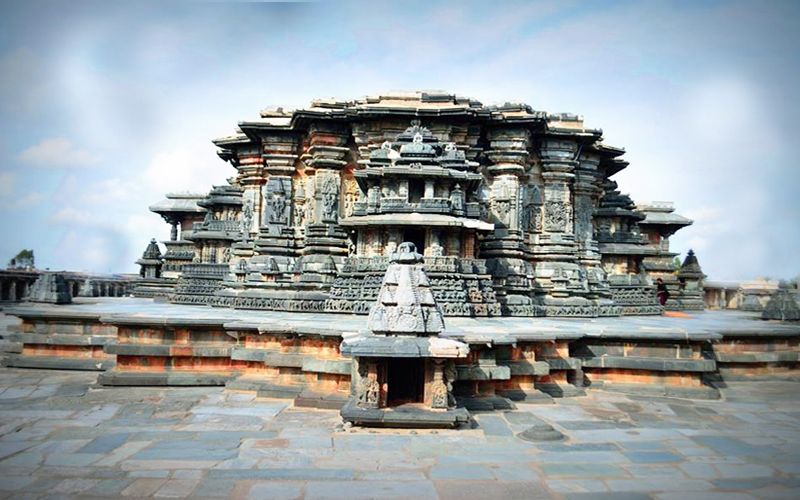
I love how this route makes the art feel close-up. At Chennakeshava Temple in Belur, the sculpture work is detailed enough that you start noticing patterns, figures, and stories rather than just admiring big walls. And in Halebeedu, the Hoysaleshwara complex gives you two Shiva shrines, plus a dense mix of Hindu mythology scenes that reward slow looking.
One possible drawback: the schedule includes a long drive both ways, and English guidance may not feel equally available at every stop. If you care about getting explanations throughout, I’d confirm that an English-speaking guide will meet you at each temple site, not only some of them.
In This Review
- Key highlights worth waking up for
- Temple Tour From Bangalore: What the Day Really Feels Like
- Shravanabelagola and Gomateshwara: The Big Climb and Big Presence
- Breakfast at Yediyur Village and the Road-Side Rhythm
- Belur’s Chennakeshava Temple: Hoysala Craft at Human Scale
- Halebeedu’s Hoysaleshwara Temple: Two Shrines, One Carving Wall
- Price and Value: Why $165 Can Make Sense Here
- Food, Facilities, and Small Practical Tips
- Who This Trip Suits Best (and Who Should Rethink It)
- Should You Book This Belur-Halebeedu-Shravanabelagola Tour?
- FAQ
- What temples and monuments does this day trip include?
- How long is the tour?
- What time is pickup in Bangalore?
- Is the guide available in English?
- Is this a private tour?
- Is breakfast and lunch included?
- What is the main highlight at Shravanabelagola?
- What is the cancellation policy?
- Where is pickup and drop-off?
Key highlights worth waking up for
- Gomateshwara at Shravanabelagola: Asia’s tallest monolithic stone statue and a must-see Jain pilgrimage landmark
- Bahubali shrine stop: a meaningful moment about renunciation, self-control, and ego
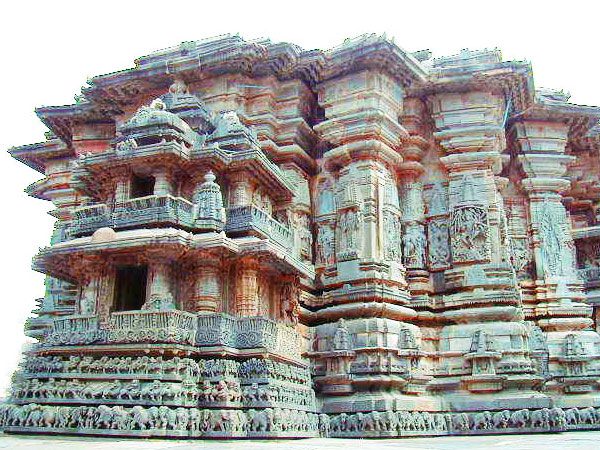
- Belur’s Chennakeshava Temple: Hoysala architecture and standout sculpture work tied to King Vishnuvardhana’s 1116 victories
- Halebeedu’s Hoysaleshwara Temple: two Shiva shrines (Hoysaleshwara and Shanthaleshwara) plus story-carved walls
- Breakfast and lunch included: roadside dosa-style breakfast and a local restaurant lunch to keep you fueled on a long day
Temple Tour From Bangalore: What the Day Really Feels Like
Pickup is early, around 6:30am, from your Bangalore hotel. You get a chauffeur and (in the best version of the day) an English-speaking guide who helps connect what you’re seeing to the people and beliefs behind it. The format is a private group, so you can ask questions and move at a pace that feels respectful inside temple spaces.
Here’s the rhythm that matters for your planning: you’re doing three major temple sites spread across the countryside, so the drive time is real. Expect Bangalore traffic to chew up time, and plan for a long day even if the stated duration is about 11 hours. The upside is that the road trip itself shows you a slice of Karnataka beyond the city.
If you’re the type who gets restless sitting in the car, this tour can still work. You’ll have breakfast on the way, temple breaks to reset your body, and lunch before the final push back to Bangalore. Just keep your expectations grounded: this is not a quick hop between sights. It’s a full day focused on temples and sculpture.
You can also read our reviews of more tours and experiences in Bangalore.
Shravanabelagola and Gomateshwara: The Big Climb and Big Presence
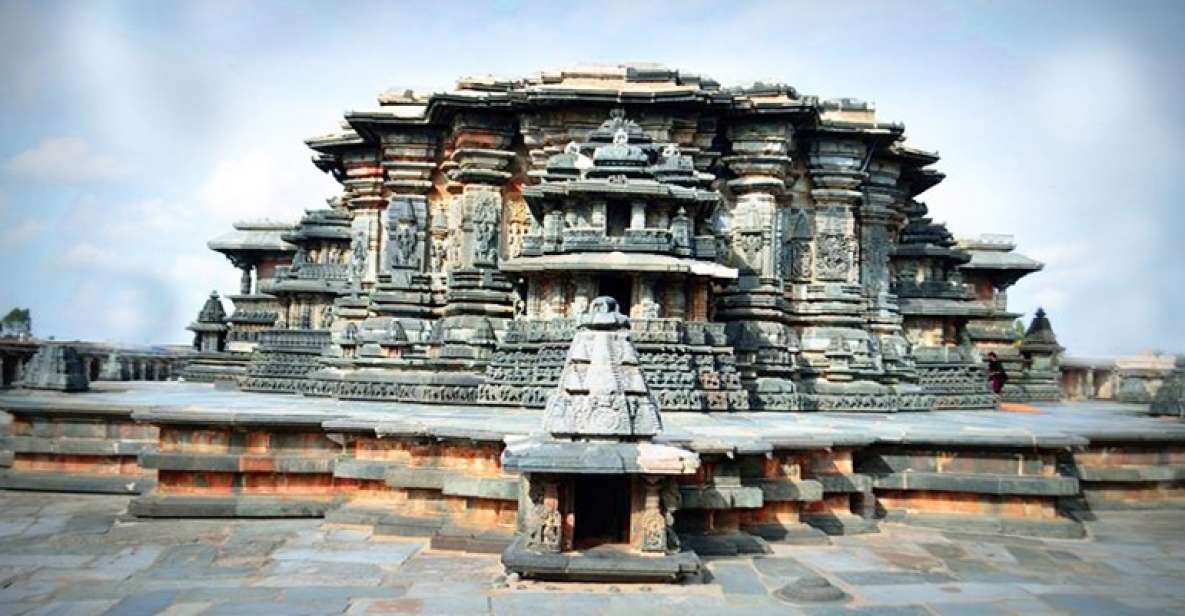
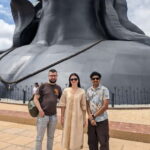
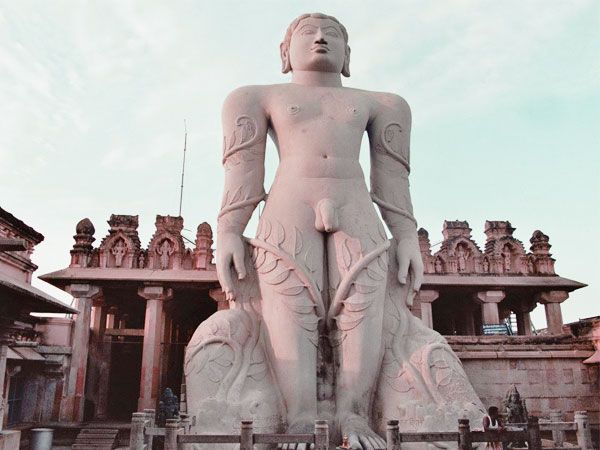
Shravanabelagola is the spiritual heavyweight on this route, a prominent Jain pilgrimage center famous for Gomateshwara. The statue is described as Asia’s tallest monolithic stone monument, which means it is carved from a single piece of stone rather than assembled from blocks. That fact alone changes how you look at it: you aren’t just admiring a statue, you’re confronting scale created by stoneworking.
You also stop at the shrine of Lord Bahubali at the Manjunath Temple area. The tour’s framing here is about the symbolism: renunciation, self-control, and subjugation of ego as steps toward salvation. Even if you’re not deeply familiar with Jain traditions, this is one of those pauses where the meaning of the place clicks into focus.
Then comes the practical part: getting to the statue area can involve a climb. One visitor notes a steep trek with around 1,600 steps carved into the rock face. If you’re comfortable with stairs and uneven stone, this will feel like part of the experience. If stairs exhaust you quickly, you’ll want to think hard about whether you can handle the climb while also doing two other temples later.
The payoff is the views and the sheer presence of the statue. After you get your bearings, you start seeing how the surrounding hills and the temple complex frame the monument. It’s not just a single photo point; it is a landscape of stone and devotion.
Tip that actually helps: wear shoes with solid grip. The climb is on stone, and you’ll be moving at temple-site pace, not airport-fast pace. Also, consider sunglasses and a hat if your day starts sunny—this part of the trip happens in the morning-to-midday time window.
Breakfast at Yediyur Village and the Road-Side Rhythm
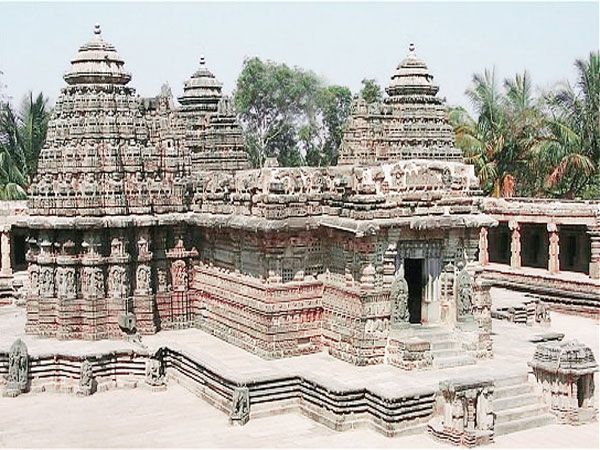
After you reach Yediyur village, you enjoy breakfast. The tour description keeps it general, but based on what I’d expect on this kind of Karnataka route, breakfast is typically the kind of local meal that makes you feel ready for temple walking—think dosa-style energy rather than a light snack.
This is also where the schedule either feels smooth or feels stressful, depending on how lunch and guide timing line up. One person mentioned a breakfast stop during a truck stop style moment, with communication challenges when dietary requirements came up. That’s a real consideration if you have allergies, strong dietary restrictions, or you need low spice.
If food constraints matter for you, do two things before you go:
- Share your dietary needs clearly through the booking channel.
- Tell the guide or driver when you’re handed the breakfast/lunch plan that day.
You might not get your ideal meal at every roadside stop, but you can at least reduce the guessing. And since the itinerary includes lunch afterward, you’re not stuck starving if breakfast isn’t perfect.
Belur’s Chennakeshava Temple: Hoysala Craft at Human Scale
Belur is in the Hassan district, and Chennakeshava Temple is the big reason people come. This is a standout example of Hoysala architecture, and it is tied to history in a specific way: it was consecrated by King Vishnuvardhana in 1116 AD to mark his victories against the Cholas. That date matters because you can feel the confidence and purpose in the design rather than treating it as a random old temple.
One of the most praised parts here is the sculpture work. The highlight calls out rare sculptures at Chennakeshava Temple, and that fits with what you’ll likely experience on-site: carvings that are detailed enough to reward lingering. Instead of just looking up at the main structure, you’ll want to scan along the carved bands and panels. The whole place is like a stone textbook—except you read it with your feet and eyes, and the guide (when available) helps you understand what you’re seeing.
A practical note on timing: this is one temple stop you’ll want to pace yourself. If you arrive and rush, you miss the best part. If you take your time, you start noticing how the figures relate to one another and how the temple layout guides your viewing angle.
If you’re traveling with someone who isn’t a hardcore temple fan, Belur is still worth it because the craft is so visual. You can enjoy it even without deep background knowledge, especially if your guide connects the scenes to myth or royal stories.
Halebeedu’s Hoysaleshwara Temple: Two Shrines, One Carving Wall
Halebeedu feels different from Belur in a good way. It was the ancient capital of the Hoysala dynasty, and the name Halebeedu is explained as meaning ruined city, because it was ruined by the Moghul sultanate twice. That sense of history gives the place a slightly more dramatic mood. You’re seeing temples that survived upheaval, not just monuments frozen in time.
The main stop is Hoysaleshwara Temple, which includes two shrines dedicated to Lord Shiva: Hoysaleshwara and Shanthaleshwara. The tour framing matters here: you’re not only looking at one sacred space. You’re seeing a complex with two focal points, which helps you understand the temple’s role and layout.
The walls and carvings are a major draw. The description specifically mentions carvings of different deities of Hindu mythology and stories from the Mahabharata, Ramayana, and Puranas. When you’re on-site, you can feel the density of narrative: panels and figures layered into the architecture. It’s the kind of place where a little explanation turns a long look into a meaningful one.
One other thing to remember: temples are active spiritual spaces. Even if you’re there as a visitor, you’ll want to follow the basic etiquette your guide or the site staff indicate—quiet voices, respectful clothing, and not blocking circulation.
If you want an emotional highlight, Halebeedu is often where the day’s visual theme clicks together. You start seeing Hoysala art as a language—deities, stories, and symbolism built into stone forms you can walk around.


Price and Value: Why $165 Can Make Sense Here
At $165 per person for an approximately 11-hour private day trip, you’re paying for more than “entry tickets to temples.” You’re paying for:
- hotel pickup and drop-off within Bangalore
- a chauffeur for a long day of intercity driving
- a live English guide (when available at each stop)
- guided temple time at multiple major sites
- breakfast and lunch included
The best value comes if you’re the kind of traveler who benefits from explanations. Three major temple sites can blur together fast if you’re wandering alone. The guide’s job is to keep the story straight—why these temples look the way they do, who commissioned what, and which myth or symbolism connects the carvings.
Now for the balanced part: the tour’s success depends on guide coverage and timing. One concern raised is that English guide time may be limited due to long drive time, which can make the day feel more like car + drop-offs than a fully guided experience. That doesn’t automatically mean it will happen to you, but it is enough that I’d treat it as a “confirm before you go” item.
If you’re traveling with limited flexibility and don’t want to plan routes, car rental, and site timing yourself, this package can be a smart way to buy time and reduce logistics stress. If you’re confident self-navigating and you’re okay reading signage and guidebooks on your own, you might not need a private guided format. But most temple lovers will find it hard to match the value of a good guide in a day like this.
Food, Facilities, and Small Practical Tips
Meals are included, with breakfast at or near Yediyur village and lunch at a local restaurant. People often remember these stops more than they expect, mostly because they break the day into manageable segments. A calm breakfast and a decent lunch keep temple walking from turning into endurance.
One practical reality: bathroom facilities at temple sites can be basic. One visitor specifically mentions bathrooms being rustic and suggests carrying travel tissue. I agree with that approach. Bring a small pack of tissues or wipes and a bit of hand sanitizer.
Also consider hydration. The climb at Shravanabelagola (about 1,600 steps for one route) and the open-air temple areas can be tiring. If the day runs warm, water becomes your best friend. Since the tour data doesn’t specify water provision, I’d plan to carry a bottle.
Dietary requirements are your other key practical question. If you have restrictions, communicate them clearly ahead of time. Even when the tour includes meals, roadside food decisions can be tricky when communication is limited.
Who This Trip Suits Best (and Who Should Rethink It)
This is a great match if you:
- genuinely enjoy temple art and stone sculpture
- want an organized full-day route instead of piecing it together
- like having someone connect carvings and architecture to meaning
- are comfortable with a long day and early start
It’s less ideal if you:
- strongly dislike long driving days from Bangalore
- can’t manage steep stairs or rocky steps at Shravanabelagola
- have complex dietary needs and need careful control during meals
Here’s a smart test before you book: if you’re excited by the idea of understanding Hoysala architecture, learning why Chennakeshava was consecrated in 1116, and seeing Jain symbolism at Shravanabelagola, you’ll likely enjoy this. If you’re more focused on casual sightseeing with lots of free time, you may find the schedule tight.
Should You Book This Belur-Halebeedu-Shravanabelagola Tour?
I think you should book it if your top goal is temples that feel “real” in how they’re built and carved. The combination of Belur’s Chennakeshava Temple, Halebeedu’s Hoysaleshwara dual-shrine complex, and Shravanabelagola’s Jain statue makes this a concentrated art-and-faith day that’s hard to replicate on your own without a lot of planning.
That said, don’t ignore the one caution that matters: guide coverage can vary. Before you confirm, ask the operator to confirm an English-speaking guide will be with you at each temple stop, not only part of the day. Also ask about timing so you’re not stuck spending too long in transit without explanation.
If you go, I’d plan for comfortable shoes, a light layer (temples can be cool even when outside is warm), and tissues. And expect a meaningful climb at Shravanabelagola if you want to get the full experience.
FAQ
What temples and monuments does this day trip include?
You’ll visit Chennakeshava Temple in Belur, Hoysaleshwara Temple in Halebeedu, and Shravanabelagola to see the statue of Gomateshwara and the shrine of Lord Bahubali.
How long is the tour?
The duration is listed as 11 hours.
What time is pickup in Bangalore?
Pickup is in the early morning, around 6:30am, from your Bangalore hotel.
Is the guide available in English?
The tour includes a live tour guide in English.
Is this a private tour?
Yes, it’s described as a private group.
Is breakfast and lunch included?
Yes. The schedule includes breakfast at Yediyur village and lunch at a local restaurant.
What is the main highlight at Shravanabelagola?
The highlight is Gomateshwara, described as Asia’s tallest monolithic stone statue, along with a visit to the shrine of Lord Bahubali.
What is the cancellation policy?
The tour data states free cancellation: cancel up to 24 hours in advance for a full refund. It also lists a wider schedule with no cancellation charges 30 days before, 25% charges 29-10 days before, 50% charges 9-3 days before, and no refund less than 3 days before.
Where is pickup and drop-off?
Pickup and drop-off are available from any Bangalore hotels, with the driver reporting to the hotel lobby and taking you back after the tour.