REVIEW · BANGALORE
From Bangalore: Day Trip to Somnathpur & Talakadu with Lunch
Book on GetYourGuide →Operated by 5 Senses Tours · Bookable on GetYourGuide
Sand-covered ruins. And stone temples that still feel real.
This is a guided Bangalore day trip that strings together Talakadu and Somnathpur, built around two big attractions: the 13th-century soapstone-era feel at Somnathpur’s Chennakesava temple, and the sand-buried mystery of Talakadu. I especially like how the guide explains the queen’s curse and the talk around geological anomalies while you’re standing right by the temples. The day also includes lunch and a structured route, so you’re not stuck sorting out timing on your own.
I also love the craft you see up close. At Somnathpur, the Chennakesava temple’s ceilings include 16 carved panels tied to the stages of a blooming banana flower, and the three-shrine layout shares one common mandapa. The one possible drawback is simple: it’s a full 8-hour day with an early start and temple dress rules, so if you hate long drives or strict clothing, this may feel like a chore instead of a treat.
In This Review
- Key Highlights You’ll Care About
- How This 8-Hour Bangalore Day Trip Works
- Talakadu: Five Temples, One Sand-Buried Mystery
- Vaidyanatheswara, Pataleshwara, and Keertinarayana: What Each Stop Gives You
- The Pataleshwara Color-Changing Legend: How to Approach It
- Somnathpur’s Chennakesava Temple: Soapstone-Era Craft You Can Actually See
- Three Shrines and One Mandapa: Why the Layout Matters
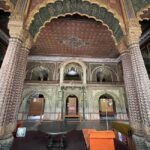
- The Banana-Flower Ceilings: How Somnathpur Keeps You Looking Up
- Price and Value: Is $129 Reasonable for This Route?
- Timing, Lunch, and the Real-Life Pace
- What to Wear: Temple Rules That Affect Your Comfort
- Who This Tour Suits Best
- Should You Book This Bangalore Trip to Talakadu and Somnathpur?
- FAQ
- What is the departure time from Bangalore?
- How long is the trip?
- Where does the tour go?
- How far is Talakadu from Bangalore?
- Is the tour guided in English?
- Is it a private group?
- Is lunch included?
- What does the tour cover at Talakadu?
- What is special about Pataleshwara temple?
- What clothing is not allowed?
- Is there free cancellation?
- Can I reserve and pay later?
Key Highlights You’ll Care About
- Talakadu’s sand story: You’ll hear how the legendary queen’s curse buried the town under sand dunes and how that ties to the site’s mysteries.
- Five excavated temples: The route includes the five temples said to have been excavated from the sands at Talakadu.
- Hoysala details at Keertinarayana: Black granite, brick work, and a Hoysala-style focus on victory symbolism.
- Chennakesava at Somnathpur (1268): Three shrines, three carved peaks, one common mandapa, plus highly specific ceiling carvings.
- Pataleshwara’s lingam color legend: You’ll visit the temple where the lingam is supposed to change colors through the day.
- Live English guide: You get explanations in English while you walk, not just a self-guided checklist.
How This 8-Hour Bangalore Day Trip Works
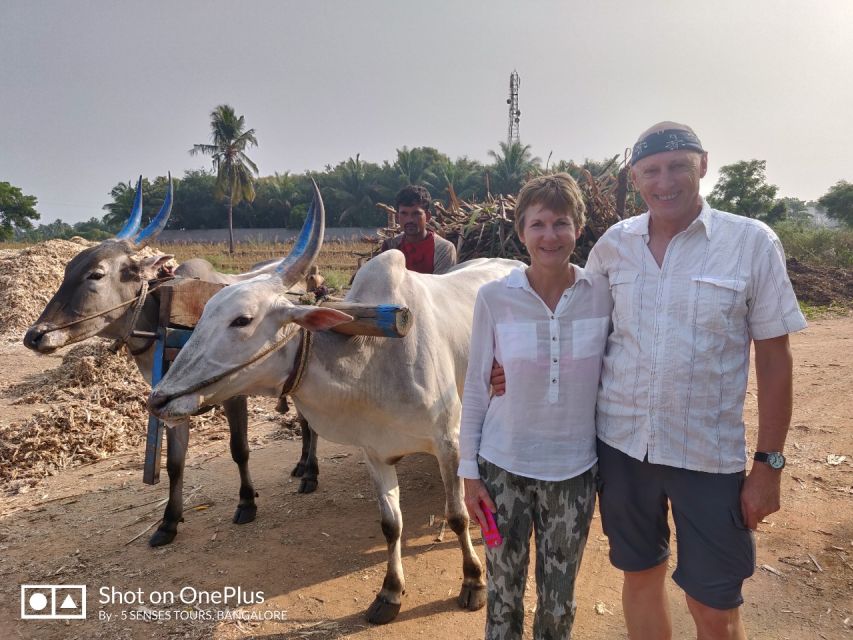
This tour is built as a straight shot from Bangalore at 7:30 am, with a drive toward Talakadu (about 130 km away). Then the day runs temple-to-temple, with time to actually look, not just rush through doors and out again. You’ll be back after a total of 8 hours, and lunch is part of the package.
For me, the biggest value of this format is that it reduces mental load. You get a planned route, a guide who can connect what you’re seeing to the stories around it, and you don’t have to arrange transport between two separate temple clusters. If you’re short on time in Karnataka, this is a practical way to cover two high-impact sites in one go.
You can also read our reviews of more tours and experiences in Bangalore
Talakadu: Five Temples, One Sand-Buried Mystery
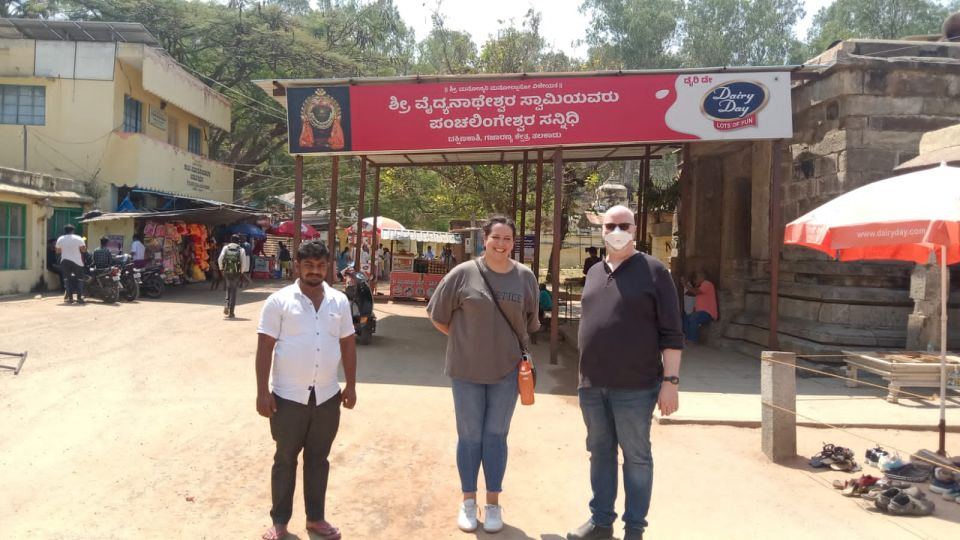
Talakadu used to be a flourishing town with more than 30 temples in ancient times. The reason those temples matter today is that the town is tied to the legend of a queen’s curse that buried the area in sand dunes. Part of the tour’s appeal is that you don’t just get scenery; you get context while you’re walking through the temple cluster.
The tour specifically focuses on five temples excavated from the sands at Talakadu. That alone makes the visit feel different from a standard temple stop. These aren’t just “old structures.” They’re part of a recovery story, where the landscape and the ruins are linked in the local explanation of what happened and why remnants survived.
You’ll first visit Vaidyanatheswara temple, a granite structure dedicated to Lord Shiva. It was built in the 14th century by Chola kings, and you’ll see it as part of that sand-to-stone narrative. It’s a good anchor stop because it sets the Shiva theme for Talakadu before the route shifts to other shrines and architectural styles.
Vaidyanatheswara, Pataleshwara, and Keertinarayana: What Each Stop Gives You
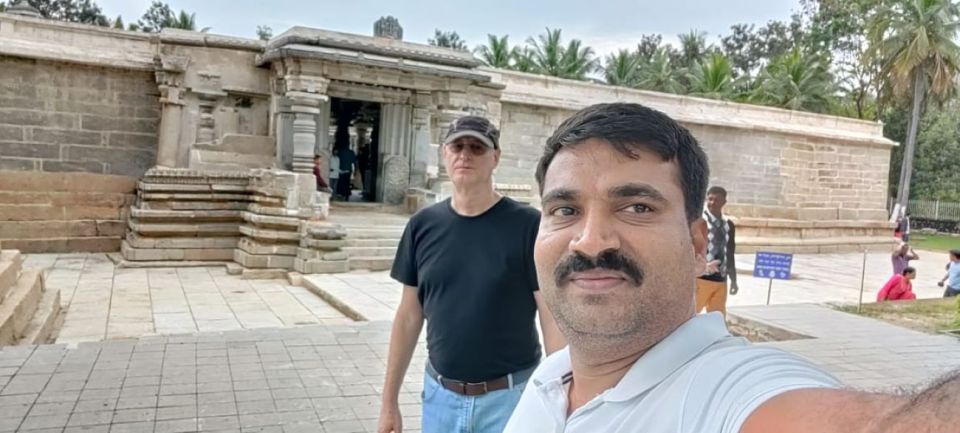
Talakadu isn’t one temple. It’s a sequence of meanings—religious themes plus changing styles.
Vaidyanatheswara brings you a Shiva-focused experience in a granite framework associated with the Chola period. Even when you only spend a short time at each site, starting with a Shiva temple helps your brain organize the day. You’re not juggling random deities; you’re tracking a theme while the architecture changes.
Next is Pataleshwara Shiva temple, where the interesting twist is the story about the lingam. The tour describes it as a lingam that’s supposed to change colors through the day—red, black, and white. Practically, that means what you see can depend on time of day, and you shouldn’t expect one single “magic moment.” You’ll still get the satisfaction of visiting a temple with a very specific legend tied to what’s right in front of you.
Then you head to Keertinarayana temple, built using black granite and bricks. This one is framed as a Hoysala-style example, and it’s tied to history in a symbolic way: it commemorates King Vishnuvardhan’s victory over the Cholas. The highlight here is the main deity about 2 meters tall, which gives the stop weight even if you’re not a hardcore sculpture person. Big scale makes details easier to notice, and it’s the kind of temple that rewards a slower look.
The Pataleshwara Color-Changing Legend: How to Approach It
Legends like the color-shifting lingam can go two ways for a visitor. If you’re expecting a guaranteed visual transformation, you might feel disappointed. If you treat it as part story, part local tradition, you’ll enjoy it more.
Here’s the practical way to handle it: go in expecting to learn the claim and observe what’s possible during your visit window. Because the tour describes colors changing through the day, your timing matters, and your best view may be one stage rather than all three. Either way, the real value is that you’re guided to a specific tradition, not a vague “mystery” without substance.
Also, don’t forget this is a real working sacred space. So keep your behavior and photo habits respectful—aim for quiet attention rather than hunting for effects.
Somnathpur’s Chennakesava Temple: Soapstone-Era Craft You Can Actually See
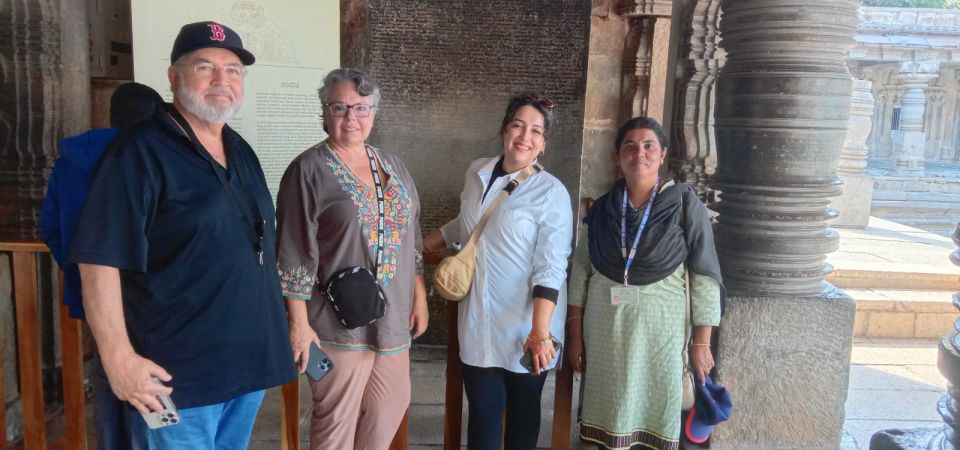
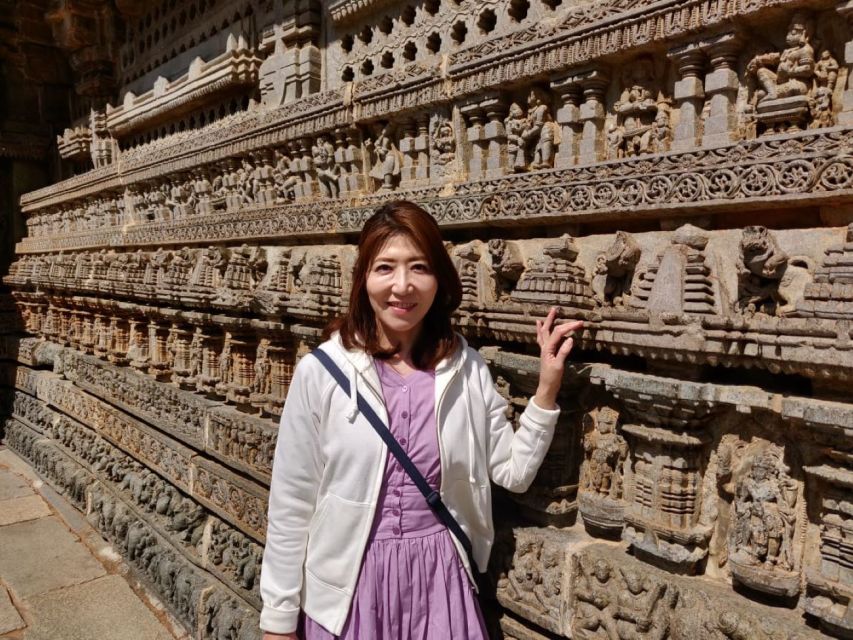
After Talakadu, you move to Somnathpur for the big finale: the Chennakesava temple. This temple was built in 1268 by Somanatha, a general of King Narasimha III. That date and patron detail matters because it pins the temple to a specific era and makes the carvings feel purposeful, not just decorative.
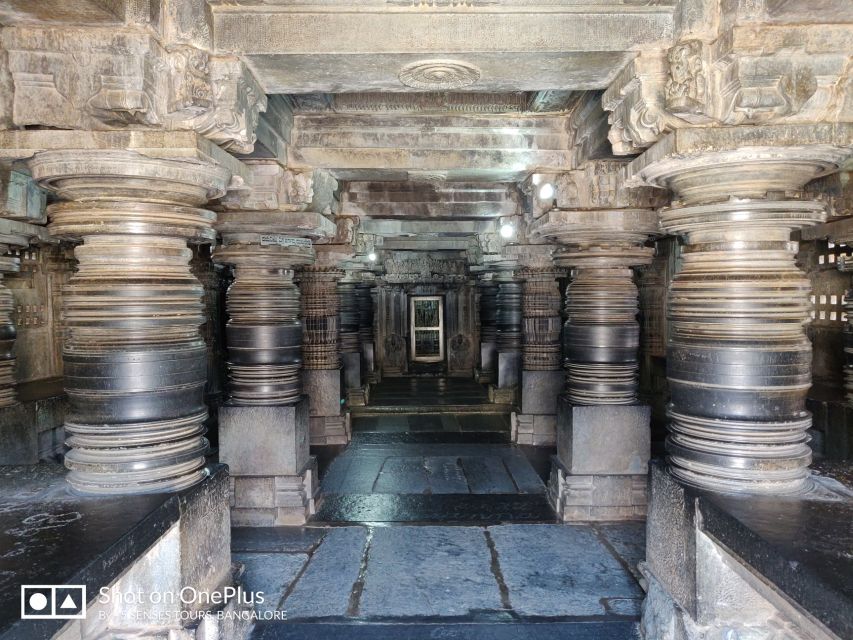
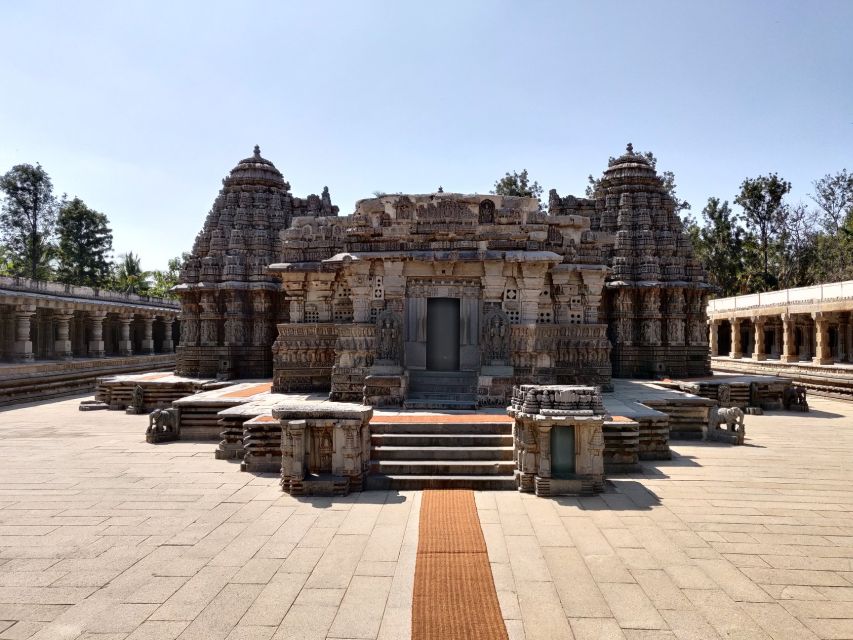
Chennakesava is described as having three shrines and three wonderfully carved peaks with a common mandapa. That layout is important to understand before you start craning your neck. It helps you read the temple like a planned design rather than separate structures. You’re looking at one unified composition with multiple devotional centers.
The tour also calls attention to a “13th-century soapstone temple” feel at Somnathpur. The practical effect of that material story is that the carvings tend to look crisp and intentional, even when weathering is present. If you’ve been seeing more modern temple surfaces on your trip, this kind of older stone work usually lands fast: the proportions look different, and your eyes can track the chisel marks and depth.



Three Shrines and One Mandapa: Why the Layout Matters
I like to tell people to spend the first few minutes on a temple like this just mapping it in your mind. When you know there are three shrines feeding into one shared mandapa, the carvings stop feeling random.
You’ll notice the peaks and the way they frame the devotional spaces. Even if you’re not counting every figure, the symmetry and repetition help you appreciate the design logic. It turns the visit from “look at carvings” into “understand a system.”
This is one of those temples where the guide’s role matters. With an English live guide, you can ask follow-up questions and get explanations tied to what you’re currently seeing, rather than hearing a history lecture from somewhere you can’t really compare visually.
The Banana-Flower Ceilings: How Somnathpur Keeps You Looking Up
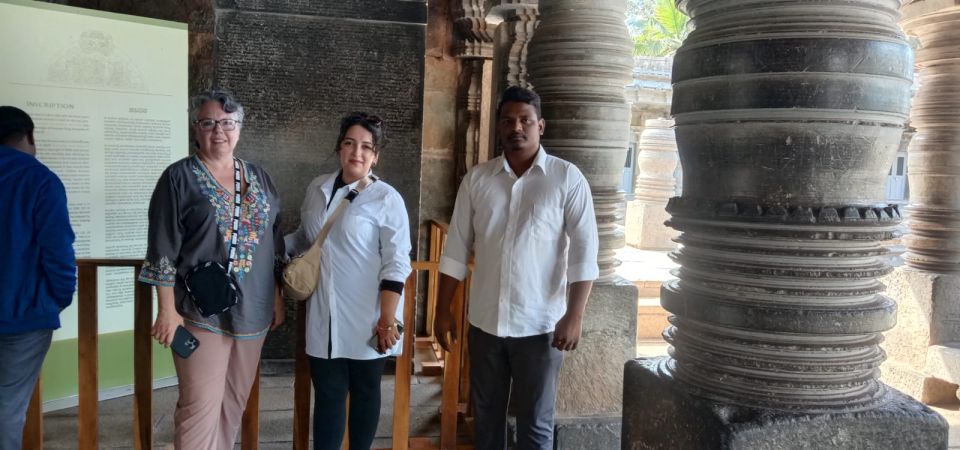
If Talakadu is about sand and legend, Somnathpur is about precision. One of the standout details is the mention of 16 different ceilings, each depicting a stage of a blooming banana flower.
That kind of repeated motif does something clever: it trains your attention. You stop glancing and start looking upward, comparing panels, and noticing how the carving changes across stages. It’s also an easy way to remember the temple after you leave, because the banana-flower theme gives you a clean mental hook.
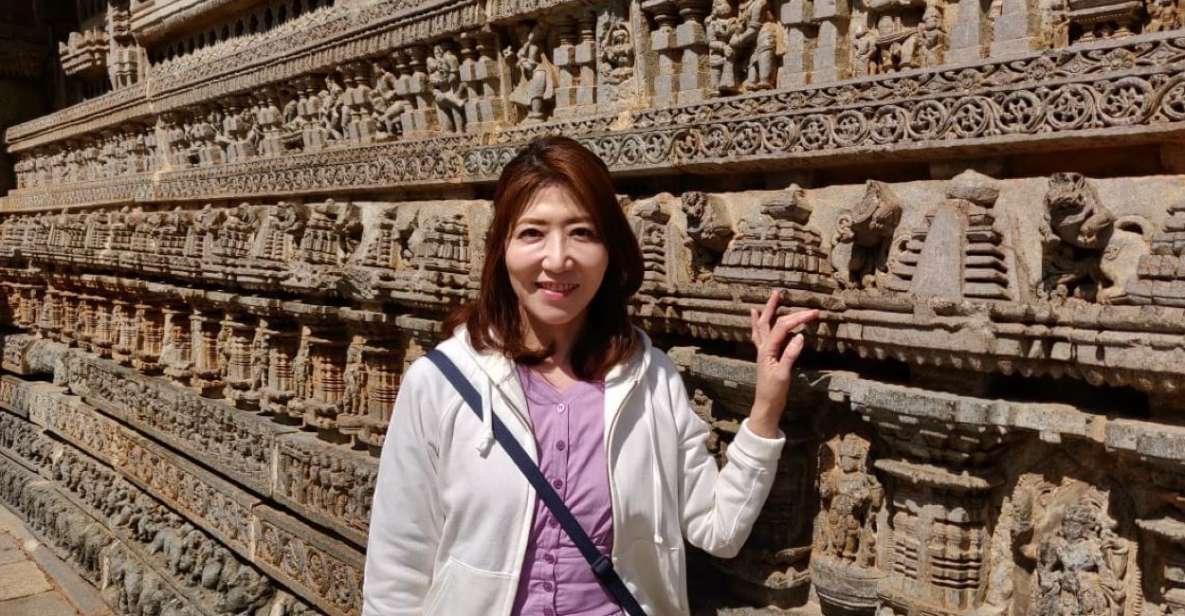
Along the central wall space, the tour describes images of deities wearing jewelry and ornaments, including bangles, crowns, and anklets. That detail matters because it’s not generic ornament. The jewelry is part of the iconography you’re meant to study. And on a guided visit, those explanations help you see the practical meaning behind the decoration rather than treating it like wallpaper.
Price and Value: Is $129 Reasonable for This Route?
$129 per person sounds like a lot until you break down what you actually get: an 8-hour guided temple day, an early start out of Bangalore, a drive to Talakadu (130 km away), time at Somnathpur, and lunch included. Plus, it’s a private group with a live English guide.
The value question isn’t only cost. It’s effort. If you try to DIY this route, you need transport coordination, guide help for interpretation, and a way to manage timing so you reach each temple at an appropriate hour. This tour package handles that for you, which is worth something—especially if you want the stories explained clearly while you walk.
If you’re the type who likes to take in details, a guided day tends to beat a basic ticket. If you just want to take photos quickly, the guide may feel like extra expense. But for a temple day built around legends, symbolism, and architectural styles, the guide role is the engine of the value.
Timing, Lunch, and the Real-Life Pace
This schedule is designed around one clear strategy: get moving early so you have enough daylight for multiple temple stops. The 7:30 am departure from Bangalore helps, especially in seasons when mid-day heat or crowds can make slower temple viewing harder.
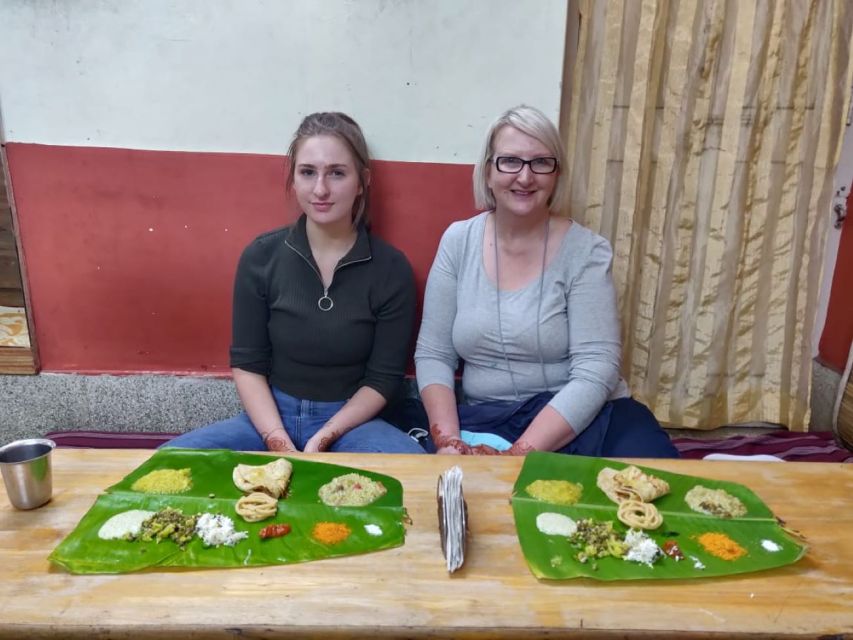
The day is long enough that lunch matters. Since lunch is included, you avoid the common problem of “temple sightseeing plus hunting for food.” Just plan to stay hydrated and treat the day like a real outing, not a casual stroll.
Pace is a tradeoff. You’ll be busy, and it’s not the kind of trip where you linger for hours at one carving. Still, you get enough structure to connect what you see in Talakadu with what you see in Somnathpur, which is the bigger payoff.
What to Wear: Temple Rules That Affect Your Comfort
The tour has a clear clothing rule: no shorts, no short skirts, and no sleeveless shirts. That’s not just for show. It affects how quickly you can enter and how comfortably you can spend time looking around.
I’d pack light layers that still cover your arms and legs, and carry a shawl or scarf if you run warm. The temples are where you’ll spend most of the time, so comfort matters. If your usual travel uniform is athletic shorts and a tank, this is a quick reason to adjust.
Who This Tour Suits Best
This day trip fits you if you want a guided “two-site” Karnataka temple experience without messing with transport logistics. It’s especially good for you if:
- you enjoy learning the stories behind what you’re seeing, like the queen’s curse and the claimed lingam color changes
- you care about architecture and symbolism across styles (Chola-era, Hoysala-style, and Somnathpur’s temple design)
- you want a focused day rather than an open-ended schedule
If you’re traveling with kids who can’t handle long mornings, or if you hate rules around clothing, it may be a tougher day. But if you want a well-managed temple route that makes the details make sense, this is a strong match.
Should You Book This Bangalore Trip to Talakadu and Somnathpur?
I’d book it if you want a structured day that hits Talakadu’s sand-excavated temples and then lands you at Somnathpur’s Chennakesava with time to appreciate specific carving details. The guide-led focus on legends and architectural meaning is the difference between seeing old stones and actually understanding why those stones matter.
Skip it if you want zero planning, lots of free time, or you’re not comfortable following basic temple dress rules. Also think twice if you’re sensitive to early starts or a full-day driving schedule.
If you’re on a tight Karnataka itinerary, this is one of those trips that gives you a lot of “wow” in a clean, easy-to-manage package—especially for the banana-flower ceilings at Somnathpur and the sand-and-legend puzzle at Talakadu.
FAQ
What is the departure time from Bangalore?
The tour leaves Bangalore at 7:30 am.
How long is the trip?
The total duration is 8 hours.
Where does the tour go?
It visits Talakadu and Somnathpur, including the Chennakesava temple at Somnathpur.
How far is Talakadu from Bangalore?
Talakadu is about 130 km from Bangalore.
Is the tour guided in English?
Yes, the tour includes a live tour guide in English.
Is it a private group?
Yes, it’s listed as a private group.
Is lunch included?
The experience is a day trip with lunch, so lunch is included in the package.
What does the tour cover at Talakadu?
You’ll see five temples excavated from the sands of Talakadu, including Vaidyanatheswara, Pataleshwara, and Keertinarayana.
What is special about Pataleshwara temple?
The tour notes a belief that the lingam changes colors through the day from red to black to white.
What clothing is not allowed?
You should not wear shorts, short skirts, or sleeveless shirts.
Is there free cancellation?
Yes. You can cancel up to 24 hours in advance for a full refund.
Can I reserve and pay later?
Yes. The offer includes reserve now & pay later, with pay nothing today.