REVIEW · DARJEELING
Darjeeling: Tiger Hill Sunrise Hike – Guided Day Trip
Book on GetYourGuide →Operated by Ashmita Trek & Tours · Bookable on GetYourGuide
Sunrise at Tiger Hill is worth the alarm. I love the Kanchenjunga views at first light and the local homestay breakfast along the way, but you should know the whole payoff depends on clear skies and you start at 4 a.m.
This is a small-group 8-hour Darjeeling day trip with an experienced local mountain guide, easy trails through pine forest, and a Buddhist monastery stop on the way back—great if you want mountains and culture without committing to a long trek.
In This Review
- Key things I’d zero in on before you go
- Why Tiger Hill Sunrise Still Feels Special at 4 a.m.
- The 8-hour flow: pickup, coffee breaks, and getting to the viewpoint
- Jorbanglow (and that homestay breakfast stop you’ll remember)
- Back toward Darjeeling on Tenzing Norgay Road (Alubari Road)
- Alubari (Yolmowa Mak Dhog) Monastery: quiet culture with a built-in reason
- The hike experience: easy and safe, with one honest caveat
- Finishing at Chowrasta Mall: an easy handoff to the rest of Darjeeling
- Price and logistics: is $87 worth a sunrise plus breakfast?
- Who this Tiger Hill sunrise hike suits best
- Quick decision guide: should you book this day trip?
- FAQ
- FAQ
- What time do I get picked up for the Tiger Hill sunrise?
- How long is the entire day trip?
- Where does the hike start and where does it end?
- How far is the hike during the day?
- What sunrise and mountain views should I expect?
- Is breakfast included, and what is it like?
- Is this tour suitable for pregnant travelers or wheelchair users?
Key things I’d zero in on before you go
- Tiger Hill timing: the early start is what buys you the best chance at clear sunrise views
- Short, doable hiking: pine forest + a gradual descent back toward Darjeeling
- Alubari stop with meaning: Yolmowa Mak Dhog Monastery (built in 1914) along the route
- Homestay breakfast: Nepali local food served on the trail day
- Small group size: limited to 8 participants, so you’re not lost in a crowd
Why Tiger Hill Sunrise Still Feels Special at 4 a.m.
Tiger Hill sits above Darjeeling’s hills at 2,590 meters (8,482 feet). It’s about 11 km (6.8 miles) from Darjeeling town, which matters because you get a morning summit view without spending the whole day “in transit.”
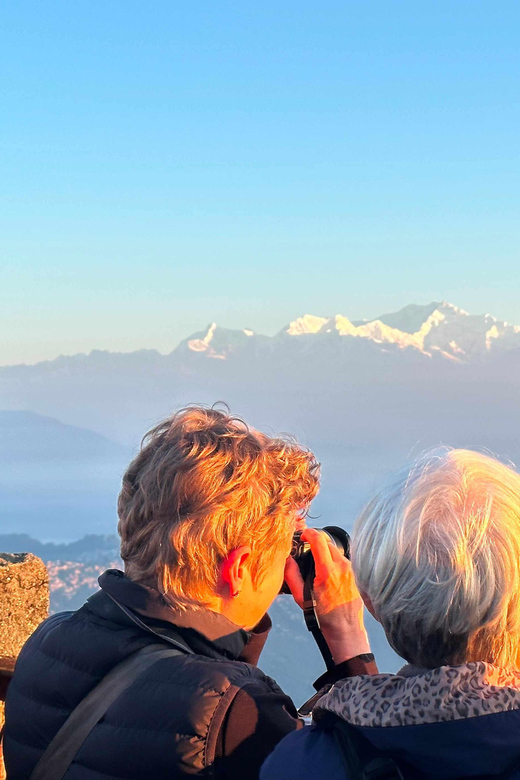
The big draw is the mountain lineup. On a clear morning—think blue sky visibility—you can see Kanchenjunga very clearly from Tiger Hill, and you’ll also get a panoramic view that includes Mount Everest and Mount Kanchenjunga together. That’s the “blink and you miss it” part: if cloud rolls in, you’ll still get sunrise drama, but not the crisp peak shot.
And yes, Tiger Hill is busy at sunrise. The trick here is what you do after the crowd. You drive up early, watch sunrise, then you spend the rest of the morning hiking back through quieter pockets—forest, villages, and that monastery stop.
One more practical thought: because the pickup is 4:00 a.m., you’ll want warm clothes you can move in. This isn’t a “summer stroll with a hoodie.” Cold air hits hard before the sun warms the slope.
You can also read our reviews of more guided tours in Darjeeling

The 8-hour flow: pickup, coffee breaks, and getting to the viewpoint
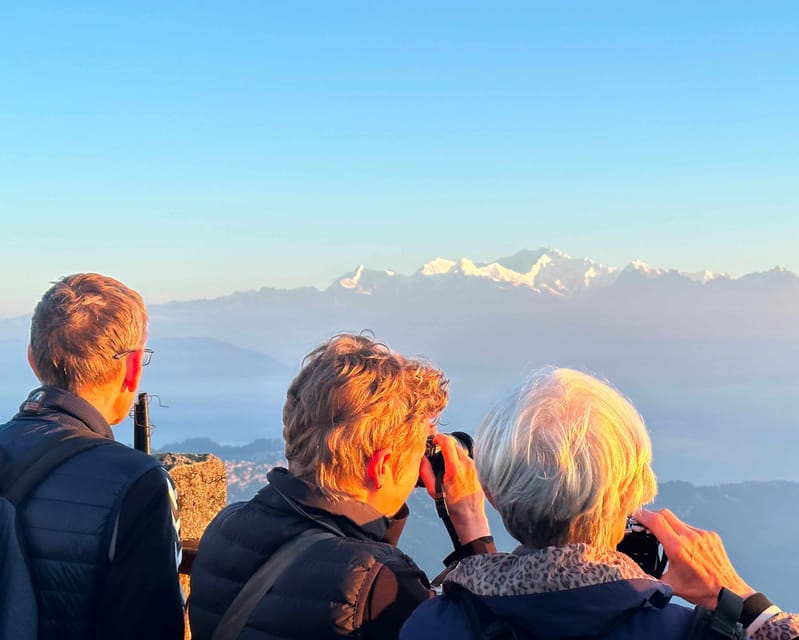
Your day begins with a hotel pickup by Ashmita Trek & Tours. The driver and guide come to your accommodation, then you’ll head to Tiger Hill, about 14 km away, taking roughly an hour.
Once you arrive, you’ll get a break with hot drinks like tea and coffee, plus time for photos and sightseeing before the hike starts. That buffer is helpful. It’s not just standing around—your guide is there to keep the group moving, manage the early schedule, and help you aim for the sunrise window.
From Tiger Hill, you’re looking out over Darjeeling town and the surrounding peaks. Sunrise here is more than a pretty gradient; it’s a visibility moment. The higher you are and the earlier you go, the more likely you are to catch the peaks cleanly.
After the sunrise viewing and stop time, you switch gears. The guided hike begins toward Jorbanglow, your first major waypoint of the morning.
Jorbanglow (and that homestay breakfast stop you’ll remember)
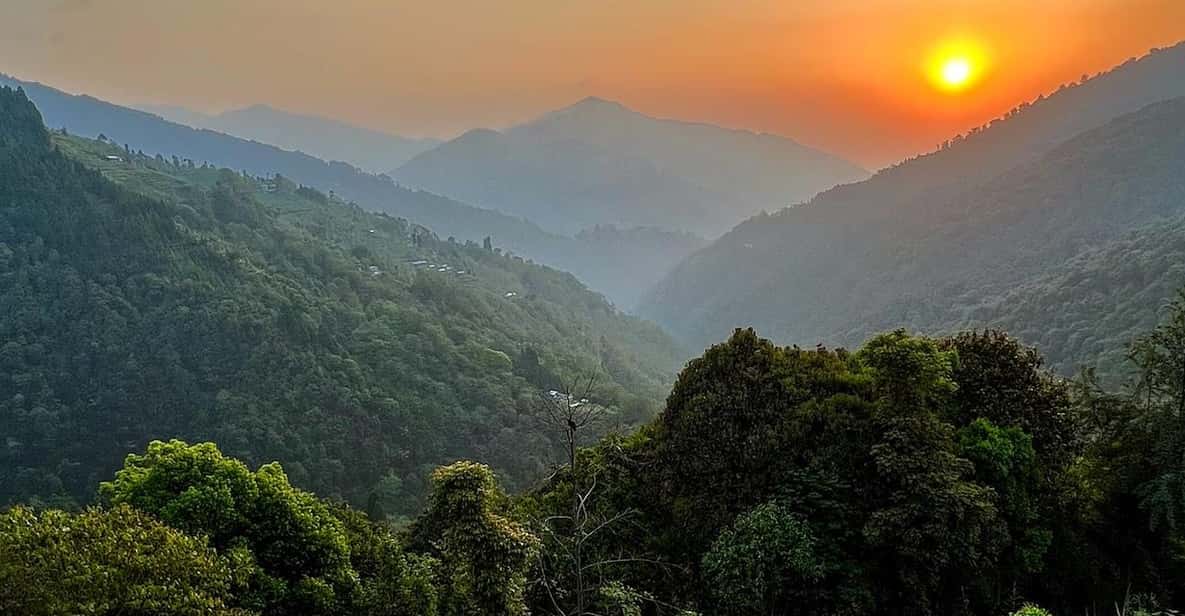
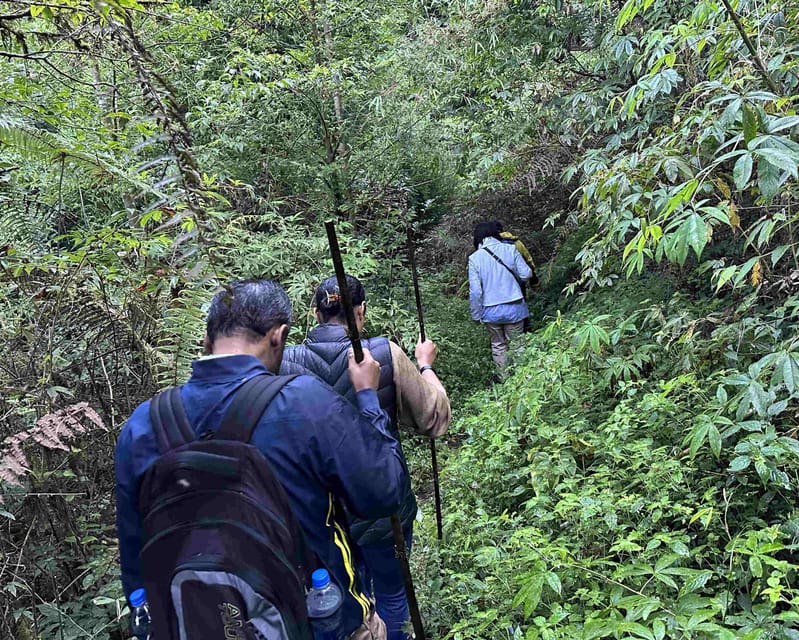
The hike starts with a trek of about 4 km toward Jorbanglow. This segment takes you through pine forest and into a more lived-in rural setting.
Jorbanglow is described as a four-road meeting point—the kind of place that sounds simple until you realize it’s where people actually connect: routes, foot traffic, local routines. Your guide keeps you oriented, so you’re not guessing where the trail goes or how long you’ll be walking before the next break.
Then comes the best “reward between steps”: breakfast at a small homestay. You’re served Nepali local food, and this isn’t just a snack-and-go setup. It’s a chance to slow down mid-trek, warm up, and eat something that feels part of the region rather than a generic tourist meal.
In one run of this trip, the guide was specifically noted for being attentive through pickup and drop-off, and for involving the group with the homestay breakfast experience. That kind of guidance matters early in the day—when you’re tired and cold, a calm host makes a huge difference.
Back toward Darjeeling on Tenzing Norgay Road (Alubari Road)
After breakfast, you continue trekking back via Tenzing Norgay Road, which is also known locally as Alubari Road. The names are more than trivia: Alu means potato and Bari means land, so you’re walking a route tied to how locals describe and use the land.
This next stretch is about 7 km back to Darjeeling, which is where the full “day trip” logic shows up. You’re not trying to conquer a monster summit hike. Instead, you’re doing a steady back-and-forth that fits into a morning finish.
Depending on conditions and group mix, the trail can shift. There’s mention that the bamboo forest section may not be possible if there aren’t enough participants to use that route, and that an alternate road route can come into play. Translation for you: expect your guide to adapt. If you’re the type who needs predictable trail surfaces, ask your guide what the route will likely include on the day and dress for some shared-road sections.
Alubari (Yolmowa Mak Dhog) Monastery: quiet culture with a built-in reason
On the way back, you’ll visit a Buddhist monastery named Alubari Monastery. The actual name is Yolmowa Mak Dhog Monastery, built in 1914.
This stop works because it’s not bolted on as a random photo op. It sits along your walking route back toward Darjeeling. So instead of “hike now, culture later,” you get a rhythm: walk, view, eat, and then step into a sacred place that locals have relied on for over a century.
Even if you’re not a hardcore monastery-tour person, this kind of stop changes the feel of the morning. The mountains are the headline, but the monastery is the context—why these roads and settlements exist in the first place.
The hike experience: easy and safe, with one honest caveat
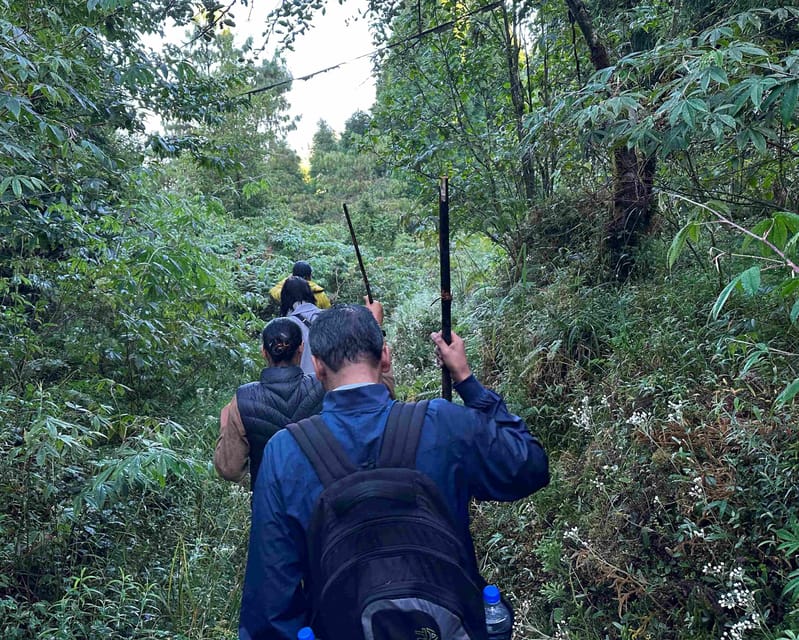
The trek is described as easy and safe, with guidance provided the whole way. You’ll move along peaceful forest paths and through local mountain village areas, and you’re not expected to be a trail athlete.
Still, be realistic. The early start means you’re walking while it’s cold, and the route includes a mix of surfaces—some portions can be roads shared with cars. That detail matters for shoes and your patience. It’s not dangerous when you have a guide, but it does change the “forest-only vibe.”
So plan for practical things:
- Warm clothing you can layer
- Warm shoes with grip
- A daypack for water and layers you’ll stash and retrieve
If you go in expecting a hike that stays fully off-road, you may feel a little disappointed. If you go in expecting an easy morning with some village-road realism, you’ll enjoy it more.
Finishing at Chowrasta Mall: an easy handoff to the rest of Darjeeling
You finish your trek by around 11:00 a.m. at Chowrasta, meaning another four-road meeting point—a central hub for onward journeys and wandering.
This end time is a hidden value. You’re not stuck with a whole day of exhaustion after sunrise viewing. You can head for lunch, explore Darjeeling at your own pace, or connect to your next stop without needing to cram in everything before dark.
Chowrasta also makes sense as a drop-off because it’s where people already are. Less friction, less searching, fewer “where do we go now?” headaches.
Price and logistics: is $87 worth a sunrise plus breakfast?
At $87 per person for an 8-hour guided day trip, you’re paying for coordination and early access—not just walking.
Here’s what’s included that you’d otherwise have to arrange yourself:
- One-way private tourist vehicle from your hotel to Tiger Hill
- Professional English-speaking local mountain guides (small group size capped at 8 participants)
- Permits and camera-related charges for still video cameras
- Hot drinks like tea and coffee
- Breakfast with Nepali local food at the homestay
- Guide and driver expenses, plus all taxes, fees, and handling charges
That’s the value equation. If you were to DIY this, the biggest pain is usually the 4 a.m. logistics and the coordination of a safe route. Paying this amount can be worth it if you’re saving time and avoiding hassle.
Now the fair caveat: you might hear about situations where the actual walking route changes (like bamboo sections not being used). If you’re paying a premium, you should confirm what the route typically looks like on your date and whether you can expect the forest path segments you’re hoping for.
Also note: it’s not “open-ended.” The day is scheduled, and you’re hiking back to town by late morning. If you want a slow, linger-at-every-view type day, you may feel rushed.
Who this Tiger Hill sunrise hike suits best
This is a strong fit if you:
- Want sunrise at Tiger Hill without signing up for a multi-day trek
- Like morning nature walks plus one clear cultural stop (the monastery)
- Appreciate a guided day with a local who can keep you on track
- Prefer a small group (max 8) rather than a big bus crowd
It’s not a good fit if you have limits that affect uneven or cold-weather walking. The trip is not suitable for people with pre-existing medical conditions, and it’s explicitly not suitable for pregnant women, wheelchair users, babies under 1 year, or people over 95 years.
If you’re healthy, steady on your feet, and comfortable with a very early start, you’ll likely enjoy how much you pack into one morning.
Quick decision guide: should you book this day trip?
If your priority is a classic Darjeeling sunrise view—plus a real walking experience back through pine forest, villages, and a monastery—this is an efficient choice. The homestay breakfast and the guided structure are the parts that make it feel more like a day with locals than a check-the-box tour.
I’d book it if:
- You can handle 4 a.m. pickup and cool weather
- You want a guided, easy-to-moderate morning hike
- You value having permits, transport, and a local guide handled for you
I’d think twice if:
- Cloud cover and peak views are your only goal (weather can’t be forced)
- You dislike any road-sharing during a hike
- Your schedule doesn’t support an early start
FAQ
FAQ
What time do I get picked up for the Tiger Hill sunrise?
Pickup is at 4:00 a.m. from your Darjeeling hotel.
How long is the entire day trip?
The experience runs for about 8 hours.
Where does the hike start and where does it end?
You start at Tiger Hill and finish around 11:00 a.m. at Chowrasta mall.
How far is the hike during the day?
You hike about 4 km to Jorbanglow, then about 7 km back toward Darjeeling.
What sunrise and mountain views should I expect?
If weather is clear, you can see Kanchenjunga clearly from Tiger Hill, and you’ll also get views including Mount Everest and Mount Kanchenjunga together.
Is breakfast included, and what is it like?
Yes. You get Nepali local food breakfast at a small homestay during the hike.
Is this tour suitable for pregnant travelers or wheelchair users?
No. It’s listed as not suitable for pregnant women and wheelchair users.