REVIEW · BANGALORE
Bangalore: Walking Tour of Fort, Palaces, and Market
Book on GetYourGuide →Operated by Yours Truly India · Bookable on GetYourGuide
Bangalore feels loud and human when you walk its oldest lanes. I like that this tour links street scenes to the city’s origin story, with stops like KR Market and the Fort ruins. You’ll also get a proper South Indian break with masala dosa and filter coffee from a local spot. One thing to consider: this is a busy market route, so wear comfortable shoes and plan for crowds.
I also appreciate the guide style. In past groups, locals such as Deepti, Sushma, Ruchira, and Aniketh have led walks in English, weaving personal city stories between historical landmarks. The group stays small (up to 10), which helps on narrow streets. The only real red flag is that it’s marked as not suitable for pregnant women, and it involves walking in busy areas.
In This Review
- Key Points You’ll Care About Before You Go
- Old Bangalore on Foot: Fort, Palaces, and Real Street Energy
- Meet at State Bank of India, Kempegowda Road, and Start With Direction
- The Breakfast Stop That Makes the City Make Sense
- KR Market: Asia-Scale Flowers, Close-Up Street Smells
- Bangalore Fort Ruins: Where Mysore and Colonial Ties Show Up
- Tipu Sultan’s Summer Palace Area: Indo-Islamic Details Without the Rush
- The Human Part: A Local Guide Who Connects Past and Daily Life
- What to Wear, Carry, and Expect in Temples and Crowds
- Price and Value: Why $43 Works for 3 Hours in Old Bangalore
- Who This Walk Is Best For (and Who Might Skip It)
- Should You Book This Bangalore Fort, Palace, and Market Walk?
- FAQ
- Where do I meet the guide for the walking tour?
- How long is the tour, and is it a small group?
- What food is included?
- Is there an entrance fee for the Summer Palace?
- What should I wear and bring?
- Is the tour suitable for everyone?
Key Points You’ll Care About Before You Go
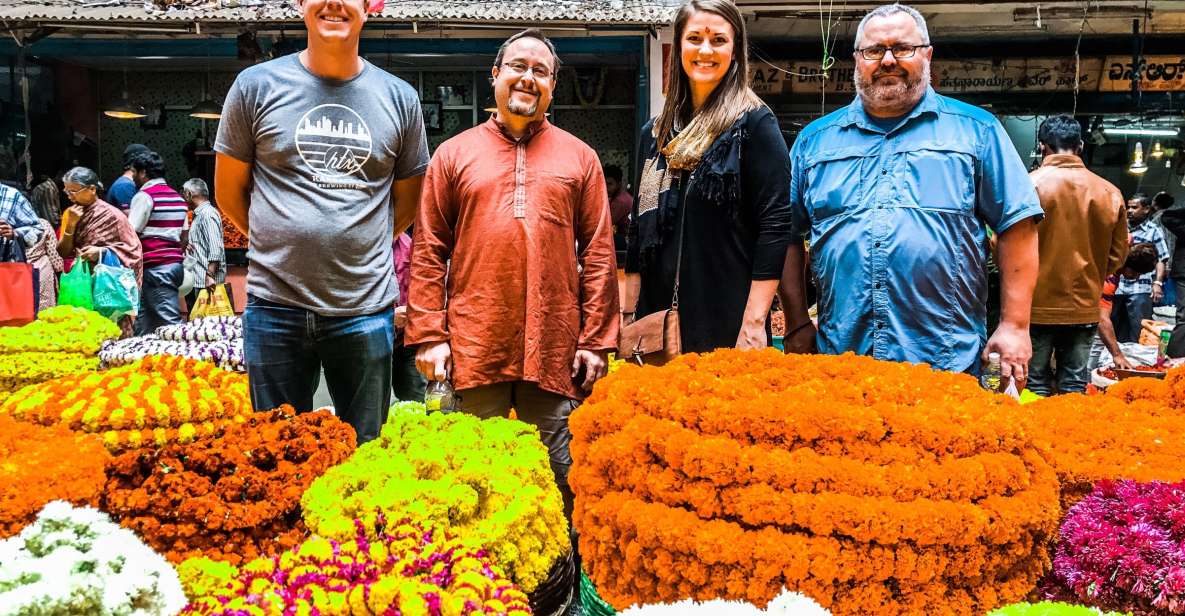
- KR Market on foot: Walk through one of Asia’s largest flower markets and take in the sights and smells
- South Indian breakfast included: Masala dosa plus South Indian filter coffee or a similar snack, vegetarian
- Old Bangalore origin story: Fort and Summer Palace tie Bengaluru’s past to Mysore rulers and British influence
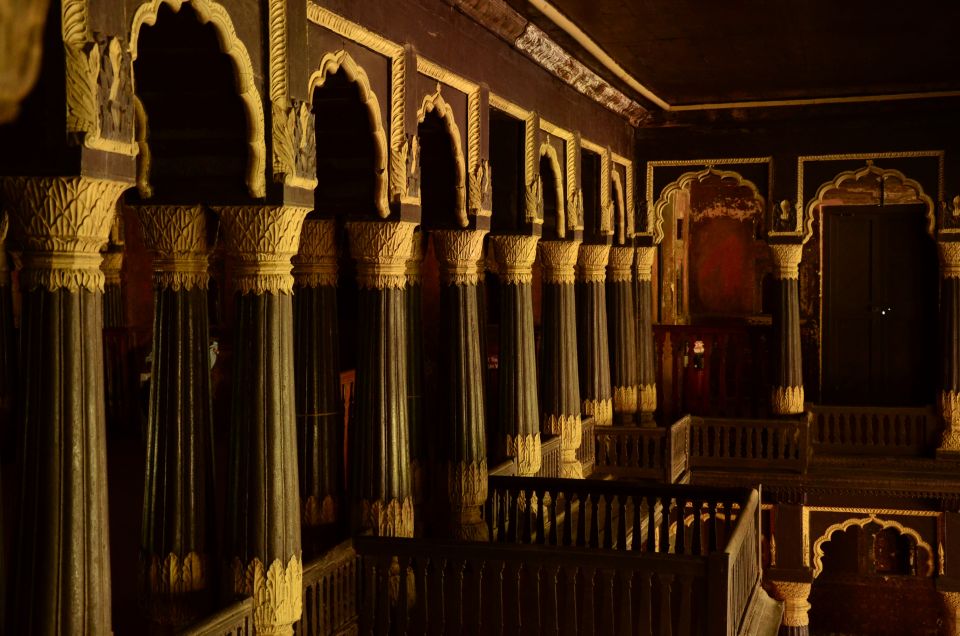
- Teak columns and Indo-Islamic details: You’ll see the Summer Palace area from outside, with fresco influence noted
- Small group, English guide: Limited to 10 participants, with lots of room for questions
- Busy, uncovered spots: You’ll want an umbrella, sunglasses, water, and a light layer for sun and crowd time
Old Bangalore on Foot: Fort, Palaces, and Real Street Energy
If you want Bangalore that isn’t just cafés and malls, this is the kind of walk that gives you context fast. You’ll start in the older part of the city and move through narrow streets where life happens at street level. Markets in this area aren’t staged for tourists, and that matters. History here isn’t behind velvet ropes—it’s in the way people buy, trade, cook, pray, and talk as the day rolls forward.
The tour is built around a simple idea: connect people and places. You begin with how Bengaluru formed and grew, then you shift to how the city feeds itself daily—through breakfast and market life. After that, you step into layers of power: the old fort area, and the Summer Palace grounds linked to Tipu Sultan. Along the way, your guide uses stories to stitch it together, so each stop feels like part of one bigger picture.
With only 3 hours on the clock, the pace is steady rather than slow. That’s good news if you have limited time in Bangalore, but you should still expect a classic city-walking workout.
You can also read our reviews of more walking tours in Bangalore
Meet at State Bank of India, Kempegowda Road, and Start With Direction
The meeting point is practical and easy to find: the entrance gate of the State Bank of India on Kempegowda Road (Kempegowda Road is also where Uber or public transport can get you close). From there, the group heads straight into the older streets, so you don’t waste time “getting oriented.”
This early start matters because the neighborhoods you’ll walk through are active and sometimes crowded. When you arrive as a group with a guide, you’re less likely to wander into the wrong side streets or miss key landmarks.
Small-group format helps here. With a maximum of 10 people, your guide can keep the group together in narrower lanes and adjust the route if you need a breather.
The Breakfast Stop That Makes the City Make Sense
One of the best parts of this tour is that food doesn’t feel like an add-on. It’s part of how Bangalore works day to day.
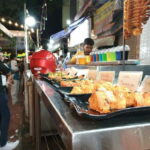
Depending on your starting time, you’ll have an authentic South Indian breakfast or snack—typically masala dosa with South Indian filter coffee. This combo isn’t just tasty; it’s also a quick cultural lesson. Dosa is simple at first glance, but it opens doors to questions like: What’s eaten in morning markets? What flavors are common in everyday cooking? Why do certain foods show up in almost every neighborhood?
You don’t need to know the menu beforehand. Your guide leads you to a local eatery setup that fits the tour flow, and you’ll get enough time to eat without feeling rushed.
Diet note: the tour includes vegetarian food, so if you eat dairy and eggs normally you’ll likely be fine, but the tour is clearly positioned as vegetarian throughout.
KR Market: Asia-Scale Flowers, Close-Up Street Smells
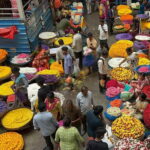
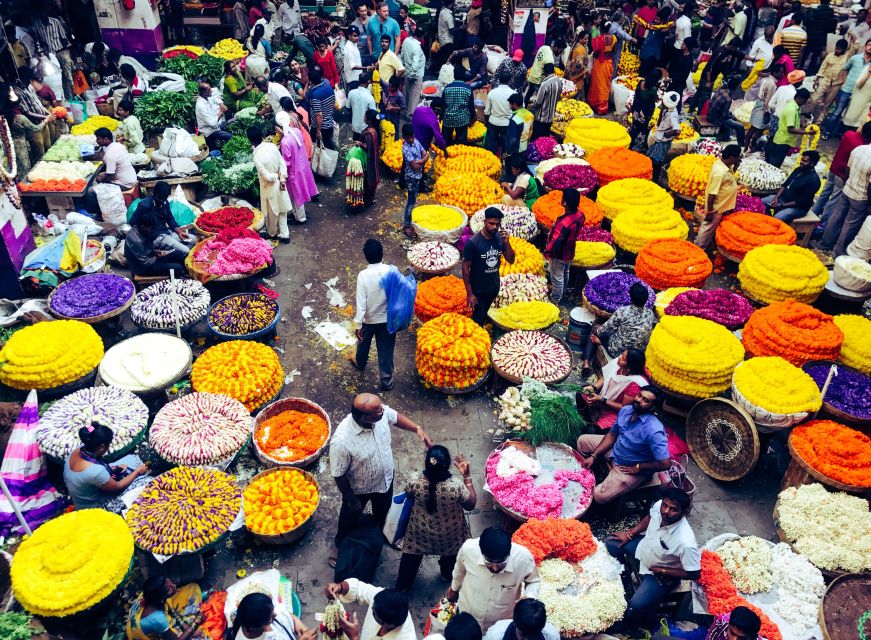
The tour’s market highlight is KR Market, described as the largest flower market in Asia. This is the part that turns your brain from “tour mode” into “street mode.”
Expect narrow walkways packed with color, busy stalls, and people doing real work. Flowers arrive, vendors arrange, and shoppers compare bunches like this is their daily routine. Your guide talks through what you’re seeing—what kinds of flowers are common, how the market functions, and why this kind of trade sits at the heart of everyday city life.
This is also one of those moments where you’ll feel the power of having someone with you. A market can be chaotic on your own. With a guide, you know where to stand, what not to block, and how to move through crowded aisles without getting stressed.
Practical tip: this is a busy area and can get even tighter during festivals and weekends. Bring a water bottle, and if you’re sensitive to dust or spice, carrying a mask is a good idea since the route may pass through spice-market sections.
Bangalore Fort Ruins: Where Mysore and Colonial Ties Show Up
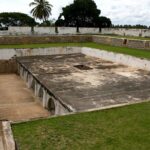
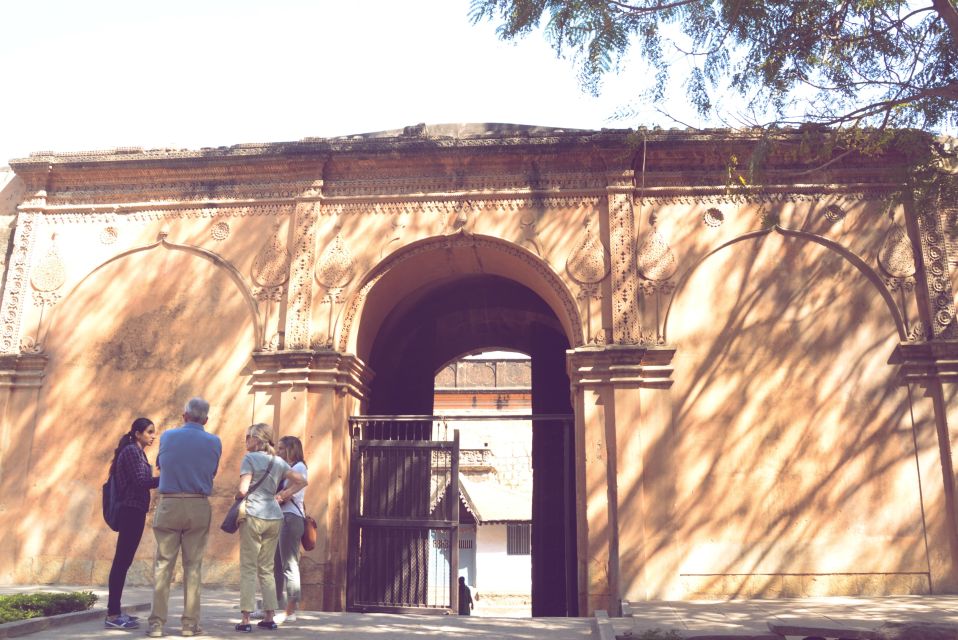
Next you head to the ruins of the Bangalore Fort, built in the 1700s. Even though you’re looking at what remains, your guide helps you picture the earlier “glory days” through references to old photographs and sketches.
Here’s why this stop is valuable for your brain: it’s not just a pile of old stones. It’s a chance to understand how the city was shaped by shifting rulers and changing political power. The tour connects these themes to the Mysore rulers and later British influence, so the fort becomes a timeline marker rather than a vague background detail.
You’ll also get a sense of how history shows up in modern neighborhoods. Old power centers often influence later roads, building patterns, and even what people remember about a place. Standing near ruins with a guide helps you read the city like a map of eras.
Drawback to keep in mind: ruins usually mean uneven walking and open-air sun exposure. Wear good shoes, and bring shade items if the weather is harsh.
You can also read our reviews of more shopping tours in Bangalore

Tipu Sultan’s Summer Palace Area: Indo-Islamic Details Without the Rush
Your final stop is outside the Summer Palace of Tipu Sultan. The walk ends outside the palace, but you can choose to go inside if you want—there’s an entrance fee of 250 rupees per person for that option.
Even from the outside, the palace area is worth it for two reasons:
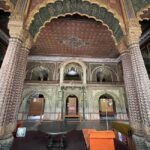
- You’re told what to look for, including teak wood columns
- You’ll learn about Indo-Islamic cultural influence, especially as it relates to fresco work
This is a different kind of stop than KR Market or the fort ruins. Instead of “street energy,” you shift into architecture details and design language—how materials and styles reflect power and cultural exchange.
If you’re short on energy, it’s totally reasonable to keep it to the exterior view. The tour is already designed to give you the essentials without requiring monument entry time.
The Human Part: A Local Guide Who Connects Past and Daily Life
The best walking tours don’t just list facts. They explain why those facts matter to how people live now.
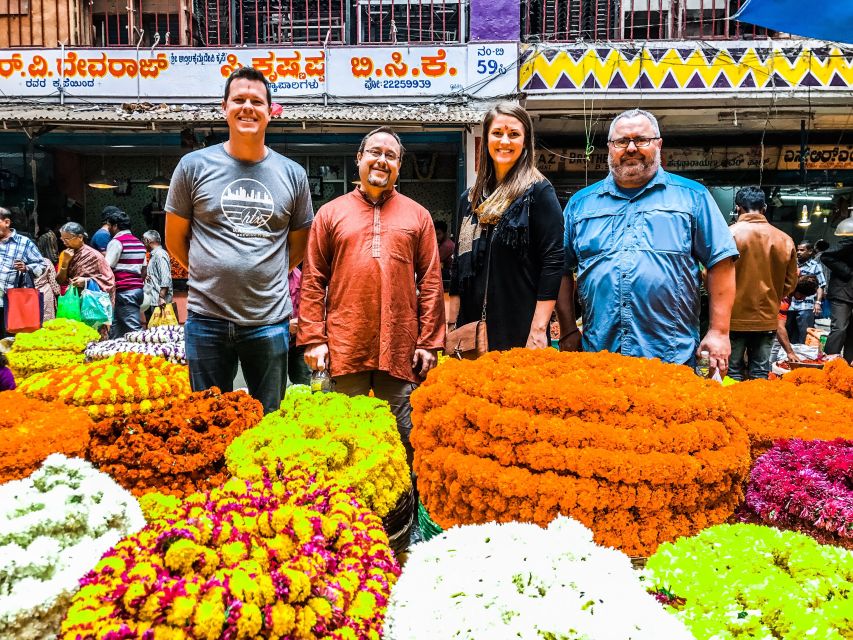
Across the tour’s sample of guide experiences, the common thread is storytelling that connects each landmark to daily city rhythms. Names that have led past groups include Deepti and Sushma, and you may also encounter guides like Ruchira or Aniketh. The pattern is the same: the guide shares personal city-life stories alongside the formal historical thread.
This is one of the main reasons the tour works well as a first-day or first-week Bangalore activity. You get a mental map of the city’s identity, and that makes later sightseeing feel more meaningful. Markets start to look purposeful rather than random. Fort ruins stop being just “old.” Palaces stop being just “cool architecture.”
What to Wear, Carry, and Expect in Temples and Crowds
This tour gives clear practical guidance, and you should treat it like a checklist.
- Wear modest clothes that cover knees and shoulders
- Bring comfortable shoes you can walk in for 3 hours
- Carry water and plan for heat and street dust
- An umbrella and sunglasses are recommended
- Footwear may need to be removed in temples or places of worship
Because you’ll be moving through markets and older lanes, expect crowds and constant motion. That’s not a reason to avoid the tour—it’s a reason to prepare.
Also, it’s marked as not suitable for pregnant women. That’s likely due to the combination of walking time and crowded areas. If you’re someone who needs a more relaxed pace or step-by-step accessibility, this may not fit.
Price and Value: Why $43 Works for 3 Hours in Old Bangalore
At $43 per person for a 3-hour small-group walking tour, the value comes from what you get bundled in.
What’s included:
- Guided tour
- Vegetarian South Indian breakfast or snacks
What’s not included:
- Entrance fees to monuments (with the specific note that Summer Palace interior entry is 250 rupees if you choose to go inside)
- Hotel pickup and drop-off
- Souvenirs
So you’re paying for local guidance, a planned route through older neighborhoods, and a food stop you’d otherwise have to research yourself. In practice, that makes sense if you want to spend your limited time in Bangalore seeing the right places with context, instead of trying to figure out which lane leads where.
If you’re the type who enjoys markets and history and likes to ask questions, this price feels fair. If you only want one or two major sights and aren’t interested in market life, you might feel the focus is broader than you need. But given the time limit, the route is efficient.
Who This Walk Is Best For (and Who Might Skip It)
This tour fits best if you:
- Want a first look at Bangalore’s older core
- Like market energy and food you can actually eat with locals
- Prefer a guided story over reading guidebooks alone
- Have about half a day and want a concentrated route
You might skip it if:
- You can’t manage crowded streets and steady walking
- You need a flexible, slow pace
- You’re not comfortable with modest dress expectations and possible footwear removal in worship spaces
Should You Book This Bangalore Fort, Palace, and Market Walk?
Yes, I’d book it if you want Bangalore with context. The mix of Fort ruins, the Summer Palace area, and KR Market is a smart combo: you see power and you see everyday life in the same half-day window. The included breakfast/snack is also a practical win because it saves you from guessing where to eat when you’re already on the move.
Before you commit, do two quick checks:
- Make sure you’re comfortable with crowds and you can handle 3 hours of walking
- Plan for the Summer Palace interior fee if you think you’ll want to go in (the tour ends outside)
If those boxes fit you, this is a solid “start here” experience that helps you understand why Bangalore feels the way it does.
FAQ
Where do I meet the guide for the walking tour?
Meet at the entrance gate of the State Bank of India on Kempegowda Road. It’s described as easily reachable by Uber taxi or public transport.
How long is the tour, and is it a small group?
The tour runs for 3 hours and is limited to a small group of 10 participants.
What food is included?
The tour includes vegetarian South Indian breakfast or snacks, typically including masala dosa and South Indian filter coffee depending on your starting time.
Is there an entrance fee for the Summer Palace?
The walk ends outside the Summer Palace of Tipu Sultan. If you choose to go inside, there is an entrance fee of 250 rupees per person.
What should I wear and bring?
Wear modest clothes that cover your knees and shoulders, and bring comfortable shoes and water. It’s also recommended to carry an umbrella and sunglasses. Footwear has to be taken off in temples or places of worship.
Is the tour suitable for everyone?
It is not suitable for pregnant women. The route is in busy market areas, so it involves crowded streets and steady walking.