REVIEW · NEW DELHI
Delhi: Heritage Photography Tour
Book on GetYourGuide →Operated by Yo Tours · Bookable on GetYourGuide
Delhi rewards your camera at every turn. This 2-hour heritage route around Safdarjung Tomb and Lodhi-area landmarks guides you to photo spots most people miss.
I especially like the photo-first guidance: you’ll get practical photography tips, plus help spotting angles in places like the Muhammad Shah Sayyid Tomb. I also like the storytelling side, where the guide connects monuments to religion and local meaning, with one hot beverage to keep your energy up.
One possible drawback: this is a real walking tour. It’s not suitable for wheelchair users or pregnant women, and luggage or large bags aren’t allowed.
In This Review
- Key things to know before you go
- Delhi turns every corner into a photo assignment
- Start at Safdarjung Tomb: where your camera learns the route
- A quick reality check on punctuality
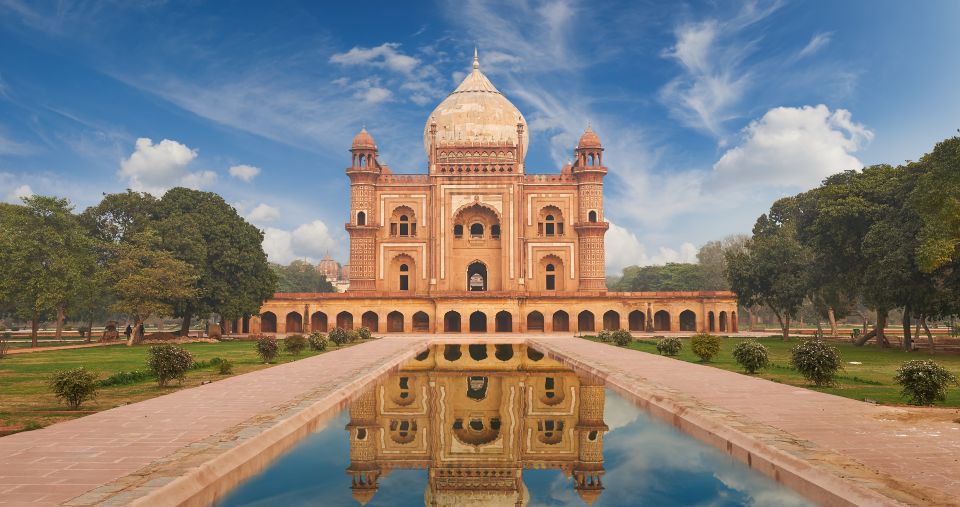
- Safdarjung Tomb: first frames, strong shapes, and easy composition
- Muhammad Shah Sayyid Tomb: relics you can frame like a story
- Bara Gumbad (tomb and mosque): 15th-century stone with texture to spare
- Athpula Bridge and the lake crossing: reflections and movement
- Shish Gumbad and Sikandar Lodi Tomb: the Lodhi Dynasty’s final chapter
- Lodhi Garden and Rose Garden: nature + architecture in one breath
- Lodhi street art: modern themes against older walls
- How the guide’s “photography tips” actually help
- What you’re really getting for $14
- Who should book this photography tour (and who shouldn’t)
- FAQ
- FAQ
- Where do I meet the guide?
- How long is the tour?
- What’s included in the price?
- What should I bring?
- Is luggage allowed?
- Is the tour refundable if plans change?
- Should you book the Delhi Heritage Photography Tour?
Key things to know before you go
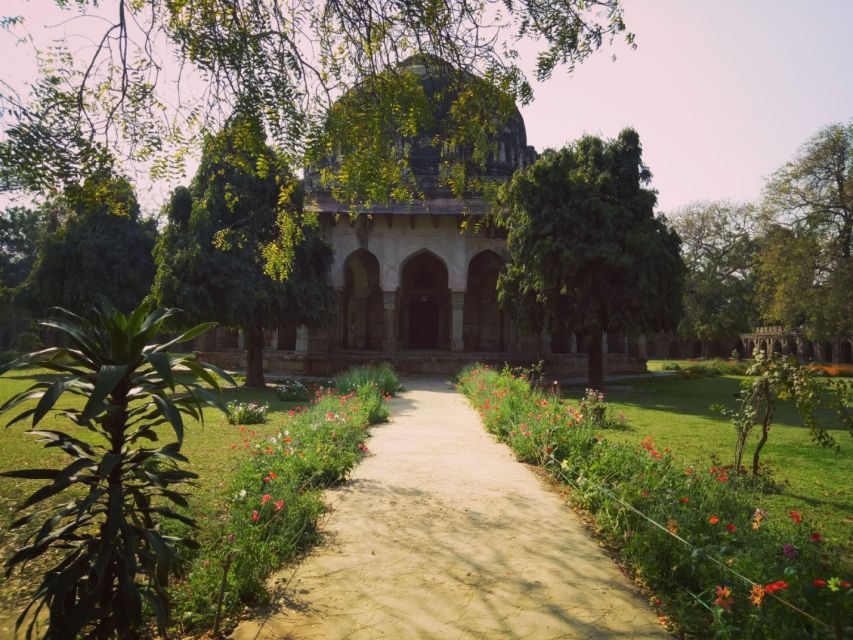
- Safdarjung Tomb start at the entrance gate and ticket counter area, so you can jump in right away
- Photography tips included, designed for both phone and camera users
- Lodhi Garden and Rose Garden give you nature + architecture frames in one route
- Lodhi-area tombs include the Muhammad Shah Sayyid Tomb and the 15th-century Bara Gumbad tomb and mosque
- Shish Gumbad and Sikandar Lodi Tomb add classic Delhi monuments near the end
- Lodhi street art brings color and modern themes into an older neighborhood
Delhi turns every corner into a photo assignment
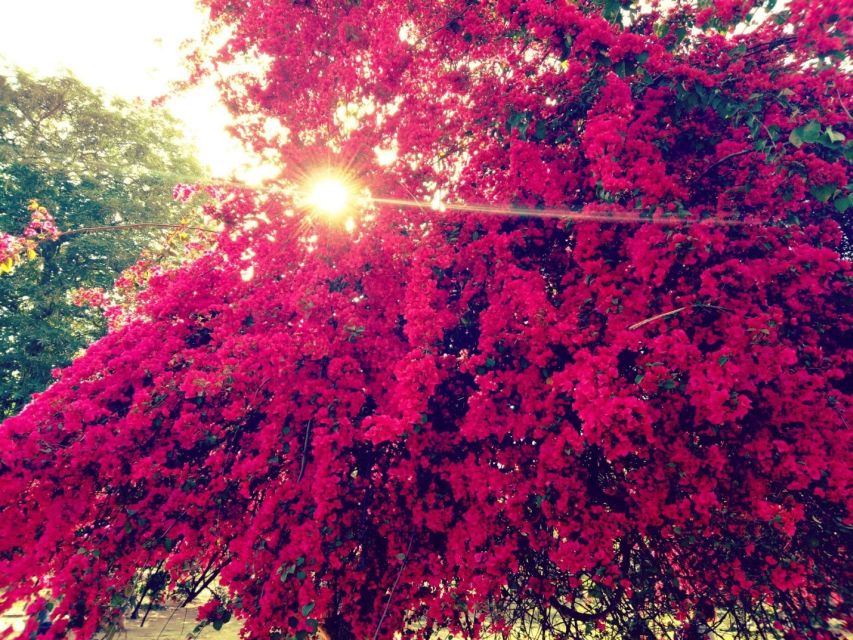
Delhi is basically a living viewfinder. In a good session, you’re not just taking pictures of buildings—you’re capturing textures, street details, color, and the way people move through space.
What makes this tour feel different is that you’re not wandering randomly. You’re following a guide who helps you target the best photo points, including quieter spots you might walk past on your own.
And yes, 2 hours is short. The upside is that you’ll still feel fresh when you’re done, not wrung out by a long day of sightseeing.
You can also read our reviews of more historical tours in New Delhi

Start at Safdarjung Tomb: where your camera learns the route
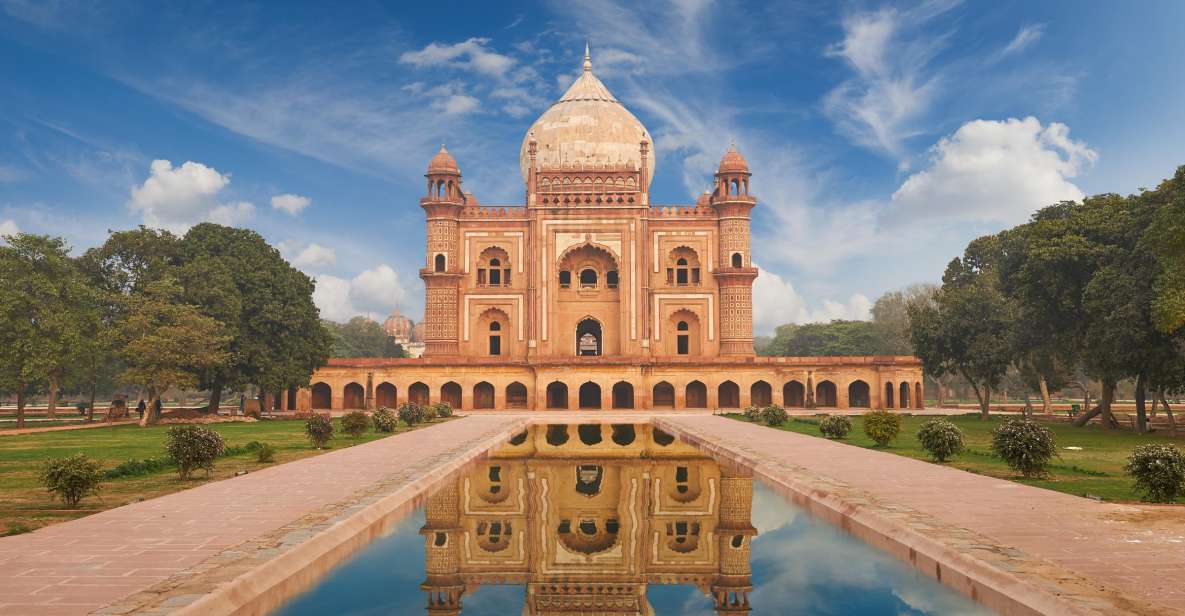
You meet at the entrance gate of Safdarjung Tomb at the ticket counter. That matters because the first minute sets your rhythm—once you’ve got your bearings, the rest of the walk flows better.
You’ll want comfortable shoes. The route is built for walking between multiple monuments and garden sections, and the best shots often mean stepping a little off the main path.
If you’re bringing a camera (or even a phone you want to treat carefully), keep your gear simple. The tour doesn’t allow luggage or large bags, so plan on carrying only what you truly need.
A quick reality check on punctuality
This experience is generally praised for good guiding, but one issue that has shown up is that a guide didn’t turn up on schedule during one instance. Your best defense is practical: arrive a little early, keep your phone charged, and be ready to ask at the ticket counter area if anything feels off.
Safdarjung Tomb: first frames, strong shapes, and easy composition
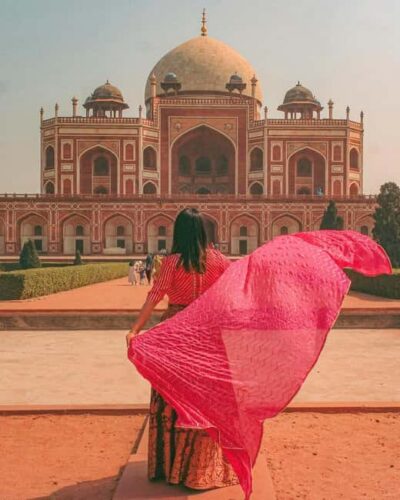
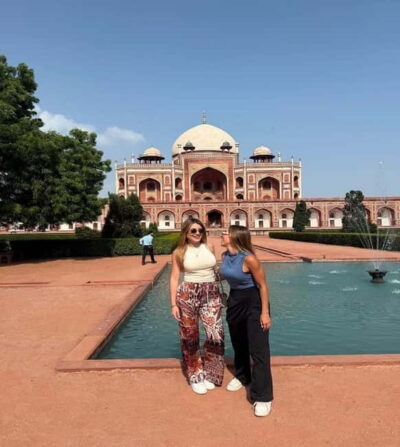
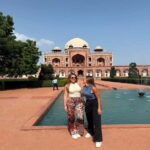
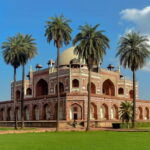
Safdarjung Tomb is where your tour starts, and it’s a smart choice. Tombs like this give you clean lines, strong symmetry options, and lots of surface detail to focus on—ideal when you’re setting your camera settings and learning what the guide wants you to look for.
For photography, I like this kind of opening because it lets you experiment without stress. You can try wider shots that show the monument, then tighten up for textures and edges once you’ve found your angle.
If the light is softer—early evening can work well—you’ll usually get more flattering tones on stone and less harsh glare. Even if you only catch a few minutes of that, it’s worth it.
Muhammad Shah Sayyid Tomb: relics you can frame like a story
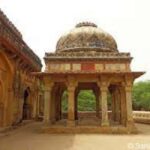
Next you’ll visit the Muhammad Shah Sayyid Tomb, which displays relics from Delhi’s past. This is where your guide’s storyteller role becomes more than background noise.
Relics are great photo subjects because they invite detail shots. Instead of only photographing the architecture, you can photograph meaning: worn surfaces, shaped niches, and any objects on display that connect the site to later generations.
This stop also tends to reward patience. You’ll get better images if you slow down for 30 seconds at a time, not if you rush through the first sightline.
You can also read our reviews of more photography tours in New Delhi

Bara Gumbad (tomb and mosque): 15th-century stone with texture to spare
The tour passes the 15th-century Bara Gumbad tomb and mosque. This kind of site gives you a photographer’s checklist: arches to frame, domes and volumes to stack in layers, and shadows that help outline the forms.
Because the walk includes older buildings and wide lanes nearby, you also get chances to shoot the monuments in context—not just as isolated objects. Those “in-between” shots often become the ones you’ll remember later.
One practical tip: when you’re shooting stone architecture, small position changes matter. Move a step left or right, then check how the background cleans up behind the structure.
Athpula Bridge and the lake crossing: reflections and movement
At some point you’ll use the Athpula Bridge to cross a lake. This is one of those sections that feels different from tombs and courtyards because you’re photographing reflections, distance, and open sky.
Bridges add natural leading lines. They also help you create depth—foreground railings or surfaces, the water in the middle, and the far side of the scene.
If there are any boats or ripples, treat them like a bonus. Even subtle movement can add life to an otherwise still architectural scene.
Shish Gumbad and Sikandar Lodi Tomb: the Lodhi Dynasty’s final chapter
Towards the end, you’ll visit Shish Gumbad, described as the last lineage of the Lodhi Dynasty. This is the kind of landmark that makes the whole tour feel connected: you’re moving through eras, and the guide helps you see why these sites matter.
After that, you’ll also explore the Sikandar Lodi Tomb. When tomb complexes are close together, you can compare architectural choices and layout styles without changing your whole mindset.
For photos, I like to switch modes here. Earlier you might have shot the big shapes; now you can look for the smaller, quieter details—edges of doors, patterned surfaces, and the way people stand around the site.
Lodhi Garden and Rose Garden: nature + architecture in one breath
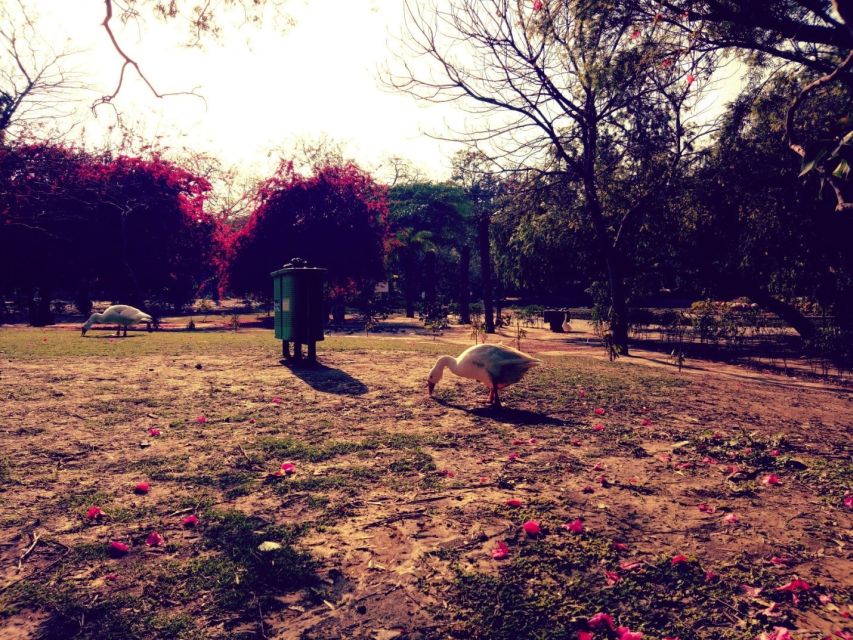
You’ll spend time in Lodhi Garden, often described as one of the city’s loveliest parks. This is your break from pure monument photography, and it’s where the tour earns its “variety” credit.
Think trees, flowers, and park paths—plus architecture glimpses that show Delhi isn’t just stone and domes. The garden gives you calmer compositions, and it also helps you reset your eye after close-up history details.
The tour also includes walking through the Rose Garden. Even if you’re not a dedicated flower photographer, rose gardens are great for color balance and background softness. They help your images breathe.
If you can, keep an eye out for tree textures and layered branches. Those patterns can frame tombs and gates in the distance, giving you shots that look like planned compositions even when you’re walking.
Lodhi street art: modern themes against older walls
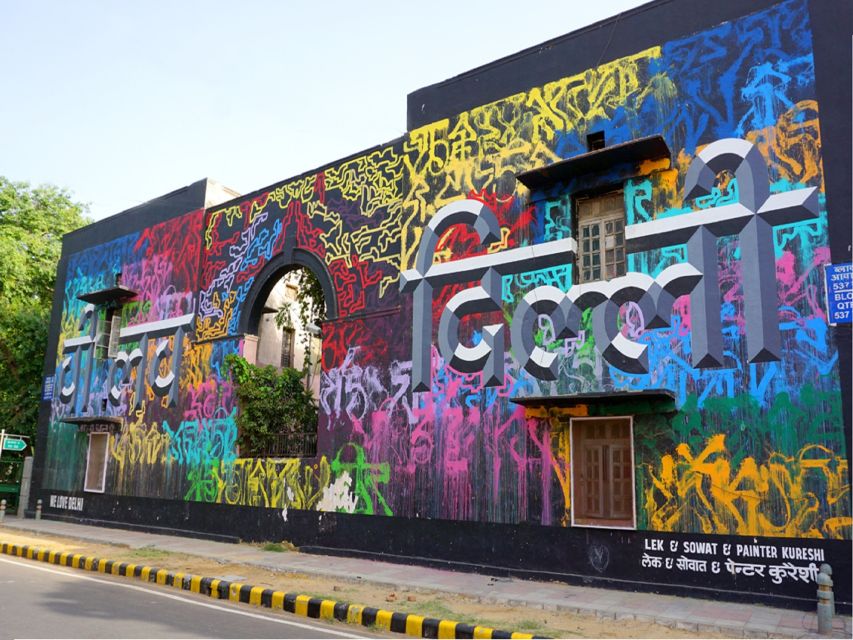
Near the end, you’ll explore Lodhi street art, with painted walls showing graffiti themes like nature, the origin of the world, and life and death. This is a fun contrast after all the formal architecture.
I like street art on a heritage route because it shows how place keeps evolving. You get to shoot something contemporary that still fits the neighborhood’s mood.
Photo-wise, treat it like a storytelling assignment. Try a few approaches:
- Wide shot to capture the wall in context
- Medium shot focusing on key characters or symbols
- Close shot on textures and brush marks
That way, you’ll end up with more than one “samey” photo from the same wall.
How the guide’s “photography tips” actually help
The tour includes photography tips, and that’s the part I’d pay attention to if you want better results fast. In a tour like this, tips aren’t about theory. They’re about practical choices that affect what you can capture in 2 hours.
You’ll likely get guidance on where to stand, how to frame architecture, and when to focus on details instead of sweeping views. Guides who deal with photographers tend to understand that you need a few minutes to work quietly, not constant interruptions.
Two guide names have stood out in the experience: Rajeev is praised for being informative and comfortable with a photo-focused pace, while Ameesha is noted for patience and for contacting people so they don’t miss the start. You don’t need to hunt for these exact names, but it’s a useful sign that the guides can handle a range of shooting styles.
What you’re really getting for $14
At $14 per person for a 2-hour walk, the value is strong, mainly because entry to the photographic destinations is included. That matters in India, where ticket lines and small entry costs can add friction to a short sightseeing window.
You also get:
- Entry to the stops
- Photography tips
- A hot beverage
- English and Hindi (plus Spanish live tour guide option)
- Conversations about religion, beliefs, and local importance
The only “gotcha” on value is what’s not included: water bottle, and hotel pickup/drop-off. That’s not unusual, but it means you should plan a quick water strategy before you start. Bring your own bottle, or make sure you can refill nearby after the tour.
Who should book this photography tour (and who shouldn’t)
This tour is a good fit if you:
- Want a structured photo route without planning each stop
- Like mixing monuments with gardens and street art
- Enjoy learning the meaning behind religious and historic sites
- Have limited time and want 2 hours that stay purposeful
It’s not a great fit if you need accessibility support, because it isn’t suitable for wheelchair users. It also isn’t suitable for pregnant women, and luggage or large bags aren’t allowed.
If you’re traveling with a lot of gear, consider packing it light. A small camera bag is manageable; a bigger setup is likely to be annoying—or not allowed.
FAQ
FAQ
Where do I meet the guide?
Meet at the entrance gate of Safdarjung Tomb (the ticket counter).
How long is the tour?
The tour lasts 2 hours.
What’s included in the price?
Entry to all photographic destinations, photography tips, one hot beverage, and a guide who tells stories in English and Hindi (and Spanish is also listed).
What should I bring?
Wear comfortable shoes. The tour also notes that water bottle is not included.
Is luggage allowed?
No luggage or large bags are allowed.
Is the tour refundable if plans change?
Free cancellation is available up to 24 hours in advance for a full refund.
Should you book the Delhi Heritage Photography Tour?
I’d book it if you want a photo-led walk through Delhi’s Lodhi-area mix of tombs, gardens, lake views, and street art—without spending your entire day planning routes. The $14 price is hard to beat when entry and photography guidance are included, and the guide’s storytelling about religion and local meaning can turn your pictures from pretty to purposeful.
But book with clear expectations: it’s a walking tour, it’s time-limited, and it isn’t suitable for everyone. If you keep your gear light, wear comfy shoes, and arrive at the Safdarjung Tomb ticket counter a bit early, you’ll set yourself up for the kind of 2-hour photo session that feels like you learned the city’s visual rhythm fast.