REVIEW · CHENNAI
Chennai: Magical Markets Guided Walking Tour
Book on GetYourGuide →Operated by Yo Tours · Bookable on GetYourGuide
Markets can feel like a whole universe.
This Chennai street market walking tour turns everyday shopping into a guided lesson in how the city actually works—through George Town and Black Town lanes, the flower stalls, the spice counters, and the textile streets. I love that you’re not just looking; you’re moving with a local storyteller who can translate what you’re seeing and why it matters.
My second favorite part is the sensory loop: you’ll pass from fresh garlands and fruits to spices and herbs where the smells do the talking.
One thing to consider: this is a walking show in crowded areas, so the experience depends heavily on your guide arriving on time and keeping the group together—some bookings have had start hiccups or early cutoffs.
In This Review
- Key things to know before you go
- Chennai markets are the real city—if you walk them smart
- Meeting at King George V: your easiest path to a smooth start
- Black Town and George Town lanes: where the city feels alive
- Textile Market streets: fabrics, clothing, and slow-looking time
- Spice Market: smells first, answers second
- Flower Market and garlands: an easy win for your senses
- Pacing, group size, and the guide quality reality check
- About guide names you might hear
- What the $18 price really buys (and what it doesn’t)
- Practical tips to make the markets work for you
- Should you book this Chennai markets guided walk?
- FAQ
- FAQ
- How long is the Chennai Magical Markets Guided Walking Tour?
- What is the price per person?
- Where do I meet the guide?
- What languages does the guide speak?
- Is hotel pickup and drop included?
- Is a water bottle included?
- What should I bring?
- What is included in the tour?
- What is the cancellation policy?
Key things to know before you go
- King George V statue meetup: it’s your anchor point, so aim to arrive early.
- Black Town/George Town lanes: expect narrow streets and busy traffic energy.
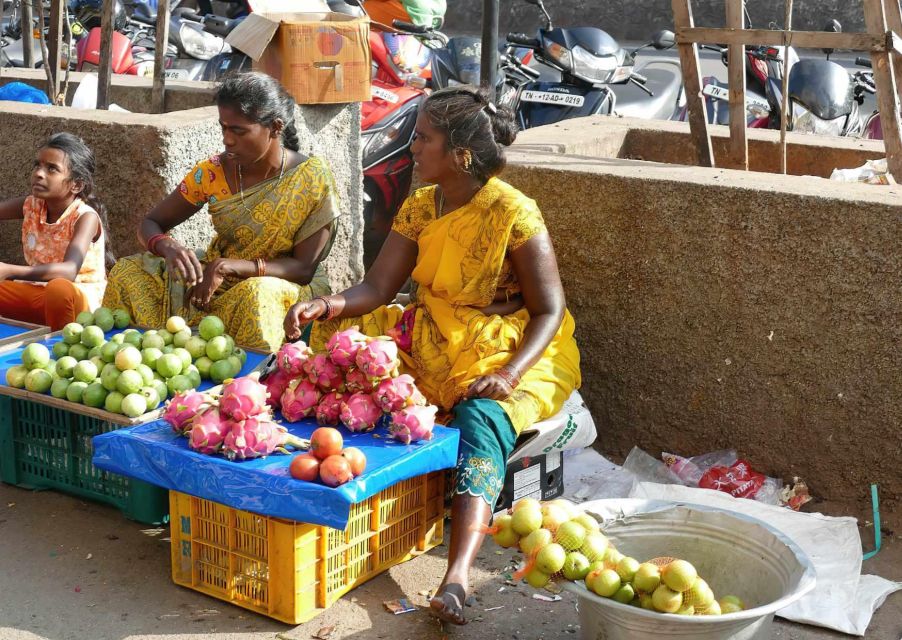
- Spice Market stops: you’ll get guided context for what you’re smelling (not just walking past).
- Textile Market streets: plan time to look closely at traditional fabrics and clothing options.
- Price-value sweet spot: $18 for ~2 hours with a guide and local money-saving tips.
- Guide quality matters: the best tours run on clear storytelling and steady pacing.
Chennai markets are the real city—if you walk them smart

If you’ve only seen Chennai from the big-ticket viewpoints, you might miss the heart of the place. Here, the action isn’t in one monument. It’s in the bazaars—the places where you watch daily life happen while people buy, bargain, trade, and chat like it’s normal. That’s why a guided walk is such a good idea: you’re not trying to decode everything on your own in a maze of lanes.
On this tour, your “classroom” is the market itself. You’re guided through George Town, known as one of the oldest market areas, plus Black Town, where the streets can feel tight and loud. Then you shift into specific shopping zones—textiles, spices, and flowers—so you get a sense of what each market is good at, and what kinds of things you’ll actually see.
I also like the tour’s emphasis on small, practical discovery: hidden lanes and places can make the difference between simply passing stalls and understanding how people move through them.
You can also read our reviews of more walking tours in Chennai



Meeting at King George V: your easiest path to a smooth start
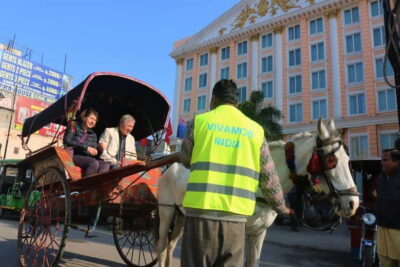
The meeting point is the King George V statue. That’s helpful because Chennai has plenty of landmark chaos. But the area can still be tricky in real life—street-level directions matter, especially if you arrive and the crowd is doing its own thing.
Here’s what I’d do to keep your start stress-free:
- Arrive a bit early and be visible near the statue rather than wandering off to “find the guide.”
- If you’re running late, don’t assume the guide will wait. With a 2-hour tour, even small delays can compress the experience.
- If you see construction or barriers near the meeting spot, treat it as a sign to double-check your exact pickup point before you commit to walking elsewhere.
Some people have had problems locating the guide when the meetup wasn’t easy to access. You can avoid that by staying close to the named landmark.
Black Town and George Town lanes: where the city feels alive
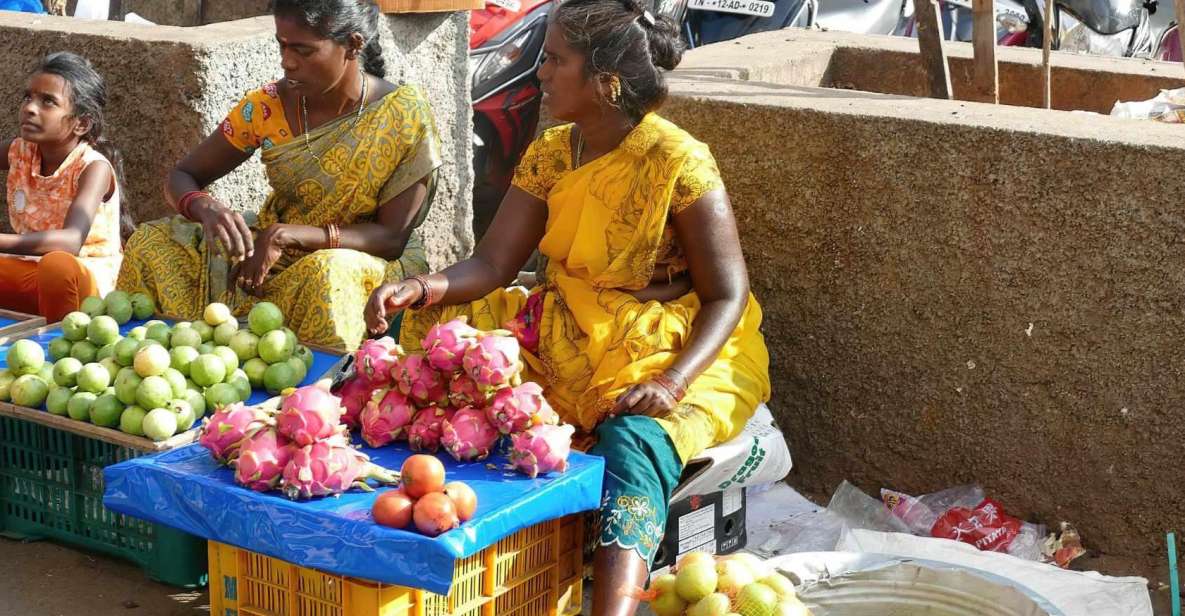
Your tour includes time in Black Town & George Town, with narrow lanes and what the city does best: traffic energy. This is not the kind of street walk where you can stroll slowly and take perfect photos every second. You’ll be moving through real market movement, where foot traffic and vehicles share space.
What’s great about this portion:
- A guide helps you avoid the “wrong turn” feeling. You know what you’re approaching and why it’s there.
- You get context for the market system—how the neighborhoods support daily needs like produce, cloth, jewelry, and supplies.
- You’ll likely see the blend of old and everyday: stalls that feel traditional, but shopping that feels completely current.
The tradeoff is that the lanes can get crowded, and you need to stay aware of your footing and your pace. Bring a calm attitude. You’re walking with the city, not watching it from the sidelines.
Also, timing can affect how much of George Town feels fully open. On days when many stalls close, your stops can feel shorter than you expected. If you care most about shopping zones being active, choose a weekday over a day when closures are more common.
Textile Market streets: fabrics, clothing, and slow-looking time

One of the highlights is the Textile Market. This is where a guided walk really earns its keep. Textiles can look similar from far away—then you realize the details are everything: fabric type, how it’s used, what’s suitable for clothing, and how styles are described locally.
On the textile streets, expect color, variety, and a lot of visual noise in the best way. You’re likely to pass through sections where traditional fabrics and garments are the focus. If you like shopping, this is where you can ask questions and compare options without feeling totally lost.
Drawback: textile areas can be dense and offer many distractions, so if your guide’s pacing is slow or chatty in a way that doesn’t connect to what you see, you may feel like you’re only skimming. A strong guide will connect the dots quickly—why these materials are common here, what people buy for, and what you should notice while you’re looking.
The best version of this stop feels like walking through an organized chaos. You leave with a sense of what choices exist, not just a few photos.
Spice Market: smells first, answers second

Then you hit the Spice Market, and the first thing you notice is the scent. Spices and herbs aren’t subtle in Chennai. The air can hit you with warmth, heat, and something earthy all at once.
What I like about a guided stop here is that the smell becomes information. Your guide can help you connect what you’re seeing—what’s being sold in different forms—with how spices are used and why people stock them. That turns spice browsing from random sniffing into a mini culture lesson.
This stop is also where you can learn how to think like a shopper:
- Look at how spices are packaged and presented.
- Watch how vendors explain what they’re selling.
- If you’re unsure what to buy, let the guide’s local recommendations narrow your options.
One consideration: strong scents can be a lot in a crowded space. Take it at your own pace. If you get overwhelmed, step back for a moment, reset, and then rejoin when you’re ready.
You can also read our reviews of more guided tours in Chennai

Flower Market and garlands: an easy win for your senses
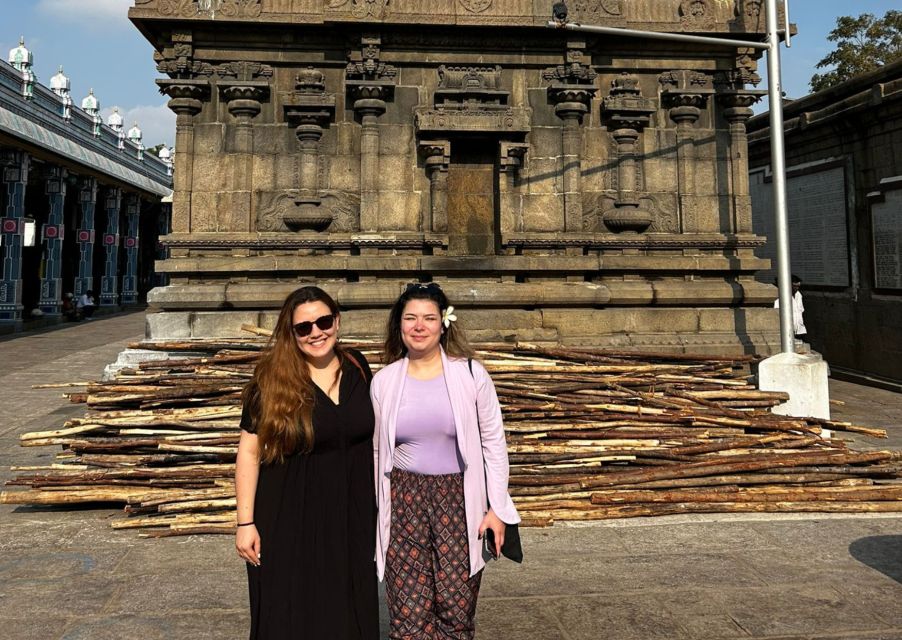
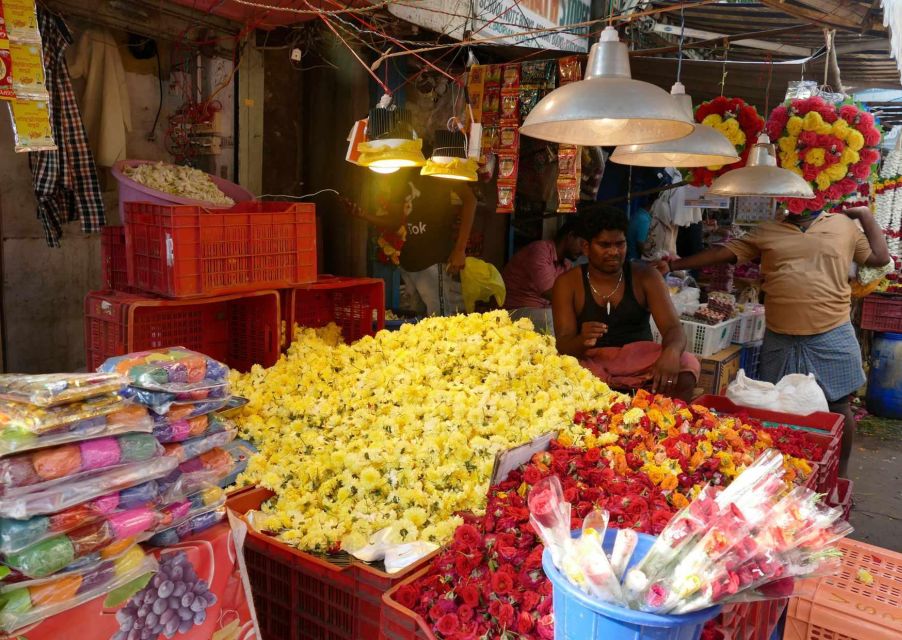
The tour also includes time at the flower market, with fresh flowers and garlands. If you’ve ever seen flower arrangements for ceremonies or daily worship, you already know why this matters. Flowers aren’t just decoration here; they can be tied to routines and celebrations.
What makes a guided flower stop worthwhile is speed and selectivity. You’ll still get to see the range—colors, textures, and bundles—but you’re not stuck wondering what you’re looking at or how people choose.
You’ll also notice how people move through these areas. It’s not random. There’s usually a logic to where items are displayed and how buyers approach stalls. A guide helps you see that logic instead of treating it like a maze.
If you want to buy flowers or anything perishable, keep your practical reality front and center: you’re walking for 2 hours through crowded lanes, and you’ll need a plan for carrying items comfortably.
Pacing, group size, and the guide quality reality check
This tour is described as a private group with a guide who speaks English and Hindi. That matters because you’re more likely to get real interaction instead of being one of many faces in a long line.
That said, your outcome depends on the guide’s approach:
- When the guide is on top of timing and story flow, the markets feel coordinated. You get meaningful conversations, quick explanations, and a sense of where to look next.
- When pacing slips, you can end up with long stretches of walking with minimal information. Some bookings have reported guides stuck in traffic or spending lots of time on the phone, which naturally cuts into the storytelling time.
If you’re the type who wants stories as much as shopping, set your expectation like this: ask yourself whether you’re comfortable guiding yourself through a crowded market even if the guide’s chatter slows. A strong guide will still deliver more value than you can get from walking alone—but the tour is still a street experience, not a museum script.
About guide names you might hear
One guide named Nanda appears in both positive and negative accounts, so if your guide is Nanda, I’d go in with interest but still check that they’re actually ready at the meetup and focused on the group for the full time.
What the $18 price really buys (and what it doesn’t)

At $18 per person for about 2 hours, this tour is in the “small price, high street value” category—if everything runs smoothly. You’re paying for:
- A local storyteller/guide (English and Hindi)
- Local tips and recommendations aimed at saving money and exploring the best of the city
- Access to hidden lanes and places
- Conversation and context, not just wandering
What you’re not paying for:
- Hotel pickup and drop (you’ll get yourself to the meetup)
- A water bottle (bring your own if you want one, especially in warm weather)
- Anything like an entry ticket to a venue (this is street market walking)
In other words, the value comes from navigation + interpretation. If you love markets and you like asking questions, $18 is reasonable. If you expect a slow, comfortable stroll with very detailed museum-style explanations at every stop, you may find the street pace a bit tighter.
Practical tips to make the markets work for you
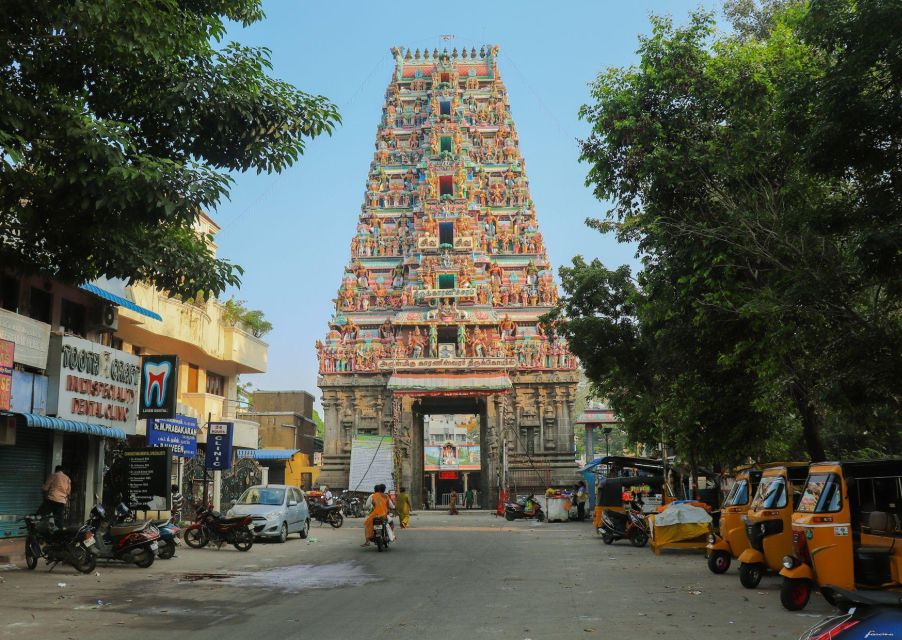
A market tour is simple, but it’s not always forgiving. A few practical choices can turn the whole thing from “meh” into “I’m glad I did this.”
Bring a sun hat as recommended. Chennai sun can be intense, and shade in narrow lanes isn’t guaranteed.
Wear comfortable shoes. You’ll be walking through crowded lanes and uneven ground.
Keep your phone power in mind. You’ll probably want to take photos—then realize you’re surrounded by details, and the battery disappears fast.
If you’re sensitive to strong smells, give yourself short breaks near less concentrated areas, especially around spices and flowers.
And one more thing: because you’re not getting water included, plan your hydration like an adult. You don’t want to spend the last 20 minutes feeling off because you forgot the basics.
Should you book this Chennai markets guided walk?
Book it if:
- You want to see George Town and Black Town in motion, not just from a distance.
- You enjoy spice, flower, and textile shopping zones and want a guide to translate what you’re seeing.
- You like learning through short conversations and turning street clutter into something organized in your head.
Skip it or go in with extra caution if:
- You hate walking through crowds and tight lanes.
- You need a very consistent guide presence and strict timing. This experience can be excellent with the right guide, but start problems can reduce the quality quickly.
- You’re traveling on days when many market stalls may be closed, because the tour’s “variety stops” can shrink.
If you do book, your best move is simple: arrive early at the King George V statue, be ready for dense streets, and bring your questions. When the guide is focused, this is exactly the kind of Chennai experience that sticks with you.
FAQ
FAQ
How long is the Chennai Magical Markets Guided Walking Tour?
The tour lasts 2 hours.
What is the price per person?
The price is $18 per person.
Where do I meet the guide?
Meet at the King George V statue.
What languages does the guide speak?
The guide speaks English and Hindi.
Is hotel pickup and drop included?
No, hotel pickup and drop are not included.
Is a water bottle included?
No, water bottle is not included.
What should I bring?
Bring a sun hat.
What is included in the tour?
It includes a trained English/Hindi-speaking guide, local tips and recommendations, access to hidden lanes and places, and conversations with the guide.
What is the cancellation policy?
Free cancellation is available up to 24 hours in advance for a full refund.