REVIEW · CHENNAI
Chennai Walk of Divinity (2 Hours Guided Walking Tour)
Book on GetYourGuide →Operated by Yo Tours · Bookable on GetYourGuide
Temples can teach you how to listen; this inward-focused walk turns three famous Chennai temples into a guided lesson about faith, doubt, and how people make meaning in everyday life. I love the English/Hindi storyteller-guides and the practical way you’re led through hidden lanes and quieter spots, not just the main street views. One possible drawback: this tour’s quality can swing with the guide’s punctuality and how well they connect the big ideas to what you’re actually seeing.
For a simple price—$18 for about 2 hours—you’re paying for interpretation, not just sightseeing. There’s no hotel pickup, and it’s not a “bring-a-water-bottle” situation, so come ready with comfortable shoes and plan to meet the group locally.
In This Review
- Key Things I’d Watch For on This Chennai Temple Walk
- A 2-Hour Guided Walk of Divinity in Chennai’s Temple Streets
- Marundeeswarar Temple and Aushadeeswarar: Shiva as the God of Medicines
- Pamban Swami Temple: Visiting a Scholar Within a Living Faith
- Ashtalakshmi Temple: Lakshmi, Everyday Prosperity, and Temple Meaning
- Why the Guide Makes (or Breaks) the Walk
- Price and Value: Is $18 a Smart Chennai Temple Buy?
- What You’ll Likely Experience While Walking (and Where You Might Need to Adapt)
- Who This Tour Fits Best (And Who Should Skip It)
- Should You Book Chennai Walk of Divinity (Yo Tours)?
- FAQ
- How long is the Chennai Walk of Divinity?
- How much does it cost?
- What temples are included in the experience?
- What languages will the guide speak?
- Is hotel pickup or drop included?
- What should I bring?
- Is water included?
- What’s the cancellation and payment flexibility?
Key Things I’d Watch For on This Chennai Temple Walk
- Inward theme, not outward sightseeing: you’re guided toward reflection while still walking real neighborhoods
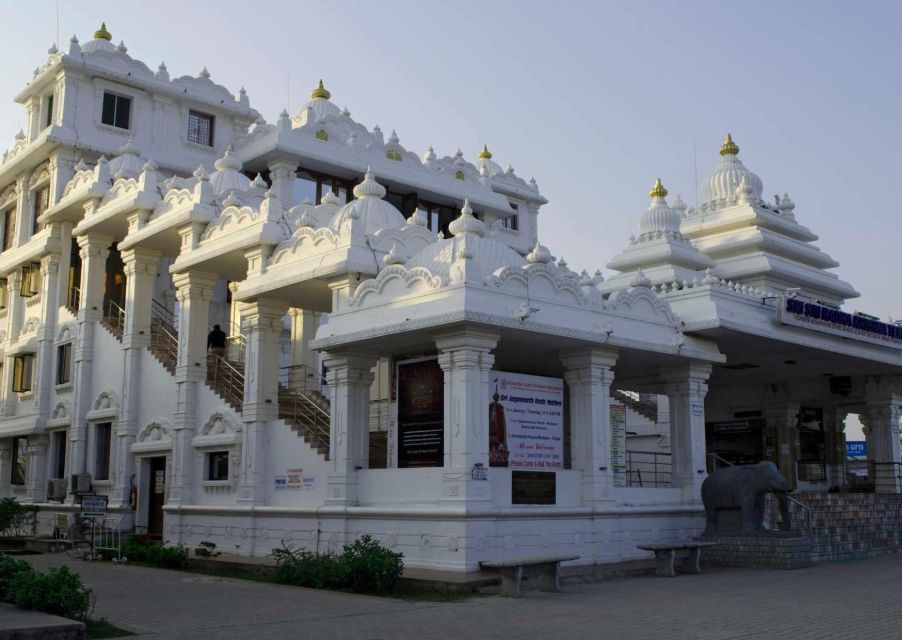
- Three anchored temples: Marundeeswarar (Shiva as Aushadeeswarar), Pamban Swami Temple, and Ashtalakshmi Temple
- Hidden lanes access: part of the value is getting off the obvious route
- Spiritual + science-style connections: the guide is meant to connect spirituality, religion, and logic-based thinking
- Guide quality matters: some sessions sound excellent, while a few had serious issues (late or no-show cases)
A 2-Hour Guided Walk of Divinity in Chennai’s Temple Streets
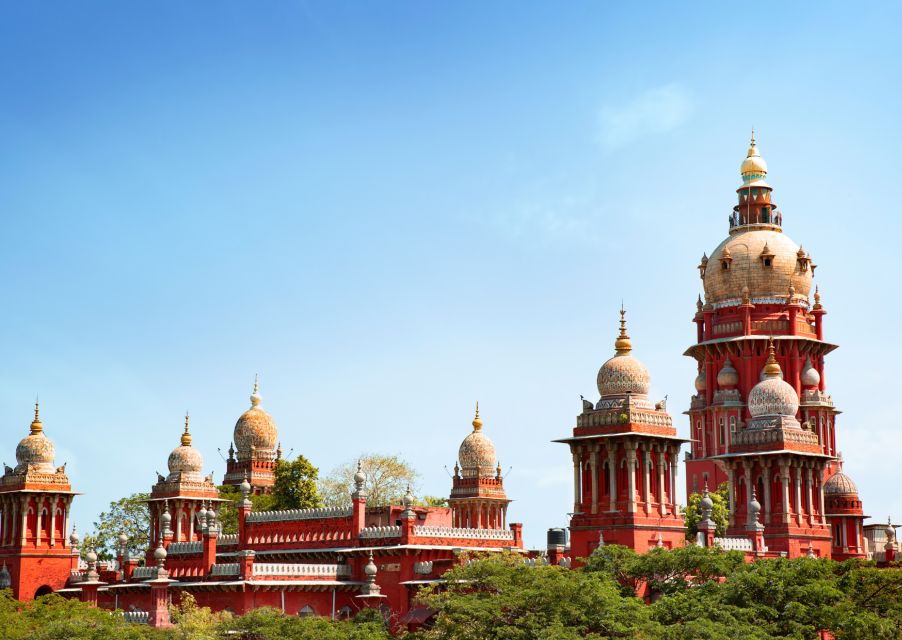
This is a temple tour that doesn’t feel like a checklist. You’re not just clocking architecture and moving on. The design aims for something more personal: a guided inward look at spirituality, religion, and the way humans try to understand the universe—using faith, but also trying to make sense of it through the lens of everyday reasoning.
In practical terms, you’re going to walk among Tamil Nadu’s temple spaces while your guide threads the story through what you see. The guide is a trained storyteller who can speak English and Hindi, which matters more than you might think. Temple explanations can get vague fast; having someone who can translate the context clearly helps you actually follow along, especially if you’re new to Hindu temple traditions.
The timing is also friendly: 2 hours is long enough to feel like a real experience, but short enough that you can still pair it with other Chennai plans afterward. The trade-off is depth is limited by time—so the best version of this tour depends on how strongly the guide holds the thread of meaning.
You can also read our reviews of more walking tours in Chennai



Marundeeswarar Temple and Aushadeeswarar: Shiva as the God of Medicines
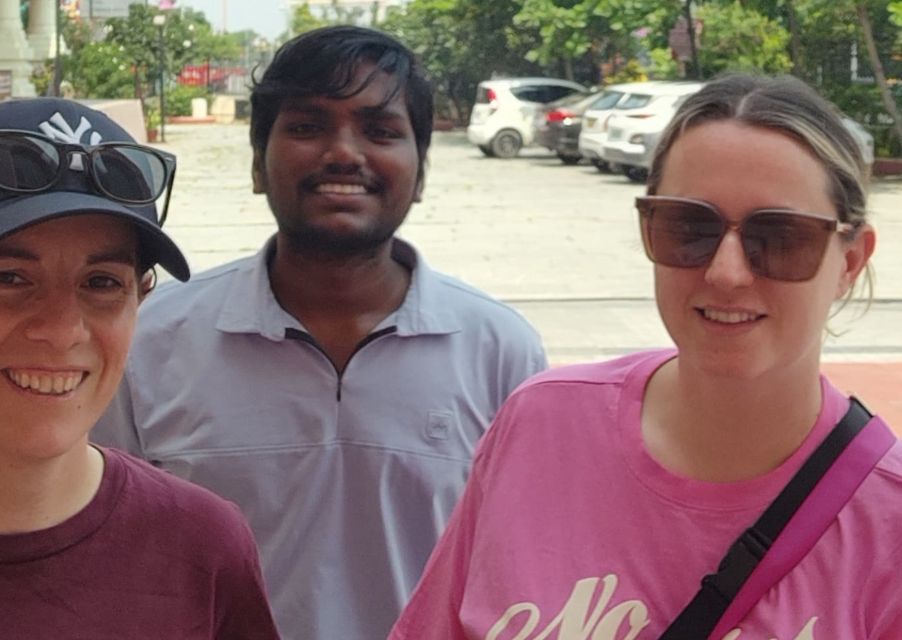
Marundeeswarar Temple is where the walk’s tone gets set. This is a Hindu temple dedicated to Shiva, specifically in the form of Aushadeeswarar, often described as the God of Medicines. That’s not a small detail—it changes how you can read the space.
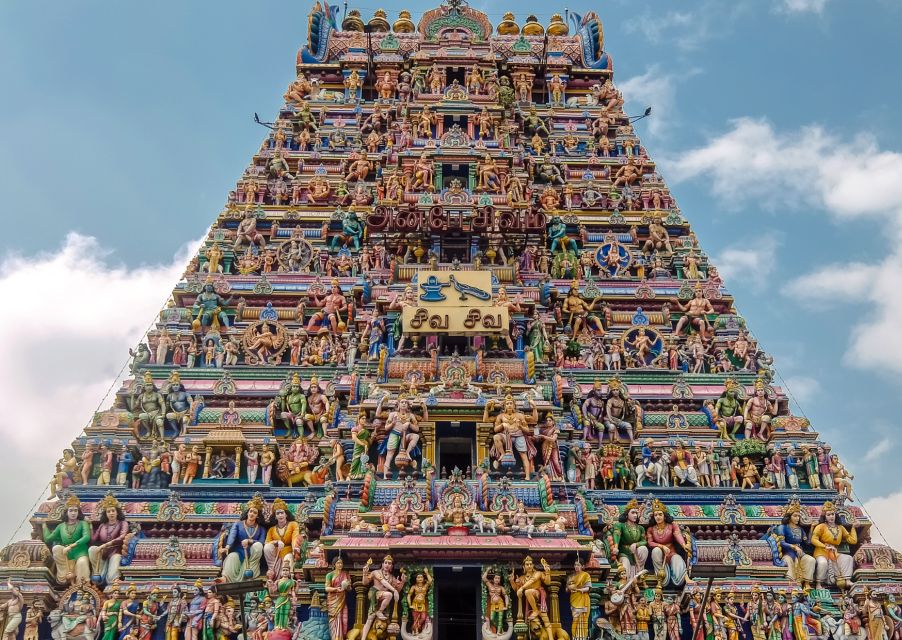
You’re not only looking at a Dravidian temple landmark for style. You’re also stepping into a tradition of curative worship—a place where people historically came for healing and prayed for relief from diseases. When a temple is tied to medicine and curing, the atmosphere you perceive can be different. The stories your guide tells can shift the focus from ritual as performance to ritual as hope.
The temple’s Dravidian architecture also brings texture to the visit. You’ll likely spend time noticing the temple’s features and how they support the idea of devotion as a lived practice—something people return to again and again, not a one-time tourist stop.
A quick reality check: this stop can land differently depending on the guide. Some guides focus more on historical notes and visible symbolism. Others push harder into meaning and connections. If you want the spiritual-plus-reasoning angle to really work, this first temple is where you should look for that structure starting strong.
Pamban Swami Temple: Visiting a Scholar Within a Living Faith

After Marundeeswarar, the walk moves toward the Pamban Swami Temple, dedicated to the religious scholar Pamban Swamigal. This part matters because it shows you another side of how devotion works in India: not only through gods and rituals, but through teachers, thinkers, and cultural memory.
In temple tourism, it’s easy to get stuck on stone and dates. This stop gives you a different handle. If your guide connects the dots well, you’ll start seeing how scholarship and spirituality overlap—how communities preserve ideas through devotion, and how teachings become part of religious life.
In conversations, this is also the kind of stop where your guide’s ability to explain in plain language can make or break the experience. When the guide talks patiently and links the scholar’s role to what you see, the temple stops being a name and becomes a relationship: people learned, reflected, and then built practice around those ideas.
And because this tour includes hidden lanes and quieter walking routes, you’re also moving through the lived neighborhood around these sites. That’s often where you’ll feel the difference between seeing religion as a museum and seeing it as a daily rhythm.
Ashtalakshmi Temple: Lakshmi, Everyday Prosperity, and Temple Meaning
The last key temple highlighted is Ashtalakshmi Temple, dedicated to the goddess Lakshmi. Lakshmi is widely associated with prosperity, but the more useful point for you here is how the concept of “good fortune” shows up in temple culture—through devotion that connects material life with spiritual values.
If your guide leans into the tour’s theme of spirituality plus logic, Lakshmi becomes more than a symbol. You can read the temple as a place where people express needs—wellbeing, stability, security—while placing those needs into a moral and spiritual framework. It’s not purely abstract. It’s practical prayer.
This is also where your understanding from the first two stops can either click or feel scattered. If Marundeeswarar set up healing and Aushadeeswarar as medicine-hope, and Pamban Swami set up teaching and devotion, then Ashtalakshmi can round out the theme: healing, wisdom, and prosperity as different ways people seek balance.
One more note: many guides are better at temple conversations than at “shopping list” guidance. Still, you might notice your guide helping practically with items like negotiations for small necessities. In at least one described experience, the guide supported the group with local decisions such as buying water, juice, and flowers—small details that keep the tour flowing without making you stop everything to figure it out yourself.
Why the Guide Makes (or Breaks) the Walk
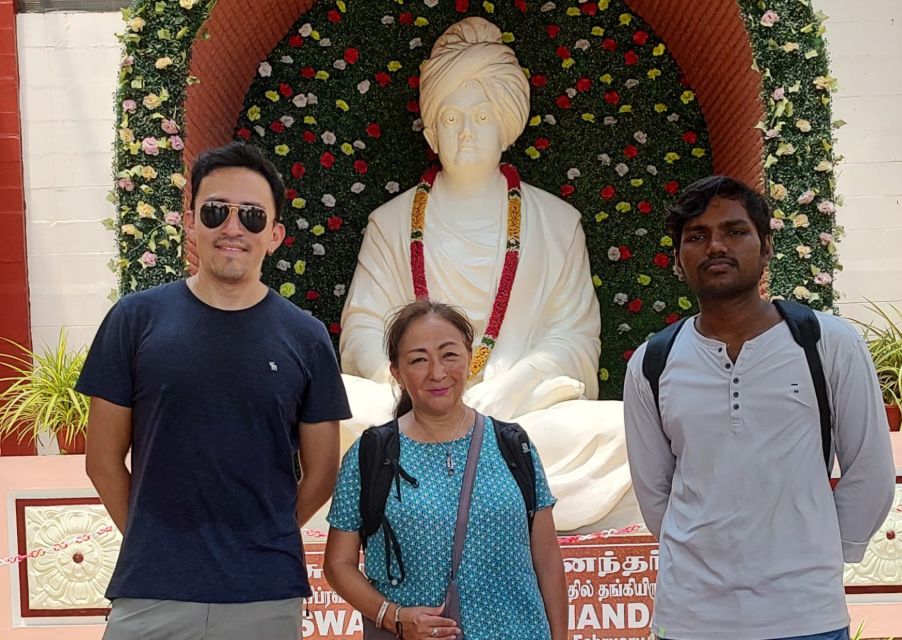
The tour’s main included feature isn’t the temples—it’s the guide. The description leans hard on a highly trained and friendly storyteller. That matters because temple spaces are dense. If you only know where to stand and what photo to take, you’ll miss most of the point.
When it goes well, you can end up with a guide who:
- answers questions patiently
- explains the history and the idea behind the form of worship
- helps you understand what you’re looking at without turning it into a lecture
Some sessions were associated with guides such as Kavin and Manikanda Perumal, and the pattern from those better moments is consistent: careful pacing, clear explanations, and even small follow-through after the walk. In one positive experience, Kavin helped arrange an auto back to a hostel and checked that the person arrived safely. That kind of care changes the tour from “service” into “support.”
But here’s the balanced part you should not ignore. There are also serious negative reports—cases where a guide was late, didn’t show up, or where expectations about the promised experience weren’t met. With that in mind, I’d treat this tour as a situation where timing and communication matter. Keep your confirmation handy, and if you’re traveling on a tight schedule, plan a small buffer.
You can also read our reviews of more guided tours in Chennai


Price and Value: Is $18 a Smart Chennai Temple Buy?
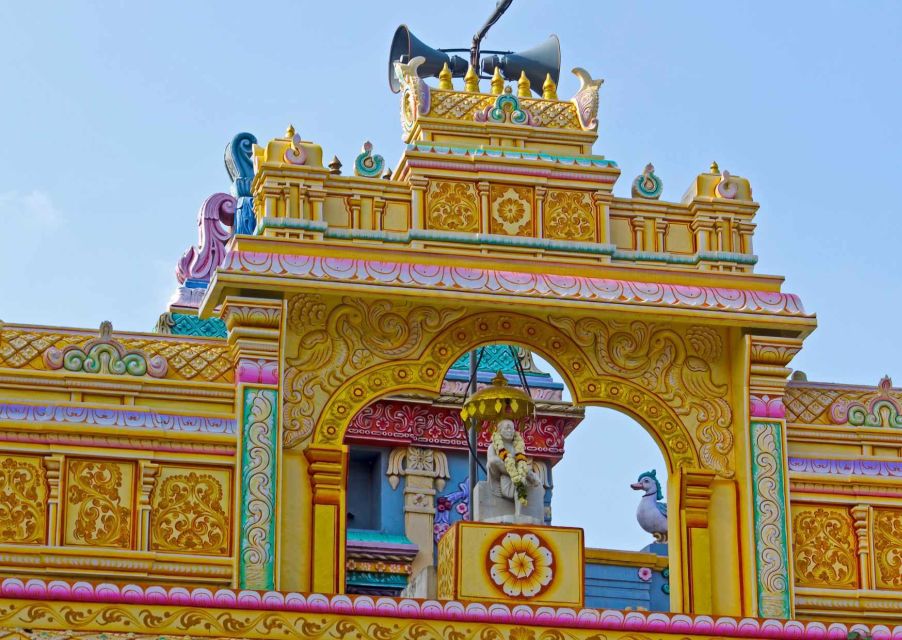
At $18 per person for a roughly 2-hour guided walk, you’re paying for three things:
- Storytelling + interpretation (the “why,” not just the “what”)
- Access to hidden lanes and less-obvious spots
- Local recommendations that can save you money and effort later
If you’re the type of traveler who enjoys learning how people think—especially how faith and daily life connect—this price can feel fair fast. You’ll often pay far more for a guide who only points and tells you what to photograph.
Still, value depends on delivery. The tour’s theme is intellectual and spiritual, and that means the guide needs to do more than show up and gesture. If the guide communication or depth falls short, the same $18 can feel like a weak trade for your time.
There’s also one small “don’t forget” cost: water isn’t included. That’s not unusual, but it’s worth planning so you don’t end up improvising mid-walk in Chennai heat.
What You’ll Likely Experience While Walking (and Where You Might Need to Adapt)
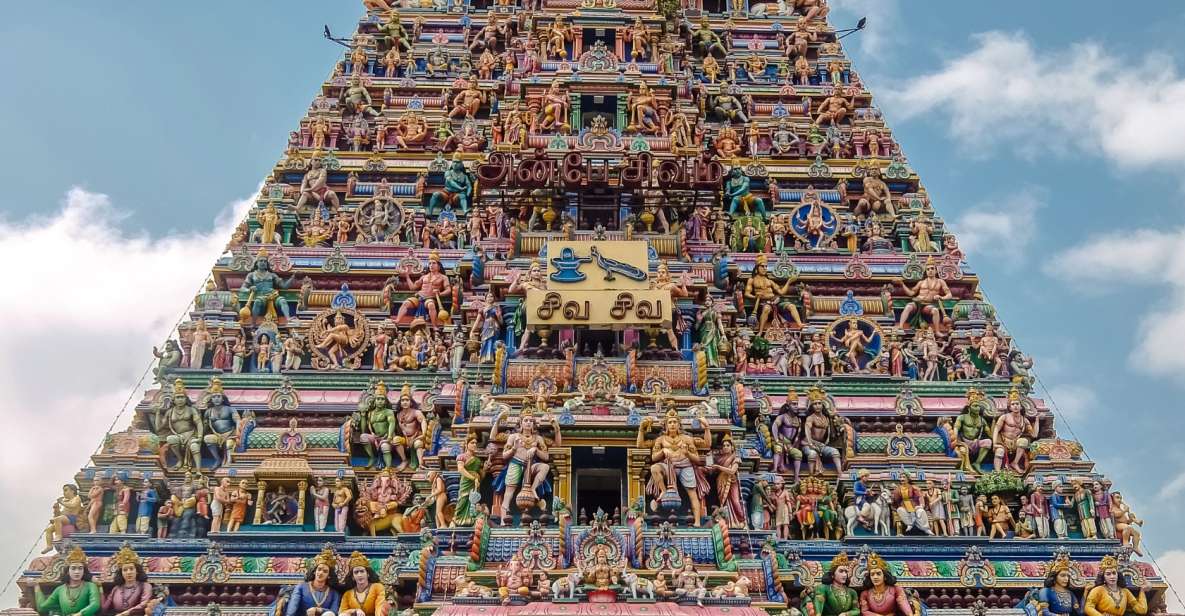
You can expect more than temple front doors. The tour includes walking through local lanes, and the goal is to help you understand the setting around the temples—how the sacred space sits inside the city’s everyday life.
What you bring matters more than you’d expect:
- Comfortable shoes are a must. You’re walking, including in narrower streets.
- If you’re sensitive to long walks, pace yourself. The experience is only scheduled for about two hours, but good tours can run long when conversation is flowing.
One detail from a positive experience: sandals or slippers were recommended. That’s a sensible suggestion if you already prefer them, but your safest choice is whatever is comfortable for your walking style.
Also remember: there’s no hotel pickup or drop. That’s fine if you like self-directed movement, but if you want “door-to-door,” this one may not match your travel habits.
Who This Tour Fits Best (And Who Should Skip It)
This Chennai walk is a strong fit if you:
- want a temple visit with explanation, not just sightseeing
- enjoy stories that connect religion and human reasoning
- like moving through neighborhoods on foot, including quieter lanes
- want a guide who can speak English and Hindi for clear meaning
It’s less ideal if you:
- need a perfectly dependable schedule with zero uncertainty
- prefer strict “facts only” tours with minimal interpretation
- are easily disappointed by a session that doesn’t deliver the promised depth
Because there are reports of no-shows or late guides, I’d only book it if you can handle a bit of travel flexibility and communication.
Should You Book Chennai Walk of Divinity (Yo Tours)?
My take: book it if you want meaning. The structure—Marundeeswarar’s healing-centered Shiva focus, Pamban Swamigal’s scholar devotion, and Lakshmi’s prosperity symbolism—gives you a real spiritual storyline. Add in hidden lane access and an English/Hindi storyteller guide, and $18 for two hours can be good value.
But book with your eyes open. If your trip is extremely time-crunched or you can’t risk a guide being late or absent, choose a different plan. If you do book, keep your expectations aligned with what this tour is best at: guided interpretation plus temple-focused walking, not a guaranteed scripted performance every single time.
If you’re ready to walk a little slower and listen a lot more, this one can make Chennai’s temples feel personal instead of distant.
FAQ
How long is the Chennai Walk of Divinity?
The tour lasts about 2 hours.
How much does it cost?
It costs $18 per person.
What temples are included in the experience?
The walk focuses on Marundeeswarar Temple (Aushadeeswarar/Shiva), Pamban Swami Temple, and Ashtalakshmi Temple (Lakshmi).
What languages will the guide speak?
The tour is guided in English and Hindi.
Is hotel pickup or drop included?
No, hotel pickup and drop are not included.
What should I bring?
Wear comfortable shoes.
Is water included?
No, a water bottle is not included.
What’s the cancellation and payment flexibility?
You can cancel up to 24 hours in advance for a full refund, and you can reserve now and pay later.