REVIEW · PUSHKAR
Afternoon Walking tour -The Pushkar Route
Book on GetYourGuide →Operated by The Pushkar Routes · Bookable on GetYourGuide
Pushkar makes sense fast when you walk it with an English guide and skip the usual fuss. I like how this route is shopping-free and temple-focused, so you’re not being pulled into detours. One thing to know: the tour packs a lot into 3 hours, and the ending pooja can feel short if you were hoping for a longer ceremony.
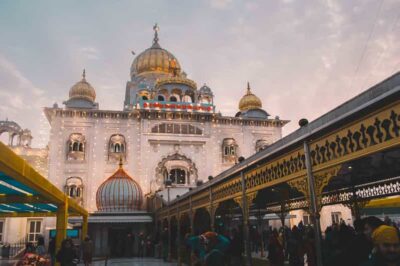
You’ll start at the city’s most distinctive religious landmark: the Brahma Temple (the only one of its kind in the world). From there, the route threads toward Brahma Ghat, then moves along the lakefront so you get your bearings around the famous 52 ghats.
Practical bonus: hotel pickup and drop are included if your hotel is close enough. You also get a small, real-food break with malpua and masala tea, plus a chance to watch everyday Pushkar life in the calmer evening lanes.
In This Review
- Key things I’d circle before you book
- First look at Pushkar: Why 3 hours feels like a cheat code
- Shopping-free and spirituality-first: How the tour keeps it honest
- Where the walk starts: Pickup, timing, and why proximity matters
- Brahma Temple and Brahma Ghat: The anchor point for Pushkar’s story
- The 52 ghats walk: What you’ll actually notice around the lake
- Halwai Gali and the malpua tea break: Small pause, real local flavor
- Evening streets and the ending pooja: What to expect (and what to set aside)
- Price and value for $6: Why this one punches above its weight
- Who should book this Pushkar Route walk
- Should you book it? My practical decision rule
- FAQ
- How long is the Pushkar afternoon walking tour?
- How much does the tour cost?
- Is the tour shopping-free?
- What does the tour include for food and drinks?
- Do I get hotel pickup and drop-off?
- What language is the tour guide?
- Does the tour include any line-skip access?
Key things I’d circle before you book
- Shopping-free route: no purchase pressure, so the spiritual bits stay the focus
- 52 ghats on foot: you get a real sense of the Pushkar Lake ring, not just a quick photo stop
- Brahma Temple start: a single, iconic site that anchors the whole story of the town
- Halwai Gali taste break: malpua plus tea, timed so you’re not hungry mid-walk
- English private guide: live guiding with a calm, courteous style (I’ve heard this especially praised for guides like Manish)
First look at Pushkar: Why 3 hours feels like a cheat code
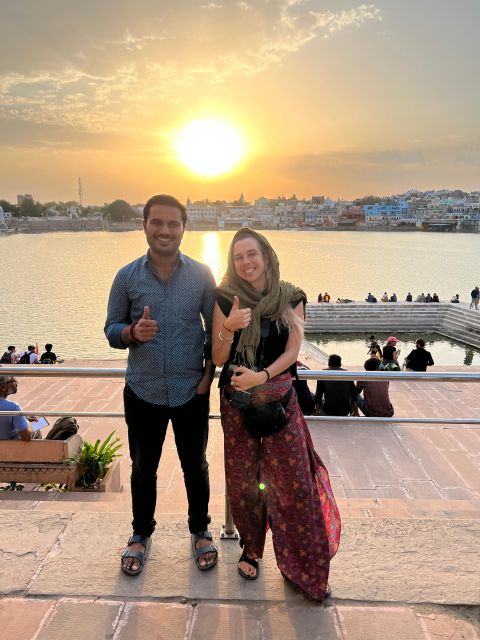
Pushkar is one of those places where you can stare at temples for hours and still not understand what you’re looking at. This route is designed to fix that problem by giving you a high-impact orientation.
In just 3 hours, you’ll cover the main religious spine of town: the Brahma Temple area, key ghats around Pushkar Lake, and the evening lanes. It’s not trying to turn you into a scholar of Hindu ritual. It’s more like a solid foundation—so the next temple you see, the next ghat you spot, and the next ceremony you hear makes more sense.
If you’ve just come from Delhi, Agra, or Jaipur and you need a slower, more spiritual pace, this is a nice change of tempo. Pushkar isn’t about monuments only. It’s about devotion and daily life orbiting the lake.
Shopping-free and spirituality-first: How the tour keeps it honest
The biggest practical win here is the clear promise of no shopping pressure. That matters in India, because many walks marketed as cultural end up turning into a sales route in disguise.
On this tour, the emphasis stays on religion, customs, and the layout of the holy city. You’re walking local lanes and seeing how the town functions around temples and water. That means less time “waiting at a shop” and more time noticing small details—like how people move toward the ghats, how conversations happen near sacred spaces, and how evening light changes the mood.
I also like that the guiding approach is described as calm and careful. One guide name that comes up in feedback is Manish, praised for being professional, courteous, and patient. If you prefer a guide who explains without rushing you, that’s a good sign.
Where the walk starts: Pickup, timing, and why proximity matters
This is a walking tour, not a bus loop. So your start location and timing can make or break the experience.
- Hotel pickup and drop are included if your hotel is in downtown.
- Pickup is specifically noted as working when your hotel is within 2 kilometers of main Pushkar.
That means you should pick this option best if you’re already staying fairly central. If you’re farther out, you might want to confirm how pickup will work for your exact address, since the stated radius is part of the deal.
Also, the tour is listed as a private group. That’s valuable for a walking route because you can move at a human pace, stop for questions, and not feel like you’re herding with strangers. It’s still 3 hours of walking, so comfy shoes matter.
Brahma Temple and Brahma Ghat: The anchor point for Pushkar’s story
Most Pushkar sightseeing starts with the lake, but this route begins with the Brahma Temple. You’re told it’s the only one in the world dedicated to Brahma—so it’s not just another temple stop. It’s a key piece of the town’s identity.
From there, you move toward Brahma Ghat. That step is smart because ghats aren’t just scenic edges. They’re where ritual life happens—steps down to the water, places where people gather, pray, and connect with the lake.
You’ll also get the kind of context that helps you read the place: Pushkar Lake is described as being surrounded by 52 ghats, linked to Rajasthan’s rulers, and the broader area is associated with more than 500 temples. When you understand that, the town shifts from “random temples everywhere” to “a structured holy circuit.”
Possible drawback to keep in mind: if you want lots of quiet time inside temples, you may find this tour keeps a brisker rhythm. The structure is built to cover major sights within a short window.
The 52 ghats walk: What you’ll actually notice around the lake
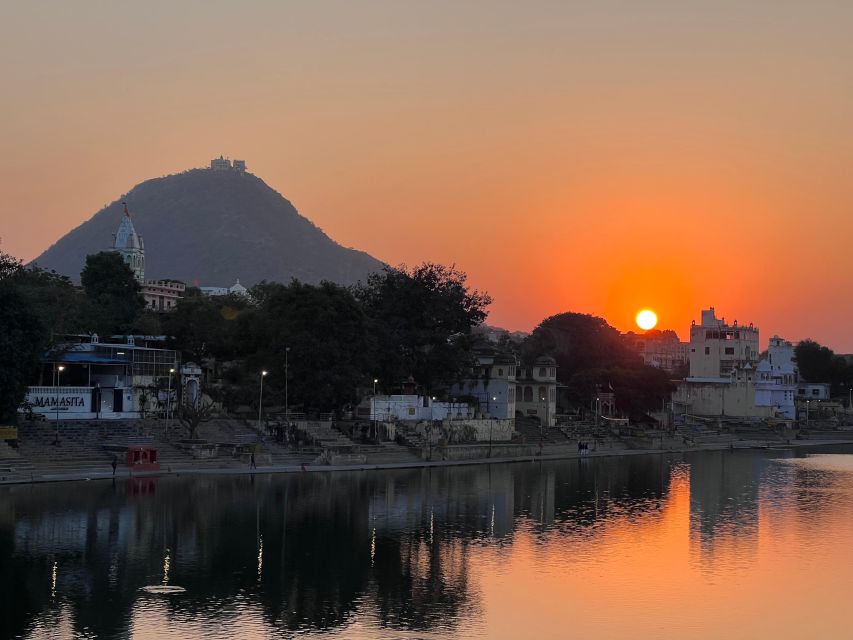
The core of the tour is walking around the lake’s ghats. The point isn’t to “see all 52 perfectly.” The point is to get a working overview—so you can recognize important areas later on your own.
You’ll walk through the 52 ghats around Pushkar Lake and include key names such as:
- Gandhi Ghat
- Queen Mary Ghat
- Plus the broader ring of ghats as you go
As you move along, pay attention to how each ghat area feels different. Some spots can feel more public and active, while others feel more like local ritual space. Even if you don’t understand every tradition immediately, you’ll start to sense the town’s priorities: devotion, water, and the repeated daily choreography around the lake.
What I like about this part of the route is that it’s not only temples-on-the-map. It’s a walk that helps you understand the logic of the holy city—how the lake organizes it, and how the ghats connect people to prayer and routine.
If you’re someone who gets lost in guidebook descriptions, this section helps you form a mental map quickly. And that makes the rest of Pushkar easier to explore afterward.
Halwai Gali and the malpua tea break: Small pause, real local flavor
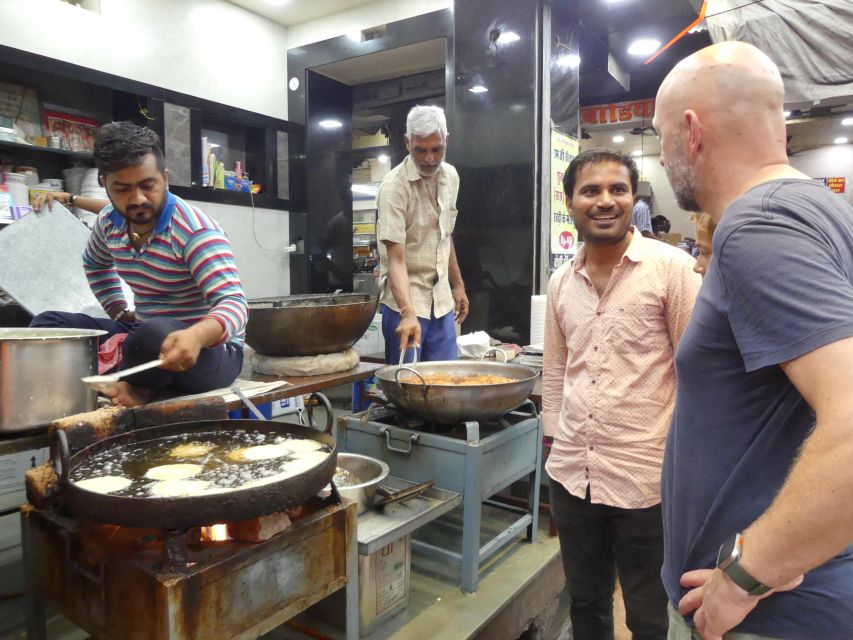
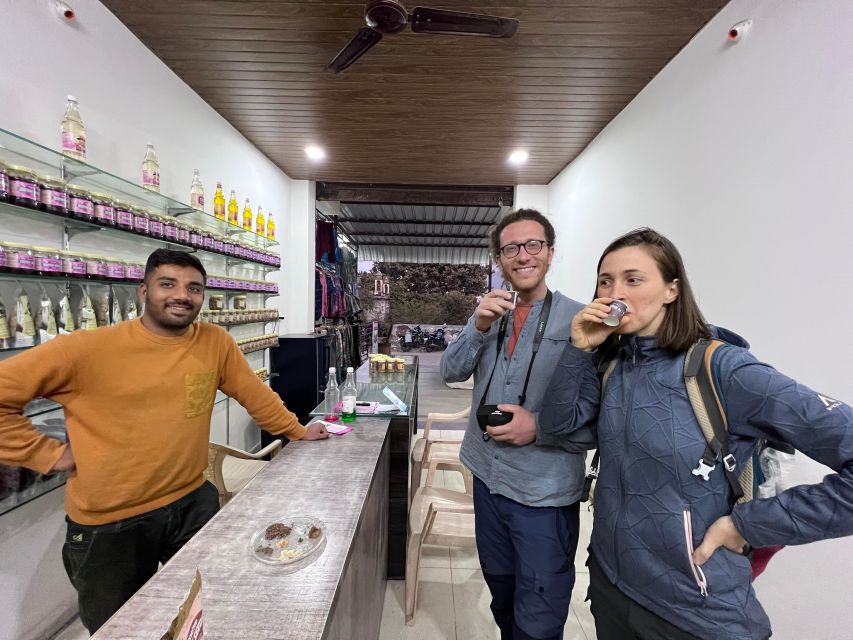
In between the sacred stops, the tour schedules a practical food moment in Halwai Gali—the lane associated with sweets. You’ll get a taste of Pushkar famous sweet: malpua, and it comes with masala tea.
This is a good design choice. When you’re walking temple-to-ghat, hunger can mess with your mood. A small, timed break keeps you comfortable without dragging the tour into a long food program.
I’d treat this stop as a reset button. Taste the malpua, sip the tea, then keep walking with better energy. It’s also one of the easiest ways to experience local everyday culture without needing to plan anything extra.
If you have food restrictions, check in ahead of time so the sweet and tea work for you. The data here confirms malpua and masala tea are included, but it doesn’t list ingredient options.
Evening streets and the ending pooja: What to expect (and what to set aside)
After the lakefront circuit, the route shifts into the softer side of Pushkar: walking local streets in the evening when the town can feel calmer and more beautiful.
This matters because evening in temple towns changes everything. You’re seeing the same spiritual spaces with different lighting, different crowd energy, and different rhythms of movement. Even if you came for temples, this portion often becomes what people remember most—because it shows Pushkar as a living place, not a checklist.
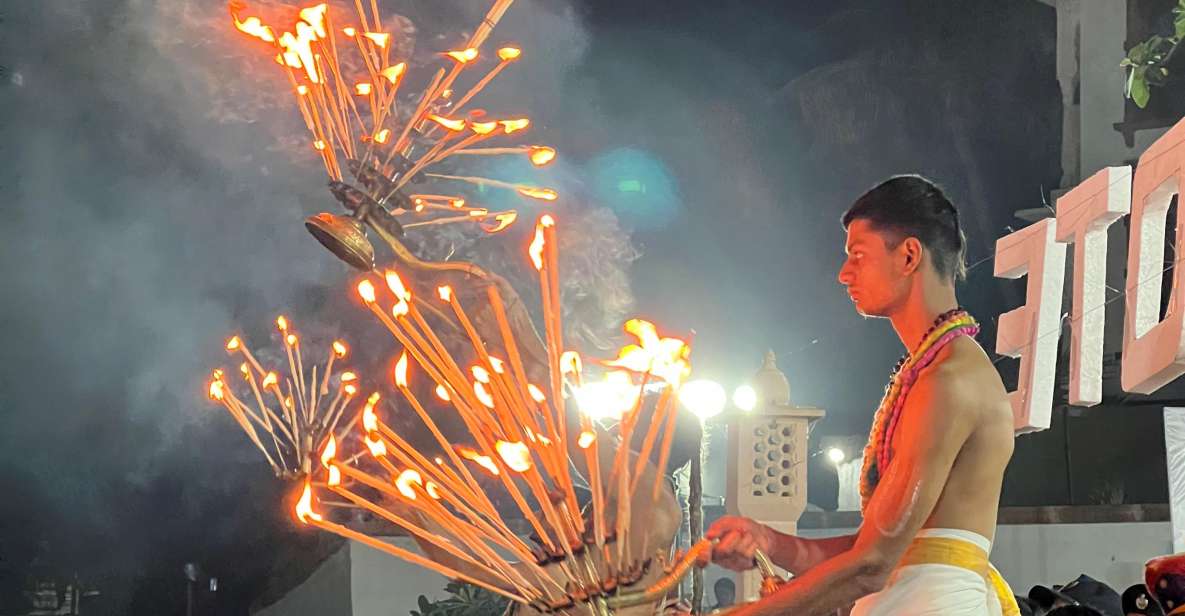
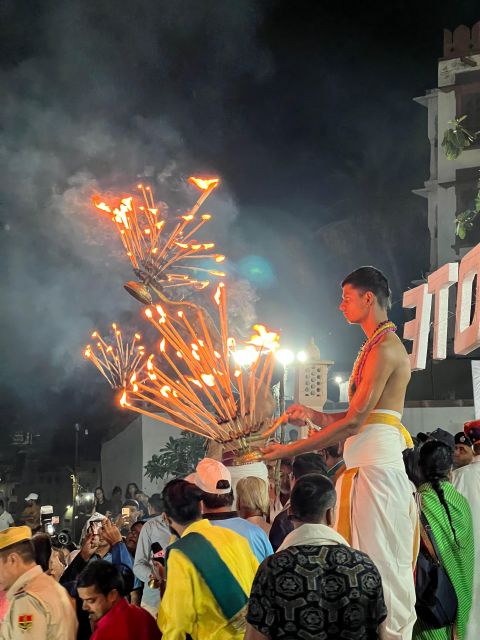
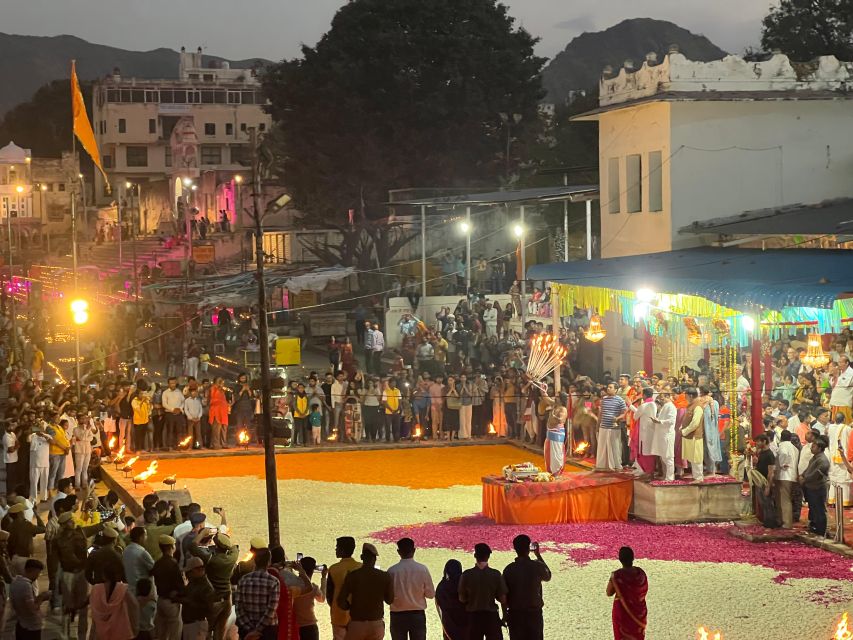
The tour ends with a Hindu ceremony called pooja. The planned focus includes the Brahma Temple area and Brahma Ghat as part of the ritual flow.
One caution: a few people have said the pooja moment felt small. So set expectations. This is a short walking tour, and the ending is likely meant to be a meaningful close—not an all-night ritual experience.
If you want ceremonies that last longer, you may later choose to spend extra time independently near the ghats when you hear activity.
Price and value for $6: Why this one punches above its weight
At $6 per person for a 3-hour guided walking experience, the value is hard to ignore—especially with extras that usually cost extra on other tours.
Here’s what you’re getting for that price:
- Live English tour guide
- Private group
- Hotel pickup & drop if you’re within the downtown/2 km radius
- Skip-the-line access via a separate entrance
- Malpua and masala tea
- A route that covers major sights in Pushkar, focused on religion, customs, and the 52 ghats
The private-group detail plus pickup/drop are the biggest value signals. You’re not just buying a guide standing next to you. You’re buying a planned flow—less friction, less wasted time, and better context.
If your goal is to understand Pushkar quickly and then roam on your own later, this price-to-time ratio is excellent.
Who should book this Pushkar Route walk
This tour is a great fit if you:
- Want a first-time orientation to Pushkar’s religious layout
- Prefer temples and ghats over museums and shopping stops
- Enjoy walking and can handle a few hours of movement
- Want an English guide who keeps explanations clear and respectful
- Like cultural experiences that explain the meaning, not just the photo location
It might be less ideal if you:
- Hate walking or need long rest breaks
- Want long temple stays and extended ceremony time
- Are expecting an ultra-detailed ritual program from start to finish
Should you book it? My practical decision rule
Book this tour if you’re arriving in Pushkar and want to get your bearings fast, with a route that ties the Brahma Temple, the ghats, and local evening life into one story.
Skip or reconsider if your travel style is more about slow wandering without structure. This is designed for a guided route and a clear ending, and it moves.
Also, if you’re staying close enough for pickup, you’ll feel the value even more. Central hotels make the whole experience smoother.
If you want one smart move in your Pushkar plan, this afternoon walking route is it: short enough to fit in real schedules, focused enough to leave you understanding the town better than you would from sightseeing alone.
FAQ
How long is the Pushkar afternoon walking tour?
It lasts 3 hours.
How much does the tour cost?
The price is $6 per person.
Is the tour shopping-free?
Yes. It’s described as a shopping free tour with no shopping pressure.
What does the tour include for food and drinks?
You’ll receive Pushkar famous sweet (malpua) and masala tea.
Do I get hotel pickup and drop-off?
Yes, pickup and drop is included if your hotel is in downtown, and pickup is noted for hotels within 2 kilometers of main Pushkar.
What language is the tour guide?
The live tour guide provides English.
Does the tour include any line-skip access?
Yes, it notes skip the line through a separate entrance.