REVIEW · NEW DELHI
Delhi – Agra – Jaipur 3 Day Tour
Book on GetYourGuide →Operated by India Trip Designer · Bookable on GetYourGuide
Three days through India’s Golden Triangle, all pre-planned. I love the sunrise Taj Mahal and the English-speaking driver that keeps the pace sane, but plan for extra spending on monument tickets.
This is also a practical setup if you want comfort without the stress. You’re in a private A/C car, picked up from Delhi (airport or hotel), and guided through big sights across Delhi, Agra, and Jaipur with help at the ticket desk.
In This Review
- Key Tour Highlights You’ll Actually Care About
- Golden Triangle in Three Days: The Real-Life Pace
- Day 1 in Delhi: Humayun’s Tomb to Qutub Minar (Then Off to Agra)
- Day 2 Sunrise Taj Mahal: Agra Fort, Then Jaipur by Late Afternoon
- Day 3 Jaipur: Amber Fort, Palaces, Jantar Mantar, Hawa Mahal, Jal Mahal
- Cars, Guides, and the Ticket-Line Reality
- Hotels and Where You Spend the Nights
- Price and Value: Is $204 per Person a Smart Deal?
- Who This Tour Fits Best (and Who Should Think Twice)
- Should You Book This Delhi-Agra-Jaipur Tour?
- FAQ
- What does the tour include for transportation?
- Where are pickups offered?
- Is the Taj Mahal visit really scheduled for sunrise?
- What language options are available for the guide?
- Is this tour private or shared?
- Are monument tickets included in the price?
- Is the tour wheelchair accessible?
- Is cancellation flexible?
Key Tour Highlights You’ll Actually Care About
- Sunrise Taj Mahal timing: you go early, when the light is best and crowds are lower.
- A/C private car with driver: easy door-to-door transfers between cities, plus bottled water and small snacks.
- UNESCO-ready route: key Delhi and Agra heritage stops like Humayun’s Tomb, Qutub Minar, and Taj Mahal are built in.
- Fatehpur Sikri en route to Jaipur: a strong Mughal stop on the way, not just a quick photo stop.
- Jaipur must-dos in one morning: Amber Fort, City Palace, Jantar Mantar, Hawa Mahal, and Jal Mahal make a packed day.
- Skip-the-ticket-line help: your guide helps you buy monument tickets with less waiting.
Golden Triangle in Three Days: The Real-Life Pace
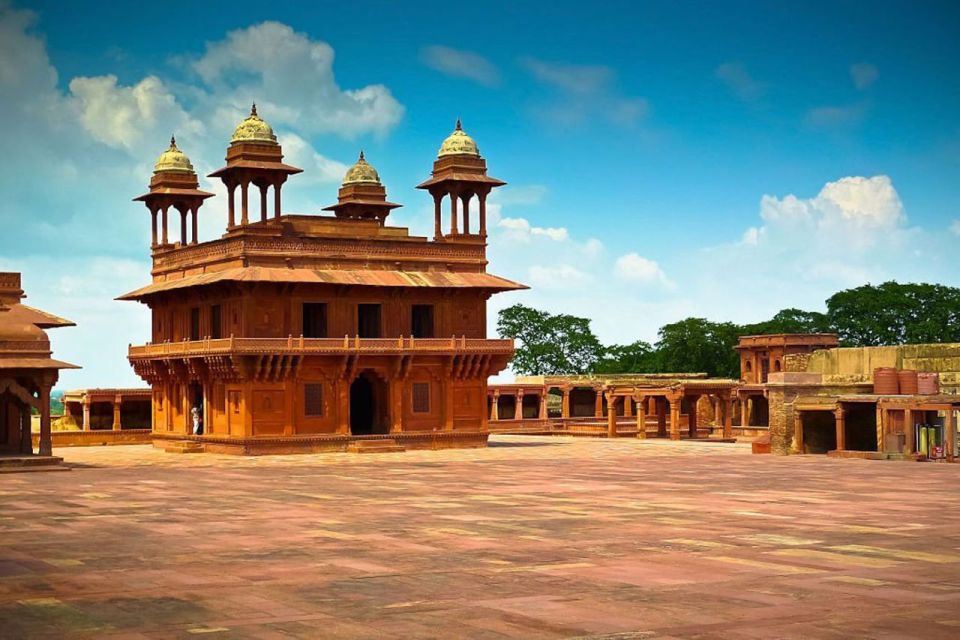
This tour targets the classic Golden Triangle arc: Delhi → Agra → Jaipur, with hotel nights in both Agra and Jaipur. The days are timed to squeeze in the big hitters without turning the trip into constant sprinting.
The tradeoff is straightforward: you’ll see a lot, but you won’t linger for hours in every place. If you like slow travel, you may want to plan one or two follow-up days on your own after this tour. If you want a smart first sweep of the region, this format works.
The biggest practical win is the private transport. You’re not navigating Delhi traffic or guessing between sites. You’re also not spending half your energy figuring out timing.
You can also read our reviews of more tours and experiences in New Delhi

Day 1 in Delhi: Humayun’s Tomb to Qutub Minar (Then Off to Agra)
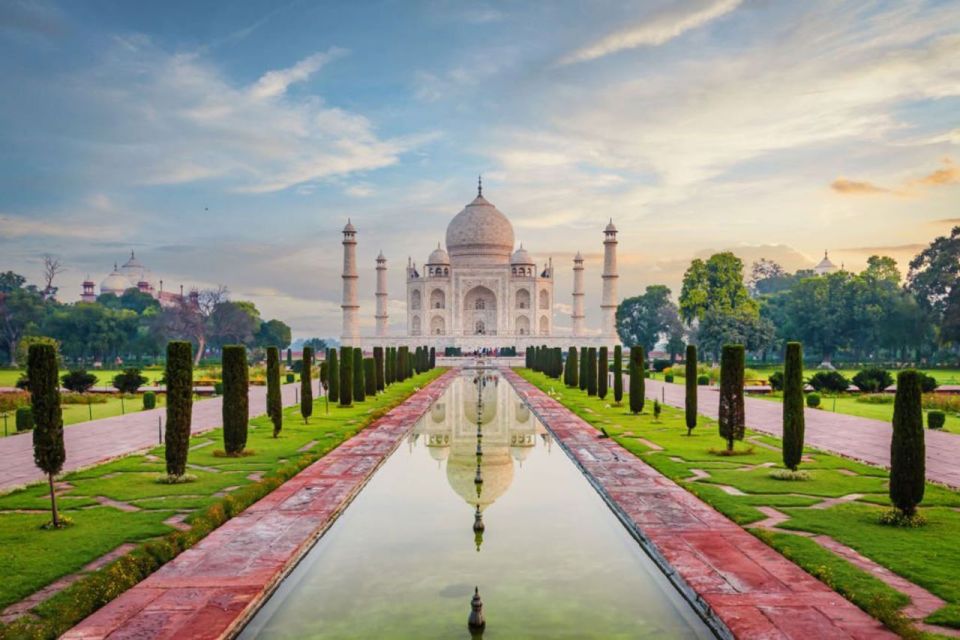
Your day starts based on your flight schedule. A driver picks you up from Delhi airport or your Delhi-area hotel at a time that fits your arrival, and you’re guided through central Delhi highlights.
Here’s the logic of the first day: you get essential Delhi sights before the long drive to Agra. The itinerary is heavy on world-famous monuments, but it’s also designed so you’re not rushing at the last minute.
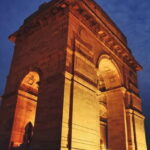
You’ll visit major stops such as Humayun’s Tomb and Qutub Minar, plus landmarks like India Gate and Lotus Temple. You may also see the President House area (often referred to as Rashtrapati Bhavan) depending on your route that day. The day is rounded out with evening driving from Delhi to Agra, usually taking around four hours, and you typically arrive late (around 8–9 pm) for check-in and rest.
Practical tip: with an arrival-day schedule, keep your expectations flexible. Late arrival means you’ll want a quick dinner, early sleep, and an easy morning ahead for the next day’s sunrise.
Day 2 Sunrise Taj Mahal: Agra Fort, Then Jaipur by Late Afternoon
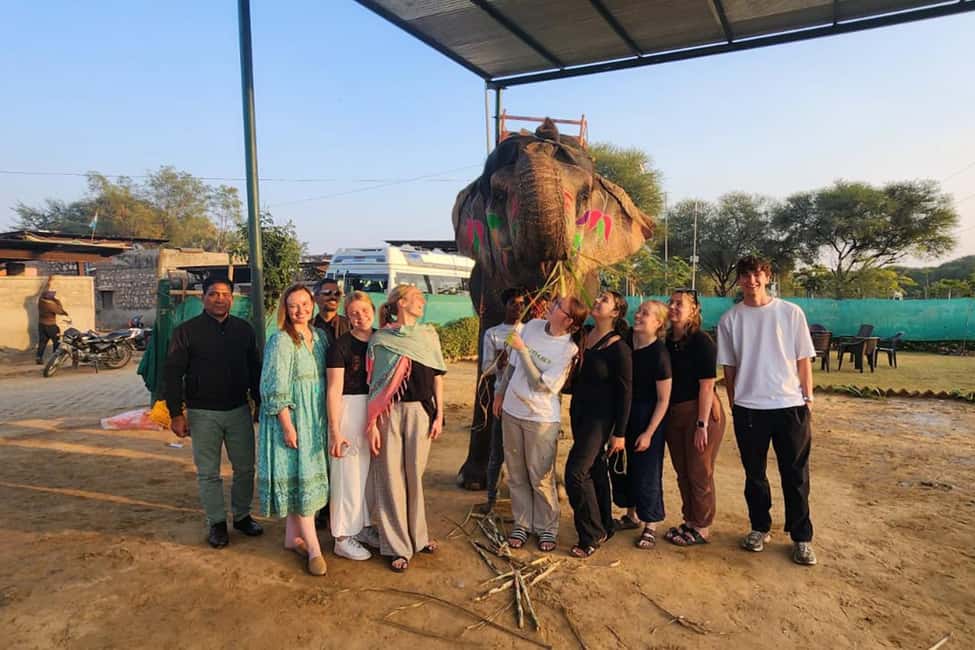
Day two is the star. You start early to catch the Taj Mahal at sunrise, which is the best time to see it in comfortable temperatures and great light. The difference is noticeable: the building looks different at dawn, and the crowds are often easier.
After the Taj visit, you’ll head back for breakfast and then continue with the next big Agra stop: Agra Fort. It’s the perfect pairing with the Taj Mahal because it adds the fort-and-power story behind the monument, not just the postcard view.
Then comes the transfer to Jaipur. You depart Agra in the late afternoon and drive around four hours to check in by evening. On the way, you may stop at Fatehpur Sikri, described as Akbar’s “dream capital.” Even if you don’t go deep into the historical details, it’s visually different from the other stops—big courtyards, massive stone forms, and that unmistakable Mughal-era feel.
Practical tip: if you’re sensitive to heat, day two is your biggest temperature swing. You’ll be up early for sunrise, and then you’ll handle midday travel. Pack water, wear breathable layers, and keep your sun protection handy.
Day 3 Jaipur: Amber Fort, Palaces, Jantar Mantar, Hawa Mahal, Jal Mahal
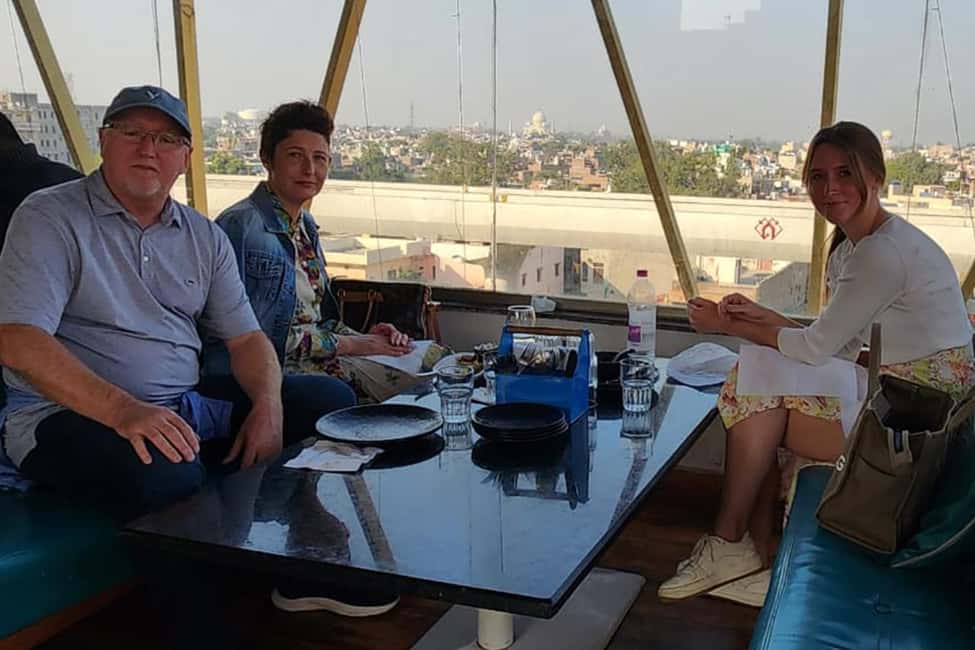
Your final day is all about Jaipur’s highlights, timed so you can still make the evening drive back to Delhi for your flight or hotel drop-off.
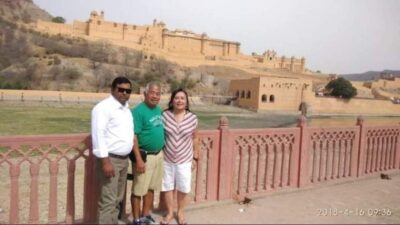
Morning starts after breakfast with Amber Fort, often the “wow” stop for first-time visitors. From there, you continue through central Jaipur sights including City Palace, Jantar Mantar (the astronomical observatory), and Hawa Mahal (the Palace of Winds). You’ll also see Jal Mahal (the Water Palace), which is one of those places that looks best when the light and water levels create a clear silhouette.
The schedule is packed, but the route makes sense: forts first, then the royal palace complex, then the science landmark, then the iconic facade views. It’s a clean way to understand Jaipur’s mix of power, design, and engineering.
In the evening, you drive back to Delhi, typically about five hours. The tour ends late evening according to your flight schedule, with a transfer to the airport or your Delhi-area hotel.
Practical tip: keep a little time buffer for buying any last items. Jaipur is great for crafts and textiles, but you’ll be glad if you don’t have to rush it at the end of the day.
Cars, Guides, and the Ticket-Line Reality
This tour is built around guided access plus private transport. You’ll travel with a driver who can speak English for the three days, and you’ll also have a live guide available in English, French, German, and Spanish.
One review experience noted that a guide on the first day wasn’t as engaging. That doesn’t mean the tour is bad—it means your guide can make or break the storytelling. My advice: ask questions when you arrive at each site. If your guide is phones-out or short on explanations, you can still get answers, or request a different style of engagement during the visit.
On tickets, here’s the big budgeting note: monument tickets are not included in the basic price, and your guide helps you buy without queue. That detail is easy to miss when you’re comparing tours. So add an extra line in your budget for admissions.
The “skip-the-ticket-line” promise is about process and timing, not necessarily about admissions being free. You’ll still want to carry some cash or have a payment method ready, since ticket buying happens on the ground.
Also: your comfort setup is real. One helpful detail from experience notes is that the car can include unlimited water and small snacks. That sounds minor until you’re in a long drive with hot weather.






Hotels and Where You Spend the Nights
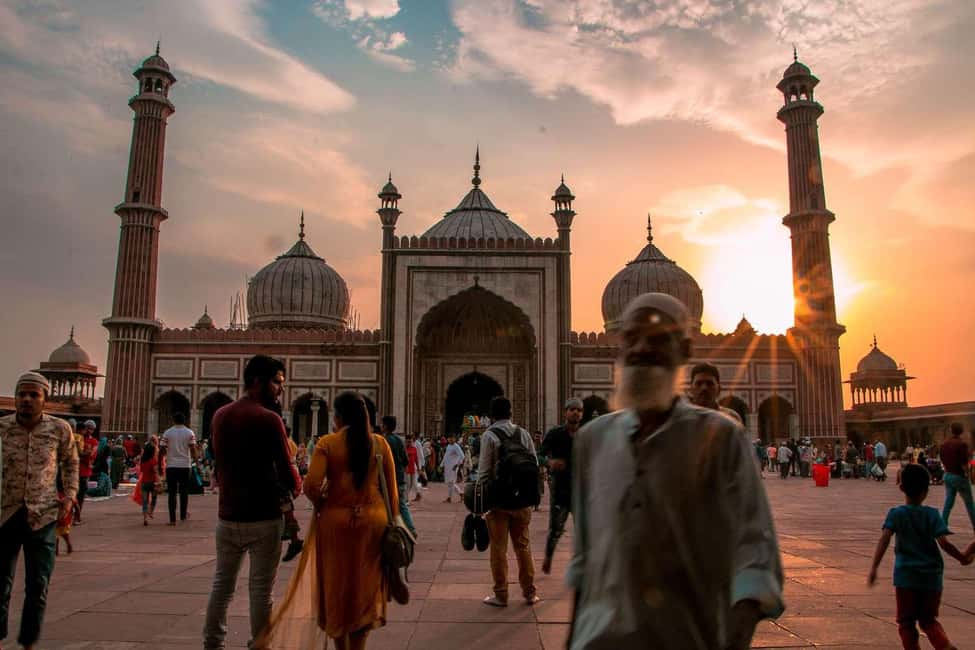
You have overnight time in Agra after arriving late on day one, and overnight time in Jaipur after day two. The hotel vouchers are provided after booking (within a stated window), and you should receive details in time for check-in.
Comfort tends to be a strength here. Reviews describe the hotels as excellent, and the whole itinerary supports that: you’re not driving all day and then sleeping in a random transit spot. You’ll get an actual base in each city.
Still, remember this is a two-night, high-coverage tour. If you want a hotel that feels like a vacation resort, this might not be the best match. But if you want clean, convenient stays that support sightseeing, it’s a solid plan.
Price and Value: Is $204 per Person a Smart Deal?
At $204 per person for 3 days, you’re paying for a package that bundles the hardest parts: city transfers, a private A/C car, a driver, and guided sightseeing across major monuments.
What you’re not getting (in the base cost) is monument admissions. Ticket requirements are separate, and the exact amount depends on your selections and the specific sites. Add that to your planning so there are no surprises.
Here’s the value math that makes this work for many people:
- You’re not paying extra for separate transfers between Delhi, Agra, and Jaipur.
- You’re not wasting time figuring out transport in traffic-heavy cities.
- You’re getting sunrise access to the Taj Mahal, which is usually the most schedule-sensitive part of the Golden Triangle.
If you’re traveling solo but you can’t or don’t want to negotiate transport day-by-day, a guided private structure like this often ends up cheaper than piecing everything together. If you’re already comfortable planning on your own and don’t need help with timings or ticket process, you might find cheaper options—just expect more effort on your side.
Who This Tour Fits Best (and Who Should Think Twice)
This tour is a strong fit if you:
- Want a first-time, high-impact sweep of the Golden Triangle
- Prefer private car comfort over public transport
- Like sunrise visits and guided structure
- Travel as a couple or small group and want flexibility without chaos
It may be less ideal if you:
- Love slow, lingering visits and lots of free time in each place
- Get frustrated when the schedule feels tight
- Want monument tickets fully included in the package price
Should You Book This Delhi-Agra-Jaipur Tour?
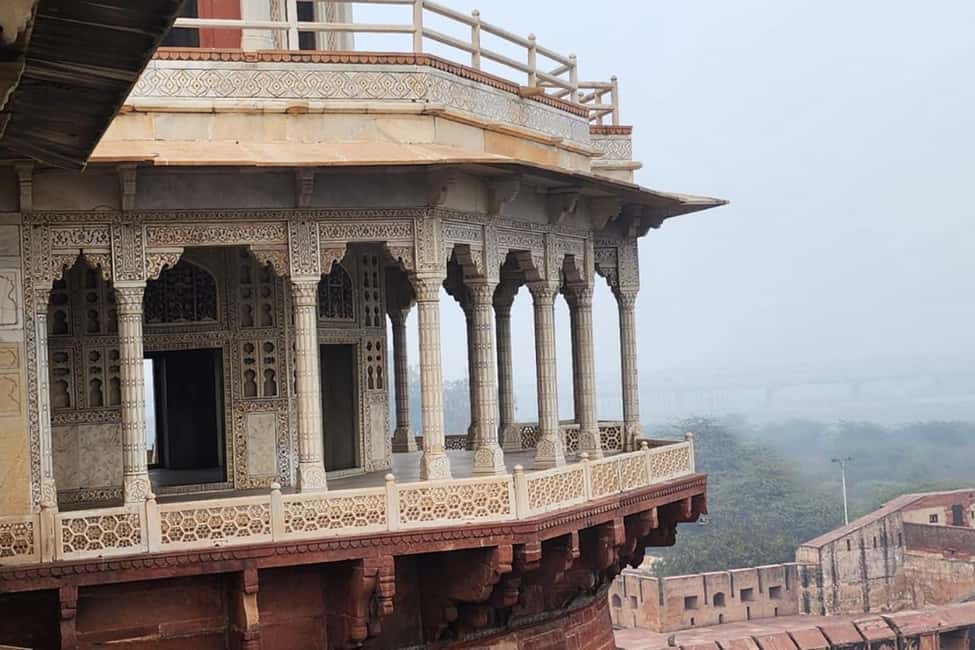
I think it’s worth booking if your priority is efficient sightseeing with private comfort, especially with the sunrise Taj Mahal built into day two. The route is sensible, the stops are the right mix of iconic and UNESCO-ready, and your transport setup is designed to reduce hassle.
Book it if you’re okay with two realities: monument tickets are separate, and the pacing is brisk. If you want a more relaxed style or deeper time in one city, treat this as a “great first chapter” and plan extra days afterward.
If you do book, do one thing that pays off: ask the guide clear questions at each stop. Even when guide quality varies, you can steer the experience toward what you actually want to learn and see.
FAQ
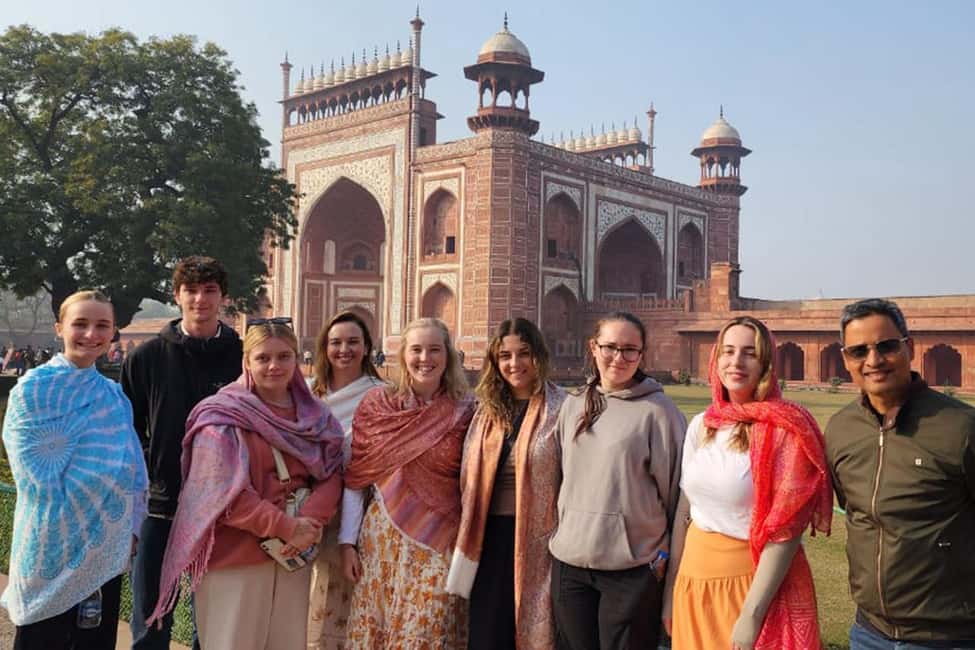
What does the tour include for transportation?
You travel in an A/C private car with a driver for the full itinerary, including pickup in Delhi and transfers between Delhi, Agra, and Jaipur.
Where are pickups offered?
Pickup is included from Delhi airport or any Delhi/Gurgaon/NCR hotel, at a time suitable for you.
Is the Taj Mahal visit really scheduled for sunrise?
Yes. Day two includes a Taj Mahal tour at sunrise, which is the best time to visit.
What language options are available for the guide?
The live tour guide is available in English, French, German, and Spanish.
Is this tour private or shared?
It’s a private group tour.
Are monument tickets included in the price?
Monument tickets are not included as part of the basic cost. Your guide will help you buy tickets without a queue.
Is the tour wheelchair accessible?
Yes, the experience is listed as wheelchair accessible.
Is cancellation flexible?
You get free cancellation up to 24 hours in advance for a full refund, and you can also use a reserve-now, pay-later option.
—
If you tell me your arrival time in Delhi and your flight out of Delhi (roughly morning or evening), I can suggest how to plan day-by-day timing so you’re not rushing in the heat.