REVIEW · DARJEELING
Darjeeling Cultural & Nature Walking Guided Tour
Book on GetYourGuide →Operated by Ashmita Trek & Tours · Bookable on GetYourGuide
Darjeeling is best when you walk slow and look up. This 6-hour route mixes Himalaya viewpoints with real neighborhood life and a few stops that most short-timers miss, all starting right on Mall Road at 9 AM. I love that it pairs easy walking with meaningful context, especially the visit to the Himalayan Mountaineering Institute and the Tenzing Norgay Everest Museum.
I also like the way the tour connects you with people, not just places. With guides such as Mr Rupez and Sangay (and on some dates Dawa), you get clear explanations in English or Hindi and you’ll spend time in spots like the Tibetan Refugee Centre and the Bhutia Busty Monastery, where you can actually see culture at work.
The main consideration is the physical side: it’s a sustained walk with an uphill return, and it’s not suitable for people over 70. If your mobility is limited, you may find the 4 km stretch and the final 2 km uphill section harder than it sounds on paper.
In This Review
- Key highlights worth your attention
- Entering Darjeeling by Foot: Why This 6-Hour Route Feels Just Right
- From Ashmita Trek & Tours to the First Views: The 9 AM Start
- Himalayan Mountaineering Institute: Tenzing Norgay’s Story in a Walkable Package
- The Nature Walk Toward a Cultural Village: Where the Views Start to Feel Local
- Tibetan Refugee Centre: Rehabilitation and Handicrafts Since 1959
- Bhutia Busty Monastery (Karma Dorjee Chyoling): A Buddhist Landmark with Real Age
- Food Market and the Arts-and-Crafts Stops: Practical Souvenirs, Not Pressure
- The Return to Mall Road: A Gentle Uphill That Still Counts
- Guides Make the Difference: English, Local Insight, and a Personal Pace
- Price and Value: What $38 Gets You (and What It Doesn’t)
- Who This Tour Suits Best (And Who Should Rethink)
- Should You Book This Darjeeling Cultural & Nature Walking Tour?
- FAQ
- What time does the tour start, and where do I meet?
- How long is the tour, and how much walking is involved?
- What’s included in the ticket price?
- Are meals or drinks included?
- Which languages are the guides available in?
- Is the Tibetan Refugee Centre open every day?
Key highlights worth your attention
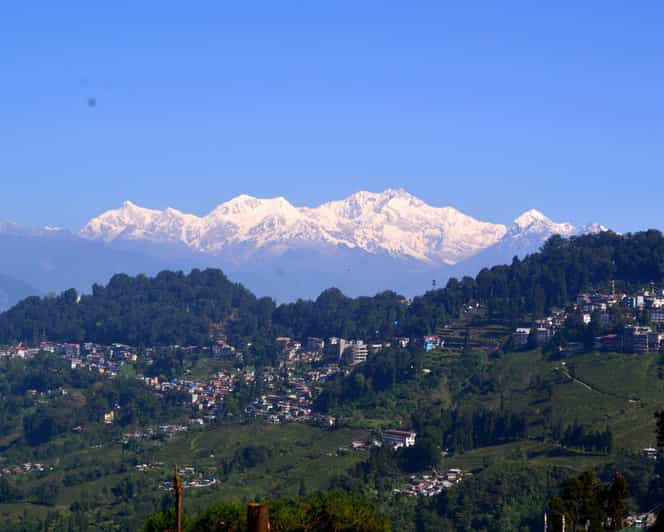
- Himalayan Mountaineering Institute + Tenzing Norgay Everest Museum without needing a long commute
- Buddhist monastery: Bhutia Busty (Karma Dorjee Chyoling), originally linked to Sikkim and relocated to Darjeeling in 1879
- Tibetan Refugee Centre founded on October 2, 1959, focused on rehabilitation and Tibetan handicrafts
- Local cultural village stop with scenic views on the way
- Day-trip pacing: about 6 hours, built for walkers who still want nature and culture
- Craft shopping with restraint: a chance to see rug and handicraft skills and buy without pressure
Entering Darjeeling by Foot: Why This 6-Hour Route Feels Just Right
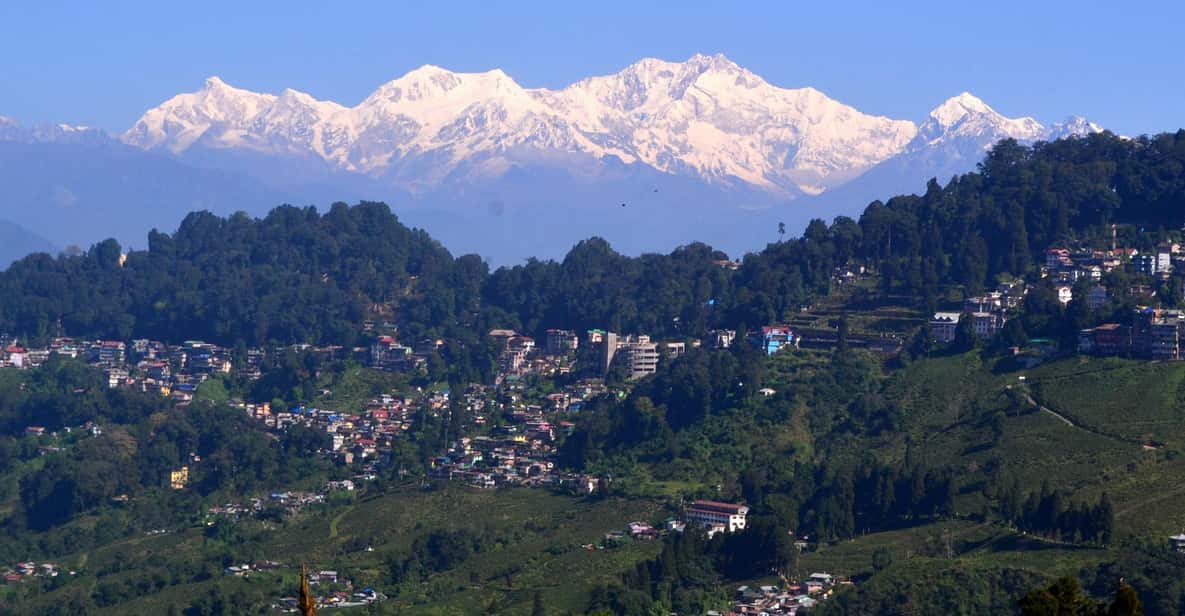
This tour is designed for the reality that most people don’t have a week to do big treks. You still get a clear taste of what makes Darjeeling special: cooler air, steep views, and communities living close to the mountains.
The walking distances are short enough to feel doable, but long enough to change the view from streets-and-shops to village lanes and forest edges. Even better, the plan is structured so you don’t waste time guessing where to go next.
You can also read our reviews of more tours and experiences in Darjeeling.

From Ashmita Trek & Tours to the First Views: The 9 AM Start
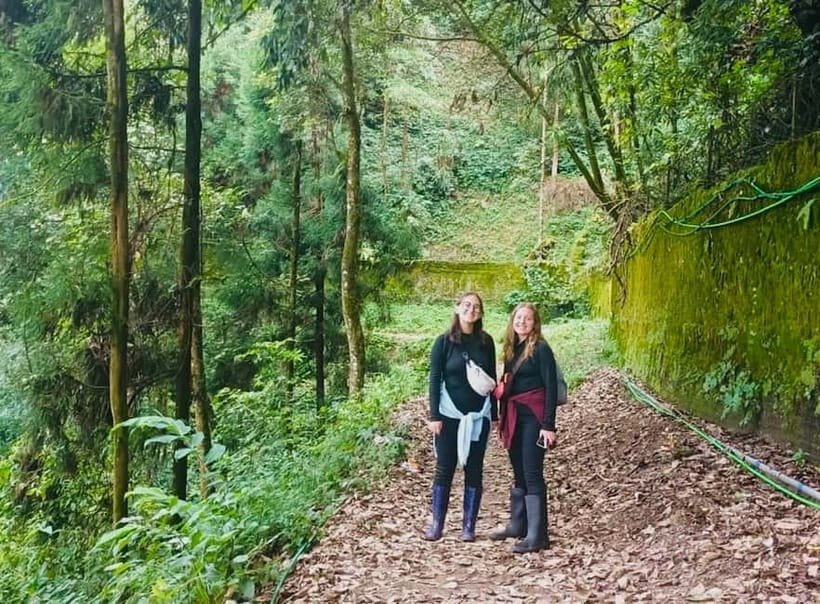
You’ll meet near Mall Road by Ashmita Trek & Tours at 9 AM. From there, the day stays grounded in Darjeeling’s core area while still moving you into less central corners.
What matters most here is what you bring. Wear comfortable shoes (not new, not slippery), dress in layers for cool mornings and warm afternoons, and carry a simple daypack. You’ll also want your passport or an ID card—tour permits and entry checks can be part of the day.
Himalayan Mountaineering Institute: Tenzing Norgay’s Story in a Walkable Package
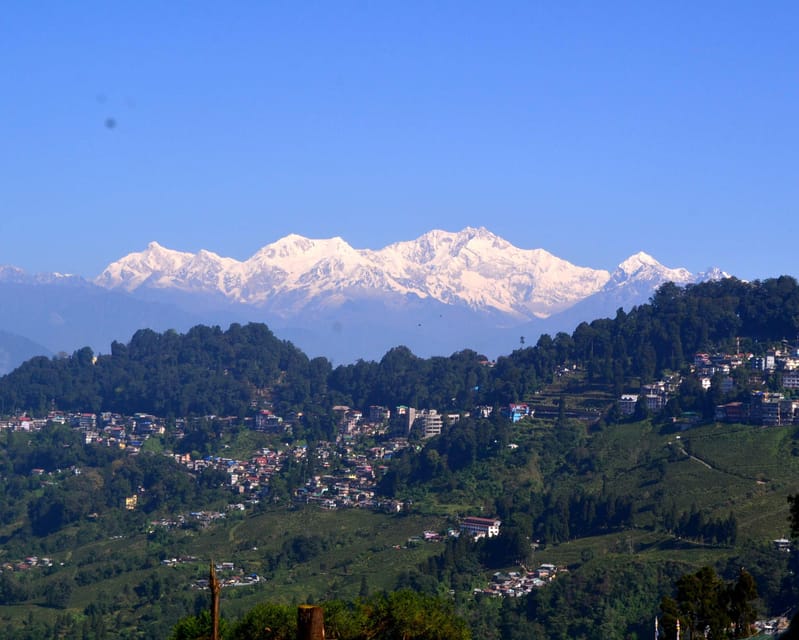
The first leg takes about 1.5 km to the Himalayan Mountaineering Institute area, with guided time inside. This is where the tour earns its name as more than a casual stroll: it’s tied to the mountain culture of the region, not just scenery.
The highlight is the Tenzing Norgay Everest Museum. If you like mountaineering history, you’ll probably enjoy how this stop reframes the Himalaya from a distant postcard into something tied to people, training, and local pride.
A practical note: museums add time even when the walking is light. Build in patience for photos, guide explanations, and a slower rhythm while you take it in.
The Nature Walk Toward a Cultural Village: Where the Views Start to Feel Local
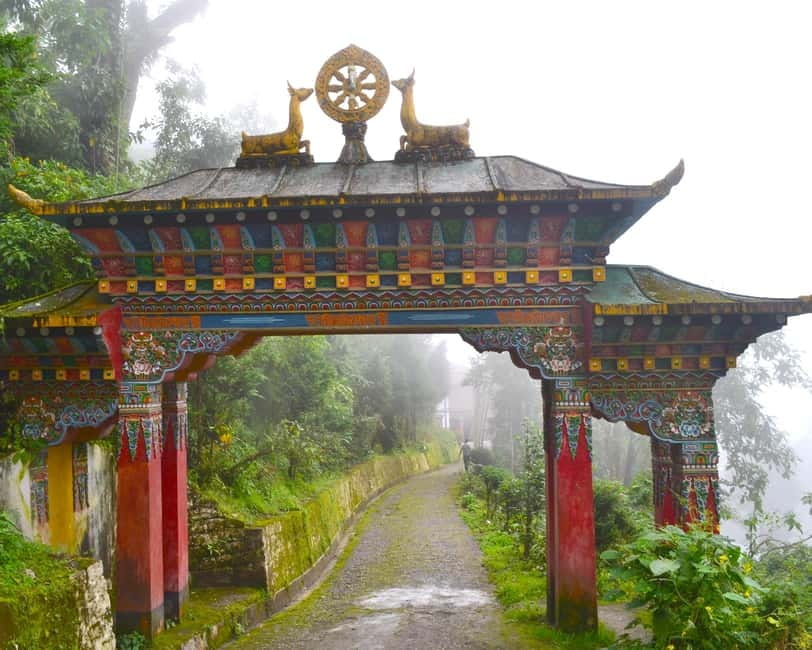
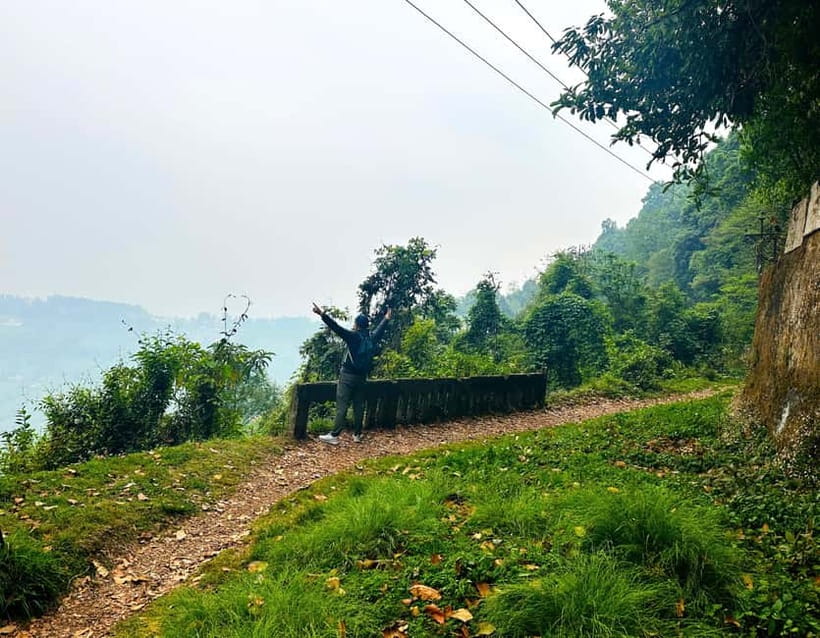
After the museum, you’ll continue on a nature walk and pass through a local cultural village. This part is roughly 4 km ahead from the museum stop, and it’s a great stretch for people who like walking where the route changes texture—road to footpaths, quiet to everyday life.
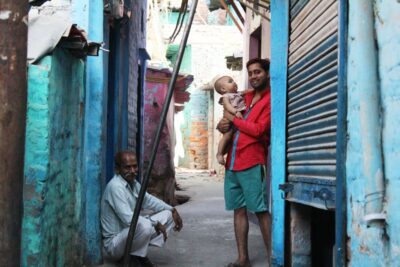
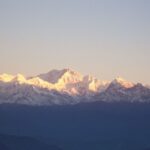
This is also where the tour does something smart: it gives you scenic moments without demanding a day-long hike. You’ll have photo stops along the way, and the village setting helps you understand how Darjeeling residents fit daily life into mountain terrain.
If you get tired, don’t ignore it. Tell your guide early and keep your pace steady—your best chance at enjoying the views is to manage effort, not sprint and suffer.
Tibetan Refugee Centre: Rehabilitation and Handicrafts Since 1959
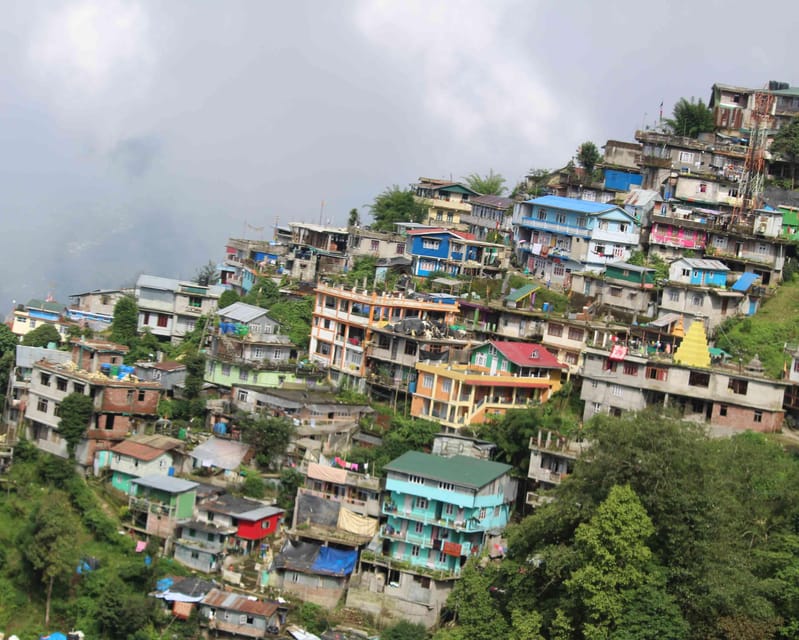
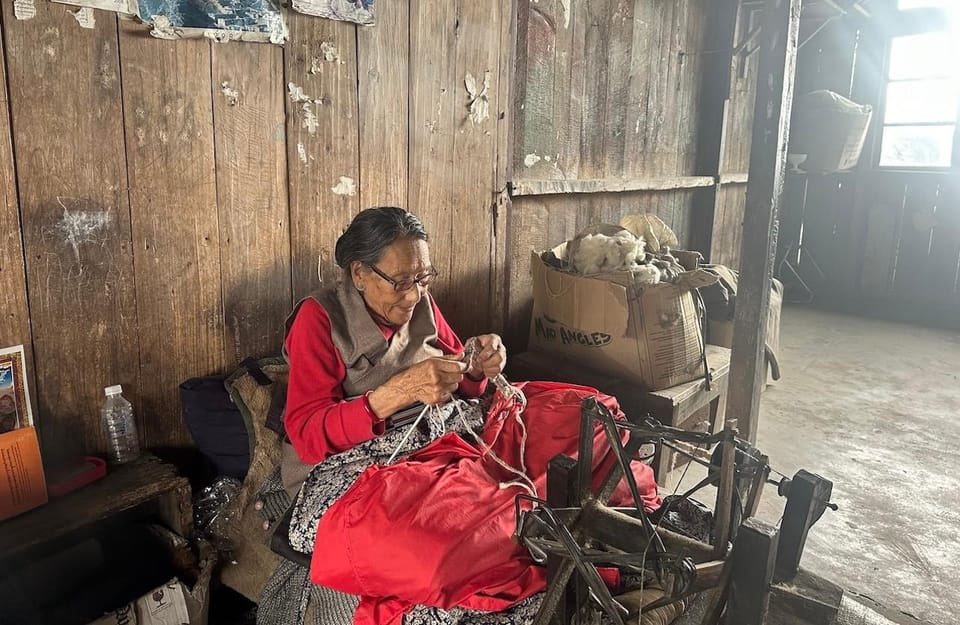
One of the most meaningful stops is the Tibetan Refugee Centre in Darjeeling. The centre was founded on October 2, 1959, and it serves as a rehabilitation facility for Tibetan refugees who fled Tibet with the Dalai Lama. It also focuses on producing Tibetan handicrafts, so you’re not just watching culture—you’re seeing it made.
Expect a more hands-on feel compared to a typical museum stop. If you enjoy craftsmanship, pay attention to the work behind items like rugs and textiles. In particular, you can catch impressive skills in the making and browse with confidence about pricing—crafts in the shop are described as reasonably priced and not pushy.
One heads-up for planning: the centre is closed on Sundays. If that stop is a top priority, pick a different day and you’ll avoid disappointment.
Bhutia Busty Monastery (Karma Dorjee Chyoling): A Buddhist Landmark with Real Age
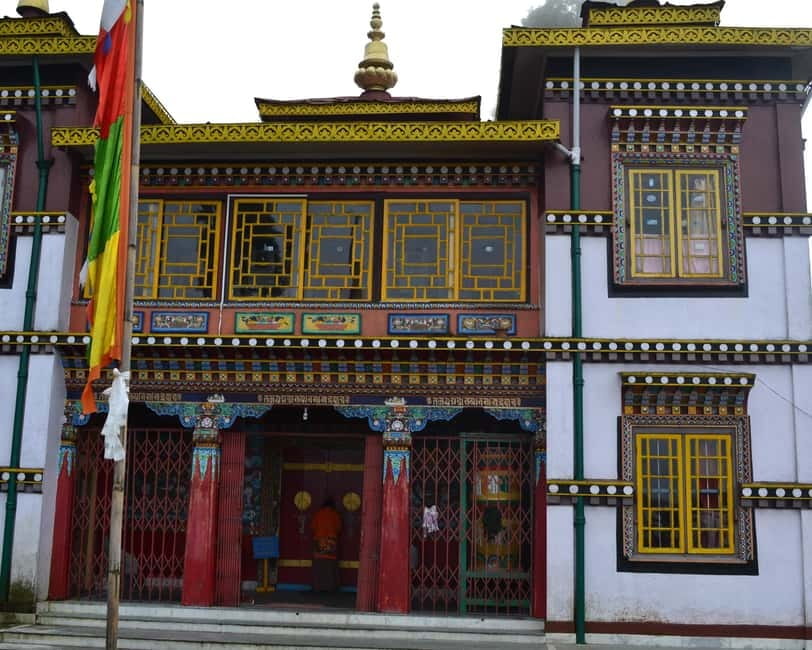
Next comes the Bhutia Busty Monastery, also called Karma Dorjee Chyoling Monastery. This is a Buddhist establishment that’s tied to older monastery networks: it began as a branch of the Kagyupa sect’s Phodang Monastery in Sikkim, and it was relocated to Darjeeling in 1879.
This is one of the stops where “100 years” isn’t marketing fluff—it’s the feeling of a place that has held the same religious and artistic focus for a long time. The monastery’s wall paintings are noted as being exceptionally high quality, so if you care about art details, slow down here and look longer than you think you need.
Even if you don’t read Tibetan or Buddhist symbolism, a guide will help you connect what you see to the broader cultural story of the region. It’s the kind of stop that rewards curiosity.
Food Market and the Arts-and-Crafts Stops: Practical Souvenirs, Not Pressure
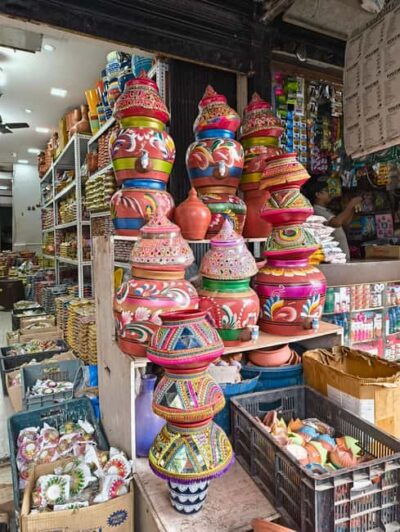
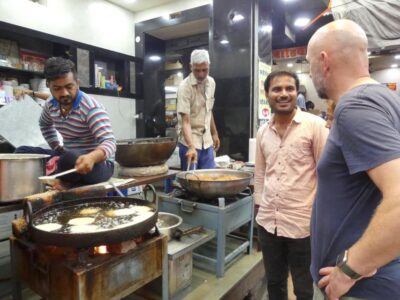
Between major sites, the route includes a food market visit and an arts-and-crafts market visit. These breaks matter because they turn the walk into a real day out, not just a checklist of monuments.
If you want to snack, you’ll usually have opportunities along the way, but meals and hot drinks like tea or coffee are not included in the tour price. I’d plan for one small purchase for yourself (or a shared snack) so you don’t feel hungry later when the walking gets slower.
This is also where you can buy souvenirs more thoughtfully. One of the most praised parts of this route is that the craft shopping tends to avoid hard sales. You’ll have a better chance to find something you actually want, not just something you bought because someone chased you with a pitch.
The Return to Mall Road: A Gentle Uphill That Still Counts
The tour loops back toward Mall Road and ends on Chaurasta Mall Road. The final walking segment is about 2 km of gentle uphill over roughly an hour.
Gentle doesn’t mean effortless. It’s enough slope to make good shoes and steady pacing feel worth it. If you’re sensitive to breathing changes at altitude-adjacent elevations, keep your tempo calm, drink water if you’ve brought it, and use the guided pauses to reset.
You’ll finish close to where you started, so you can keep your day flexible afterward—dinner plans are easier when you aren’t dropped miles from transit.
Guides Make the Difference: English, Local Insight, and a Personal Pace
This is a private group tour, guided by experienced local mountain guides speaking English and Hindi. That matters because Darjeeling is full of small details that you can miss if you’re just passing through.
The strongest praise in the tour feedback centers on guide personality and explanation. Guides like Mr Rupez and Sangay are highlighted as friendly and knowledgeable in practical terms—good company, good pacing, and a clear sense of what’s worth your attention on the ground.
Also, the pace can adapt. One standout point is that the route can work for families and different fitness levels, including situations where a younger traveler can handle the day with the right pacing.
Price and Value: What $38 Gets You (and What It Doesn’t)
At $38 per person for about 6 hours, this is a good value if you want both structure and safety. You’re not just paying for walking—you’re paying for permits and the guidance that makes the day feel coherent.
What’s included:
- All necessary permits and any charges for carrying still video cameras
- Professional English-speaking local mountain guides
- Help to hike safely with a local guide
- Guide expenses and taxes/fees/handling charges
What’s not included:
- Meals and hot drinks like tea or coffee
- Transport cost if you need it
- Tip for the guide
My practical take: the tour feels like a fair trade for people who’d otherwise struggle to string together these specific stops. You’ll save time and confusion, and you’ll get the added value of knowing why a monastery or centre matters.
Who This Tour Suits Best (And Who Should Rethink)
This tour fits best if you want a day trip that blends culture and nature without a big-commitment trek. It’s also a solid choice if you enjoy museums, religious sites, and handicrafts—this day includes all three, with walkable distances between them.
It’s not suitable for:
- Babies under 1 year
- People over 95 years
- People over 70 years
And even within the suitable range, ask yourself one question: can you comfortably handle a sustained walking day with a final uphill return? If the answer is yes, you’ll likely find it a satisfying way to see Darjeeling beyond the main drag.
Should You Book This Darjeeling Cultural & Nature Walking Tour?
Book it if you like guided days that mix real local places—monastery walls, craft production, village routes—with panoramic Himalayan moments you can actually enjoy without committing to a full trek.
Skip it or choose another option if uphill walking will be a problem for you, or if you’re traveling with limited mobility. Also, if you want the Tibetan Refugee Centre as a must-see, avoid Sunday since the centre is closed.
If you’re deciding based on value, this one has the right ingredients: a clear schedule, experienced local guides, and a route that feels like Darjeeling lives here—not just that you’re passing through.
FAQ
What time does the tour start, and where do I meet?
The tour starts at 9 AM near Mall Road, by Ashmita Trek & Tours.
How long is the tour, and how much walking is involved?
The tour lasts 6 hours. It includes a first walk of about 1.5 km to the Himalayan Mountaineering Institute area, a nature walk toward a cultural village of about 4 km ahead, and a final return with about 2 km of gentle uphill walking over about an hour.
What’s included in the ticket price?
The price includes permits (and still video camera charges if needed), an English-speaking local mountain guide, guide expenses, and taxes/fees. It also covers hiking safely with a local guide.
Are meals or drinks included?
No. Meals and hot drinks like tea or coffee are not included.
Which languages are the guides available in?
The live tour guide is available in English and Hindi.
Is the Tibetan Refugee Centre open every day?
No. The Tibetan Refugee Centre is closed on Sundays, so plan accordingly if that stop matters to you.