REVIEW · JAIPUR
7-Day Golden Triangle Jodhpur Udaipur Tour from Delhi
Book on GetYourGuide →Operated by Taj Voyages Tour - TVT India · Bookable on GetYourGuide
Forty-five minutes can change your whole trip. This 7-day Golden Triangle route stacks sunrise Taj Mahal with major Rajasthan sights in a tight, well-paced loop from Delhi through Agra, Jaipur, Jodhpur, and Udaipur. I like that it keeps things efficient with private, air-conditioned car and city guides, so you spend more time seeing and less time figuring out. One watch-out: the day-to-day flow often includes shop stops, which can feel a bit pushy, and English comfort can vary depending on the driver and guide.
You start with real Delhi energy on Day 1: Jama Masjid in Old Delhi, then a rickshaw ride through Chandni Chowk for a close look at local life. From there you roll to Agra, and the itinerary turns noticeably more scenic and historical, especially once you’re up early for the Taj Mahal.
Value-wise, it’s a lot for the money: breakfast daily, 6 nights in 3/4-star hotels on twin sharing, private car for sightseeing, water bottles every day, and guided tours in each city. Monument fees and meals are not included, so you’ll want to budget extra and plan for lunch and dinner on your own. Comfortable shoes matter too, because forts and temple areas include stairs and uneven ground.
In This Review
- Key things that make this tour work
- The Golden Triangle twist: adding Jodhpur and Udaipur
- Day 1: Old Delhi Jama Masjid, Chandni Chowk rickshaw, then Agra
- Day 2: Taj Mahal sunrise, Agra Fort, and Fatehpur Sikri on the way to Jaipur
- Day 3: Jaipur and Amer Fort with Jantar Mantar and City Palace sights
- Day 4: Jodhpur’s Mehrangarh Fort, Moti and Phool Mahal, Jaswant Thada
- Day 5: Ranakpur Jain Temple stop and Udaipur by Lake Fatehsagar
- Day 6: Saheliyon ki Bari, Lake Pichola, Jagdish Temple, City Palace
- Day 7: Udaipur airport drop and how to end well
- Price and logistics: is this a good value?
- The best part: guides and punctual transport
- The tradeoff: shopping stops and uneven language comfort
- What to pack, and what comfort looks like
- Day-by-day rhythm: when you’ll feel tired (and when you won’t)
- Should you book this 7-day Golden Triangle with Jodhpur and Udaipur?
- FAQ
- FAQ
- How long is the tour?
- What cities are included in the itinerary?
- What is included with the price?
- Are monument fees included?
- Are lunch and dinner included?
- Do I get a private group and private transport?
- What languages are available for the live tour guide?
- How does the pickup work in Delhi?
- Is the Taj Mahal visit included, and when is it?
- Is alcohol allowed during the tour?
Key things that make this tour work
- Sunrise Taj Mahal timing: you’re picked up at 5:45 AM for the guided visit, and you skip the ticket line.
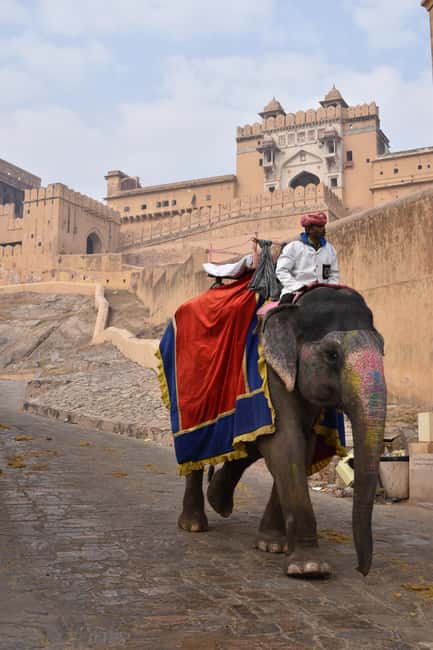
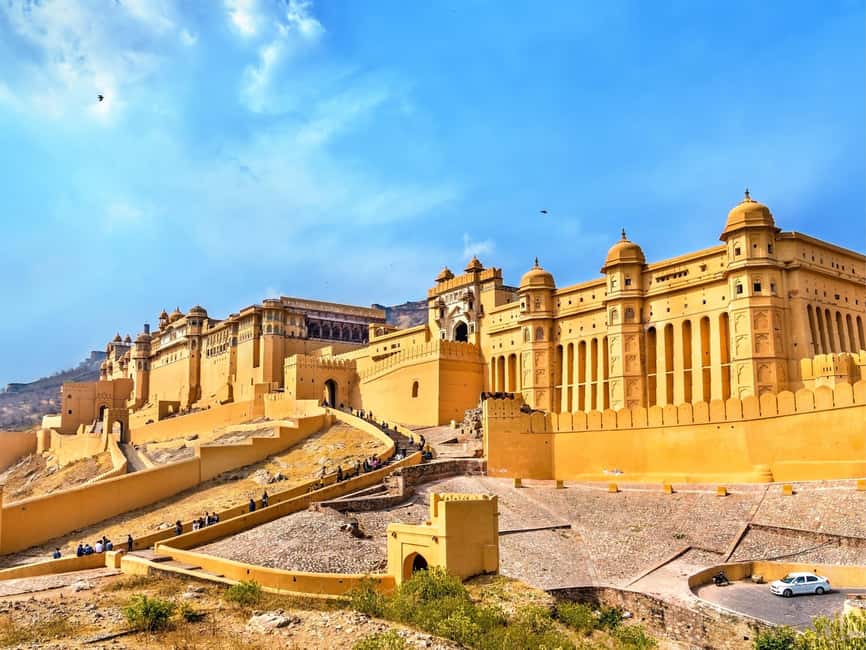
- Amer Fort on foot first thing: the day starts with a climb up to the Amer Fort entrance, not a lazy viewpoint.
- Rajasthan forts in two styles: Mehrangarh Fort in Jodhpur adds muscle and scale, while Udaipur balances it with palaces and lakes.
- Fatehpur Sikri and Ranakpur stopovers: both are included as en-route visits, so the travel days don’t feel empty.
- A guide in each city: you’ll have an expert guide for the main sights, which helps a lot at forts and palaces.
- Language options, but confirm comfort: the tour offers multiple languages, yet communication quality can differ by driver and guide.
The Golden Triangle twist: adding Jodhpur and Udaipur
Most Golden Triangle tours stop at Delhi–Agra–Jaipur. This one keeps going, so you get a second act in Rajasthan: Jodhpur’s forts and blue-city vibe, then Udaipur’s lakes and palatial landmarks. That extra time is the difference between a checklist trip and something that feels like you actually moved through Rajasthan, not just past it.
It also matters that the route uses a private car throughout for sightseeing. On a multi-city trip like this, that’s the big advantage: you’re not waiting around for shared group transfers, and you can keep a steady rhythm.
You can also read our reviews of more tours and experiences in Jaipur.



Day 1: Old Delhi Jama Masjid, Chandni Chowk rickshaw, then Agra
Day 1 is all about context. You’re picked up from Delhi, Noida, or Gurgaon airports, hotels, or train stations, then begin in Old Delhi with Jama Masjid. It’s a strong way to start because it immediately sets the tone for Mughal-era grandeur and today’s street life.
After Jama Masjid, you take a rickshaw ride through Chandni Chowk. This is one of the few moments on this itinerary where you’re moving with the city rather than being moved by it. You’ll also pass major landmarks like the Red Fort on the way out, then head toward Rajghat.
From there, you drive past the President’s House, Parliament House, India Gate, and Government Secretariat buildings, stopping along the way for pictures. Then it’s straight to Agra for the overnight stay. That late-day transfer is part of the tradeoff: you get a packed schedule, but it also means you’re not lingering in Delhi.
Practical tip: bring a light layer for the car rides. Even if Delhi feels warm, mornings and evenings can swing quickly, and you’ll be up early the next day.
Day 2: Taj Mahal sunrise, Agra Fort, and Fatehpur Sikri on the way to Jaipur
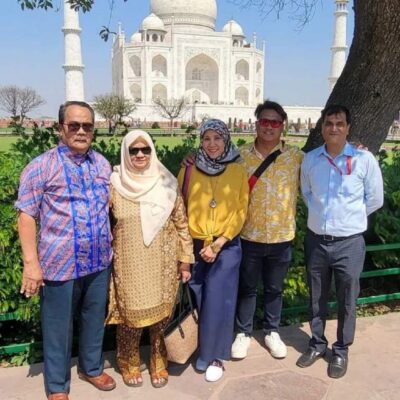
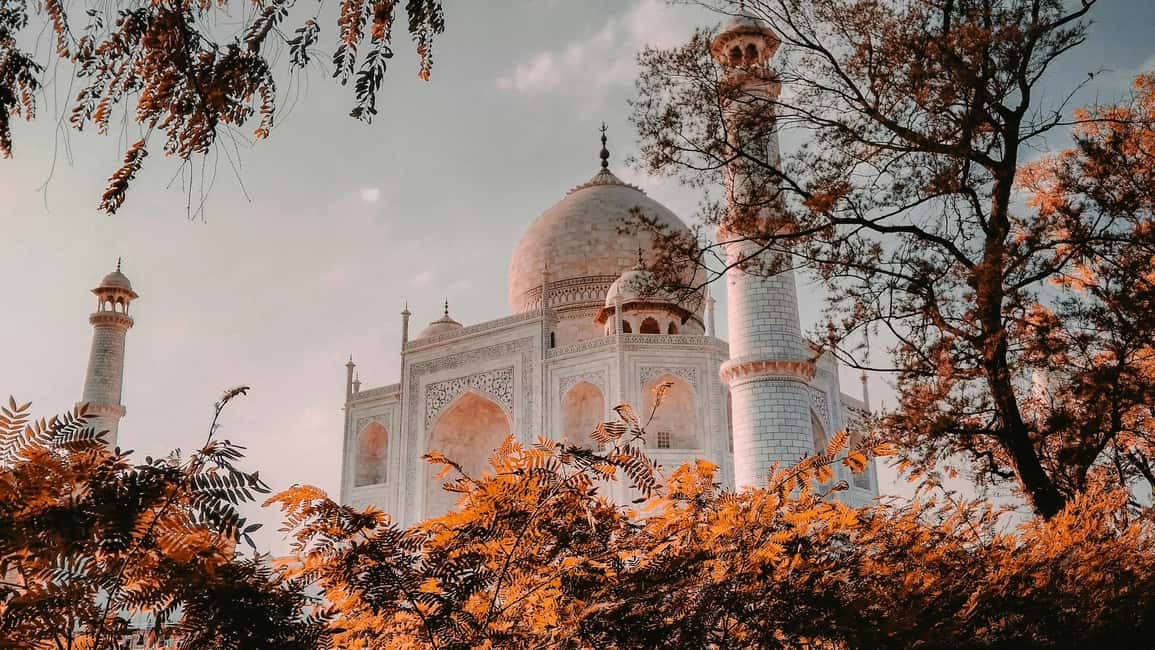
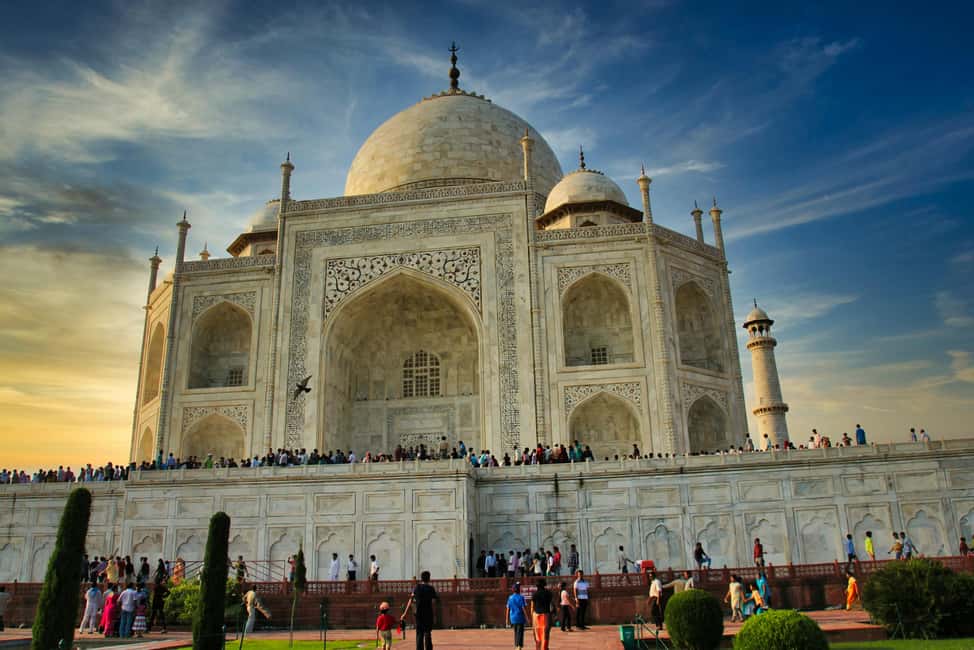
This is the day people book for, and it’s planned for the best light. Your driver and guide pick you up at 5:45 AM, and you do the Taj Mahal with a guided sunrise visit. You also skip the ticket line, which helps because the early start already has you up before most of the city wakes up.
After that, you head back for breakfast and then check out. Agra Fort comes after breakfast, and it’s worth it for the UNESCO setting and the way it frames the power behind the monuments.
Then the itinerary shifts to Akbar’s world: you travel to Jaipur and stop at Fatehpur Sikri en route. It’s described as the second capital of Akber (Akbar), which is a helpful anchor. Even if you’ve never studied Mughal history, the site gives you a sense of scale and ambition.
By the time you reach Jaipur, you check into your hotel and get the night there. This day is long, but it’s built as one smooth arc: sunrise beauty → fort-day history → capital-city stop → Jaipur rest.
Day 3: Jaipur and Amer Fort with Jantar Mantar and City Palace sights
Day 3 is your big Jaipur day, and it’s private. You get a full-day guided tour of Jaipur and Amer Fort, including a morning climb up to the hillside fort entrance. That climb isn’t just for show. If you’re comfortable with steps, it pays off because the fort area feels like a whole world once you’re inside.
Jantar Mantar is next, the stone observatory that draws astronomers and mathematicians. Even without technical background, you’ll appreciate that it’s a science site built in stone, not a museum-style display behind glass.
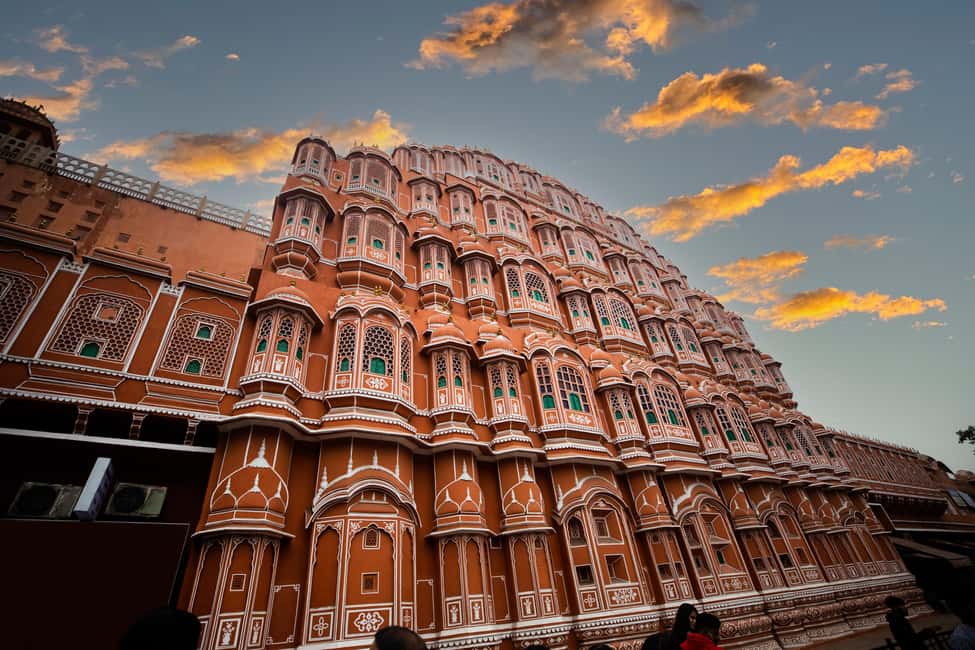
You’ll also see the Maharaja City residence (the multi-level royal residence component), plus Hawa Mahal (Wind Palace) and Jal Mahal (Water Palace) as photo stops. Hawa Mahal is the one that looks instantly recognizable once you’re standing near it. Jal Mahal is the opposite style: quieter, scenic, and mostly about atmosphere from specific viewpoints.
Then you sleep in Jaipur again. This is the day where you can start planning what you want to revisit on your own after the official tour ends—if you have energy.
Guide names matter here because the experience can tilt based on storytelling. In real-life operation, I’ve seen excellent city guiding credited to people like Sikhat, Abdul, Mukesh, and Bhu, which tells you the itinerary is designed around local expertise, not just transportation.
Day 4: Jodhpur’s Mehrangarh Fort, Moti and Phool Mahal, Jaswant Thada
Leaving Jaipur for Jodhpur is straightforward by car, and the pace stays steady. Jodhpur is commonly called the blue city, and your sightseeing leans into the dramatic side of the story.
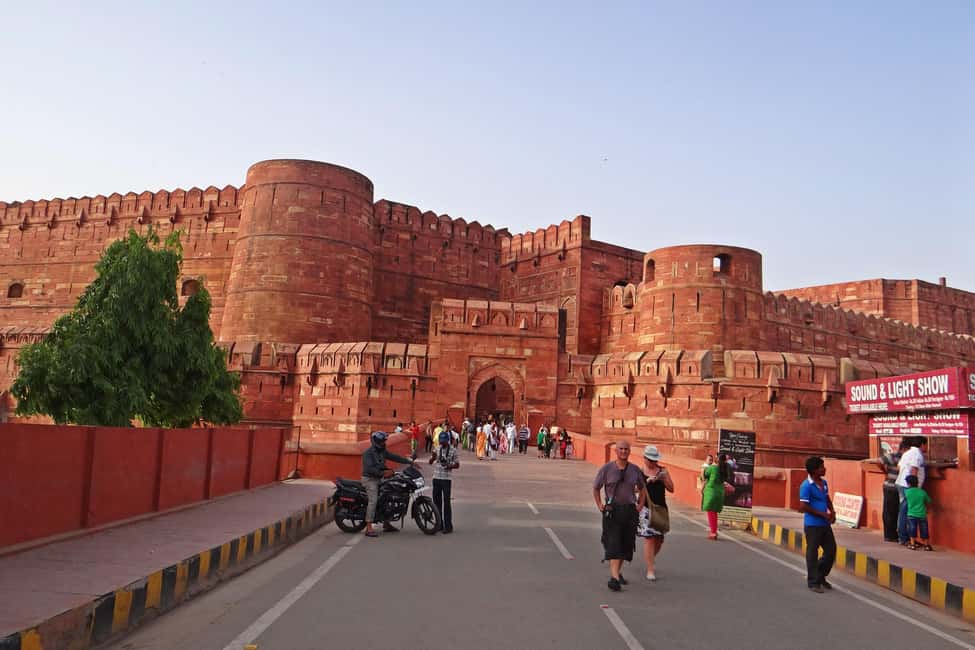
First stop is Mehrangarh Fort & Museum, including the Moti Mahal and Phool Mahal. These rooms help explain how the fort wasn’t only a fortress. It was also a living, ceremonial space.
Then you go to Jaswant Thada, an impressive marble centotaph. It’s one of those places where the details are the point—shape, marble work, and the sense of a memorial designed to last.
Next comes Umaid Bhawan Palace. It’s a change of mood from the older fort-culture feel into something more about present-day royal legacy. After all that, you get rest in Jodhpur.
One reason this stop works well on a 7-day tour is that it doesn’t just show you a single monument. It gives you a cluster of sites that each explain a different layer: defense, memorial, and palace life.
Also, guide quality can really matter at forts. For example, there’s specific praise for a Jodhpur guide named Jaswant who was especially strong with explanations and helpfulness. If language is a priority for you, this is a good reason to double-check communication expectations before you lock in.

Day 5: Ranakpur Jain Temple stop and Udaipur by Lake Fatehsagar
Day 5 is another driving day, but it includes a meaningful stop: Ranakpur Jain Temple. It’s built into the travel to Udaipur, so your time in the car doesn’t fully replace sightseeing.
Once you arrive in Udaipur, you check into your accommodation and then head to Fatehsagar Lake. This gives you an immediate sense of why Udaipur is called the City of Lakes. Even before palaces and temples, you get the geography.
The timing here is useful. You’re not forced to start Udaipur with every indoor sight. You arrive, orient, and then build into the full city tour the next morning.
Day 6: Saheliyon ki Bari, Lake Pichola, Jagdish Temple, City Palace
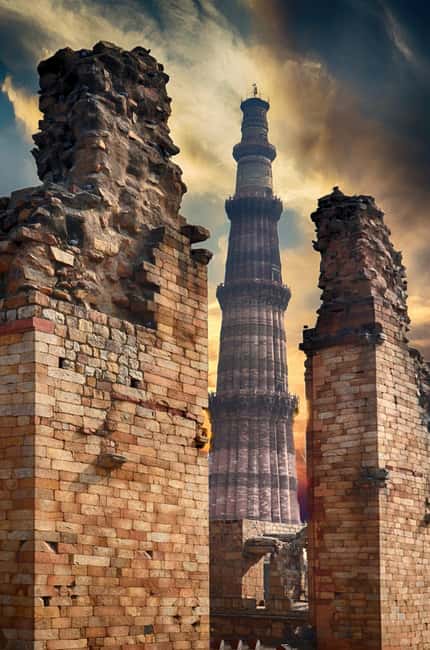
This is your escorted Udaipur sightseeing day, and it’s built around the city’s signature mix: gardens, lakes, temples, and royal spaces.
You’ll visit Saheliyon ki bari (Garden of Companions), then Lake Pichola, and then the Jagdish Temple. Finally, you end with City Palace. That sequence is smart. The garden and lake give you breathing room. The temple and palace bring you back to architecture and craft.
Lake Pichola also matters because it helps you understand how Udaipur’s buildings relate to the water. Without that framing, the palace can feel like just another palace. With the lake context, it feels more like a designed system.
This day is a classic example of why having a guide helps. City Palace and temple sites are easy to walk through with no meaning. A good guide turns it into a story you can actually follow.
Day 7: Udaipur airport drop and how to end well
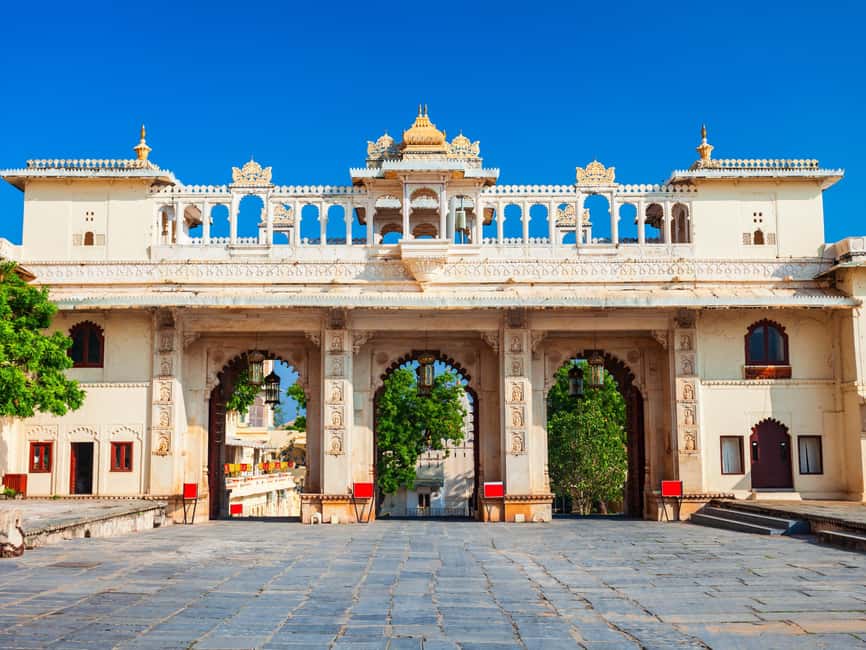
On Day 7, you get dropped at the Udaipur Airport. It’s designed as a handoff day rather than a final sightseeing push.
This is one reason the itinerary feels manageable overall. You’re not trying to cram in one last must-see at the end of a week. Instead, you finish with a clean transfer.
If you have extra time on your departure day, you might find it easier to plan something light near your next hotel or airport route rather than forcing one more big attraction.
Price and logistics: is this a good value?
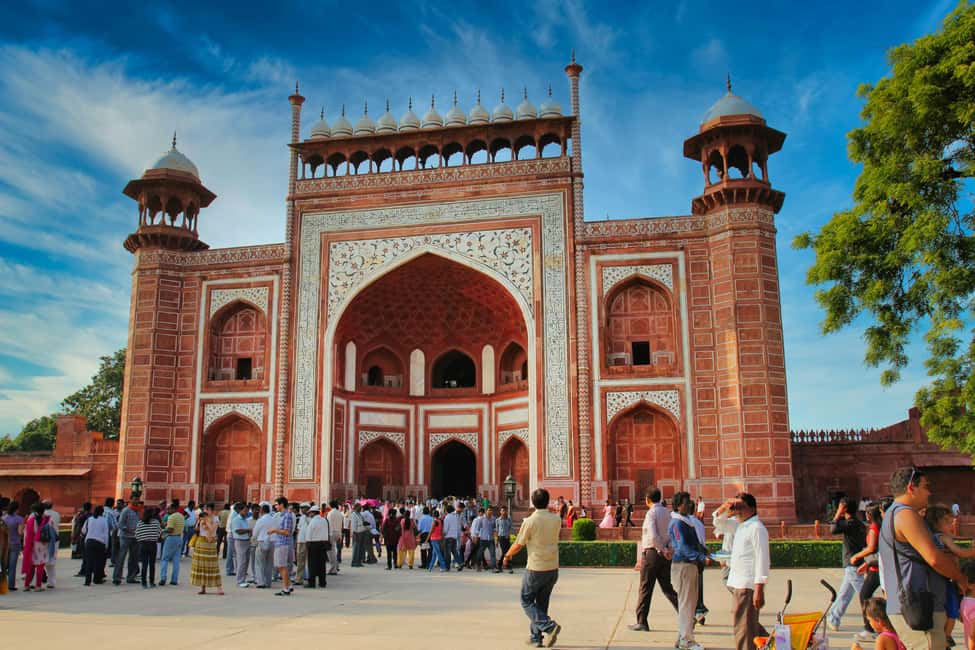
The headline price is $43 per person for the 7-day package, and that’s the number you should look at first. But value comes from what’s included and what you’ll pay separately.
Included items that drive real value:
- Daily breakfast
- 6 nights in twin sharing at a 3/4-star hotel
- Private, air-conditioned car for sightseeing
- Expert city guides
- Water bottle every day
- Pickup/drop based on your requirement
Not included items that you must budget:
- Monument fees
- Lunch and dinner
- Personal expenses
So yes, it can feel like a great deal, especially because private car + multi-city guiding usually costs more in India. At the same time, your final cash cost will depend heavily on monument fees and how you eat.
My practical advice: treat the stated price as the base, then set aside extra money for tickets. It’s the most common surprise on this kind of route.
The best part: guides and punctual transport
When this tour runs well, it runs like a machine. You have hotel check-ins handled by the schedule, drivers who get you where you need to be, and guides who focus on the main landmarks.
There’s also evidence of friendly, competent driving in different versions of the experience. For example, the driver Boby is described as smiling and friendly with basic English that worked for communication needs. Another driver, Sanjeev, is also credited as a nice person and someone who helped make the tour enjoyable.
Even if your driver’s language is limited, the itinerary’s structure helps: fixed meeting times, known pickup points, and a clear sequence of sights.
The tradeoff: shopping stops and uneven language comfort
There’s one pattern you should understand before you go. The tour rhythm often includes a guided visit to the big landmarks, followed by time at shops. Common examples listed include spice market, textile, and jewellers.
Here’s the balanced take: shops can be useful if you want practical souvenirs or want to see how materials are traded locally. But if you prefer a pure sightseeing day, this portion can feel like it’s taking over the schedule. One critique is that the shopping time can feel pushy.
Language comfort is the second tradeoff. While the tour offers multiple languages (English, Spanish, German, French, Italian), communication can still vary by who’s driving and guiding on your specific dates. If you’re counting on smooth English, Spanish, or another language, confirm the match in advance.
A simple strategy: have your expectations ready. If shopping is not your thing, set a mental boundary early. You don’t have to be rude; you just need to keep your priorities straight.
What to pack, and what comfort looks like
Comfort is mostly about getting through stairs and long days. The tour specifically recommends comfortable shoes, and that’s not marketing fluff. Amer Fort, temple steps, and uneven fort paths add up fast across a 7-day run.
You’ll also be riding in a private car every day for transfers and sightseeing. That’s great for fatigue compared with shared transport, but it still means lots of sitting time. I’d plan to stretch a bit during any breaks and keep water handy (you get bottles daily).
One more note: alcohol and drugs are not allowed on the tour, and it’s not suitable for pregnant women. If any health factors apply, plan early and choose wisely.
Day-by-day rhythm: when you’ll feel tired (and when you won’t)
This itinerary has a clear tempo:
- Early starts on the big “hit list” days like Taj Mahal.
- Strong landmark blocks followed by hotel time.
- One en-route cultural stop on travel days (Fatehpur Sikri and Ranakpur).
The result is that you’re rarely stuck doing nothing, but you will feel the schedule. If you like variety and hate wasted time, you’ll probably enjoy the structure. If you want slow mornings and long unplanned wandering, you may feel rushed on certain days.
Should you book this 7-day Golden Triangle with Jodhpur and Udaipur?
Book it if you want:
- A tight route that covers Delhi, Agra, Jaipur, Jodhpur, and Udaipur in one go
- A guide-led experience at the big sites like sunrise Taj Mahal, Amer Fort, Mehrangarh, and City Palace
- Private, air-conditioned car transport that reduces day-to-day hassle
Skip it (or at least rethink it) if:
- You strongly dislike shop stops during sightseeing blocks
- You need guaranteed language clarity and you’re sensitive to communication gaps
- You prefer a slower pace with lots of free time
If you’re the type who likes being out early, enjoys forts and monuments, and wants a full Rajasthan taste rather than only the Golden Triangle, this tour fits well. Just go in with open eyes about the shopping rhythm and bring shoes you can walk in for days.
FAQ
FAQ
How long is the tour?
The tour lasts 7 days.
What cities are included in the itinerary?
It includes Delhi, Agra, Jaipur, Jodhpur, and Udaipur.
What is included with the price?
Daily breakfast, 6 nights in a twin-sharing 3/4-star hotel, private air-conditioned car for sightseeing, expert tour guides, a water bottle every day, and pickup and drop based on your requirement.
Are monument fees included?
No. Monument fee costs are not included.
Are lunch and dinner included?
No. Lunch and dinner are not included.
Do I get a private group and private transport?
Yes. The tour is a private group, and all sightseeing is done by private, air-conditioned car.
What languages are available for the live tour guide?
English, Spanish, German, French, and Italian are available.
How does the pickup work in Delhi?
Pickup is optional, and you can be picked up from your Delhi hotel or from the airport at the selected time, based on your requirement.
Is the Taj Mahal visit included, and when is it?
Yes. On Day 2, you’ll have a guided sunrise visit to the Taj Mahal, with a driver pickup at 5:45 AM.
Is alcohol allowed during the tour?
No. Alcohol and drugs are not allowed.