REVIEW · JAIPUR
2 Days Jaipur: Amber Fort, Hawa Mahal Tuk-Tuk Tour
Book on GetYourGuide →Operated by Nahargarh Travels · Bookable on GetYourGuide
Jaipur on a tuk-tuk is pure fun. This day plan strings together the Hawa Mahal honeycomb facade and major sights like Jantar Mantar, with short photo stops so you keep moving. I especially like the way Panna Meena ka Kund feels off the main route, and the guide time at top landmarks is well paced; the main catch is that entry fees are not included, and one rough day with vehicle trouble can eat your time.
What makes it extra workable is the day structure: pickup from your hotel, then sightseeing from 8:30 AM to 5:30 PM with a tuk-tuk and a driver who also acts like your guide. I’ve also seen praise for drivers like Raja from Rajasthan, with the big theme being safe, confident driving through Jaipur’s streets, but you’ll want to keep realistic expectations about how smooth transportation will be.
In This Review
- Key things to know before you go
- What this Jaipur tuk-tuk day really covers
- Starting strong in the morning: pickup and your first big hit at Hawa Mahal
- City Palace, including the royal complex you can actually walk through
- Jantar Mantar: how an astronomy stop turns into a storytelling stop
- Jal Mahal and the photo-stop rhythm that keeps the day moving
- Amber Fort plus the fort viewpoints: where the walking earns the views
- Panna Meena ka Kund: the step-well stop that changes the pace
- Lunch, shopping time, and why the break matters
- City Palace to Hawa Mahal to Jantar Mantar to museums: how the later stops round you out
- Price and value: what you’re actually getting for around $7
- Getting through Jaipur comfortably: shoes, sun, and photo rules
- Driver reliability and what the experience taught me about booking
- Who this tour fits best (and who should reconsider)
- Should you book this 2-day Jaipur tuk-tuk tour?
- FAQ
- What time does the tour run?
- Do they pick you up from your hotel?
- Which sights are included in the day plan?
- Are entry tickets included for monuments and museums?
- Is lunch included?
- What’s included in the tour price besides transport?
- Are flash photos allowed inside monuments?
- What should I bring for this day in Jaipur?
- Can I cancel for a full refund?
- Is this tour suitable for wheelchair users or people with back problems?
Key things to know before you go
- Hawa Mahal’s 953 carved windows: you’ll see the honeycomb facade up close and get the best angles fast.
- UNESCO Jantar Mantar time: the stop is long enough to actually look at the big astronomical instruments.
- Fort circuit in one day: Amber Fort plus Jaigarh Fort and Nahargarh Fort, with scenic viewpoints.
- Panna Meena ka Kund step-well: a shorter but memorable detour that many standard routes skip.
- Jal Mahal photo stop: quick time at the palace sitting on the water (bring your camera).
- Driver-guided tuk-tuk route: hotel pickup/drop-off, water, parking, and taxes are handled for you.
What this Jaipur tuk-tuk day really covers
This experience is built around a full sightseeing day in Jaipur with a tuk-tuk, not a slow bus loop. You get pickup and drop-off, bottled water, and a driver who stays with you like a guide, while you bounce between key monuments and photo stops.
Even though the product is described as 2 days, the schedule you’re given reads like one long day (8:30 AM to 5:30 PM). If your booking truly includes two separate days, ask how the second day is structured, because the plan you’ll be relying on here is a single-day route.
You can also read our reviews of more tours and experiences in Jaipur.



Starting strong in the morning: pickup and your first big hit at Hawa Mahal
You kick off in the morning with convenient hotel pickup. Then the day quickly aims at Jaipur’s most recognizable silhouette, Hawa Mahal, also known as the Palace of Winds.
Hawa Mahal is famous for its honeycomb design and the carved-window look. You’ll get a photo stop plus guided time, so you can spend less time searching for viewpoints and more time understanding what you’re seeing. The short-but-focused stop is a smart choice early in the day, because sun and crowds tend to get more annoying as time passes.
Practical tip: wear a hat and sunscreen right away. Hawa Mahal’s streetscape is exposed, and you’ll appreciate the shade later when you swap from city streets to fort courtyards.
City Palace, including the royal complex you can actually walk through
After Hawa Mahal, you move to City Palace, the royal residence that mixes multiple palaces and museum spaces. The stop includes time for photos and a guided visit through major sections like Mubarak Mahal, Chandra Mahal, Diwan-I-Khas, and the Maharani Palace.
This is where the tour starts feeling more than just “check the box.” City Palace gives you context for why Jaipur’s rulers built and organized their world the way they did—so the rest of the day makes more sense. If you enjoy architecture and royal-era design details, this is one of your best hours.
Watch your footing. Even when the walking feels light, palace complexes can have uneven ground and stairs, and the tour assumes you’ll be comfortable moving.
Jantar Mantar: how an astronomy stop turns into a storytelling stop
Next comes Jantar Mantar, the UNESCO-listed observatory site. You’ll get photo time plus guided time (about 45 minutes), which is long enough to shift from casual looking to understanding how the instruments work.
The advantage of having a driver-guide here is timing. Jantar Mantar can be confusing if you’re just reading signs. With guided explanations, you can connect the big stone instruments to the idea that Jaipur wasn’t only about palaces—it was also a serious place for measurement and astronomy.
If you’re the type who normally skips science stops, this is still worth doing. The instruments are huge, visual, and strangely satisfying, like someone built oversized tools for people who love to look up.
Jal Mahal and the photo-stop rhythm that keeps the day moving
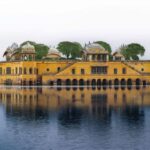
You’ll make a stop at Jal Mahal, the palace that looks like it’s floating on the water. This is mainly a photo stop with guided time, so don’t expect a long walkthrough.
The value here is simple: it’s an easy, iconic scene that breaks up the fort-and-palace pattern. It also helps you reset before you tackle the big hilltop sites later in the day.
Tip: if you’re chasing photos, aim for a calm pace. The best shots tend to come from waiting for the light and for people to clear the angle you want.

Amber Fort plus the fort viewpoints: where the walking earns the views
Amber Fort is the centerpiece of the fort portion. You’ll start there with a guided visit (about 1.5 hours) plus time for photos. Amber Fort sits up on a hill, and it feels like a whole world of courtyards, gates, and detailed design.
The timing is important: by the time you reach Amber Fort, you’ve already seen Hawa Mahal and the royal complex, so the fort doesn’t feel random. It feels like the logical next chapter.
Then the route continues to two more fort stops with guided time each (about 1.5 hours for Jaigarh Fort, plus another 1.5-hour stop at Nahargarh Fort). The itinerary includes photo stops along the way, which matters because Jaipur’s forts are as much about views as they are about architecture.
Heads-up: forts mean steps and sun. This is one reason the tour notes comfortable shoes and hydration. If your legs get tired fast, plan to slow down and take short rests inside courtyards rather than trying to push through everything in one pace.
Panna Meena ka Kund: the step-well stop that changes the pace
One of my favorite parts of this kind of day is when a route adds something people don’t expect. Panna Meena ka Kund is exactly that.
You’ll visit the step-well with a shorter guided stop (about 25 minutes) plus a photo stop. The scale and structure are what pull you in: it’s an ancient water structure that makes you think about how people worked with water long before modern systems took over.
This stop also breaks the “palace/fort only” rhythm. After hours of looking at royal spaces and defensive walls, a water step-well reminds you Jaipur’s story is also about everyday engineering and survival.
Lunch, shopping time, and why the break matters
Midday you’ll get a break with lunch time and shopping (about 2 hours). Since meals are not included, this is your window to eat on your own.
This break is more than convenience. It also prevents the classic full-day mistake: trying to see everything without refueling, then burning energy near the last monuments. Use the time wisely—eat something you can handle, hydrate, and rest your legs for the later stops.
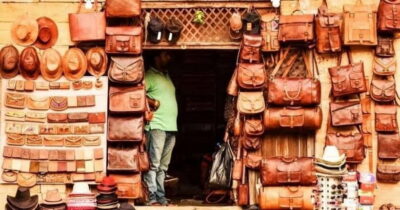
If you like shopping, this is when the tuk-tuk route positions you for textiles and local goods. Even if you don’t buy, it’s a good time to look at materials and color without the pressure of waiting in line at monuments.
City Palace to Hawa Mahal to Jantar Mantar to museums: how the later stops round you out
After the midday break, the day continues with more major sights and a mix of museum and temple visits. You’ll spend guided time at City Palace again, then return to Hawa Mahal for a shorter photo stop and time, followed by Jantar Mantar for guided time.
It’s a lot to pack in one day, but the structure makes sense if you treat it like two layers:
1) big landmarks for orientation (early on)
2) shorter returns and additional cultural stops later
You’ll also visit Gaitor Ki Chhatriyan (photo stop plus guided time, about 25 minutes). This stop gives you a calmer vibe than the busiest palace areas.
Then you head to Albert Hall Museum (photo stop plus about 1 hour of guided time). Albert Hall adds a museum experience to the day so it’s not only about outdoors and stone.
Finally, you’ll visit Birla Mandir (photo stop plus about 30 minutes of guided time). This temple stop rounds out the cultural side of Jaipur, giving you a different kind of architecture and atmosphere to end the day.
Price and value: what you’re actually getting for around $7
The price point here is extremely low on the surface, but the value comes from what’s included. You get hotel pickup and drop-off, a tuk-tuk ride for the day, a friendly driver who guides you, plus bottled water and all the operational costs like fuel, parking, and taxes (GST included).
What you should budget separately are the monument entry fees. The tour explicitly does not include entry tickets for Amber Fort, City Palace, Hawa Mahal, Jantar Mantar, Albert Hall Museum, and more.
So the real cost picture looks like:
- low transportation and guide cost
- plus your own entry-ticket spending
If you already plan to pay for those monuments anyway, the deal can be great. If you want to skip paid sites or you’re trying to keep strict spending tight, entry fees can change the math quickly.
Getting through Jaipur comfortably: shoes, sun, and photo rules
You’ll be on your feet across fort areas and inside complexes. Bring comfortable shoes, plus a hat and sunscreen, because this is a daytime-heavy route.
Photography is allowed, but flash is not permitted inside monuments. That’s important at places like City Palace and museums where security tends to be strict.
Also, bring water. Bottled water is included, but Jaipur sun can be relentless, and you’ll want to keep sipping rather than waiting until you feel rough.
Driver reliability and what the experience taught me about booking
One of the biggest variables on any tuk-tuk day is the condition of the vehicle and the driver’s ability to keep the plan moving. I’ve seen this experience go smoothly when the driver is experienced and confident, including praise for Raja from Rajasthan as a safe, capable driver.
But I’ve also seen a serious problem: on one day, the tuk-tuk had mechanical trouble, causing waiting time and lost sightseeing time. Even when a replacement tuk-tuk appears, delays in a city schedule can’t be recovered.
What you can do: when you arrive, confirm the vehicle condition as much as you can, and ask the driver what the priority order is if anything goes wrong (which sites first, which time flexibility exists). Also, keep your expectations realistic about timing when you book a packed day in a vehicle-based route.
Who this tour fits best (and who should reconsider)
This day is a good match if you:
- want a single-day structure that hits Jaipur’s major sights
- like being guided at big landmarks like City Palace and Jantar Mantar
- don’t mind walking at forts and being in the sun
If you have back problems, the tour notes it may not suit you. There’s also a mixed message about accessibility: it’s listed as wheelchair accessible, but it’s also noted as not suitable for wheelchair users. If you use a wheelchair, you should treat this as a question you must confirm carefully before booking.
If you’re looking for a totally relaxed pace, consider that this route compresses many stops into one day. It’s doable, but it’s not a slow stroll.
Should you book this 2-day Jaipur tuk-tuk tour?
Book it if you want a low-cost way to cover major Jaipur highlights with a driver who acts like a guide, and you’re ready for a packed day. The strongest selling points are the iconic structure of Hawa Mahal, the meaningful stop at Jantar Mantar, and the fort sequence that gives you hilltop views plus the unusual stop at Panna Meena ka Kund.
Skip or reconsider if you’re extremely time-sensitive, have mobility limitations, or you’re counting on flawless transport timing. Since entry fees are not included, make sure you budget for tickets and keep a little extra cash and patience for the unavoidable bumps of real street travel.
If you do book: wear the right shoes, bring sun protection, and go in expecting a schedule that moves. Done that way, this is one of those Jaipur days that feels efficient without feeling lifeless.
FAQ
What time does the tour run?
The tour runs from 8:30 AM to 5:30 PM.
Do they pick you up from your hotel?
Yes. Pickup and drop-off are included from your hotel (and also from the airport/railway/bus station).
Which sights are included in the day plan?
You’ll visit Amber Fort, Jaigarh Fort, Nahargarh Fort, Panna Meena ka Kund, Jal Mahal, City Palace, Hawa Mahal, Jantar Mantar, Gaitor Ki Chhatriyan, Albert Hall Museum, and Birla Mandir.
Are entry tickets included for monuments and museums?
No. Entry fees for Amber Fort, City Palace, Hawa Mahal, Jantar Mantar, Albert Hall Museum, and more are not included.
Is lunch included?
No. Meals and beverages are not included, but there is a lunch and shopping break.
What’s included in the tour price besides transport?
Included are a tuk-tuk ride for the day, driver as a guide, bottled water, fuel, parking charges, toll and interstate taxes, and all government taxes (GST).
Are flash photos allowed inside monuments?
Photography is allowed, but flash photography is not permitted inside monuments.
What should I bring for this day in Jaipur?
Bring comfortable shoes, a hat, camera, sunscreen, and water.
Can I cancel for a full refund?
Yes. Free cancellation is available up to 24 hours in advance for a full refund.
Is this tour suitable for wheelchair users or people with back problems?
It’s listed as wheelchair accessible, but it’s also stated as not suitable for wheelchair users and for people with back problems.