REVIEW · JAISALMER
1 night 2 days Thar Desert Experience Jaisalmer
Book on GetYourGuide →Operated by Tokyo desert camp Jaisalmer · Bookable on GetYourGuide
Two camel rides later, you’ll feel the desert. This 1-night, 2-day plan gives you two separate camel rides and a night where the sky really takes over—stars, wind, and that wide 360-degree feeling. The food setup is a big plus too: dinner and breakfast are included and cooked on-site, so you don’t spend the evening hunting for a meal. The main drawback is physical comfort: you’re going into the deep desert, so this isn’t a good fit if you’re very sick, disabled, or outside the stated age/weight limits.
I like the way the day starts with quick desert-side sights, not just riding straight out. You get stops at Kuldhara and Khaba Fort, then head toward the sand with tea/coffee breaks, photo stops, and off-road segments before you settle for the night.
In This Review
- Key highlights to know before you go
- A Two-Day Camel Safari From Jaisalmer That Feels Human, Not Rushed
- Getting Started: Pickup, Jeep/SUV Time, and Quick Stops
- Kuldhara (about 20 minutes)
- Khaba Fort (about 20 minutes)
- Dune country transition
- The Camel Safari Day: Photo Stops, Off-Road Time, and the Best Kind of Silence
- Why the ride feels different (and why you’ll care)
- Sunset time where it counts
- Wildlife viewing (with realistic expectations)
- Food and Water: Unlimited Bottles, Desert Snacks, and Dinner That Makes the Night Easier
- Lunch-like breaks that actually help
- Dinner and breakfast with locals
- Night in the Desert Camp: Stars, Wind, and Getting Your Body to Chill
- What to expect from the temperature
- My practical packing advice
- The Next Morning: Sunrise, Free Time, and How the Return Works
- Jeep/SUV back and drop-off
- Price and Logistics: Why About $40 Can Still Feel Like Good Value
- Who Should Book This (and Who Should Skip It)
- A Few Booking Tips So You Don’t Get Stuck
- Should You Book the Thar Desert Experience Jaisalmer?
- FAQ
- How long is the Thar Desert camel safari from Jaisalmer?
- What’s included in the meals and water?
- How many times do I ride the camel?
- Do you visit any places before entering the desert?
- Where does pickup and drop-off happen?
- What languages are available for the live guide?
- What should I bring?
- Is there anything I cannot bring?
Key highlights to know before you go
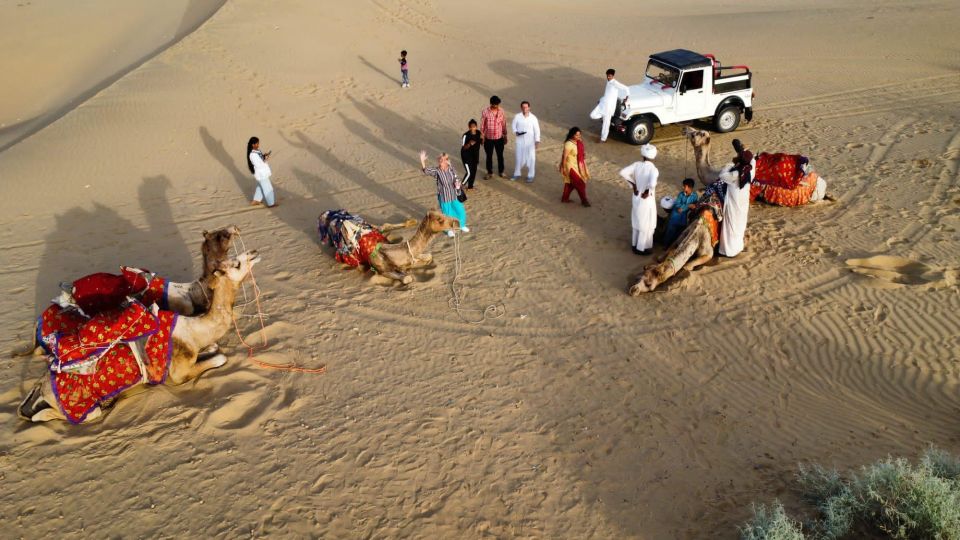
- Two camel rides: you’ll have time for both the slow “real desert” pace and a more active riding feel
- Village stops before sand: Kuldhara and Khaba Fort help you understand what you’re looking at
- Unlimited water bottles + meals: dinner and breakfast are included, with dessert and snacks during the day
- A star-focused overnight: the camp setup is meant for watching the night sky and catching sunrise
- English/Japanese live guide with local help: your camel team and host help keep the pace comfortable
A Two-Day Camel Safari From Jaisalmer That Feels Human, Not Rushed
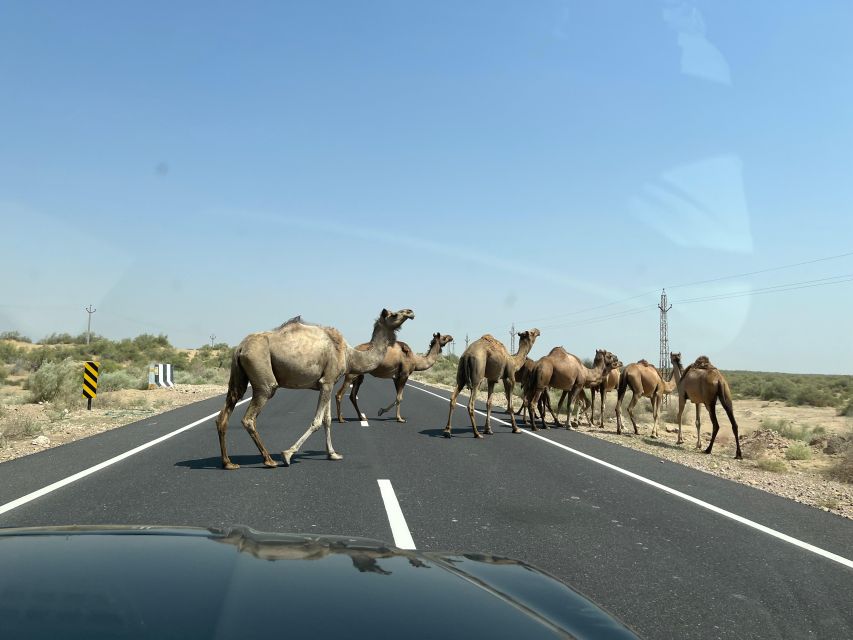
A good desert trip isn’t only about the sand. It’s about the rhythm: jeep time, camel time, tea time, and then the long quiet hours when there’s nothing to do but look up.
This experience is built around the classic Jaisalmer reason people come here: camel travel through the Thar Desert. You’ll leave the city side, hit a couple of historic/atmospheric stops on the way, and then spend real time moving through dunes and flat desert stretches—twice on camel. That two-part format matters. The first ride gets you adjusted to how the camel walks, how the saddle feels, and how you should sit. The second ride tends to feel freer, because your body already understands the rhythm.
One more thing I genuinely like: the setup keeps meals and drinks handled. You get unlimited mineral water bottles, plus tea and snacks during the day. Dinner and breakfast are included, so you can focus on the experience rather than logistics.
You can also read our reviews of more evening experiences in Jaisalmer
Getting Started: Pickup, Jeep/SUV Time, and Quick Stops
The tour begins with a pickup from your selected option, then a short ride by Jeep/SUV (about 45 minutes) before you reach the first sightseeing points. This is good value if you’re short on time in Jaisalmer—you get desert-country context without needing your own transport.
Kuldhara (about 20 minutes)
Kuldhara is the first stop, and it’s a strong opener. Even in a short visit, you get that eerie, quiet vibe that fits the desert. It also helps you slow down before the dunes—your brain shifts from city mode to desert mode.
Practical tip: This is a quick stop, so don’t expect a long museum-style experience. Wear comfortable shoes and be ready for sun.
Khaba Fort (about 20 minutes)
Next comes Khaba Fort, another short visit that gives you views and texture—stone, distance, and that sunlit harshness that makes the Thar so photogenic.
A short stop like this is a trade-off: you won’t have time to wander for hours, but you also don’t get bored on the way to the main event.
Dune country transition
After these stops, the plan moves toward the desert day where you’ll have breaks and photo stops. Expect tea/coffee moments and small pauses that keep the whole thing from turning into one long uncomfortable stretch.
The Camel Safari Day: Photo Stops, Off-Road Time, and the Best Kind of Silence
This is the heart of the trip. The itinerary lists a long day in the Thar Desert with time for guided segments, free time, and multiple activities like camel riding, dune bashing, and sunset.
You’ll spend plenty of time out there—enough that the experience doesn’t feel like a quick “camel ride for pictures” version. It’s more like you’re in it, step by step.
Why the ride feels different (and why you’ll care)
Camel riding has a different pace than a jeep. You feel the movement in your body, not just through your eyes. When you’re on camel, you naturally look around more—because you’re moving more slowly and the horizon keeps changing.
That’s why the two camel rides are a smart design. The first one introduces the feeling. The second one lets you settle in and enjoy the sky, the wind, and the changing light.
Sunset time where it counts
The schedule includes sunset as a key moment. In a desert environment, sunset isn’t just pretty—it changes visibility, softens shadows, and makes even plain sand look dramatic. If you want photos, plan to spend your time there rather than rushing through other stops.
Wildlife viewing (with realistic expectations)
The plan also mentions wildlife viewing. In the desert, this can be small things—bugs, birds, and unexpected movement. One past guest specifically noted seeing dung beetles (the Japanese term was フンコロガシ). So yes, you might catch something unusual, and you’ll be glad you kept your camera handy.
Food and Water: Unlimited Bottles, Desert Snacks, and Dinner That Makes the Night Easier
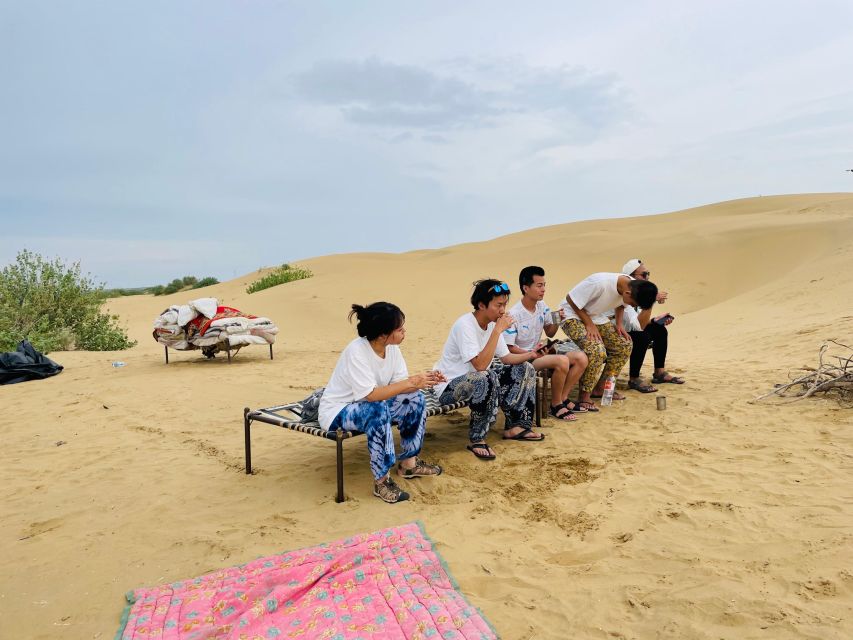
Many desert trips fail at one simple point: the food and drink plan. This one doesn’t. You get unlimited mineral water bottles, and the day includes tea, desert chips, local snacks, dessert, and dinner.
Lunch-like breaks that actually help
During the desert segment, you get break time and photo stops. Those pauses matter in the Thar. The sun can be intense, and the desert rewards you when you take small breaks instead of pushing through.
Dinner and breakfast with locals
Dinner and breakfast are included. The best part is that the meals are handled on-site by people who live in the region. In past experiences, guests liked how the food felt tied to the camp rather than fast catering.
For many people, this is the biggest comfort upgrade. You’ll be tired from sun and movement; having a predictable meal means you won’t spend energy worrying about where to eat.
Night in the Desert Camp: Stars, Wind, and Getting Your Body to Chill
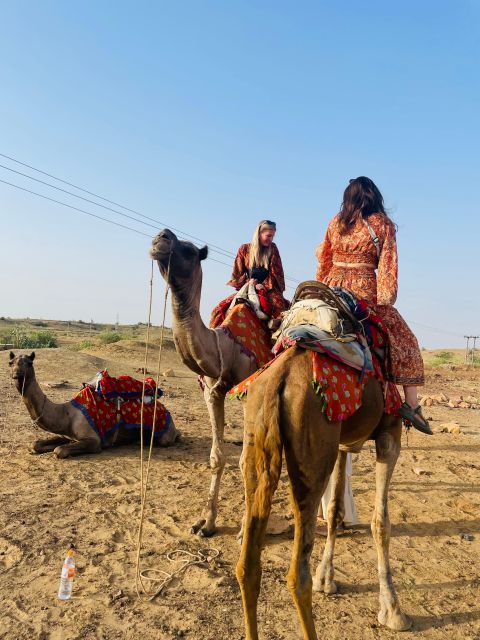
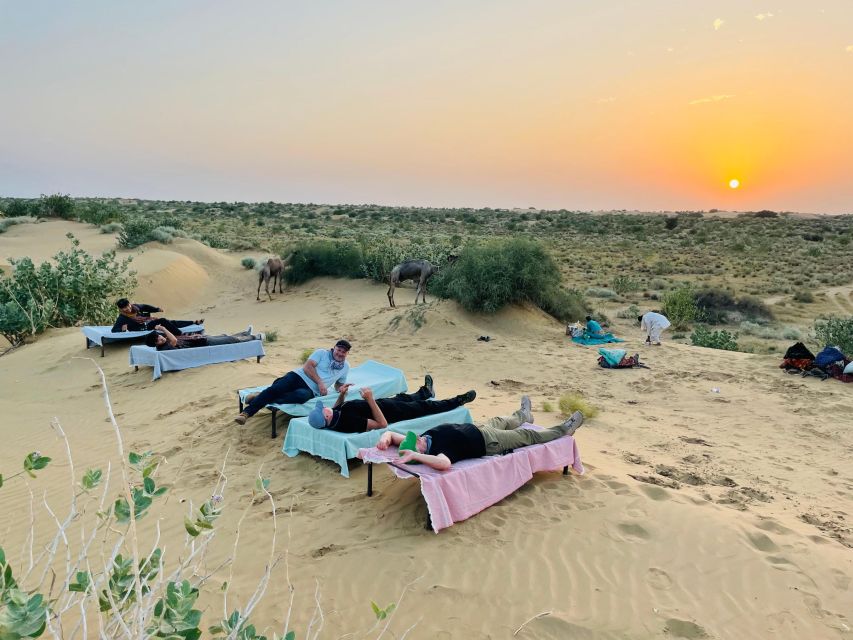
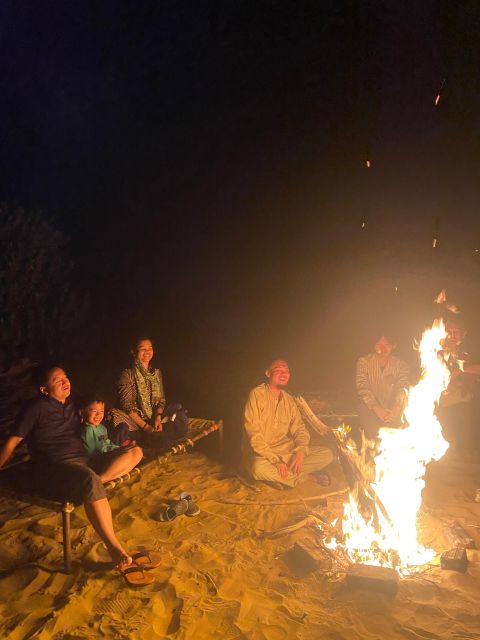
The overnight is where this tour earns its reputation. The plan is 1 night in the desert, with an overnight stay at the camp setup used by the provider.
Based on past guests’ experiences, you get a real chance to watch the sky at night and see the sunrise in the morning. One guest described sleeping outside so they could watch stars and the sun coming up. That outside-sleeping style is exactly why desert nights feel special: you’re not just inside a building pretending it’s dark.
What to expect from the temperature
The Thar can cool down after sunset, but the camp setup includes blankets. One Japanese guest visiting in early October said that with blankets, they didn’t feel the need for a very thick jacket at night. During the day, though, they still recommended something lighter for daytime heat.
My practical packing advice
Don’t overpack. Do pack smart:
- A jacket for evening (even if it feels mild when you start)
- Breathable clothing for daytime
- Sun protection (sunscreen and sunglasses are a solid idea—one guest noticed others using sunscreen)
- Comfortable shoes you can walk in during village stops
If you hate discomfort, remember: this is part of desert authenticity. The trade-off is that you’re paying to see a night sky most city routines can’t deliver.
The Next Morning: Sunrise, Free Time, and How the Return Works
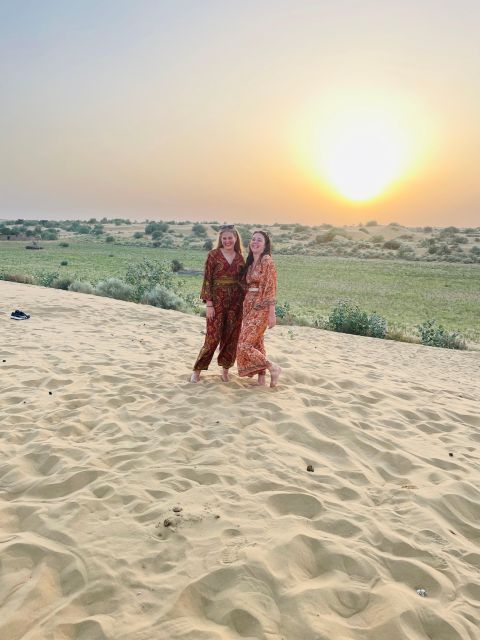
Your desert morning is built around sunrise and another round of calm. After a night outside, sunrise hits differently. The light is softer, and your eyes adjust to the desert’s slow color shift.
Then the plan includes time for guided moments, breakfast, and free time—enough breathing room that the return ride doesn’t feel like an immediate interruption.
Jeep/SUV back and drop-off
After the desert experience wraps up, you return by Jeep/SUV again (about 45 minutes). There are two drop-off locations, including Hotel Tokyo Palace in Jaisalmer.
This matters for planning. You don’t want to end up in a random street with no idea how you’ll get back to your hotel. Here, the pickup/drop system is part of the value.
Price and Logistics: Why About $40 Can Still Feel Like Good Value
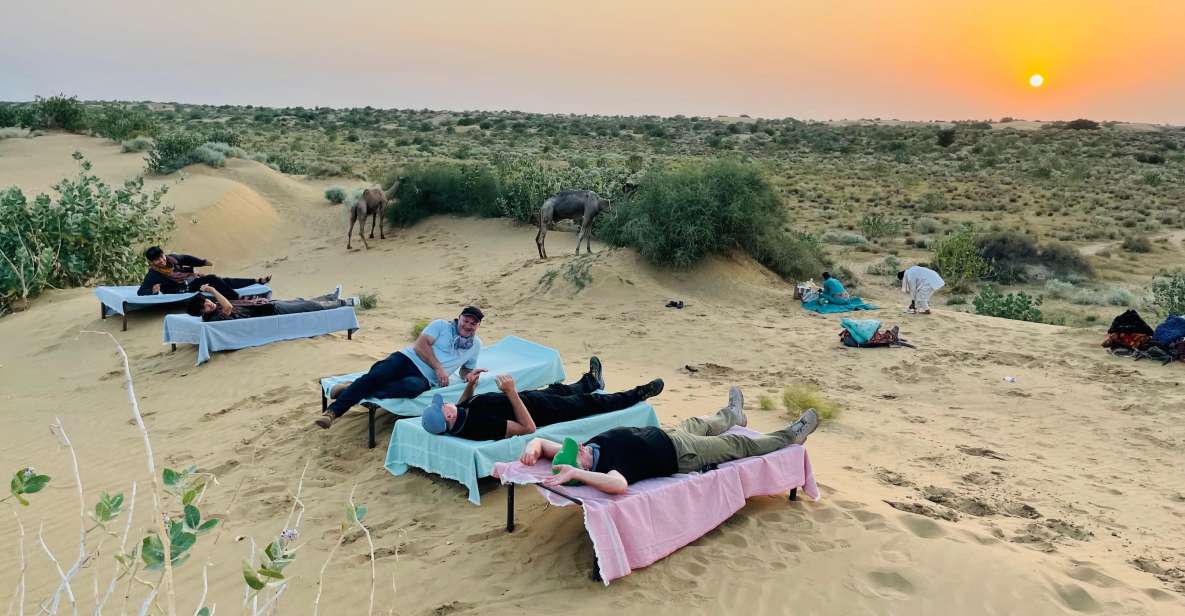
At about $40 per person for 1 night / 2 days, you’re paying for more than a camel ride.
Here’s what that price typically covers:
- Transportation: pickup and drop-off, plus shared transfer
- Entry/village fees included in the plan (Kuldhara village and Jesseri lake fees are listed)
- Meals: dinner and breakfast, plus tea/snacks during the day
- Water: unlimited mineral water bottles
- People and supervision: tour escorts/host, driver, camel man, and local support
- Experience basics: accommodation, photography support, and guided time
So if you compare this to piecing it together on your own—your own jeep, your own camel booking, and your own meals—it starts to make sense. The desert isn’t cheap because it’s remote; the value comes from bundling the hard parts.
The key thing to remember: this is not an ultra-luxury desert lodge. It’s a desert experience designed around time outside, not comfort-first interiors.
Who Should Book This (and Who Should Skip It)
This trip is a strong match if:
- You want real camel time, not a short “sit on a camel and go” version
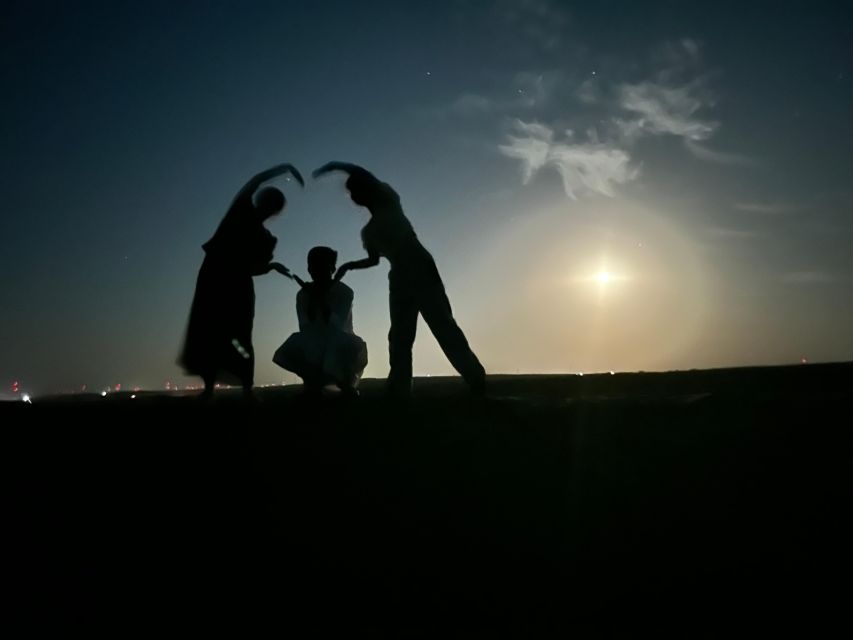
- You care about sunset + sunrise and clear night-sky viewing
- You like guided structure but still want some free time
- You’re okay with basic desert conditions and packing for sun and evening chill
It’s not ideal if:
- You’re very sick or have a disability and need extra accommodations (the info says you should check before booking because you go deep in the desert)
- You’re over 95 years
- You weigh more than 309 lbs / 140 kg
If you fall into any gray area physically, contact the operator first so you can be honest about your needs.
A Few Booking Tips So You Don’t Get Stuck
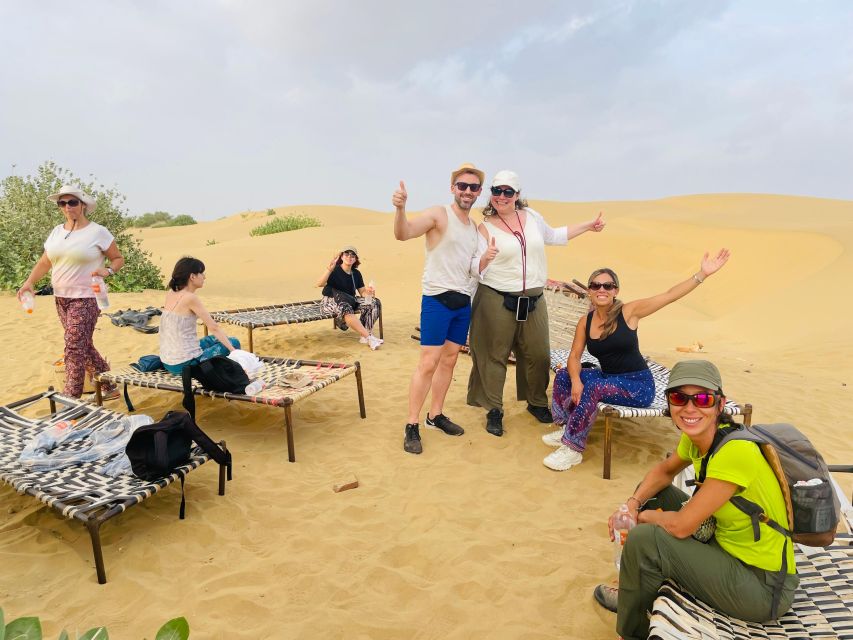
The experience provider is Tokyo desert camp Jaisalmer, and the drop-off includes Hotel Tokyo Palace. The tour info also says not to book direct and instead to call +91 8690946595.
Two practical notes before you book:
- Bring a valid passport or ID as specified in the packing list.
- The plan lists “Free cancellation up to 24 hours in advance” and a reserve & pay later option, so you can keep flexibility if your Jaisalmer schedule is still changing.
Should You Book the Thar Desert Experience Jaisalmer?
If your goal is to feel the Thar Desert—camel, wind, stars, sunrise—this is the kind of trip that fits. The strongest reasons to book are simple: two camel rides, an overnight that’s made for star viewing, and meals/water handled for you so the day stays smooth.
I’d skip it if you need high accessibility or if you’re worried about deep desert travel with limited comfort options. In that case, look for a more cushioned itinerary.
For everyone else, this is one of those value-driven desert experiences where the price buys you time outside and the chance to look up at night without city light competing.
FAQ
How long is the Thar Desert camel safari from Jaisalmer?
It runs for 2 days and includes 1 night.
What’s included in the meals and water?
You get dinner and breakfast, plus tea and desert snacks during the day. Mineral water bottles are included with unlimited supply.
How many times do I ride the camel?
The experience is described as having camel safari x2, meaning you’ll have two memorable camel ride sessions.
Do you visit any places before entering the desert?
Yes. The plan includes sightseeing stops at Kuldhara (about 20 minutes) and Khaba Fort (about 20 minutes) before the main desert time.
Where does pickup and drop-off happen?
Pickup depends on the selected option. The plan includes two drop-off locations, one of which is Hotel Tokyo Palace, Jaisalmer.
What languages are available for the live guide?
The live tour guide is listed as English and Japanese.
What should I bring?
You should bring items listed for the experience such as camera, jacket, hiking shoes, breathable clothing, and an ID/passport. The info also mentions sunglasses and headphones.
Is there anything I cannot bring?
The info states no alcohol and drugs, and chewing gum is not allowed.